Hibachi Rice
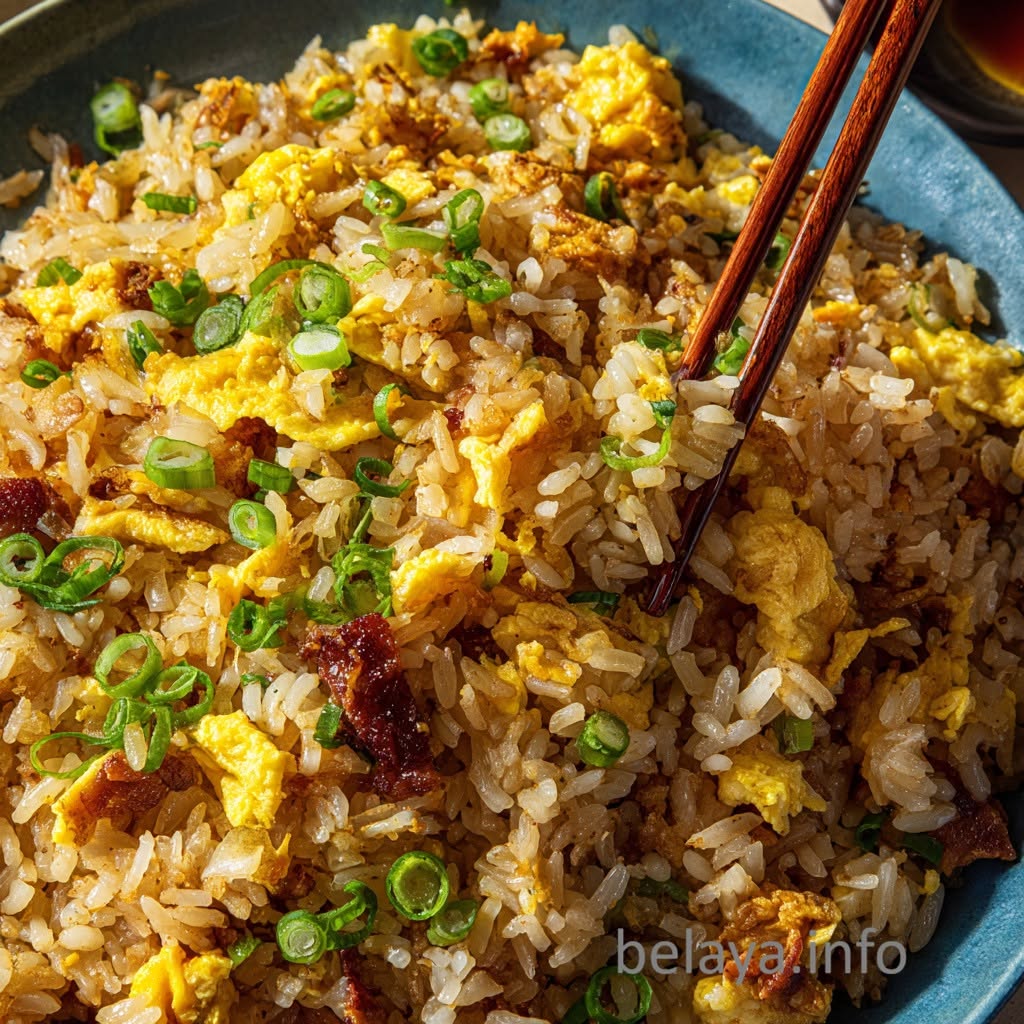
Hibachi Rice is a simple but deeply satisfying fried rice dish inspired by the flavors of Japanese steakhouse cooking. It is made with chilled white rice, eggs, butter, sesame oil, onion, garlic, ginger, soy sauce, and scallions, creating a warm, savory, aromatic dish that feels both comforting and restaurant-style.
What makes this recipe special is its balance of texture and flavor. The rice becomes lightly seared in the skillet, the butter adds richness, the sesame oil brings a nutty aroma, and the garlic and ginger give the dish a fresh, bold foundation. It is quick enough for a weeknight meal but flavorful enough to serve beside steak, chicken, shrimp, vegetables, or a full hibachi-style dinner.
This is the kind of recipe that turns basic leftover rice into something exciting. Every spoonful has soft scrambled egg, savory soy sauce, sweet onion, fragrant garlic, warm ginger, and a clean finish from fresh scallions.
Why People Will Love Hibachi Rice Recipe
It tastes like restaurant-style hibachi at home. The combination of butter, sesame oil, soy sauce, garlic, ginger, and eggs gives the rice that familiar savory steakhouse flavor.
It is simple but full of depth. The ingredients are basic, but each one adds something important: richness, aroma, saltiness, warmth, or texture.
It is a great way to use leftover rice. Day-old chilled rice fries better because it is drier and less sticky, making the final dish more flavorful and separated.
The texture is satisfying. Letting the rice sit undisturbed in the skillet creates light searing, giving the dish small crispy edges and a deeper fried-rice flavor.
It works as a side dish or a main meal. Serve it with hibachi chicken, steak, shrimp, vegetables, tofu, or enjoy it on its own with extra eggs.
It is family-friendly and easy to customize. You can keep it mild, add more vegetables, increase the garlic, or add protein for a fuller meal.
It comes together quickly. Once the ingredients are prepared, the cooking process is fast and practical.
It feels comforting without being heavy. The rice is buttery and savory, but the scallions, ginger, and garlic keep it bright and balanced.
Key Ingredients
Cooked White Rice:
Chilled or day-old white rice is the best choice because it is firmer and drier than fresh rice. This helps the grains separate in the skillet and prevents the dish from becoming mushy.
Eggs:
Eggs add protein, richness, and soft texture. Scrambling them directly in the skillet keeps the dish easy and gives the rice a classic fried-rice feel.
Unsalted Butter:
Butter adds the signature hibachi-style richness. It gives the rice a smooth, savory taste and helps balance the saltiness of the soy sauce.
Sesame Oil:
Sesame oil brings a nutty aroma that gives the rice deeper flavor. It helps create that warm, toasty background taste often associated with hibachi-style dishes.
Onion:
Finely diced onion adds gentle sweetness and moisture. Cooking it until soft allows it to blend naturally into the rice instead of tasting sharp.
Fresh Ginger:
Ginger gives the rice warmth, freshness, and a little brightness. It keeps the dish from tasting flat or overly salty.
Garlic:
Garlic adds bold savory flavor. It should be cooked only until fragrant so it does not burn or become bitter.
Low-Sodium Soy Sauce:
Soy sauce seasons the rice and adds umami. Low-sodium soy sauce is helpful because it gives flavor without making the dish too salty.
Scallions:
Thinly sliced scallions are used as a fresh garnish. They add color, crunch, and a light onion flavor at the end.
Kosher Salt and Black Pepper:
These final seasonings allow you to adjust the dish to your taste after the soy sauce has been added.
Expert Tips
Use chilled rice whenever possible. Freshly cooked rice contains more moisture and can become sticky. Day-old rice fries better and gives a better texture.
Break up rice clumps before and during cooking. This helps the soy sauce coat every grain evenly and prevents heavy, sticky patches.
Let the rice sear briefly. Spreading the rice into an even layer and leaving it alone for 1–2 minutes creates better flavor and a lightly toasted texture.
Do not burn the garlic. Garlic cooks quickly. Add it after the onion and ginger have softened, and cook it just until fragrant.
Use low-sodium soy sauce. This gives you more control over the final salt level, especially because the eggs are already seasoned.
Scramble the eggs gently. Cook them until they are about three-quarters done before mixing them into the rice. They will finish cooking from the heat of the rice.
Keep the heat high enough to fry, not steam. Medium-high heat helps remove moisture and gives the rice better texture.
Finish with scallions after cooking. Adding scallions at the end keeps their color fresh and their flavor bright.
Hibachi Rice
Ingredients
3 large eggs, lightly beaten
2 tablespoons unsalted butter
1 tablespoon plus 2 teaspoons sesame oil
1 medium onion, finely diced
3 teaspoons minced fresh ginger
1 tablespoon plus 2 teaspoons minced garlic
4 cups cooked white rice, preferably chilled or day-old
3 tablespoons low-sodium soy sauce
1/4 cup scallions, thinly sliced, for garnish
Kosher salt, to taste
Freshly cracked black pepper, to taste
Instructions:
In a small bowl, whisk the eggs with 3/4 teaspoon kosher salt, then set them aside.
Heat a large nonstick skillet over medium-high heat.
Add the sesame oil and unsalted butter to the skillet.
Once the butter has melted, add the finely diced onion and minced ginger.
Cook for 5–6 minutes, stirring often, until the onion becomes soft and slightly translucent.
Add the minced garlic and cook for about 1 minute, just until fragrant.
Add the cooked white rice to the skillet.
Use a spatula or spoon to break apart any clumps of rice.
Spread the rice into an even layer and let it cook undisturbed for 1–2 minutes so it can lightly sear.
Stir the rice, then pour in the low-sodium soy sauce.
Toss everything together until the rice is evenly coated.
Reduce the heat to medium.
Push the rice to one side of the skillet.
Pour the beaten eggs into the empty side of the skillet.
Gently scramble the eggs with a spatula until they are about three-quarters cooked.
Mix the eggs into the rice until evenly combined.
Continue cooking for another 1–2 minutes, stirring occasionally.
Taste and adjust with additional salt and freshly cracked black pepper if needed.
Transfer the hibachi rice to a serving dish.
Garnish with thinly sliced scallions.
Serve immediately while hot.
Important Notes When Hibachi Rice
Day-old rice gives the best result. If using freshly cooked rice, spread it on a tray and let it cool so excess steam can escape before frying.
The skillet should be large. A wide nonstick skillet gives the rice more surface area, helping it fry instead of steam.
Taste before adding extra salt. Soy sauce already adds saltiness, so adjust carefully at the end.
Butter can brown quickly. Add the onion and ginger soon after the butter melts so the butter does not burn.
The eggs should not be overcooked. Soft eggs blend better into the rice and keep the dish tender.
This recipe is easy to scale. For a larger batch, use a wider pan or cook in batches so the rice still fries properly.
Serve immediately for the best texture. Hibachi rice tastes best hot, when the grains are tender, lightly seared, and aromatic.
How to Enjoy Hibachi Rice After Cooking
Serve Hibachi Rice immediately after cooking while it is hot, fragrant, and lightly glossy from the butter and sesame oil. Spoon it into a warm bowl or onto a plate and finish with thinly sliced scallions for color and freshness.
This rice is excellent as a side dish for hibachi-style chicken, steak, shrimp, salmon, tofu, or sautéed vegetables. It also works beautifully with teriyaki chicken, grilled beef, garlic butter shrimp, or stir-fried broccoli. For a complete hibachi-inspired plate, serve it with yum yum sauce, ginger sauce, or a simple soy-based dipping sauce on the side.
To enjoy it as a main dish, add extra scrambled eggs, cooked chicken, shrimp, steak bites, mushrooms, peas, carrots, zucchini, or edamame. The rice is flexible and can become a full meal with just a few additions.
For the best eating experience, enjoy each bite while the rice is still warm and slightly seared. The flavor should be savory from soy sauce, rich from butter, nutty from sesame oil, aromatic from garlic and ginger, and fresh from scallions.
If you have leftovers, store them in an airtight container in the refrigerator. Reheat in a skillet over medium heat with a small splash of water or a little butter to bring back moisture. Avoid overheating the eggs, and stir gently until the rice is warmed through.
Nutrition Information
Calories: 300–390 kcal | Total Fat: 12–18 g | Saturated Fat: 4–7 g | Monounsaturated Fat: 4–7 g | Polyunsaturated Fat: 3–5 g | Cholesterol: 120–160 mg | Sodium: 520–850 mg, depending on soy sauce and added salt | Total Carbohydrates: 38–50 g | Dietary Fiber: 1–3 g | Sugars: 2–4 g | Protein: 8–12 g
Frequently Asked Questions:
What is Hibachi Rice?
Hibachi Rice is a Japanese steakhouse-style fried rice made with cooked rice, eggs, butter, sesame oil, garlic, ginger, onion, soy sauce, and scallions. It is savory, aromatic, and often served with hibachi meats, seafood, or vegetables.
Why is day-old rice better for hibachi rice?
Day-old rice has less moisture than fresh rice, so it fries better in the skillet. The grains stay more separate and develop a better texture instead of turning soft or sticky.
Can I add protein to this recipe?
Yes. Chicken, shrimp, steak, tofu, salmon, or extra eggs all work well. Cook the protein separately first, then stir it into the rice near the end.
Is this recipe spicy?
No, this version is not spicy. It is savory and aromatic from garlic, ginger, soy sauce, butter, and sesame oil. You can add chili flakes, sriracha, or chili crisp if you want heat.
What can I serve with Hibachi Rice?
It pairs well with hibachi chicken, steak, shrimp, grilled vegetables, teriyaki dishes, miso soup, cucumber salad, or a simple side of steamed vegetables.
How do I keep the rice from becoming mushy?
Use chilled or day-old rice, break up clumps before frying, and cook in a wide skillet over medium-high heat. Too much moisture or overcrowding can make the rice steam instead of fry.
Should I cook the eggs separately or in the same skillet?
You can do either, but cooking them in the same skillet is convenient. Push the rice to one side, scramble the eggs on the empty side, then mix them into the rice once they are mostly cooked.
Can I use freshly cooked rice?
Yes, but it should be cooled first. Spread it on a tray and let the steam escape before frying. Chilling it briefly helps improve the texture.
Why do I let the rice sit undisturbed for 1–2 minutes?
This helps the rice lightly sear against the hot pan. That small step builds more flavor and gives the rice a better hibachi-style texture.
How do I prevent the dish from becoming too salty?
Use low-sodium soy sauce, season the eggs lightly, and taste before adding extra salt. Soy sauce and butter already bring plenty of flavor, so final seasoning should be added carefully.