Fettucine Aglio e Olio
This Fettuccine Aglio e Olio is a celebration of Italian simplicity, where a handful of humble ingredients come together to create something deeply satisfying.
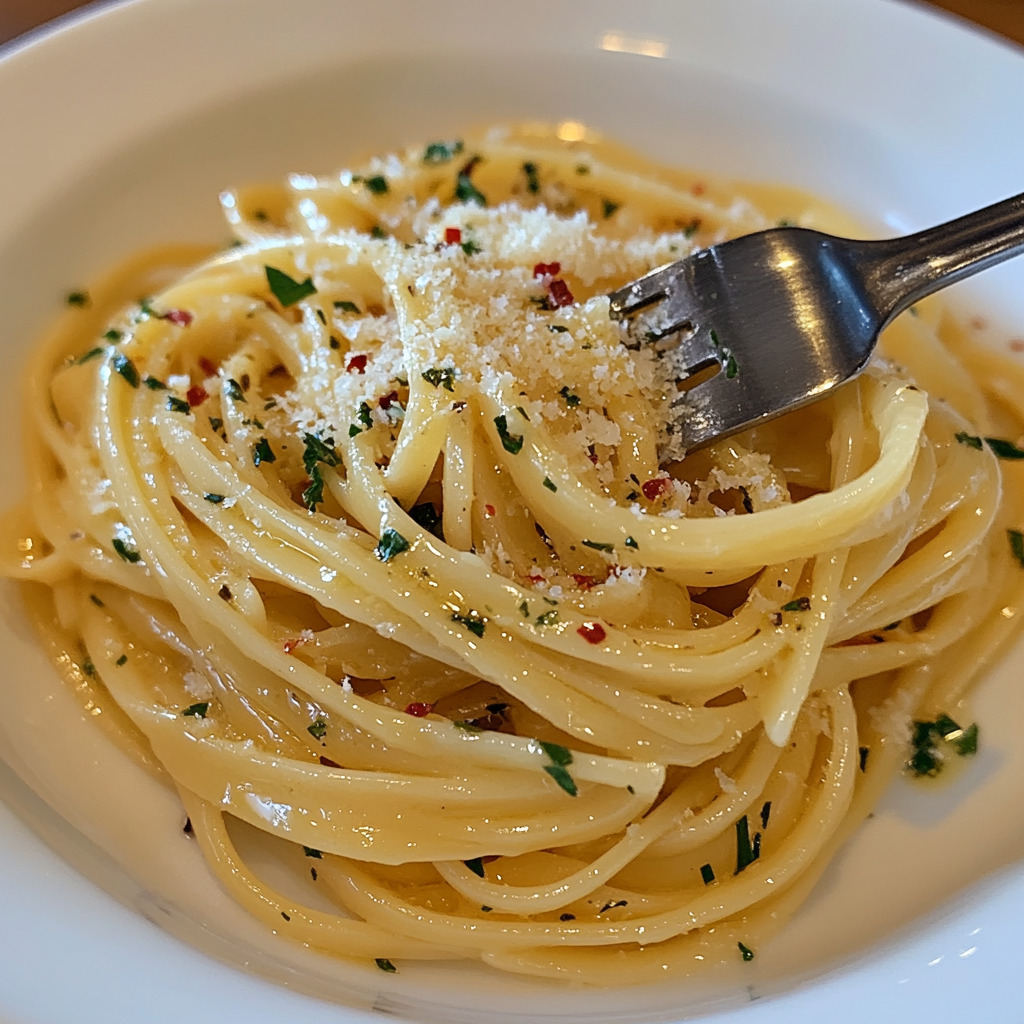
Silky olive oil infused with gently toasted garlic and red pepper flakes coats each strand of pasta, while starchy pasta water and Parmigiano Reggiano form a light, glossy sauce.
Finished with fresh lemon and parsley, this dish is elegant yet unfussy—proof that when technique meets quality ingredients, simplicity becomes unforgettable.
Why People Will Love Fettucine Aglio e Olio Recipe
Pure Italian Simplicity – With just a handful of pantry staples, this dish shows how classic Italian cooking turns simplicity into something deeply flavorful and satisfying.
Bold Garlic-Forward Flavor – Gently toasted garlic infused in olive oil delivers a rich, aromatic base that feels indulgent without being heavy.
Perfect Balance of Heat and Freshness – Crushed red pepper adds warmth, while fresh lemon juice brightens the dish and keeps it lively and well-balanced.
Silky, Emulsified Sauce – Starchy pasta water and Parmigiano Reggiano create a glossy, restaurant-quality sauce that clings beautifully to every strand of fettuccine.
Comforting Yet Light – Rich enough to feel comforting, yet light enough to enjoy any time of year without feeling weighed down.
Quick and Effortless – Ready in minutes, making it ideal for busy weeknights while still feeling elegant and intentional.
Ingredient-Driven Excellence – The recipe highlights the quality of olive oil, cheese, and pasta, allowing each ingredient to shine.
Highly Customizable – Easy to adapt with shrimp, anchovies, extra herbs, or more heat, depending on mood and occasion.
Universally Loved Flavor Profile – Savory, garlicky, and gently spicy flavors appeal to a wide range of palates.
Authentic and Timeless – A true classic that never goes out of style, offering comfort, tradition, and satisfaction in every bite.
Key Ingredients
Fettuccine Pasta – Wide, flat noodles provide the perfect surface for the silky olive-oil-based sauce to cling to, delivering rich flavor in every bite.
Extra-Virgin Olive Oil – The backbone of the dish, high-quality olive oil creates a smooth, luxurious base and carries the garlic and chili flavors throughout the pasta.
Fresh Garlic – Thinly sliced garlic gently toasted in olive oil releases deep aroma and savory sweetness, defining the soul of aglio e olio.
Crushed Red Pepper Flakes – Add a gentle, warming heat that contrasts beautifully with the richness of the oil without overpowering the dish.
Reserved Pasta Water – Starchy cooking water is essential for emulsifying the sauce, transforming oil and cheese into a cohesive, glossy coating.
Parmigiano Reggiano – Brings salty, nutty umami that rounds out the flavors and adds depth to the simple sauce.
Fresh Lemon Juice – A final splash of citrus lifts the richness and adds brightness, keeping the dish vibrant and balanced.
Fresh Parsley – Contributes freshness, color, and a subtle herbal note that lightens the overall profile.
Freshly Cracked Black Pepper – Adds aromatic warmth and gentle bite, enhancing the savory elements without dominating.
Salt (in Pasta Water) – Properly salted cooking water seasons the pasta from within, ensuring the dish tastes complete rather than flat.
Expert Tips:
Salt the Pasta Water Generously – Well-seasoned pasta water is crucial, as it’s the primary source of salt in this minimalist dish and ensures the pasta is flavorful from the inside out.
Slice Garlic Evenly and Thin – Uniform slices cook at the same rate, preventing some pieces from burning while others remain raw.
Cook Garlic Gently, Not Quickly – Keep the heat at medium or lower and stir constantly so the garlic turns lightly golden, not brown or bitter.
Add Chili Flakes Early for Infusion – Cooking red pepper flakes in the oil allows their heat to bloom evenly throughout the dish instead of hitting in sharp bursts.
Reserve Pasta Water Before Draining – Starchy pasta water is essential for emulsifying the sauce; without it, the oil will feel greasy rather than silky.
Toss Off the Heat When Adding Cheese – Remove the pan from direct heat before adding Parmigiano Reggiano to prevent clumping and ensure a smooth sauce.
Build the Sauce Gradually – Add pasta water in small amounts while tossing until the sauce coats the noodles evenly without pooling at the bottom.
Finish with Acid at the End – Stir in lemon juice after the sauce has formed to preserve its brightness and avoid dulling the flavor.
Serve Immediately – Aglio e olio is best enjoyed right away, when the sauce is perfectly emulsified and glossy.
Use High-Quality Ingredients – With so few components, the quality of the olive oil, cheese, and pasta makes a noticeable difference in the final result.
Fettucine Aglio e Olio
Ingredients:
1 lb. Fettucine
1/4 cup olive oil
6 – 8 garlic cloves, sliced
1/2 teaspoon crushed red pepper flakes
3/4 cup reserved pasta water
1/2 cup parmigiano reggiano, grated
1 lemon, juiced
1 tablespoon fresh parsley, minced
Freshly cracked black pepper, to taste
Instructions:
Bring a large pot of salted water to a boil. Add the fettuccine and cook until al dente according to package directions. Reserve about ¾ cup of the pasta cooking water before draining.
In the same pot or a large skillet, heat the olive oil over medium heat. Add the sliced garlic and crushed red pepper flakes. Sauté gently, stirring often, until the garlic becomes lightly golden and fragrant—be careful not to burn it.
Add the cooked fettuccine back into the pot along with the reserved pasta water and grated Parmigiano Reggiano.
Reduce the heat to low and toss everything together until the sauce emulsifies and coats the pasta evenly.
Finish by stirring in the fresh lemon juice, minced parsley, and a few cracks of black pepper.
Serve immediately, garnished with extra cheese or herbs if desired. Mangia!
Important Notes When Making Fettucine Aglio e Olio
This Dish Is All About Technique – With so few ingredients, careful control of heat and timing makes the difference between silky and greasy.
Garlic Burns Quickly – Once garlic turns dark, it becomes bitter. If it browns too fast, lower the heat immediately or start over for best flavor.
Oil-to-Pasta Balance Matters – Too much oil can make the dish heavy; too little prevents proper coating. Measure thoughtfully.
Pasta Water Is Non-Negotiable – It’s essential for emulsifying the sauce and achieving a cohesive, glossy texture.
Cheese Is Optional but Transformative – Traditional aglio e olio doesn’t always include cheese, but Parmigiano Reggiano adds depth and richness when used sparingly.
Lemon Is a Modern Enhancement – Lemon juice is not classic but adds freshness; adjust to taste so it complements rather than dominates.
Avoid High Heat After Adding Pasta – High heat can break the emulsion and cause the sauce to separate.
Serve Immediately for Best Texture – The sauce thickens and loses its sheen as it sits.
Ingredient Quality Is Crucial – Since flavors aren’t masked, poor olive oil or cheese will be noticeable.
Simple Doesn’t Mean Bland – When executed correctly, the dish is layered, balanced, and deeply satisfying despite its simplicity.
How to Enjoy Fettuccine Aglio e Olio After Cooking
Serve Immediately While Glossy
Aglio e olio is at its absolute best right after cooking, when the sauce is fully emulsified and coats the pasta with a silky sheen.
Finish with Fresh Garnishes
Add extra grated Parmigiano Reggiano, a light sprinkle of parsley, or a pinch of red pepper flakes just before serving to enhance aroma and presentation.
Adjust Texture at the Table
If the pasta tightens slightly, loosen it with a splash of warm reserved pasta water and toss gently to restore its glossy texture.
Pair with Simple Sides
Serve alongside a crisp green salad, lightly dressed with lemon and olive oil, or warm crusty bread to balance the richness.
Enjoy with Complementary Drinks
Pair with a dry white wine like Pinot Grigio, Verdicchio, or Sauvignon Blanc, or enjoy with sparkling water and lemon for a clean contrast.
Savor the Simplicity
Take time to appreciate the balance of garlic, olive oil, heat, and citrus—this dish rewards slow, mindful eating.
Make It a Light Main or Elegant First Course
Serve smaller portions as a refined starter or larger bowls as a comforting main dish.
Customize at the Table
Offer optional toppings such as extra cheese, lemon wedges, or chili flakes so each person can adjust to taste.
Avoid Long Holding Times
This dish does not benefit from resting; extended sitting can cause the sauce to separate.
Enjoy Fresh, Not Reheated
While leftovers can be gently rewarmed, the texture and flavor are best when enjoyed immediately after cooking.
Nutrition Information
(Estimated, per serving)
Calories: 520–560 kcal | Total Fat: 24–27 g | Saturated Fat: 6–7 g | Monounsaturated Fat: 14–16 g | Polyunsaturated Fat: 2–3 g | Cholesterol: 20–25 mg | Sodium: 420–520 mg (depending on pasta water salting and cheese used) | Total Carbohydrates: 62–68 g | Dietary Fiber: 3–4 g | Sugars: 2–3 g | Protein: 14–16 g
Frequently Asked Questions:
Is Fettuccine Aglio e Olio an authentic Italian dish?
Yes. Aglio e olio is a classic Italian preparation rooted in simplicity—olive oil, garlic, and chili. Using fettuccine instead of spaghetti is a variation, but the technique and flavor profile remain authentically Italian.
Why does my sauce sometimes feel oily instead of silky?
This usually happens when there isn’t enough starchy pasta water or when the pasta isn’t tossed long enough. Proper emulsification—oil, pasta water, and cheese binding together—is key to a glossy sauce.
Can I make this dish without cheese?
Absolutely. Traditional aglio e olio often contains no cheese. Parmigiano Reggiano is optional and adds richness, but the dish is still delicious without it.
How spicy is this recipe?
It’s mildly spicy. The crushed red pepper flakes provide gentle warmth rather than intense heat, and you can easily adjust the amount to suit your preference.
Can I add protein or vegetables to this dish?
Yes. Shrimp, sautéed mushrooms, spinach, or anchovies pair well with aglio e olio. Just keep additions minimal so they don’t overpower the dish’s simplicity.
Why should the garlic be sliced instead of minced?
Sliced garlic cooks more evenly and infuses the olive oil gently. Minced garlic releases flavor too quickly and is more likely to burn, which can make the dish bitter.
When should I add the pasta to the oil?
Add the pasta after the garlic turns lightly golden and fragrant. This timing ensures the oil is fully infused without risking burnt garlic.
How much pasta water should I actually use?
Start with a small splash and add more as needed while tossing. The goal is a light, glossy sauce that coats the pasta without pooling.
Should the heat be on or off when adding cheese?
Lower the heat or remove the pan from direct heat before adding Parmigiano Reggiano. High heat can cause the cheese to clump instead of melting smoothly.
Can I prepare any part of this dish in advance?
You can slice the garlic and measure ingredients ahead of time, but the cooking should be done just before serving to preserve texture and flavor.