Homemade Flour Tortillas
Homemade flour tortillas are one of those foundational recipes that transform simple ingredients into something deeply comforting and essential.
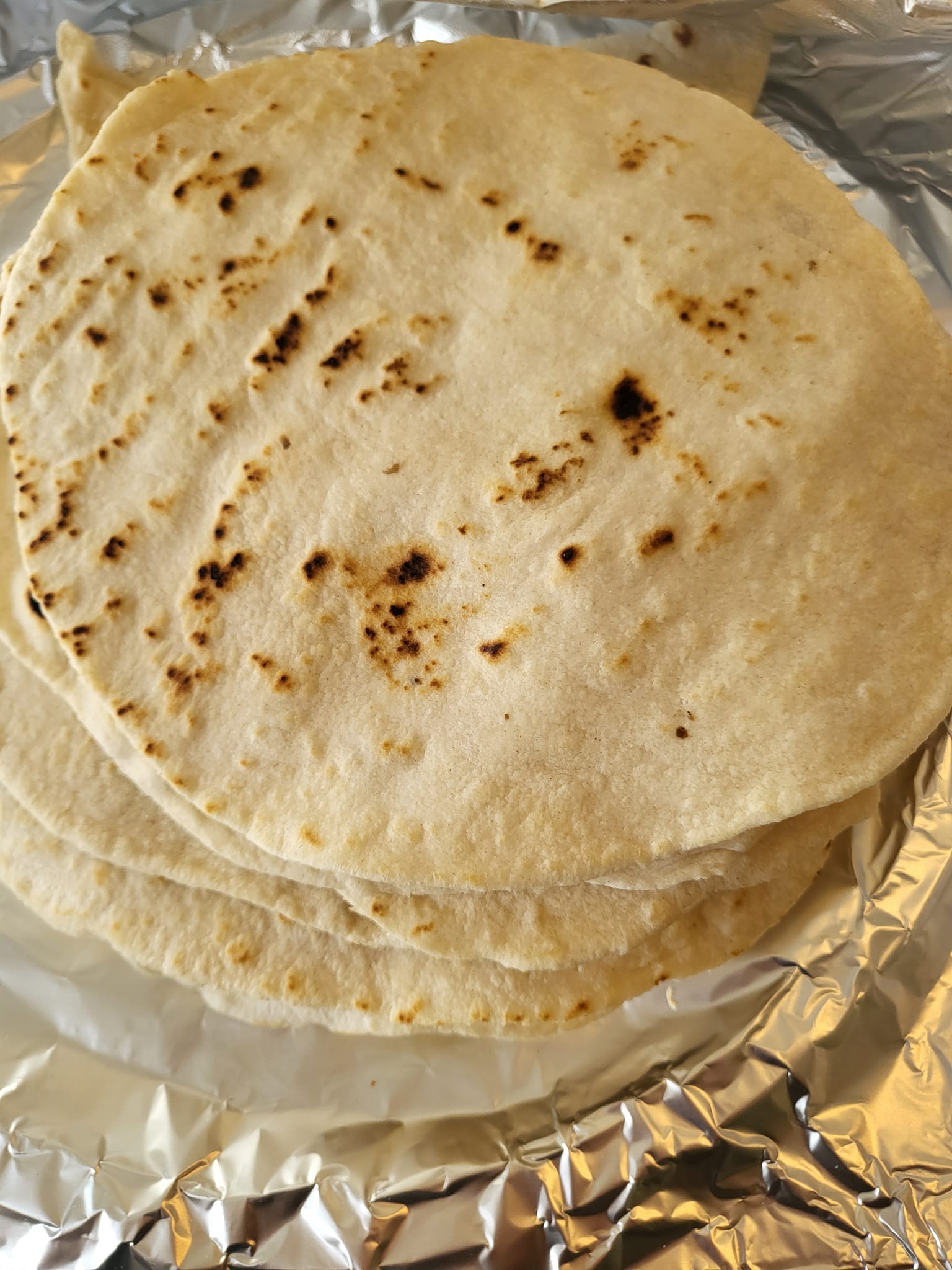
Soft, warm, and slightly chewy, they carry a subtle richness that store-bought versions can never quite replicate. Each tortilla feels alive—puffing gently on the griddle, developing golden spots, and releasing that unmistakable aroma of fresh bread.
What makes them truly special is the connection they create between process and result. From kneading the dough to watching each tortilla bubble and cook, every step adds to the experience. Whether used for tacos, wraps, or enjoyed on their own, these tortillas bring a sense of warmth, tradition, and authenticity to any meal.
Why People Will Love Homemade Flour Tortillas
Unmatched freshness and aroma
Nothing compares to tortillas made right off the griddle—warm, soft, and filled with that fresh-baked smell that instantly elevates any meal.
Soft, pliable, and perfectly chewy texture
Homemade tortillas have a tenderness and flexibility that store-bought versions rarely achieve, making them ideal for wrapping without tearing.
Simple ingredients, powerful results
With just a few pantry staples, you create something deeply satisfying—proving that great food doesn’t need complexity.
Rich, comforting flavor
The combination of flour, shortening, and gentle cooking creates a subtle richness that pairs beautifully with both savory and sweet fillings.
Versatile for countless dishes
From tacos and burritos to wraps and quesadillas, these tortillas adapt effortlessly to any meal or cuisine.
A rewarding hands-on experience
The process—mixing, kneading, rolling, and cooking—creates a deeper connection to the food, making the final result even more satisfying.
Better than store-bought in every way
No preservatives, no artificial taste—just pure, homemade quality with superior texture and flavor.
Customizable to your preference
You can adjust thickness, size, or even swap fats (like butter or lard) to suit your taste and dietary needs.
Perfect balance of softness and slight crispness
When cooked properly, they develop light golden spots and a gentle crispness on the outside while staying soft inside.
Brings warmth and tradition to the table
Making tortillas is a timeless practice that adds a sense of authenticity, comfort, and cultural connection to your cooking.
Key Ingredients:
All-Purpose Flour (4 cups)
The structural foundation of the tortillas. Flour provides the gluten network that gives tortillas their soft, flexible, and slightly chewy texture—strong enough to hold fillings, yet tender enough to fold easily.
Salt (1 teaspoon)
A small but essential ingredient. Salt enhances the natural flavor of the dough and prevents the tortillas from tasting flat or bland.
Baking Powder (1 teaspoon)
This is what gives tortillas their lightness. It creates small air pockets during cooking, helping the tortillas puff slightly and stay soft instead of dense.
Vegetable Shortening (1 cup)
The key to softness and richness. Shortening coats the flour, limiting gluten development and creating a tender, almost melt-in-your-mouth texture. It also helps keep tortillas pliable even after cooling.
Warm Water (1 cup)
Activates the dough and brings everything together. Warm water helps hydrate the flour evenly, making the dough easier to knead and resulting in a smoother, more elastic texture.
Balance Between Fat and Flour
The ratio of shortening to flour is what defines the tortilla’s softness. Too little fat = tough tortillas; too much = overly greasy. This balance is what creates that perfect tender bite.
Dough Resting Time (Hidden Ingredient)
While not a physical ingredient, resting is crucial. It relaxes the gluten, making the dough easier to roll out thin and resulting in softer, more flexible tortillas.
Expert Tips:
Fully incorporate the fat into the flour first
Rub or mix the shortening into the dry ingredients until the texture resembles coarse crumbs. This step is key for tender tortillas—it coats the flour and prevents toughness.
Add water gradually and feel the dough
Don’t pour all the water at once. Add slowly until the dough is soft, smooth, and slightly tacky—not sticky. The feel matters more than exact measurement.
Knead just enough—don’t overdo it
Knead until the dough is smooth and elastic (about 5–7 minutes). Overkneading can make tortillas tough instead of soft.
Rest the dough properly (non-negotiable step)
Letting the dough rest for at least 1 hour relaxes the gluten. This makes rolling easier and results in softer, more pliable tortillas.
Keep dough covered at all times
Dough dries out quickly. Use a Ziploc bag or damp cloth to prevent a dry surface, which can lead to cracking when rolling.
Roll evenly and thin for best texture
Aim for thin, even circles. Uneven thickness causes some areas to burn while others stay undercooked.
Use minimal flour when rolling
Too much extra flour can make tortillas dry and dusty. Use just enough to prevent sticking.
Preheat the griddle until very hot
A properly heated surface is crucial. If it’s not hot enough, tortillas won’t puff or develop those signature golden spots.
Watch for bubbles as your cue to flip
When bubbles form on the surface, it’s time to turn. This ensures even cooking and helps create that soft, layered texture.
Don’t overcook—keep them soft
Cooking too long makes tortillas stiff and dry. Each side usually needs only about 30–60 seconds.
Stack and cover immediately after cooking
Place cooked tortillas in a towel-lined container. The trapped steam keeps them soft and flexible.
Adjust heat as you go
If tortillas brown too quickly, lower the heat slightly. If they stay pale, increase it. Consistent heat gives the best results.
Practice improves shape and texture
The first few may not be perfect—and that’s normal. With practice, rolling and cooking become faster and more consistent.
Use them fresh for the best experience
Tortillas are at their peak right after cooking—warm, soft, and full of flavor.
Homemade Flour Tortillas
Ingredients:
4 cups of all-purpose flour
1 tsp of salt
1tsp of baking powder
1 cup of vegetable shortening
1 cup of warm water
Instructions:
1. Mix all dry ingredients
2. Add vegetable shortening and mix well with dry ingredients
3. Add warm water until you get a dough consistency
4. Let it rest inside a Ziploc bag for at least 1 hour before making them.
5. After resting them form small balls and extend and cook on a griddle.
Turn when you see bubbles.
Enjoy !!
Important Notes When Making Homemade Flour Tortillas:
Dough hydration determines softness
The dough should be soft and slightly tacky. Too dry → tortillas turn stiff and crack. Too wet → hard to roll and may stick excessively.
Resting time is essential, not optional
Resting relaxes gluten, making the dough easier to roll and preventing shrink-back. Skipping this step results in tough, elastic tortillas.
Fat distribution affects tenderness
Shortening must be fully mixed into the flour. Poor incorporation leads to uneven texture—some parts soft, others tough.
Heat level controls texture and puffing
A properly hot griddle creates steam inside the tortilla, causing it to puff. Low heat = flat, dense tortillas; too high = burned outside, raw inside.
Thinness directly impacts quality
Thicker tortillas can feel doughy and heavy. Rolling thin and even ensures a soft, flexible result with light golden spots.
Cooking time should be short and precise
Overcooking dries them out quickly. Tortillas should remain soft with light browning, not crispy unless intentionally desired.
Steam retention keeps tortillas soft
Stacking and covering tortillas right after cooking traps steam, which softens them further and keeps them pliable.
Surface dryness can ruin rolling
If dough balls are exposed to air, they form a dry skin that cracks when rolled. Always keep them covered.
Ingredient ratios are critical
The balance of flour, fat, and water defines the final texture. Changing ratios significantly can alter softness and flavor.
They continue to soften after cooking
Fresh off the griddle, tortillas may feel slightly firm. As they rest stacked, steam redistributes moisture, making them softer.
Flavor is subtle but important
Tortillas are not strongly seasoned, so even small adjustments in salt or fat can noticeably affect taste.
Best enjoyed fresh, but can be stored properly
While best right away, they can be stored and reheated. Improper storage (exposed to air) will dry them out quickly.
Practice improves consistency
Shape, thickness, and cooking timing improve with repetition. Small adjustments lead to noticeably better tortillas.
Environmental factors matter
Humidity and room temperature can affect dough feel. Be ready to adjust flour or water slightly based on conditions.
How to Enjoy Homemade Flour Tortillas After Cooking:
Keep them warm immediately after cooking
Stack tortillas and wrap them in a clean towel or cloth. This traps steam and keeps them soft, flexible, and ready to use.
Enjoy them fresh for the best experience
Fresh off the griddle is when tortillas shine—warm, slightly puffy, and full of subtle flavor. This is their peak texture and taste.
Taste one plain first
Before adding fillings, try one on its own. This lets you appreciate the softness, light chew, and delicate richness.
Add simple toppings for a classic touch
Spread a little butter, drizzle honey, or sprinkle salt. These simple additions highlight the tortilla’s natural flavor.
Use them as a base for tacos and wraps
Fill with meats, beans, vegetables, or cheese. Their softness and flexibility make them perfect for holding fillings without breaking.
Make quesadillas for a quick upgrade
Add cheese (and optional fillings), fold, and toast on a pan until golden and melted—crispy outside, gooey inside.
Reheat properly for later use
Warm tortillas on a dry skillet or microwave wrapped in a damp towel. This restores softness and prevents dryness.
Pair with dips and sauces
Enjoy with salsa, guacamole, or creamy dips. The neutral flavor of tortillas makes them a perfect companion.
Store correctly to maintain quality
Keep in an airtight container or wrapped tightly. This prevents them from drying out and preserves their softness.
Use leftovers creatively
Turn them into chips, wraps, or even dessert-style treats with cinnamon and sugar.
Serve as part of a shared meal
Place a stack in the center of the table and let everyone build their own tacos—creating an interactive, communal dining experience.
Enjoy the texture contrast intentionally
Combine soft tortillas with crispy or juicy fillings for a more satisfying bite.
Slightly toast for variation
If you prefer, lightly toast tortillas for a subtle crispness while still keeping the inside soft.
Savor the warmth and simplicity
Sometimes the best way to enjoy them is the simplest—warm, soft, and made by hand.
Nutrition Information:
YIELDS: 12 | SERVING SIZE: 1
Calories: 150 | Total Fat: 7 grams | Saturated Fat: 2 grams | Trans Fat: 0 grams | Cholesterol: 0 milligrams | Sodium: 150 milligrams | Total Carbohydrates: 19 grams | Dietary Fiber: 1 grams | Sugars: 0 grams | Protein: 2 grams
Frequently Asked Questions:
Can I use a different type of flour, such as whole wheat flour, instead of all-purpose flour?
Yes, you can experiment with different types of flour, but keep in mind that it may affect the texture and taste of the tortillas.
Whole wheat flour will yield denser tortillas compared to all-purpose flour.
Can I substitute vegetable shortening with another type of fat?
Yes, you can use alternatives like lard or butter, but it will affect the flavor and texture of the tortillas.
Vegetable shortening provides a neutral flavor and helps create a tender texture.
How long should I rest the dough in the Ziploc bag?
It is recommended to let the dough rest for at least 1 hour.
This resting time allows the gluten in the dough to relax, making it easier to roll out the tortillas and resulting in a softer texture.
Can I make the dough in advance and refrigerate it overnight?
Yes, you can prepare the dough ahead of time and refrigerate it overnight.
Just make sure to bring it to room temperature before shaping and cooking the tortillas.
Can I cook the tortillas on a stovetop without a griddle?
Yes, if you don’t have a griddle, you can use a flat non-stick pan or skillet instead.
Heat it over medium-high heat and cook the tortillas as directed, flipping them when you see bubbles and cooking until lightly browned.
Can I use a different type of fat instead of vegetable shortening?
Yes, you can use alternatives such as lard, butter, or even coconut oil.
However, keep in mind that the choice of fat will affect the flavor and texture of the tortillas.
Can I substitute all-purpose flour with a gluten-free flour?
Yes, you can use a gluten-free flour blend as a substitute for all-purpose flour.
However, gluten-free flours often have different properties, so the texture and taste of the tortillas may vary.
How do I prevent the tortillas from sticking to the griddle or pan?
To prevent sticking, make sure your griddle or pan is properly preheated before cooking the tortillas.
You can also lightly grease the cooking surface or use a non-stick pan.
Can I freeze the homemade tortillas?
Yes, you can freeze the homemade tortillas.
Place them in a freezer-safe bag or container with layers of parchment paper in between to prevent sticking.
Thaw them before use, either at room temperature or by gently heating them on a griddle or in a microwave.
How do I store the leftover tortillas?
To store leftover tortillas, let them cool completely, then place them in an airtight container or resealable bag.
They can be stored at room temperature for a day or two, or in the refrigerator for up to a week.