Cranberry Christmas Cake
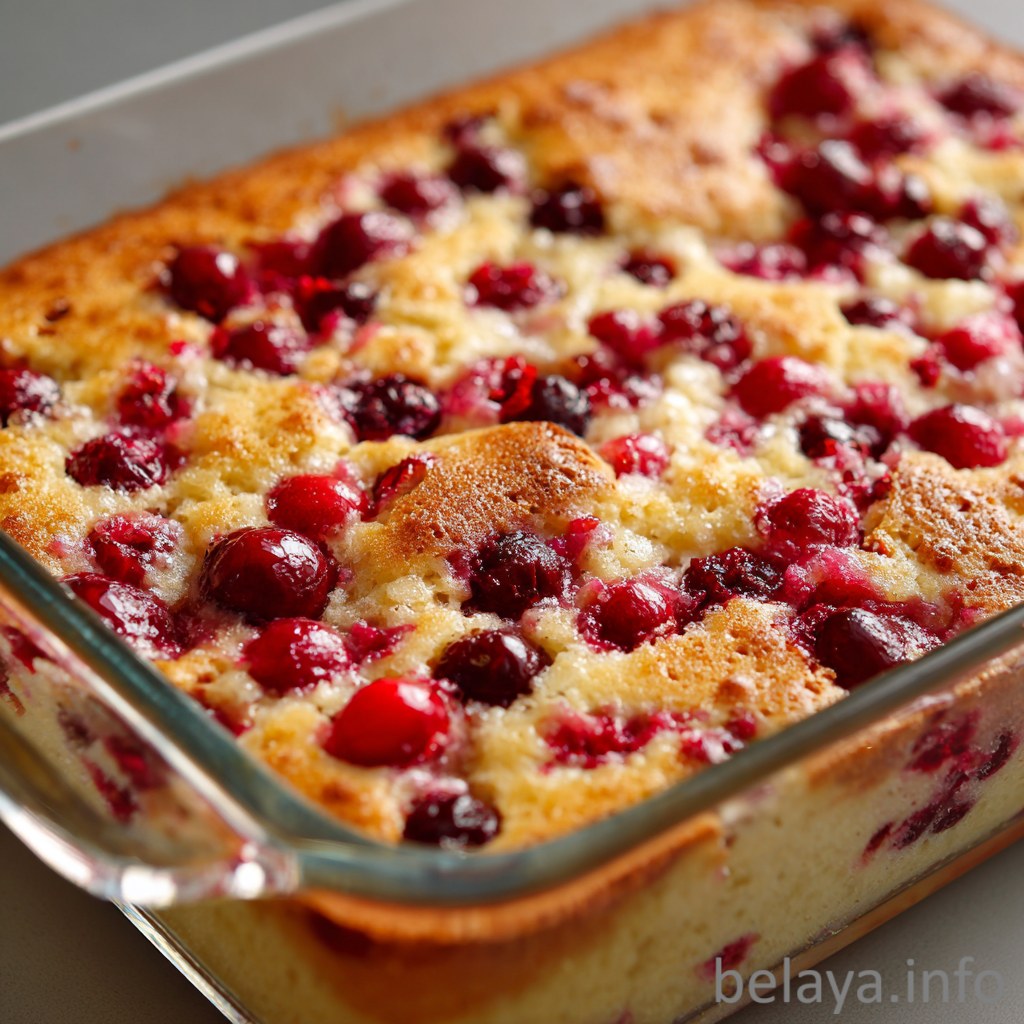
Cranberry Christmas Cake is the kind of holiday dessert that feels like warmth wrapped in sweetness—a simple, rustic cake brought to life by the bright, tart pop of fresh cranberries.
Its tender crumb, golden top, and jewel-like bursts of fruit capture the very essence of the season: cozy, celebratory, and beautifully nostalgic.
With every slice, you get a balance of sweetness and sparkle that makes this cake a cherished favorite for gatherings, gifting, or slow winter mornings by the tree. It’s a festive classic that brings comfort, joy, and a touch of holiday magic to every table.
Why People Will Love Cranberry Christmas Cake Recipe
A perfect balance of sweet and tart — The brightness of fresh cranberries cuts through the sweetness of the cake, creating a flavor contrast that feels refreshing, lively, and festive.
Beautiful simplicity — With just a handful of pantry ingredients, this cake delivers impressive results without complexity, making it approachable for any home baker.
Holiday warmth in every bite — The tender crumb, golden edges, and bursts of cranberry evoke the comforting flavors and nostalgic aromas of the Christmas season.
Natural, vibrant colors — The cranberries bake into ruby-red jewels throughout the cake, giving each slice a stunning, festive appearance without the need for frosting or decoration.
Perfect for gatherings and gifting — Easy to transport, slice, and share, this cake makes a lovely addition to holiday brunches, potlucks, and homemade gift baskets.
A crowd-pleaser across generations — Its rustic charm and familiar flavors appeal to kids, adults, and grandparents alike, making it a timeless holiday treat.
Delicious warm or chilled — Whether enjoyed fresh from the oven or cooled overnight, the cake’s texture and flavor remain deeply satisfying and comforting.
Key Ingredients:
Fresh Cranberries — The heart of the cake, offering bright, tart bursts of flavor that cut through the sweetness and create a festive sparkle in every bite. Their natural juiciness brings life and contrast to the soft crumb.
Eggs & Sugar — Whipped together until pale and airy, they form the structural foundation of the cake, giving it height, tenderness, and a delicate, melt-in-the-mouth texture.
Unsalted Butter — Softened and folded into the batter, it enriches the cake with a subtle richness and warmth, creating a velvety crumb that pairs perfectly with the acidity of the cranberries.
Vanilla Extract — A gentle aromatic note that rounds out the flavors and adds a soft, comforting sweetness to the cake’s base.
All-Purpose Flour — The simple, sturdy backbone that binds the ingredients together while maintaining a light and tender texture, allowing the cranberries to shine.
Expert Tips:
Take your time whipping the eggs and sugar
This step is the soul of the cake. Whipping until pale and thick incorporates essential air, giving the cake its height and delicate crumb. Rushing this part will result in a denser, flatter texture, so be patient and let the mixture truly double in volume.
Use room-temperature eggs for optimal lift
Cold eggs don’t whip as well and can prevent the batter from reaching the airy consistency needed. Room-temperature eggs blend more smoothly and hold air better, creating a softer and lighter cake.
Fold the flour gently to protect the aeration
After all the work of whipping the eggs, overmixing the flour can deflate the batter. Add the flour gradually and fold just until the streaks disappear. A light hand here preserves the cake’s tenderness.
Let the cranberries shine—don’t chop them
Whole cranberries burst naturally during baking, creating pockets of tart juice that balance the sweetness. Chopping them causes uneven moisture and can muddy the crumb.
Distribute the cranberries evenly for balanced flavor
Stir the berries in slowly and intentionally. Even distribution ensures every slice has the right balance of tangy fruit and sweet cake without heavy pockets sinking to the bottom.
Avoid overbaking for the perfect texture
This cake transforms quickly in the oven. Pull it as soon as the center tests clean and the top is lightly golden. Overbaking will dry the crumb and mute the contrast between sweet and tart.
Allow the cake to cool completely before slicing
Cooling sets the crumb and allows the cranberries to firm up inside the cake. It also enhances the flavor, making each slice cleaner, softer, and more balanced.
Cranberry Christmas Cake
Ingredients
3 large eggs, at room temperature
2 cups granulated sugar
3/4 cup unsalted butter, softened and cut into small pieces
1 teaspoon vanilla extract
2 cups all-purpose flour
One 12-ounce bag of fresh cranberries, rinsed and drained
Instructions
Grease or spray a 13″x9″ baking pan.
Preheat the oven to 350°F (175°C).
In a stand mixer, beat the eggs and sugar together for 5–7 minutes, or until the mixture becomes pale, slightly thickened, and nearly doubles in volume. Take your time—this step creates the cake’s lift.
Add the butter and vanilla, then continue mixing for another 2 minutes.
Gradually add the flour and mix just until it’s fully incorporated. Avoid overmixing.
Add the cranberries and stir until evenly distributed. You can use the stand mixer for this part as well; the berries will break down a bit while baking.
Transfer the thick batter into the prepared pan and gently spread it into an even layer.
Bake for 40–50 minutes, or until the top is light golden and a toothpick inserted in the center comes out clean.
Allow the cake to cool completely before slicing and serving.
Important Notes When Making Cranberry Christmas Cake
The texture of the batter depends entirely on the egg-sugar whip
This cake has no chemical leaveners—its rise comes only from the air incorporated into the eggs. If the mixture is not whipped long enough, the cake will be dense. If whipped properly, the batter should look pale, thick, and ribbon-like before adding butter.
Fresh cranberries bring natural moisture and acidity
Because cranberries burst as they bake, they release just enough tart juice to keep the crumb moist. Using frozen cranberries is fine, but do not thaw them—they will bleed color and water into the batter.
Softened butter—not melted—is essential
Melted butter will deflate the batter and make the cake heavy. Butter should be soft enough to blend smoothly, yet firm enough to maintain structure as it emulsifies with the aerated eggs.
Even mixing matters more than perfect folding
While you must avoid overmixing, dry flour streaks will create tough pockets in the finished cake. Mix until just combined, ensuring the batter stays airy but cohesive.
Use a light-colored metal pan for best results
Dark pans brown the cake too quickly and can leave the center underbaked. A light metal pan ensures even baking and a tender crumb from edge to center.
Letting the cake cool completely improves flavor and sliceability
As the cake rests, the crumb sets, the cranberries firm up, and the sweetness becomes more balanced. Cutting too early can cause the cake to crumble and release juice.
Sweetness level depends on cranberry tartness
Fresh cranberries vary: some are mild, some sharply tart. Extremely tart berries will create a more vibrant flavor contrast. If you prefer a sweeter cake, serve with powdered sugar or vanilla glaze rather than adjusting the batter.
How to Enjoy Cranberry Christmas Cake After Cooking
Allow the cake to cool fully before cutting
This cake transforms as it cools—the crumb settles, the cranberries firm slightly, and the flavors deepen into a perfect balance of sweet and tart. Waiting for it to cool enhances both texture and taste, giving you clean, beautiful slices.
Enjoy it at room temperature for the most balanced flavor
Once cooled, the cake becomes tender, moist, and perfectly sweetened. The cranberries’ natural brightness shines through, creating a delightful contrast in every bite.
For a cozy experience, warm each slice gently
A brief reheat in the microwave or a warm oven softens the crumb and intensifies the aroma of vanilla and butter. The cranberries become warm and juicy again—just enough to evoke the comfort of a fresh-baked holiday treat.
Add a festive finishing touch
Dust with powdered sugar to mimic freshly fallen snow, or pair with whipped cream, vanilla ice cream, or a dollop of mascarpone for extra richness. These additions enhance the cake without overpowering its natural charm.
Pair it with a holiday beverage
A slice of this cake is even more memorable with a warm drink:
- spiced tea
- cinnamon hot chocolate
- mulled wine
- a simple cup of coffee
The warmth complements the tart cranberries and buttery crumb beautifully.
Serve it as part of a holiday spread
This cake sits effortlessly among holiday cookies, fruit, pastries, and cheeses. Its bright ruby cranberries and golden top make it a stunning centerpiece on a dessert table.
Savor the contrast in every bite
Notice the interplay between soft cake, crisp golden edges, and bursts of tart cranberry. Eating slowly brings out the full sensory pleasure of the dessert—especially its balance of brightness and comfort.
Enjoy it over several days
This cake keeps well, becoming even more flavorful the next day as the cranberries meld into the crumb. Enjoying it again—warm or chilled—allows you to appreciate how the flavors evolve over time.
Nutrition Information:
For one slice of Cranberry Christmas Cake (assuming the recipe makes 12 slices).
Calories: 296 kcal | Total Fat: 12.8 g | Saturated Fat: 7.9 g | Monounsaturated Fat: 3.1 g | Polyunsaturated Fat: 0.7 g | Cholesterol: 78 mg | Sodium: 39–55 mg (depending on butter brand) | Total Carbohydrates: 43.9 g | Dietary Fiber: 1.6 g | Sugars: 30.2 g | Protein: 3.7 g
Frequently Asked Questions
Can I use frozen cranberries instead of fresh ones?
Yes. Frozen cranberries work well—use them straight from the freezer without thawing. Thawing releases excess moisture and may discolor the batter. Baking time remains the same.
Why did my cake turn out dense instead of light and fluffy?
This cake relies entirely on the aeration of the eggs and sugar for lift. If the mixture wasn’t beaten long enough, or if the flour was overmixed, the batter can deflate. Whip the eggs for the full 5–7 minutes and fold the flour in gently to maintain air.
Can I reduce the sugar in the recipe?
You can reduce the sugar by up to 25% without affecting the structure of the cake. However, keep in mind that cranberries are very tart, so reducing sugar too much will significantly change the flavor balance.
How do I know when the cake is fully baked?
The top should be lightly golden, and a toothpick inserted in the center should come out clean or with a few moist crumbs. Overbaking can dry out the cake, so start checking around the 40-minute mark.
Can I make this cake ahead of time?
Absolutely. This cake keeps beautifully and can even taste better the next day as the cranberry juices settle into the crumb. Store it tightly covered at room temperature for up to 2 days or refrigerate for longer freshness.
Why is it important to beat the eggs and sugar for a full 5–7 minutes?
Because this cake has no baking powder or soda, all of its lift comes from the air whipped into the eggs. Beating until pale, thick, and doubled in volume creates the structure and softness of the cake. Cutting this step short will result in a dense, flat texture.
Should the butter be fully melted or just softened before adding it to the batter?
The butter should be softened, never melted. Melted butter deflates the whipped eggs and collapses the batter, while softened butter blends slowly and evenly, preserving the cake’s delicate structure and helping create a velvety crumb.
How do I keep the cranberries from sinking to the bottom of the cake?
Because the batter is thick and well-aerated, the cranberries naturally distribute well. However, gently folding them in after the flour is incorporated helps maintain even placement. Avoid overmixing, as that can thin the batter and cause sinking.
Can I use a hand mixer instead of a stand mixer?
Yes, but it will require more time and patience. The egg–sugar mixture needs to reach a thick, ribbon-like stage, and a hand mixer may take several minutes longer. Watch the texture, not the clock.
Why does my batter become deflated when I add the flour?
This usually happens when the flour is added too quickly or mixed too aggressively. Add the flour in small increments and fold gently with a spatula. The goal is to preserve as much air as possible while incorporating the dry ingredients just until smooth.