Broccoli Cheddar Pastina
Broccoli Cheddar Pastina is the kind of dish that feels like pure comfort—soft, creamy, and deeply soothing with every spoonful. It takes the simplicity of tiny pasta and elevates it with rich cheese, tender vegetables, and a velvety broth that wraps everything together.
What makes this recipe special is its gentle balance of flavors and textures. The pastina becomes luxuriously soft as it absorbs the broth, while the broccoli adds freshness and the cheddar brings a bold, creamy richness. Each bite feels warm, nourishing, and incredibly satisfying.
This is more than just a quick meal—it’s a cozy, almost nostalgic dish that brings comfort in the simplest way, perfect for quiet evenings or whenever you need something warm and reassuring.
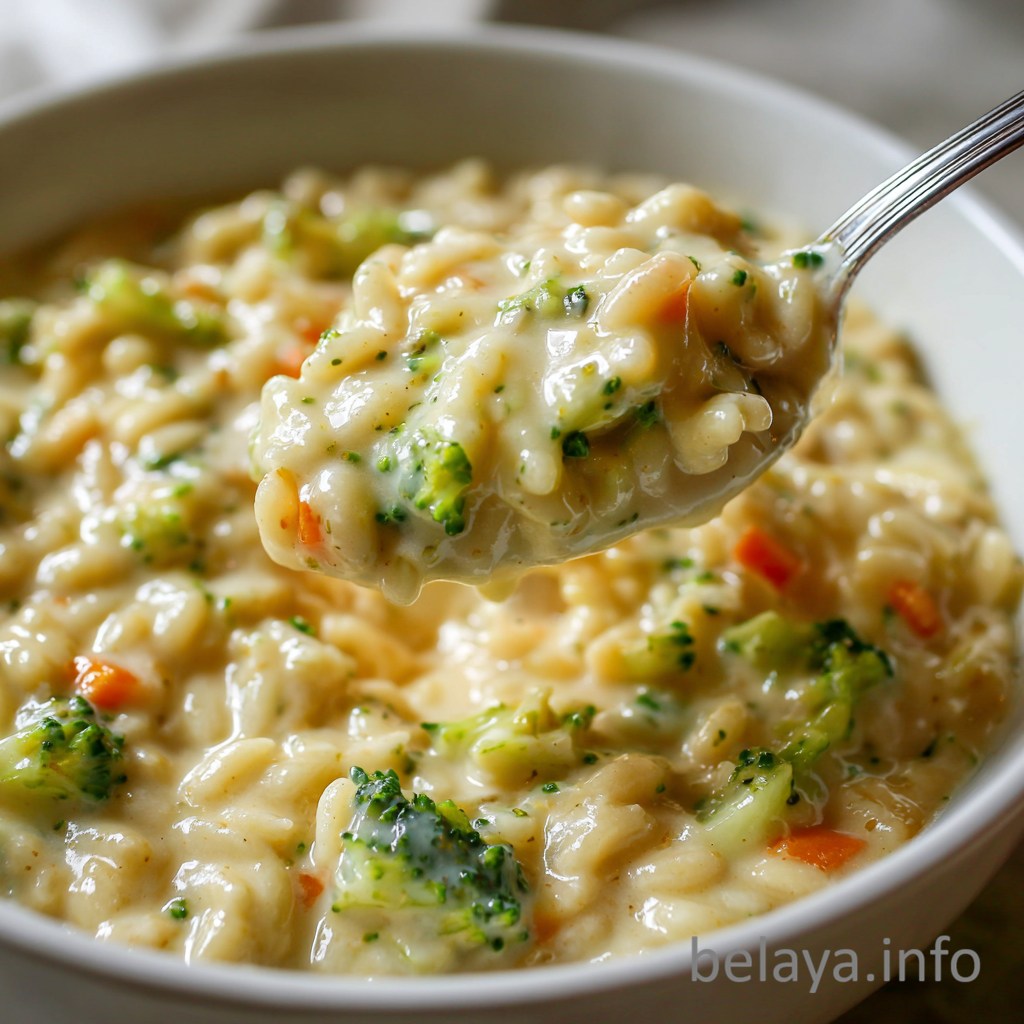
Why People Will Love This Broccoli Cheddar Pastina
Ultra-Comforting, Spoonable Texture
The tiny pastina cooks into a soft, almost creamy consistency that feels soothing and easy to eat—like a warm hug in a bowl.
Rich, Creamy Cheese Flavor
Sharp cheddar and pecorino create a deep, savory richness with just the right amount of tang and saltiness, making every bite indulgent yet balanced.
Nutritious Comfort Food
The addition of broccoli and carrots brings freshness, color, and nutrients, turning a simple pasta dish into something more wholesome and complete.
One-Pot Simplicity with Layered Flavor
Everything cooks in one pan, allowing the pasta to absorb the broth and aromatics. This builds a depth of flavor that feels far more complex than the effort required.
Balanced Between Light and Indulgent
While creamy and cheesy, the vegetables and broth keep the dish from feeling too heavy, creating a perfect middle ground.
Quick Yet Satisfying
It comes together relatively fast, making it ideal for busy days when you still want something warm, homemade, and comforting.
Family-Friendly and Easy to Love
Its mild, creamy flavor appeals to all ages—kids love the softness and cheese, while adults appreciate the depth and balance.
Customizable to Taste
You can adjust the cheese, add protein, or change the vegetables, making it flexible without losing its comforting core.
Perfect for Cozy Moments
Whether it’s a quiet night in or a cold day, this dish delivers warmth and emotional comfort that goes beyond just eating.
Gentle, Nourishing Feel
It’s easy on the stomach yet deeply satisfying—ideal when you want something calming, restorative, and filling at the same time.
Simple Ingredients, Elevated Result
Everyday pantry items come together to create a dish that feels thoughtful, rich, and comforting without being complicated.
Key Ingredients
Pastina (Acini di Pepe) – The Creamy Foundation
These tiny pasta grains cook quickly and absorb liquid like a sponge, creating a naturally creamy, almost risotto-like texture without needing heavy techniques.
Broccoli – Freshness and Gentle Bite
Finely chopped broccoli melts slightly into the dish as it cooks, adding a subtle vegetal sweetness and balancing the richness of the cheese.
Sharp Cheddar – Bold, Creamy Depth
Cheddar provides the main flavor impact—rich, slightly tangy, and deeply savory. It melts into the broth to form a smooth, comforting sauce.
Pecorino Romano / Parmesan – Salty Umami Boost
These aged cheeses add complexity and a salty, nutty finish that enhances the cheddar without overpowering it.
Carrot – Natural Sweetness and Color
Finely diced carrot softens into the base, adding a gentle sweetness that balances the savory and cheesy elements.
Onion & Garlic – Aromatic Backbone
Sautéed together in butter, they create the first layer of flavor—warm, slightly sweet, and deeply aromatic.
Butter – Flavor Carrier
Butter helps develop richness at the start, allowing the aromatics to cook gently while adding a subtle creamy undertone.
Broth (Chicken or Vegetable) – The Cooking Medium
Instead of plain water, broth infuses the pasta with savory depth, turning every grain into a flavor-packed bite.
White Wine – Subtle Brightness
A small splash of wine adds acidity and complexity, lifting the richness and giving the dish a more refined balance.
Heavy Cream – Velvety Finish
Cream smooths everything out, enhancing the silky texture and making the sauce feel luxurious without being overwhelming.
Salt & Black Pepper – Final Balance
These bring all the flavors into focus, ensuring the dish tastes complete and well-rounded.
Expert Tips:
Build Flavor Slowly with the Aromatics
Don’t rush the onion, carrot, and garlic. Let them soften gently in butter until fragrant and slightly sweet—this creates a deeper base that carries through the entire dish.
Treat the Pastina Like Risotto
Stir the pastina as it cooks in the broth. This releases starch and creates a naturally creamy texture without needing excess cream.
Control Liquid for the Perfect Consistency
Add broth gradually and adjust as needed. The goal is a loose, creamy texture—not dry, but not soupy. Pastina thickens quickly as it cooks.
Chop Broccoli Very Fine
Smaller pieces cook faster and blend seamlessly into the dish. This ensures even texture and prevents large chunks from disrupting the creamy consistency.
Let the Wine Reduce Properly
After adding wine, cook it briefly to evaporate the alcohol while keeping the acidity. This step adds subtle depth without overpowering the dish.
Add Cheese Slowly and Off High Heat
Lower the heat before adding cheese and incorporate it gradually. This prevents clumping or separation and ensures a smooth, velvety sauce.
Use Cream as a Finishing Touch, Not the Base
Add cream at the end to enhance texture, not dominate it. The cream should support the dish, not make it heavy.
Season in Layers, Then Adjust at the End
Lightly season as you cook, then taste and adjust once everything is combined. Cheese adds saltiness, so final seasoning is crucial.
Watch the Pasta Closely Near the End
Pastina cooks quickly and can go from perfect to overcooked in minutes. Stop when it’s just tender and creamy.
Keep Heat Gentle Once Thickened
After the dish reaches a creamy consistency, keep the heat low. High heat at this stage can cause the sauce to tighten or separate.
Loosen Before Serving if Needed
As it sits, pastina thickens. Add a splash of warm broth or water before serving to restore the creamy texture.
Finish with Extra Cheese for Depth
A final sprinkle of Parmesan or pecorino just before serving enhances aroma and adds a refined finishing layer.
Broccoli Cheddar Pastina
Ingredients
2 tablespoons butter (unsalted)
½ small yellow onion, finely diced
1 medium carrot, peeled and finely diced
2 garlic cloves, finely minced
1 cup pastina (such as acini di pepe)
¼ cup dry white wine
3 cups chicken or vegetable stock, plus extra if needed
2 cups broccoli florets, finely chopped
½ cup heavy whipping cream
1 ½ cups sharp cheddar cheese, shredded
¼ cup pecorino Romano or Parmesan cheese, finely grated
Kosher salt and freshly cracked black pepper, to taste
Instructions
In a large skillet set over medium heat, melt the butter until fully liquefied.
Add the chopped onion, carrot, and minced garlic. Sauté for about 5 minutes, stirring often, until the vegetables are softened and fragrant.
Stir in the pastina, then pour in the white wine. Cook while stirring continuously for about 1 minute, allowing the liquid to reduce slightly.
Add the broth, followed by the chopped broccoli. Increase the heat to medium-high and cook, stirring occasionally, until the pasta is tender (al dente) and most of the liquid has been absorbed.
Add extra broth or water if needed to maintain a creamy consistency.
Lower the heat to low. Stir in the heavy cream, then gradually add the cheeses a handful at a time, mixing well between each addition until melted and smooth.
Taste and season with salt and freshly ground black pepper as needed. Serve warm, topped with extra parmesan or pecorino Romano if desired.
Important Notes When Making Broccoli Cheddar Pastina
Pastina Texture Changes Quickly
This tiny pasta cooks very fast and continues absorbing liquid even after heat is off. What looks perfectly creamy in the pot can become thick within minutes—timing is crucial.
Consistency Is Meant to Be Loose and Creamy
This dish should not be dry like traditional pasta. It’s closer to a creamy, spoonable texture (almost like risotto). Add extra broth if it tightens too much.
Cheese Can Break if Overheated
Adding cheese over high heat can cause it to clump or turn grainy. Always lower the heat before incorporating cheese to keep the sauce smooth.
Broccoli Size Affects the Entire Texture
Large pieces can feel out of place in such a delicate dish. Finely chopping ensures it blends seamlessly and cooks evenly.
Cream Is Optional but Influential
The dish is naturally creamy from starch, but cream adds richness. Too much, however, can make it heavy—balance is key.
Salt Levels Can Sneak Up Quickly
Broth and cheese both contain salt. Taste before adding extra to avoid over-seasoning.
Heat Control Prevents Over-Thickening
Once the pasta is tender, keep the heat low. Continued high heat can dry out the mixture and reduce creaminess.
Resting Time Thickens the Dish
As it sits, the pastina absorbs more liquid. This is normal, but you may need to loosen it with broth before serving.
Reheating Requires Adjustment
Leftovers will be much thicker. Add broth or water when reheating to restore the original creamy texture.
This Is a Comfort Dish, Not a Structured Pasta
It’s meant to be soft, slightly loose, and spoonable—not firm or al dente like traditional pasta dishes.
Best Served Immediately
While still delicious later, the ideal texture and flavor are at their peak right after cooking.
How to Enjoy Broccoli Cheddar Pastina
Let It Rest Briefly (But Not Too Long)
After cooking, allow the pastina to sit for 2–3 minutes. This helps the sauce thicken slightly and settle, creating that perfect creamy texture.
Stir Before Serving to Restore Creaminess
Give it a gentle stir to redistribute the sauce. If it has thickened too much, add a splash of warm broth or water to loosen it.
Serve Warm and Creamy
The ideal texture is soft, silky, and spoonable—not stiff. Serving at the right temperature enhances both flavor and mouthfeel.
Finish with Extra Cheese for Flavor Boost
Sprinkle additional Parmesan or pecorino on top just before serving. This adds a fresh layer of salty, nutty flavor and enhances aroma.
Add Fresh Touches (Optional Upgrade)
A bit of fresh parsley, cracked black pepper, or a drizzle of olive oil can brighten the dish and balance its richness.
Pair with Simple Sides for Contrast
Serve with crusty bread, toast, or a light salad. The contrast between creamy pasta and crisp sides makes the meal more complete.
Enjoy Slowly to Appreciate Texture
Each spoonful offers soft pastina, tender broccoli, and creamy cheese. Take your time to enjoy the smooth, comforting consistency.
Pair with a Light Drink
Sparkling water, iced tea, or a light white wine pairs nicely, helping cut through the richness.
Serve Family-Style for Comfort
Bring the pot to the table and let everyone serve themselves. This dish naturally creates a warm, cozy dining atmosphere.
Best Enjoyed Fresh
The texture is at its peak right after cooking. While leftovers are still good, the dish is most luxurious when freshly made.
Reheat Gently for Leftovers
When reheating, add broth or water and warm slowly to bring back the creamy consistency.
Embrace the Comfort Factor
This dish is meant to soothe and satisfy. It’s not about presentation—it’s about warmth, simplicity, and that cozy feeling in every bite.
Nutrition Information:
YIELDS: about 4–5 servings
Serving size: roughly 1 to 1¼ cups per person
Calories: 360–420 kcal | Total Fat: 18–24 g | Saturated Fat: 10–14 g | Monounsaturated Fat: 5–7 g | Polyunsaturated Fat: 1–2 g | Cholesterol: 55–75 mg | Sodium: 650–900 mg (depending on broth and cheese) | Total Carbohydrates: 30–36 g | Dietary Fiber: 3–5 g | Sugars: 4–6 g | Protein: 14–18 g
Frequently Asked Questions:
Can I make this recipe without heavy cream?
Yes, and it will still be creamy.
The starch from the pastina naturally creates a creamy texture. The cream just adds extra richness, so you can omit it or replace it with milk for a lighter version.
What can I use instead of pastina?
Any small pasta works well.
If you can’t find pastina, use orzo, ditalini, or couscous. Just adjust cooking time slightly depending on the pasta size.
Can I add protein to make it more filling?
Absolutely.
Shredded chicken, cooked sausage, or even white beans can be added to turn this into a more complete, protein-rich meal.
Why did my pastina turn too thick after sitting?
It continues to absorb liquid.
This is normal. Simply add a splash of warm broth or water and stir to bring back the creamy consistency.
Can I use frozen broccoli instead of fresh?
Yes, with a small adjustment.
Frozen broccoli works well—just thaw and chop it finely. It may release a bit more water, so adjust liquid slightly if needed.
Why did my pastina turn out too thick or sticky?
It likely absorbed too much liquid.
Pastina cooks quickly and continues thickening as it sits. Keep extra warm broth nearby and stir in small amounts to maintain a creamy, loose consistency.
How do I prevent the cheese from clumping or becoming grainy?
Lower the heat before adding cheese.
Add cheese gradually over low heat, stirring continuously. High heat can cause the cheese to separate instead of melting smoothly.
Should I cook the broccoli separately or with the pasta?
Cook it directly in the pot with the pasta.
Finely chopped broccoli softens quickly and blends into the dish, absorbing flavor while maintaining a tender texture.
How do I know when the pastina is perfectly cooked?
Look for a soft, tender bite—not mushy.
It should be just tender (al dente) with a creamy texture. Overcooking can make it too soft and reduce the overall structure.
Can I skip the wine, and will it affect the flavor?
Yes, but you’ll lose a layer of depth.
The wine adds subtle acidity and complexity. If skipping, consider adding a small splash of lemon juice at the end to brighten the dish.