Zuppa Di Pesce
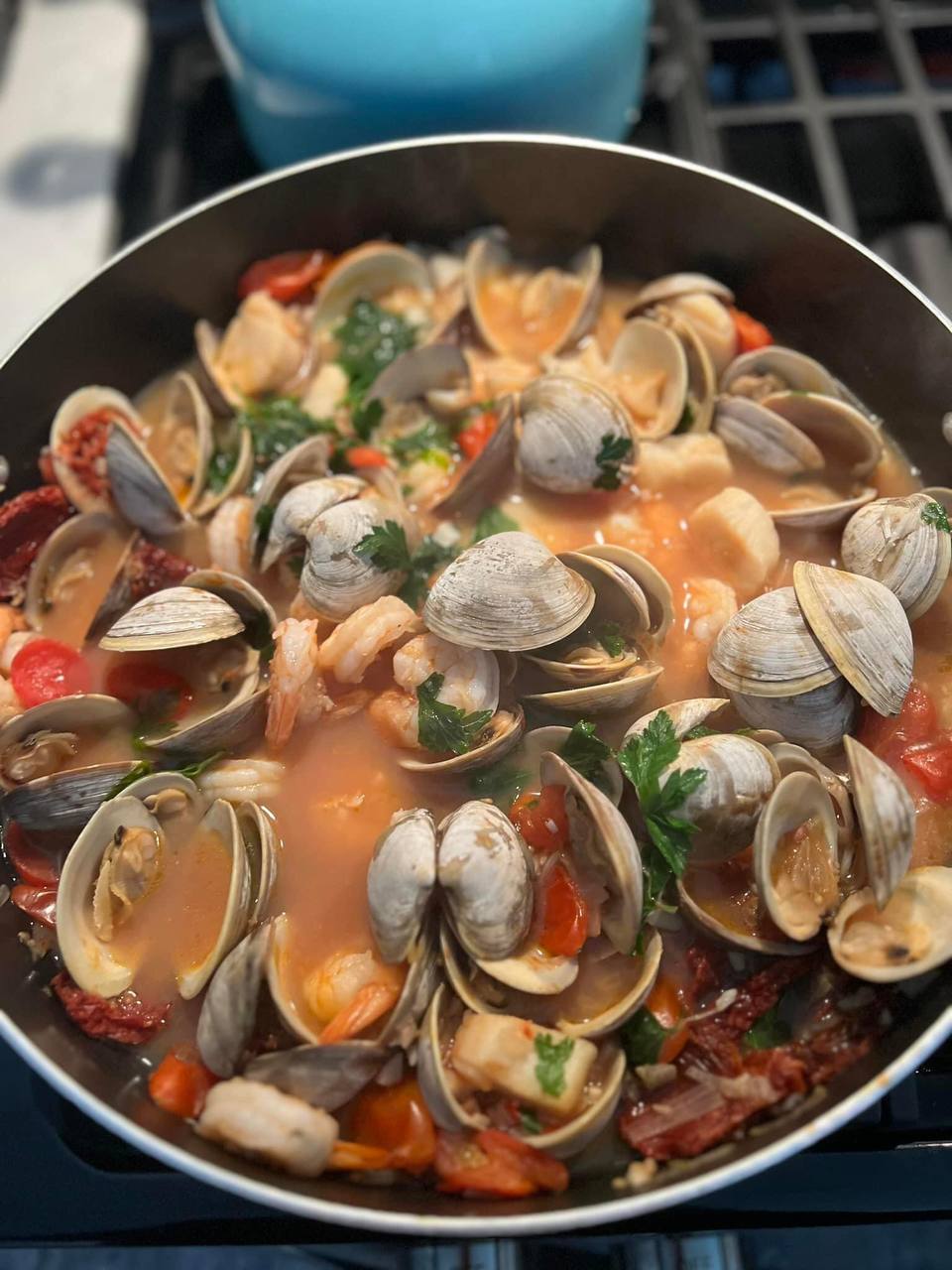
Zuppa Di Pesce is a classic Italian seafood stew built around a simple but deeply flavorful tomato base, fragrant garlic, olive oil, white wine, fresh parsley, and a beautiful mix of seafood.
This dish captures the soul of coastal Italian cooking: fresh seafood simmered gently in a light tomato broth until the sauce becomes rich with the natural sweetness of fish, shellfish, shrimp, scallops, and tender mollusks.
It feels elegant, rustic, and comforting all at once. Every spoonful is bright, briny, aromatic, and full of the sea.
Why People Will Love Zuppa Di Pesce Recipe
It has a beautiful Italian coastal flavor.
The tomato broth is light, fresh, and deeply savory.
Garlic and olive oil create a rich aromatic base.
White wine adds brightness and depth to the sauce.
San Marzano tomatoes give the stew a naturally sweet tomato flavor.
The seafood releases its juices into the broth, making it more flavorful.
Clams and mussels add a fresh, briny taste.
Shrimp, scallops, and fish make the dish feel generous and elegant.
Fresh parsley brings color and a clean herbal finish.
It feels restaurant-quality but is made with simple ingredients.
The recipe can be adjusted based on the seafood available.
It is perfect for special dinners, holidays, or seafood lovers.
Key Ingredients
San Marzano Tomatoes:
San Marzano tomatoes create a smooth, sweet, and balanced tomato base. They give the stew body without making it too heavy.
Garlic:
Garlic is one of the most important flavors in this dish. It perfumes the olive oil and gives the broth a warm, savory foundation.
Peperoncino or Red Pepper Flakes:
A small amount of heat adds life to the tomato broth without overpowering the seafood.
Olive Oil:
Olive oil gives richness and helps carry the flavor of the garlic, tomato, parsley, and seafood.
White Wine:
White wine adds acidity and brightness, helping balance the sweetness of the tomatoes and seafood.
Fresh Parsley:
Parsley adds freshness and color. It keeps the stew from feeling too heavy and finishes the dish beautifully.
Mollusks:
Squid, baby cuttlefish, or octopus give the stew texture and deep seafood flavor. They need gentle cooking to become tender.
Firm White Fish:
Monkfish or another firm fish holds its shape well in the broth and adds a meaty, satisfying bite.
Shrimp, Crayfish, or Scallops:
These cook quickly and bring natural sweetness to the stew.
Clams and Mussels:
Clams and mussels give the broth its signature briny seafood taste. They also make the dish look beautiful when served.
Expert Tips
Use the freshest seafood you can find for the best flavor.
Clean clams and mussels well before cooking.
Discard any shellfish that are cracked or remain open before cooking.
Add the seafood in stages based on cooking time.
Cook octopus or mature squid longer so they become tender.
Add shrimp and scallops near the end so they stay soft and juicy.
Do not overcook the fish, or it may break apart.
Use less salt at the beginning because shellfish release natural saltiness.
Simmer the tomato base before adding seafood so the sauce develops flavor.
Use a wide pot so the seafood cooks evenly.
Serve immediately after the shellfish open.
Finish with fresh parsley for brightness and freshness.
Zuppa Di Pesce
Ingredients
For the tomato base:
2-3 cloves of garlic
1 peperoncino (or a pinch of red pepper flakes)
Olive oil
A can of best quality San Marzano tomatoes, passed through a food mill
Salt and pepper
A few sprigs of fresh parsley, finely chopped
A splash of white wine
For the seafood:
An assortment of mollusks, such as squid, baby cuttlefish or octopus, cut into bite-sized pieces
An assortment of firm-fleshed fish of your choice, such as monkfish cut into large chunks
Shrimp, crayfish and/or sea scallops
Clams and/or mussels
Instructions:
Step 1:
Begin by sautéing a few slightly crushed garlic cloves in abundant olive oil.
If you like, you can add a bit of peperoncino to sauté in the olive oil along with the garlic.
Step 2:
When the garlic begins to give off its aroma and is just barely beginning to brown, add tomato.
Season with salt and pepper (going light on the salt since the shellfish will be salty) and finely chopped parsley, then allow the tomatoes to simmer for about 10 minutes or so, or until they begin to reduce and reach a saucy consistency.
Then add a splash of white wine.
Step 3:
Add your seafood, starting with the varieties that take the longest to cook, then progressively adding those that take less time: Begin with the mollusks.
With very young calamaretti (baby cuttlefish) let them simmer about 10 minutes before you add any other fish.
Octopus or mature squid (which you should cut up into bite-sized pieces) will take much longer, usually about 30 minutes.
Step 4:
Then add the fish and let that cook for another five to ten minutes, depending on the size.
Then add shrimp or scallops, if using, along with the clams and mussels and simmer them until they open.
Step 5:
Sprinkle with a bit more finely chopped parsley and serve immediately.
Important Notes When Making Zuppa Di Pesce
Shellfish that do not open after cooking should be discarded.
Seafood cooking times vary depending on size and type.
The broth should be saucy and fragrant, not too thick.
Do not stir too aggressively after adding fish, or the pieces may fall apart.
White wine should be added after the tomatoes have reduced slightly.
Frozen seafood can be used, but it should be thawed and drained well first.
This dish is best served fresh, right after cooking.
Leftovers can be stored, but seafood may become firmer when reheated.
Reheat gently over low heat to protect the texture.
Crusty bread is highly recommended for soaking up the broth.
How to Enjoy Zuppa Di Pesce After Cooking
Once the Zuppa Di Pesce is finished, serve it immediately while the seafood is tender and the broth is hot and fragrant.
Spoon the seafood and tomato broth into shallow bowls. Make sure each serving has a mix of fish, shrimp, scallops, mussels, clams, and tender pieces of squid, cuttlefish, or octopus.
Finish with a sprinkle of fresh parsley and a light drizzle of extra-virgin olive oil. A squeeze of lemon can also be added for extra brightness.
Serve with grilled bread, crusty Italian bread, garlic bread, or toasted ciabatta. The bread is perfect for soaking up the tomato, garlic, wine, and seafood broth.
This dish can be enjoyed as a main course with a simple green salad, roasted vegetables, or a light pasta side. For a more traditional seafood dinner, serve it with white wine and keep the meal simple so the seafood remains the focus.
Nutrition Information
Approximate nutrition per serving, based on 4 servings:
Calories: 385 kcal | Total Fat: 14 g | Saturated Fat: 2 g | Monounsaturated Fat: 9 g | Polyunsaturated Fat: 1.5 g | Cholesterol: 185 mg | Sodium: 780–1,450 mg depending on seafood, shellfish, added salt, tomatoes, and broth reduction | Total Carbohydrates: 16 g | Dietary Fiber: 3 g | Sugars: 7 g | Protein: 44 g
Additional estimate:
Calcium: 120–240 mg | Potassium: 850–1,250 mg | Iron: 4–8 mg | Vitamin A: 900–1,800 IU | Vitamin C: 25–55 mg | Vitamin B12: 5–12 mcg
Note: Nutrition will vary depending on the exact seafood used, the amount of olive oil, the tomato brand, the quantity of salt, and whether the dish is served with bread, pasta, or extra olive oil.
Frequently Asked Questions:
What can I use if I don’t have access to San Marzano tomatoes?
While San Marzano tomatoes are preferred for their sweet and rich flavor, you can substitute them with any high-quality canned tomatoes.
Look for whole tomatoes that are packed in their juices for the best results.
Can I make this dish without wine?
Yes, you can omit the white wine if you prefer not to use alcohol.
You can substitute it with a small amount of lemon juice to add acidity to the dish, or you can simply skip this ingredient altogether.
How do I know when the seafood is cooked properly?
Seafood is cooked when it turns opaque and firm to the touch.
Fish should flake easily with a fork, shrimp should turn pink, and clams and mussels should open.
Be careful not to overcook the seafood, as it can become tough and rubbery.
Can I use frozen seafood for this recipe?
While fresh seafood is preferred for the best flavor and texture, you can use frozen seafood if that’s what you have available.
Just make sure to thaw it completely before adding it to the soup, and adjust the cooking time as needed.
Can I prepare this dish in advance?
Zuppa Di Pesce is best served immediately after cooking to enjoy the freshness of the seafood.
However, you can prepare the tomato base in advance and store it in the refrigerator for up to 2 days.
When you’re ready to serve, simply reheat the base, add the seafood, and simmer until cooked through.