Zuppa di Pesce Recipe
Zuppa di Pesce is a classic coastal Italian dish that captures the soul of the sea in a single bowl. Originating from fishing villages along the Mediterranean, it was traditionally made by fishermen who cooked the day’s catch in a simple broth of tomatoes, wine, garlic, and olive oil.
Over time, it evolved into an elegant yet rustic seafood stew — rich, aromatic, and layered with depth from mussels, clams, shrimp, calamari, and firm white fish.
This recipe celebrates the essence of Italian home cooking — balancing humble ingredients with luxurious flavor. Each spoonful offers the sweetness of seafood, the brightness of tomatoes, and the subtle heat of saffron and red pepper flakes. Served with toasted Italian bread, this dish isn’t just a meal — it’s a sensory journey through the harbors of Southern Italy, where food is love, and every simmering pot tells a story of the sea.
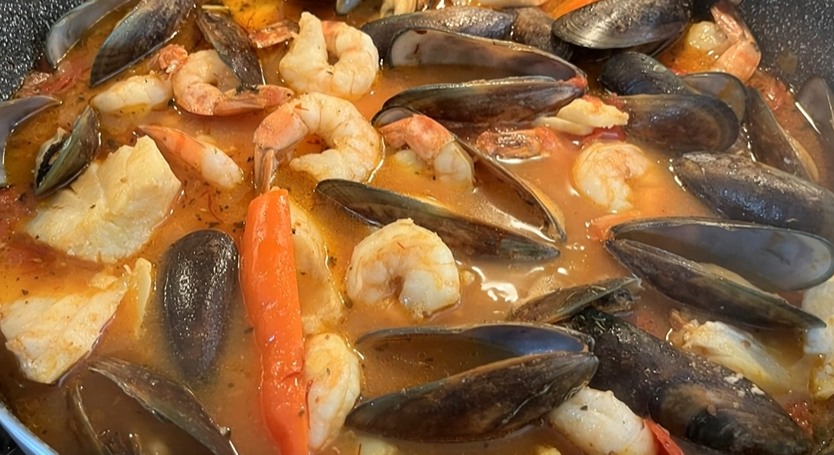
Why People Will Love This Zuppa di Pesce Recipe
A Celebration of the Sea: Each bowl captures the true spirit of coastal Italy — filled with the essence of fresh seafood, the sweetness of tomatoes, and the depth of white wine and saffron.
Aromatic and Elegant: The fragrance of fennel, garlic, and herbs simmering together creates an intoxicating aroma that feels both comforting and sophisticated.
Layered Flavors, Simple Ingredients: Despite its rich taste, this recipe is built from humble, fresh ingredients — proving that simplicity can create culinary magic.
Beautifully Balanced: The slight heat from red pepper flakes, the acidity of tomatoes, and the briny freshness of clams and mussels work in perfect harmony.
A Dish That Feeds the Soul: Served with crusty garlic bread and a drizzle of olive oil, this is not just food — it’s an experience of warmth, love, and coastal nostalgia in every spoonful.
Key Ingredients:
Fresh Mixed Seafood: A medley of clams, mussels, shrimp, calamari, and white fish brings layered textures and oceanic sweetness — the very soul of this dish.
Plum Tomatoes: Slowly simmered to form a rich, velvety base that balances the briny flavor of the seafood with natural acidity and depth.
Dry White Wine: Adds brightness and sophistication, deglazing the pan while enhancing the aromatic quality of the broth.
Fennel and Shallots: Their subtle sweetness provides a delicate contrast to the savory seafood, giving the stew its signature Italian flavor foundation.
Garlic and Red Pepper Flakes: Offer warmth and gentle heat, elevating the sauce from simple to soul-stirring.
Saffron Threads: Infuse the broth with golden color and floral undertones — a touch of luxury that transforms this rustic dish into something extraordinary.
Extra Virgin Olive Oil and Fresh Parsley: Finish the stew with richness and freshness, tying together the sea, the earth, and the warmth of Italian tradition.
Expert Tips:
Use the Freshest Seafood Possible: The flavor of this dish depends entirely on the quality of your seafood. Choose firm, glossy fish and live shellfish — their natural brininess will season the broth beautifully.
Build Layers of Flavor Early: Take time to slowly sauté the fennel, shallots, and garlic. This step is the flavor foundation — their gentle caramelization deepens the base before any liquid touches the pot.
Deglaze with Wine Properly: When adding the white wine, scrape every browned bit from the bottom of the pan. Those tiny fragments carry immense umami and make the sauce taste like it simmered for hours.
Add Seafood in Stages: Cook the calamari first to tenderize it, then add fish, followed by clams, mussels, and shrimp last. This ensures each type of seafood is cooked just right — tender, never rubbery or overdone.
Don’t Rush the Simmer: Let the broth develop slowly. The longer the tomatoes, clam juice, and aromatics meld, the richer and more balanced the flavor becomes.
Season Gradually: Salt interacts differently once seafood releases its natural brine. Taste near the end of cooking, not the beginning, to avoid overseasoning.
Finish with Olive Oil and Fresh Parsley: A drizzle of premium extra virgin olive oil and a sprinkle of parsley right before serving awakens all the flavors and gives the stew a restaurant-quality finish.
Serve Immediately: Zuppa di Pesce is best enjoyed the moment it’s ready — when the broth is hot, the seafood is plump, and the aromas are at their most intoxicating.
Zuppa di Pesce Recipe
Ingredients:
1/4 cup extra virgin olive oil
2 medium shallots diced
1 medium fennel bulb sliced
5 cloves garlic sliced
1/2 teaspoon crushed red pepper flakes optional, to taste
1 cup dry white wine such as sauvignon blanc, pinot grigio, or chardonnay
2 28 ounce cans plum tomatoes blender pulsed or hand crushed
10 ounces clam juice
3/4 pound calamari cleaned, tubes cut into 1/2″ rings and large tentacles cut in half
3/4 pound cod or other meaty white fish like monkfish, striped bass, red snapper, etc
12 little neck clams scrubbed, see notes below
1 pound mussels scrubbed and beards removed
3/4 pound large shrimp approximately u26 size
salt and pepper to taste
1/4 cup parsley minced
1 packet of Italian or Spanish Saffron
Instructions:
Step 1:
Heat a large Dutch oven or heavy pot to medium-low and saute the shallot and fennel in extra virgin olive oil.
After they soften a bit (5 minutes) add in the garlic and cook for 2 minutes more until fragrant.
Step 2:
Next, add the crushed red pepper flakes, cook for 30 seconds, then add the wine and turn heat to medium-high.
Scrape the bottom of the pot with a wooden spoon to dislodge the brown bits.
Cook the wine for 90 seconds then turn the heat to medium and add the tomatoes and clam juice.
Cook the sauce at a moderate simmer for 10 minutes before adding any seafood.
Step 3:
Add the calamari and cook for 15 minutes to soften.
Next, add the fish and cook for 5 more minutes, then add the clams and cover with a lid.
Cook for 5-7 minutes longer or until the clams just start to open.
Step 4:
Finally, add the mussels and shrimp and cover with the lid.
Cook until the shrimp are pink and cooked through and the mussels open (about 5-7 minutes).
Any clams or mussels that do not open should be discarded because they are most likely dead.
Step 5:
Taste test and adjust salt and pepper levels.
When satisfied turn the heat off and add the parsley.
Step 6:
Serve in bowls with toasted Italian bread that has been rubbed with a garlic clove.
Also, drizzle your best extra virgin olive oil onto each plate as well.
Enjoy!
Important Notes When Making Zuppa di Pesce Perfectly
Timing Is Everything: Each type of seafood has a different cooking time — calamari needs more time to tenderize, while shrimp and mussels cook quickly. Add them in stages to prevent overcooking.
Avoid Boiling Once Seafood Is Added: Keep the soup at a gentle simmer. Boiling can toughen delicate seafood and make the broth cloudy instead of clear and vibrant.
Choose the Right Pot: Use a wide, heavy-bottomed Dutch oven or enameled pot. This allows the seafood to cook evenly and prevents overcrowding, which helps the shellfish open properly.
Tomatoes Set the Tone: Hand-crushed or blender-pulsed plum tomatoes create a rustic, silky base. Avoid tomato paste — it can overpower the natural seafood sweetness.
Use Real Clam Juice or Seafood Stock: This enhances the depth of flavor far better than plain water or chicken broth. It builds that signature “by-the-sea” taste authentic to Italian coastal cooking.
Discard Unopened Shellfish: If clams or mussels don’t open after cooking, discard them immediately. They were likely dead before cooking and are unsafe to eat.
Balance the Acidity: If your broth tastes too acidic from the tomatoes, add a small drizzle of olive oil or a pinch of sugar to mellow the flavor without masking it.
Rest Before Serving: Let the soup sit for 5 minutes off the heat before ladling. This allows the flavors to meld fully and the seafood to soak up the aromatic broth.
Serve with Warm Bread: This dish isn’t complete without crusty Italian bread — it’s essential for soaking up every last drop of the saffron-tinted, garlicky tomato broth.
How to Enjoy Zuppa di Pesce After Cooking:
Let It Settle Briefly:
After removing the pot from the heat, allow the stew to rest for about 5 minutes. This brief pause lets the flavors meld and the broth deepen in complexity, while keeping the seafood tender and juicy.
Serve It the Italian Way:
Spoon a generous portion of seafood and broth into wide, shallow bowls. Arrange the shrimp, mussels, and clams on top for a beautiful presentation that celebrates the sea.
Add the Finishing Touches:
Just before serving, drizzle each bowl with high-quality extra virgin olive oil for richness and shine. Sprinkle finely chopped fresh parsley for color and freshness. A small pinch of red pepper flakes can add warmth if desired.
Pair with Bread and Wine:
Serve with thick slices of toasted Italian or sourdough bread — preferably brushed with olive oil and rubbed with a garlic clove. Dip the bread into the saffron-tinged tomato broth to savor every drop.
Pair the dish with a crisp Pinot Grigio, Verdicchio, or Sauvignon Blanc — their acidity perfectly complements the seafood’s briny sweetness.
Savor Slowly:
Start with the broth — sip it like a fine soup to taste the full balance of tomato, wine, fennel, and saffron. Then enjoy the seafood one piece at a time, combining it with the bread and broth for a full sensory experience.
Don’t Forget the Leftovers:
Zuppa di Pesce tastes even more complex the next day as the flavors continue to deepen. Reheat gently over low heat to avoid overcooking the seafood. Serve again with fresh bread and a drizzle of olive oil for another indulgent meal.
Make It a Celebration:
This is not a dish to rush — it’s meant to be shared. Enjoy it family-style at the center of the table, surrounded by friends, laughter, and a good bottle of wine — just as Italians do by the sea.
Nutrition Information:
YIELDS: 6 | SERVING SIZE: 1
Calories: 395 kcal | Total Fat: 17.6 g | Saturated Fat: 3.1 g | Monounsaturated Fat: 8.2 g | Polyunsaturated Fat: 2.7 g | Cholesterol: 155 mg | Sodium: 760 mg (varies with seasoning) | Total Carbohydrates: 14.4 g | Dietary Fiber: 2.9 g | Sugars: 5.2 g | Protein: 45.8 g
Frequently Asked Questions:
What’s the best type of seafood to use for Zuppa di Pesce?
Use a mix of firm, meaty white fish (like cod, halibut, or monkfish) along with shellfish such as clams, mussels, shrimp, and calamari. The variety gives the stew layers of texture and flavor. Always choose fresh or high-quality frozen seafood for the best results.
Can I prepare Zuppa di Pesce ahead of time?
Yes — but with care. You can make the tomato-wine broth and aromatics a day in advance and store them in the refrigerator. However, add the seafood only when reheating before serving, as overcooking can make it rubbery or tough.
My broth tastes too acidic — how can I fix it?
If the tomato base is too tangy, add a drizzle of extra virgin olive oil or ½ teaspoon of sugar to balance it. Alternatively, let the stew rest for 10 minutes off the heat — this mellows the acidity naturally while deepening the flavor.
How do I make sure the seafood doesn’t overcook?
Add each seafood type in stages based on cooking time — calamari first (as it needs to tenderize), then firm fish, and lastly shrimp, clams, and mussels. Once the shellfish open and shrimp turn pink, the stew is ready to serve.
What’s the best way to serve and pair this dish?
Serve Zuppa di Pesce in wide bowls with a drizzle of olive oil, a sprinkle of parsley, and toasted Italian bread for dipping. For wine pairing, go with a dry white wine like Pinot Grigio or Verdicchio — or even a light Chianti if you prefer red. It enhances the natural sweetness of the seafood and the warmth of the saffron-tomato broth.
How can I prevent the seafood from becoming tough or rubbery during cooking?
Add each seafood type in stages according to how long it takes to cook — start with calamari (which needs longer to tenderize), then add firm fish like cod, followed by clams and mussels, and finally shrimp. This ensures everything stays tender and perfectly cooked.
Can I make this dish without saffron if I don’t have it?
Yes! While saffron gives the soup its signature aroma and golden hue, you can substitute a small pinch of turmeric for color and a mild floral undertone. Or skip it entirely — the dish will still be delicious with the natural sweetness of fennel, tomatoes, and seafood.
How do I know when the clams and mussels are cooked correctly?
They’re ready when their shells open naturally. This usually takes about 5–7 minutes. Discard any that remain closed after cooking — these are unsafe to eat and likely dead before cooking.
What’s the best way to thicken the broth without overpowering the seafood flavor?
Let the tomato base simmer uncovered for a few extra minutes before adding the seafood to naturally reduce and concentrate the sauce. Avoid using flour or cornstarch — the broth should remain light and briny, not creamy or heavy.
Can I use frozen seafood instead of fresh?
Absolutely — just thaw it properly before cooking by placing it in the refrigerator overnight or under cold running water for 30 minutes. Pat dry with paper towels to remove excess moisture so it doesn’t dilute the broth when added to the pot.