Tuscan White Bean Soup
Tuscan White Bean Soup is a celebration of rustic Italian simplicity—where humble pantry ingredients are slowly transformed into something nourishing, comforting, and deeply flavorful.
With creamy cannellini beans, aromatic herbs, and tender vegetables simmered in olive oil, this soup captures the soul of Tuscan home cooking.
It’s wholesome, plant-based comfort food that feels grounding and elegant at the same time, perfect for quiet evenings, make-ahead meals, or whenever you crave warmth in a bowl.
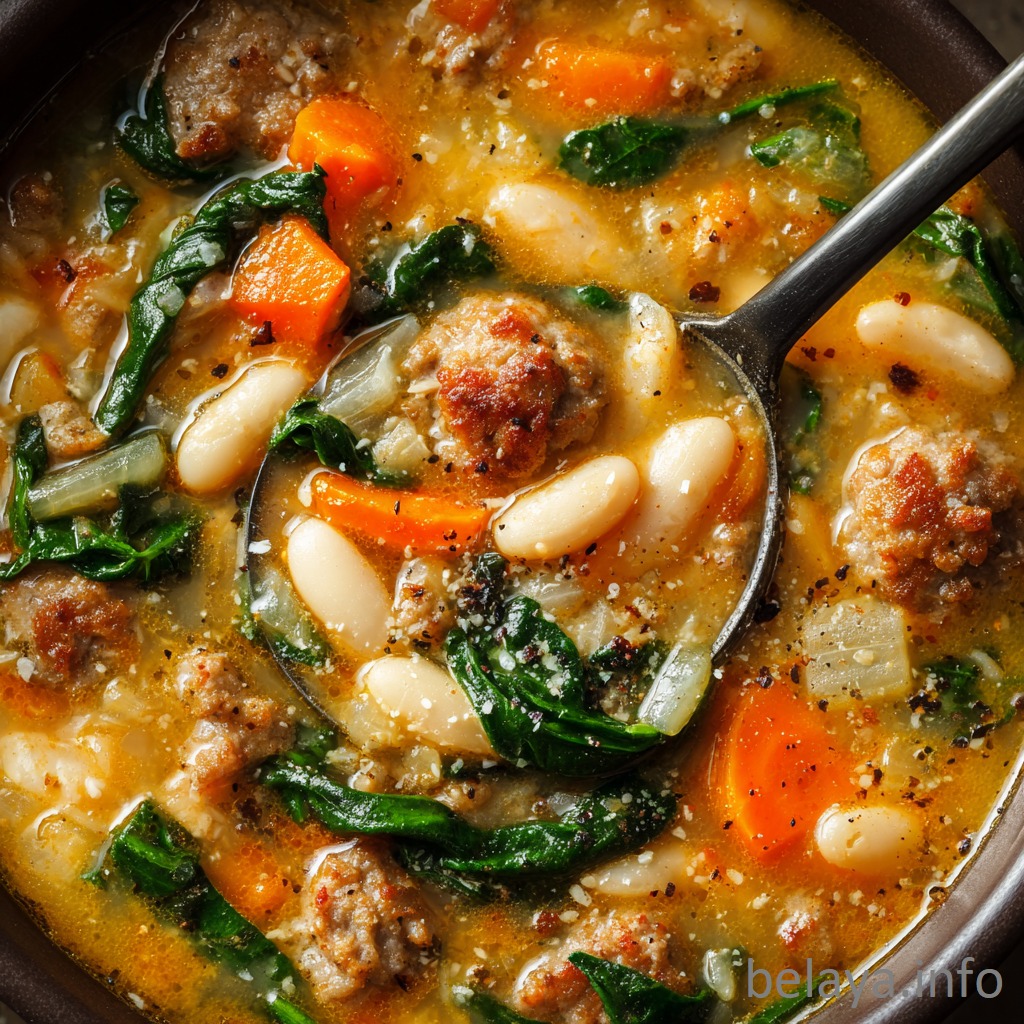
Why People Will Love This Tuscan White Bean Soup:
Pure comfort in a bowl – The creamy texture, warm herbs, and tender vegetables create a soothing, nourishing soup that feels cozy and satisfying without being heavy.
Simple ingredients, rich flavor – Everyday pantry staples like beans, olive oil, and dried herbs slowly build layers of flavor that taste far more complex than the ingredient list suggests.
Naturally creamy without dairy – Blending a portion of the beans creates a velvety consistency while keeping the soup plant-based and wholesome.
Rooted in Tuscan tradition – The recipe reflects rustic Italian cooking, where humble ingredients are treated with care to produce deeply comforting food.
Healthy and nourishing – Packed with fiber, plant protein, and vegetables, this soup is both filling and good for you.
Perfect for meal prep – The flavors deepen overnight, making leftovers even more delicious and ideal for make-ahead lunches or dinners.
Versatile and forgiving – Easy to adapt with extra vegetables, different beans, or added protein without losing its character.
Comforting yet elegant – Simple enough for a casual weeknight, yet refined enough to serve guests with crusty bread and olive oil.
Seasonal and timeless – Equally enjoyable on chilly nights or as a light, satisfying meal year-round.
Key Ingredients:
Extra virgin olive oil is the soul of the soup, providing richness, body, and that unmistakable Tuscan depth. It carries flavor throughout the dish and gives the soup its silky, comforting mouthfeel.
Shallots and garlic form a gentle, aromatic base. Their natural sweetness and savory warmth create a foundation that makes the soup taste rounded and well-developed rather than sharp.
Carrots and celery add subtle sweetness, texture, and balance. As they simmer, they soften into the broth, contributing quiet complexity and classic rustic character.
Tomato paste adds umami and depth without making the soup tomato-forward. It darkens slightly as it cooks, enriching the flavor and giving the broth a more savory backbone.
Cannellini beans are the heart of the dish—creamy, mild, and nourishing. Blending a portion of them creates a naturally velvety texture while keeping the soup hearty and satisfying.
Dried Tuscan herbs (basil, oregano, parsley, thyme) bring warmth and earthiness, echoing traditional Italian flavors and tying the vegetables and beans together seamlessly.
Crushed red pepper flakes and black pepper provide gentle heat and contrast, lifting the soup so it never feels flat or dull.
Bay leaves quietly deepen the broth as it simmers, adding subtle complexity that’s felt more than tasted.
Fresh spinach finishes the soup with brightness, color, and freshness, balancing the richness of the beans and olive oil.
Expert Tips:
Let the aromatics sweat, not brown
Cook the shallots and garlic gently in olive oil until soft and translucent. Browning them too much can introduce bitterness and overpower the soup’s delicate flavors.
Give the vegetables time to soften properly
Carrots and celery need enough time to release their natural sweetness. Rushing this step results in a thinner, less rounded broth.
Bloom the tomato paste and spices
Cooking the tomato paste and dried herbs for a few minutes deepens their flavor, removes raw notes, and builds a richer, more savory base.
Use high-quality olive oil—and don’t skimp
This soup relies on olive oil for body and mouthfeel. A good extra virgin olive oil adds fruity, peppery notes that define the final taste.
Blend only a portion of the soup
Blending about one cup creates creaminess while keeping enough whole beans and vegetables for texture. Over-blending can make the soup feel heavy or paste-like.
Remove bay leaves before blending
Bay leaves don’t break down well and can turn bitter if blended. Always take them out first.
Add spinach at the very end
Stirring it in last preserves its color, freshness, and nutrients. Overcooking spinach dulls both flavor and appearance.
Taste and adjust at the finish
Beans absorb salt as they cook. A final taste check may reveal the need for a pinch more salt, pepper, or a drizzle of olive oil to fully balance the soup.
Rest the soup before serving
Letting it sit for 5–10 minutes off the heat allows the flavors to harmonize and the texture to settle.
Expect it to taste even better the next day
Like many bean-based soups, this one deepens in flavor overnight, making leftovers especially satisfying.
Tuscan White Bean Soup
Ingredients:
¼ cup extra virgin olive oil
3 medium shallots, finely chopped
5 garlic cloves, minced
2 carrots, sliced into rounds
2 stalks celery, chopped
1 tbsp tomato paste
2 tsp kosher salt
1 tsp dried basil
1 tsp dried oregano
1 tsp dried parsley
1 tsp dried thyme
1 tsp crushed red pepper flakes
½ tsp black pepper
2 cans (15 oz each) cannellini beans, drained and rinsed
2 bay leaves
4 cups water
3 cups fresh spinach
Instructions:
Step 1:
In a large pot or Dutch oven, warm the olive oil over medium heat.
Add the shallots and garlic, cooking while occasionally stirring for about 5-6 minutes, until the shallots are soft and translucent.
Step 2:
Toss in the sliced carrots and diced celery, continuing to cook for another 10 minutes.
Stir often, allowing the vegetables to soften and the flavors to develop in this aromatic base.
Step 3:
Once the veggies are tender, stir in the tomato paste, salt, and the dried herbs (basil, oregano, parsley, thyme, black pepper, and red pepper flakes).
Let the mixture cook for 5 more minutes to allow the tomato paste to darken and the spices to release their flavors.
Step 4:
Add the cannellini beans, bay leaves, and water to the pot.
Stir well, then cover the pot partially, reduce the heat to medium-low, and let the soup simmer for 20 minutes.
Step 5:
After 20 minutes, blend 1 cup of the soup in a blender or use an immersion blender to create a creamy texture.
Return the blended portion to the pot, then add the spinach.
Stir and let the soup simmer for an additional 10 minutes, until the spinach wilts and integrates into the soup.
Step 6:
Serve your creamy, plant-based Tuscan white bean soup with crusty toasted rye or sourdough bread for a perfect pairing.
Step 7:
Leftovers can be stored in the fridge for up to 5 days.
Pro tip: This soup often tastes even better the next day as the flavors continue to develop and deepen!
Important Notes When Making Tuscan White Bean Soup:
Bean choice matters
Cannellini beans are ideal because of their creamy interior and thin skins. Substituting with firmer beans (like navy or great northern) will slightly change the texture but can still work if blended a bit more.
Rinsing canned beans is essential
Draining and rinsing removes excess sodium and the starchy liquid that can make the soup taste flat or muddy.
Olive oil is not just a fat—it’s a flavor
This soup depends heavily on olive oil for richness and mouthfeel. Using a high-quality extra virgin olive oil makes a noticeable difference in depth and aroma.
Do not rush the early cooking stages
The soup’s flavor is built gradually. Properly softening the shallots, carrots, and celery ensures a naturally sweet, well-rounded base without needing added sugar.
Partial blending is intentional
Blending only a portion of the soup creates creaminess while preserving texture. Blending everything can result in a heavy, gluey consistency.
Bay leaves must be removed before blending
Bay leaves do not break down and can introduce bitterness if blended or left too long.
Water vs. broth
Using water keeps the soup clean and lets the beans and herbs shine. If using broth instead, reduce the salt slightly to avoid over-seasoning.
Spinach cooks very quickly
Adding it at the end preserves color, nutrients, and freshness. Overcooking will dull both flavor and appearance.
Salt levels should be adjusted at the end
Beans absorb salt as they cook, so always re-taste after simmering and blending before adding more seasoning.
Texture thickens as it cools
The soup will naturally thicken after resting or refrigerating. Thin with a splash of water or olive oil when reheating.
This soup improves with time
Like many Tuscan-style dishes, flavors deepen overnight, making leftovers even more satisfying the next day.
How to Enjoy Tuscan White Bean Soup After Cooking
Let the soup rest briefly before serving
Allow the soup to sit for 5–10 minutes off the heat. This short rest helps the flavors settle and blend, resulting in a richer, more cohesive taste.
Adjust the final texture
Before serving, check the consistency. If the soup feels too thick, stir in a splash of warm water or olive oil. If it’s thinner than desired, simmer uncovered for a few extra minutes.
Finish with olive oil for depth
Drizzle a small amount of high-quality extra virgin olive oil over each bowl just before serving. This adds a silky mouthfeel and highlights the herbs.
Serve hot, not boiling
The ideal temperature is hot and comforting without being scalding, allowing the delicate herbal notes to come through clearly.
Pair with the right bread
Rustic sourdough, toasted rye, or crusty Italian bread are perfect companions. Use the bread to soak up the broth for a truly Tuscan-style experience.
Add optional toppings thoughtfully
- Freshly cracked black pepper for gentle heat
- A pinch of red pepper flakes for spice lovers
- Grated Parmesan or Pecorino (if not strictly vegan) for umami
- Fresh herbs like basil or parsley for brightness
Turn it into a complete meal
Pair the soup with a simple green salad dressed with lemon and olive oil, or serve alongside roasted vegetables for balance.
Enjoy it the next day
This soup is even better after resting overnight. Reheat gently over low heat, stirring occasionally, and adjust seasoning before serving.
Store and reheat properly
- Refrigerate in an airtight container for up to 5 days
- Reheat slowly on the stovetop to preserve texture
- Avoid high heat, which can break down the beans and dull flavors
Savor it mindfully
Tuscan White Bean Soup is best enjoyed slowly—each spoonful offers warmth, comfort, and simple elegance rooted in traditional Italian cooking.
Nutrition Information:
(Approximate values per serving; actual numbers vary based on portion size and oil used.)
Calories: 240–270 kcal | Total Fat: 10–12 g | Saturated Fat: 1.5–2 g | Monounsaturated Fat: 6–7 g | Polyunsaturated Fat: 1.5–2 g | Cholesterol: 0 mg | Sodium: 550–700 mg (depending on added salt and canned beans) | Total Carbohydrates: 30–34 g | Dietary Fiber: 8–10 g | Sugars: 4–6 g | Protein: 9–11 g
Frequently Asked Questions:
Can I make this soup in advance?
Yes! This soup actually improves in flavor as it sits, so making it ahead of time is a great idea.
Store the soup in an airtight container in the fridge for up to 5 days.
You can also freeze leftovers for up to 3 months. Just reheat on the stove, adding extra liquid if needed.
Can I substitute cannellini beans with another type of bean?
Absolutely! While cannellini beans are traditional for this soup, you can use other white beans like Great Northern beans, navy beans, or borlotti beans.
The texture and flavor may vary slightly, but the soup will still be delicious.
What can I use instead of spinach?
If you don’t have spinach, you can substitute with other leafy greens like kale, Swiss chard, or even arugula.
Just make sure to remove any tough stems if using kale or chard, and add the greens towards the end of cooking to preserve their color and texture.
How can I make the soup spicier?
To increase the spice level, you can add more red pepper flakes or incorporate fresh jalapeños or Serrano peppers when sautéing the vegetables.
You can also add a dash of hot sauce or a sprinkle of cayenne pepper to taste.
Can I add more protein to this soup?
Yes! If you’d like to boost the protein content, consider adding tofu, tempeh, or chickpeas.
For non-vegan options, you could also add shredded chicken or sausage.
Just be sure to adjust cooking times accordingly based on the protein you choose.
Do I need to blend the soup to get a creamy texture?
Blending part of the soup is what gives it a creamy texture without adding dairy, but it’s not required if you prefer a chunkier soup.
You can blend just 1 cup of the soup, or skip this step entirely if you like a more rustic consistency.
Alternatively, you can use an immersion blender to control how smooth or chunky you want the soup.
Can I use dried beans instead of canned beans?
Yes, you can use dried beans instead of canned.
You’ll need to soak the beans overnight and cook them separately until tender before adding them to the soup.
Be sure to adjust the cooking time and add the beans to the soup once they’re cooked, as dried beans take longer to soften.
Can I make this soup in a slow cooker or Instant Pot?
Yes, you can make this soup in both a slow cooker and an Instant Pot:
Slow Cooker: Sauté the vegetables on the stove first, then transfer everything to the slow cooker with the broth and beans. Cook on low for 6-8 hours or high for 3-4 hours.
Instant Pot: Use the sauté function to cook the vegetables, then add the beans, broth, and seasonings. Cook on high pressure for 20-25 minutes, and quick release the pressure.
Can I make this soup ahead of time?
Yes, this soup actually tastes better the next day as the flavors have time to meld together.
You can make it up to 3 days in advance and store it in the refrigerator.
To reheat, just warm it on the stove, adding a little extra water or broth if needed to loosen it up.
How can I adjust the seasoning if the soup tastes bland?
If the soup tastes a bit bland, try adding a little extra salt, black pepper, or red pepper flakes for heat.
A splash of balsamic vinegar or lemon juice can help brighten the flavors.
Taste and adjust gradually, since it’s easier to add more seasoning than to take it away.