The Ultimate Bolognese Sauce
This Ultimate Bolognese Sauce is a slow-cooked labor of love—rich, layered, and deeply soulful. Built on a classic Italian soffritto and enriched with pancetta, wine, and time, it develops a profound depth that can’t be rushed.
Each hour on the stove transforms humble ingredients into a velvety, meaty sauce that clings beautifully to pasta, delivering warmth, tradition, and quiet luxury in every bite.
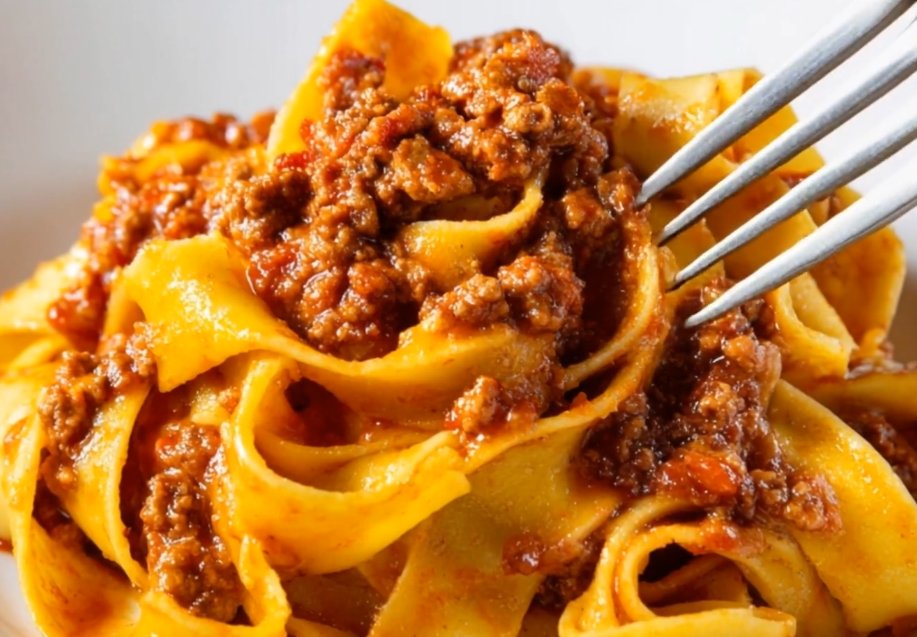
Why People Will Love The Ultimate Bolognese Sauce
Unmatched depth of flavor
Slow cooking allows the meats, wine, and tomatoes to meld into a rich, complex sauce that develops layers of savory intensity over time.
Authentic Italian technique
The use of a classic soffritto, gentle rendering of pancetta, and long simmer reflect traditional methods that produce restaurant-quality results.
Perfect balance of richness and elegance
Pork, beef, and optional milk create a luxurious mouthfeel without heaviness, making the sauce indulgent yet refined.
Aroma that fills the kitchen
As the sauce simmers, it releases comforting, irresistible aromas that instantly create anticipation and warmth.
Versatile and timeless
This Bolognese pairs beautifully with pasta, lasagna, polenta, or even spooned over vegetables, making it endlessly adaptable.
Worth the time invested
Each hour of cooking rewards patience with deeper flavor, smoother texture, and a truly memorable sauce.
Freezer-friendly and meal-prep gold
The sauce stores and reheats exceptionally well, tasting even better the next day.
A recipe that feels meaningful
Cooking this sauce is an experience—slow, intentional, and deeply satisfying—connecting food, tradition, and care.
Key Ingredients:
Ground beef and ground pork
This classic combination creates balance—beef provides structure and savory depth, while pork adds richness, sweetness, and a tender mouthfeel.
Pancetta
Finely minced pancetta melts into the base, releasing fat and umami that quietly enrich the entire sauce without overpowering it.
Soffritto (onion, celery, carrots)
The aromatic backbone of the sauce, slowly softened to draw out natural sweetness and build complexity from the very first step.
Dry red wine
Wine adds acidity and depth, lifting the richness of the meat and helping to create a more rounded, layered flavor profile.
Tomato passata, tomato paste, and whole peeled tomatoes
This trio delivers body, sweetness, and brightness—passata for smoothness, paste for concentration, and whole tomatoes for natural freshness.
Extra virgin olive oil
Used sparingly but intentionally, it carries flavor and enhances mouthfeel throughout the long cooking process.
Full-cream milk (optional but traditional)
A finishing touch that softens acidity and adds silkiness, creating the signature velvety texture of an authentic Bolognese.
Expert Tips:
Keep the heat low and steady
True Bolognese should barely simmer. Gentle heat prevents burning, allows collagen to break down slowly, and creates a smoother, richer sauce.
Take your time with the soffritto
Let the onion, celery, and carrots soften slowly until sweet and glossy, not browned. This step builds the foundation of flavor for the entire sauce.
Render the pancetta fully
Cook the pancetta gently until it releases its fat and becomes fragrant. This fat seasons the sauce naturally and deepens the umami profile.
Break the meat finely and evenly
Use a wooden spoon to thoroughly break up the beef and pork so the sauce becomes cohesive rather than chunky.
Let wine cook off completely
Allow the wine to simmer until the alcohol evaporates and the aroma softens. This prevents harshness and ensures depth rather than sharpness.
Season gradually, not all at once
Add salt in stages throughout cooking. Long simmering concentrates flavors, so final seasoning should always be adjusted at the end.
Stir regularly and scrape the bottom
Especially during long cooking, this prevents sticking and reincorporates caramelized bits for added complexity.
Add milk only at the end
Stir in milk after the sauce has fully reduced. This softens acidity and creates the signature velvety finish without dulling tomato flavor.
Let it rest before serving
Resting the sauce for 10–15 minutes off heat allows flavors to settle and texture to stabilize.
It’s even better the next day
Like most slow-cooked sauces, Bolognese deepens overnight—don’t hesitate to make it ahead.
The Ultimate Bolognese Sauce
Ingredients
Ground pork – 500 g (17.6 oz)
Ground beef – 500 g (17.6 oz)
Pancetta, finely chopped – 100 g (3.5 oz)
Brown onion, finely diced – 1
Celery stalks, finely chopped – 2
Carrots, finely chopped – 3
Italian tomato passata – 1 bottle
Tomato paste – 100 g (3.5 oz)
Canned whole peeled tomatoes – 400 g (14.1 oz)
Dry red wine – 1 glass
Full-cream milk – 1 mug (optional)
Extra virgin olive oil – as needed
Salt and freshly ground black pepper – to taste
Instructions
Prepare the pancetta
Place the pancetta in a food processor and pulse until finely minced.
Start the soffritto
Heat about 2 tablespoons of extra virgin olive oil in a large, heavy-bottomed pot over low to medium heat.
Add the minced pancetta and cook gently until it begins to release its fat.
Add the chopped onion, celery, and carrots, cover with a lid, and let the mixture soften slowly for about 10 minutes.
Stir every couple of minutes to prevent sticking or browning.
Deglaze and deepen flavor
Once the vegetables are tender, glossy, and aromatic, pour in a splash of red wine.
Cover again and allow it to cook briefly so the alcohol evaporates.
Drizzle in a little more olive oil if needed.
Add the meats
Add the ground beef and pork to the pot.
Using a wooden spoon, break the meat apart thoroughly and mix it into the soffritto until evenly combined.
Simmer with wine
When the meat loses its raw color and turns grey, add the remaining wine.
Stir well and let it simmer gently for about 10 minutes.
Season and add tomatoes
Season generously with salt and pepper.
Stir in the tomato paste until fully incorporated, then add the passata and peeled tomatoes.
Slow cook the sauce
Cover the pot and cook on very low heat for 3 hours.
Stir every 30 minutes, scraping the bottom to ensure nothing sticks.
Reduce and finish
After 3 hours, remove the lid and continue cooking uncovered for another hour, stirring occasionally.
Taste and adjust seasoning with additional salt and pepper as needed, keeping the heat low.
Optional finishing touch
For a smoother, richer sauce, stir in a splash of full cream milk and let it simmer for an additional 5 minutes before serving.
Important Notes When Making The Ultimate Bolognese Sauce:
This is a slow sauce—don’t rush it
Bolognese relies on time, not high heat. Rushing the process will result in a flat, less integrated flavor.
Texture should be thick, not soupy
A proper Bolognese clings to pasta rather than pooling on the plate. If it looks watery, it needs more reduction time.
Avoid excessive tomato acidity
Using multiple tomato forms adds complexity, but quality matters. If the sauce tastes sharp, the optional milk helps rebalance it.
Salt levels change as the sauce reduces
Always adjust seasoning near the end of cooking. Early over-salting becomes more pronounced after hours of reduction.
Use a wide, heavy pot
A wide surface allows better evaporation and even cooking, preventing scorching during long simmers.
Stirring isn’t optional
Long cooking requires attention. Regular stirring prevents burning and ensures even flavor development.
Color should deepen gradually
The sauce should slowly darken to a rich, brick-red tone. Rapid darkening signals heat that’s too high.
Fat is flavor—but balance matters
Pancetta, olive oil, and meat fat are essential, but excess grease can be skimmed if needed for a cleaner finish.
Milk is traditional, not creamy
The milk shouldn’t make the sauce taste like cream—it’s there to soften acidity and round the flavor.
Resting improves structure
Letting the sauce sit off heat before serving allows fats and flavors to emulsify fully.
How to Enjoy The Ultimate Bolognese Sauce After Cooking
Let the sauce rest before serving
Allow the Bolognese to sit off the heat for 10–15 minutes. This resting time helps the fats emulsify and the flavors fully settle, creating a smoother, more cohesive sauce.
Choose the right pasta
Serve with wide, sturdy pasta like tagliatelle, pappardelle, or fettuccine. These shapes hold the sauce well and highlight its rich texture.
Finish pasta in the sauce
Toss freshly cooked pasta directly into the Bolognese with a splash of pasta water. This helps the sauce cling beautifully to each strand rather than sitting on top.
Serve warm, not piping hot
Extremely high heat can mute flavor nuances. Warm temperature allows the sweetness of the soffritto, richness of the meat, and depth of tomato to shine.
Add cheese thoughtfully
Grate Parmigiano Reggiano or Pecorino Romano finely and sprinkle lightly—enough to enhance umami without masking the sauce.
Keep garnishes minimal
Avoid heavy herbs or excess toppings. A classic Bolognese is about restraint and balance, not garnish overload.
Pair with a simple side
Serve alongside crusty bread, a light green salad, or roasted vegetables to contrast the richness of the sauce.
Enjoy slowly
This is a dish meant to be savored. Take time to appreciate the layered flavors developed over hours of cooking.
Next-day enjoyment is even better
Reheated gently, the sauce often tastes deeper and more integrated the following day—perfect for leftovers.
Freeze portions for future meals
Store cooled sauce in airtight containers. Thaw slowly in the refrigerator and reheat gently for an effortless, high-quality meal later.
Nutrition Information:
(Approximate values per 1 serving, assuming the sauce serves 8 and does not include pasta.)
Calories: 420 kcal | Total Fat: 28.7 g | Saturated Fat: 10.9 g | Monounsaturated Fat: 12.4 g | Polyunsaturated Fat: 3.2 g | Cholesterol: 105 mg | Sodium: 520–680 mg (depending on pancetta, tomatoes, and added salt) | Total Carbohydrates: 12.6 g | Dietary Fiber: 2.9 g | Sugars: 7.1 g | Protein: 29.8 g
Frequently Asked Questions:
Can I make this Bolognese sauce ahead of time?
Yes—this sauce is ideal for making ahead. In fact, its flavor improves after resting overnight as the ingredients continue to meld.
Is it okay to skip the milk at the end?
Yes. The milk is optional, but traditional. It softens acidity and adds silkiness. If you prefer a brighter tomato-forward sauce, you can leave it out.
What’s the best pasta to serve with this sauce?
Wide, flat pasta such as tagliatelle, pappardelle, or fettuccine works best, as these shapes hold the rich sauce more effectively than thin noodles.
Can I freeze this Bolognese sauce?
Absolutely. Let the sauce cool completely, then freeze in airtight containers for up to 3 months. Thaw overnight in the refrigerator before reheating gently.
Why does the sauce need such a long cooking time?
The extended simmer allows the meats to become tender, the tomatoes to reduce, and the flavors to fully develop into a deep, cohesive sauce.
Why do I need to cook the soffritto so slowly?
Slow cooking draws out the natural sweetness of the onion, carrot, and celery without browning them. This creates a balanced, aromatic base that supports the long simmer rather than overpowering it.
Should the sauce ever come to a full boil?
No. Bolognese should gently simmer, not boil. High heat can cause the sauce to reduce too quickly, scorch the bottom, or make the meat tough.
How finely should I break up the meat?
Very finely. Use a wooden spoon to break the meat into small pieces so the sauce becomes cohesive and silky rather than chunky.
When is the right time to add salt?
Season lightly in stages, but always make final adjustments at the end. As the sauce reduces, salt becomes more concentrated.
How do I know when the sauce is truly finished?
The sauce should be thick, glossy, and cling to a spoon. The oil will gently separate on the surface, and the flavors will taste rounded and deeply savory with no harsh acidity.