Thai Coconut Potsticker Soup
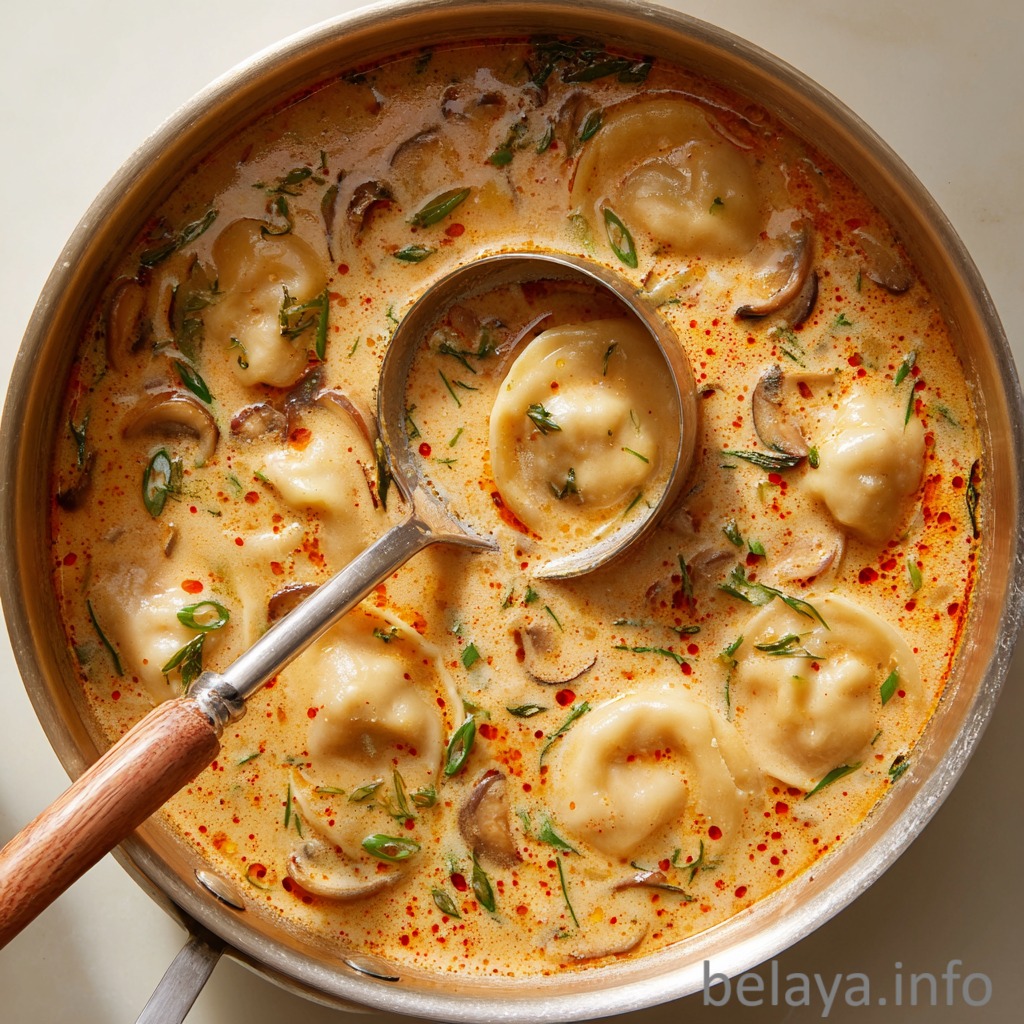
Thai Coconut Potsticker Soup is the kind of dish that wraps you in comfort from the very first spoonful—a creamy, fragrant bowl where rich coconut broth meets the brightness of lime, lemongrass, and red curry.
It bridges tradition and creativity, blending the soulful flavors of Thai cuisine with the playful addition of tender chicken potstickers. Every sip offers warmth, aroma, and a gentle kick of spice, making it a nourishing bowl that feels both familiar and delightfully unexpected.
Whether enjoyed on a chilly evening or whenever you crave something soothing yet vibrant, this soup promises a deeply satisfying, full-sensory experience.
Why People Will Love Thai Coconut Potsticker Soup Recipe
A fusion of comfort and creativity — This soup blends the cozy familiarity of potstickers with the vibrant, aromatic flavors of Thai cuisine, creating a bowl that feels both comforting and exciting.
Layers of warm, fragrant flavor — Lemongrass, ginger, lime zest, and red curry paste infuse the broth with a depth that awakens the senses, making every spoonful feel rich and soulful.
Creamy coconut richness — The coconut milk creates a silky, luxurious base that soothes the palate and balances the spice beautifully.
A complete meal in one bowl — With broth, vegetables, mushrooms, and potstickers, it’s hearty, satisfying, and perfect for busy days when you want something nourishing without fuss.
Unexpected yet irresistible — The pairing of Thai flavors with tender dumplings adds a playful twist, offering a comforting surprise that keeps people coming back for more.
Bright, fresh finishing notes — Lime juice and cilantro bring a final burst of freshness that lifts the dish, making it taste vibrant and alive.
Customizable heat and garnishes — Whether mild or spicy, simple or dressed up, this dish allows people to make each bowl their own, heightening its appeal.
Key Ingredients
Coconut Milk — The soul of the soup, giving it a silky, creamy richness that softens the heat of the curry and creates a comforting, velvety base.
Red Curry Paste — A bold infusion of aromatics and spices that delivers depth, warmth, and that unmistakable Thai character in every spoonful.
Lemongrass, Ginger & Lime Zest — This trio brings brightness and fragrance, lifting the richness of the coconut broth with citrusy, cleansing notes that awaken the senses.
Chicken Potstickers — A playful, hearty twist that transforms the soup into a full, satisfying meal, adding tender bites that soak up the broth’s flavors.
Shiitake Mushrooms — Earthy and savory, they add depth and umami, grounding the soup with a subtle woodsy richness.
Fresh Lime Juice & Cilantro — These finishing touches bring the soup to life, adding freshness, brightness, and balance to every comforting sip.
Expert Tips:
Bloom the aromatics for deeper flavor
When the garlic, ginger, lemongrass, and curry paste hit the heat, their oils release and intensify. Allowing them to bloom fully before adding liquids creates a broth that is far richer and more fragrant.
Simmer gently, never boil hard
Coconut milk can separate or become grainy if boiled aggressively. A gentle simmer preserves its silky texture and keeps the broth luxuriously smooth.
Taste the broth before adding the potstickers
This is your last moment to adjust salt, fish sauce, or curry intensity. Ensuring the broth is perfectly balanced guarantees that the potstickers soak up the right flavors.
Do not thaw the potstickers
Adding them straight from the freezer helps them hold their shape, prevents stickiness, and ensures they cook evenly while absorbing the broth.
Remove the lemongrass at the right time
Lemongrass adds incredible aroma but becomes tough if left in. Removing it before adding the potstickers creates a broth that’s deeply flavored yet smooth to eat.
Balance richness with brightness
The creaminess of coconut milk needs acidity for harmony. Fresh lime juice added at the end brightens the entire soup and keeps it from feeling heavy.
Use fresh garnishes to elevate the bowl
Thai chilis, cilantro, scallions, and a squeeze of lime add layers of freshness and texture. These bright pops transform the soup from delicious to unforgettable.
Thai Coconut Potsticker Soup
Ingredients:
2 cloves garlic
1-inch piece of fresh ginger, peeled
2 stalks lemongrass, cut into 3-inch pieces
1 teaspoon lime zest
2 tablespoons red curry paste
4 cups chicken broth
3 tablespoons fish sauce
Three cans (13.5 oz each) coconut milk
1 cup diced onion
1/2 pound fresh shiitake mushrooms, sliced
1 pound frozen chicken potstickers
2 tablespoons fresh lime juice
1/4 cup chopped fresh cilantro
Optional Garnishes
Thinly sliced Thai chili peppers
Fresh cilantro leaves
Sliced scallions
Lime wedges
Instructions
Boil the Broth:
In a large pot over high heat, combine the garlic, ginger, lemongrass, lime zest, red curry paste, and chicken broth. Bring the mixture to a boil.
Simmer:
Lower the heat and let the broth simmer for 5–7 minutes to infuse the flavors.
Strain:
Use a slotted spoon to remove the ginger, garlic, and lemongrass pieces from the pot.
Add Remaining Ingredients:
Stir in the fish sauce, coconut milk, diced onions, sliced shiitake mushrooms, and the frozen chicken potstickers.
Cook:
Simmer for 8–10 minutes, or until the potstickers are fully heated through.
Finish:
Stir in the lime juice and chopped cilantro.
Serve:
Ladle the soup into bowls and garnish with Thai chili slices, cilantro leaves, scallions, or lime wedges, if desired.
Important Notes When Making Thai Coconut Potsticker Soup
Coconut milk quality makes a difference
Not all coconut milk is created equal. Full-fat, high-quality coconut milk creates a creamier, silkier broth, while lower-quality versions may separate or taste watered down. This soup relies heavily on the richness of coconut milk, so choose well.
Balance is essential in Thai flavors
Thai cuisine is built on harmony—salty, sour, spicy, sweet, and creamy. Taste the broth before serving and adjust fish sauce, lime juice, or curry paste to achieve a balanced, vibrant flavor that feels alive.
Lemongrass and ginger are for flavor, not eating
These aromatics infuse the broth beautifully but have tough, fibrous textures. Always remove them before continuing; leaving them in can affect the eating experience.
Don’t let the soup boil after adding coconut milk
Coconut milk can split if heated too aggressively. Once added, keep the soup at a gentle simmer to maintain a smooth, velvety texture.
Potstickers cook quickly and absorb flavor fast
Add them toward the end so they don’t become overly soft. They should remain tender, intact, and able to hold the broth inside with each bite.
Mushrooms release moisture
Shiitake mushrooms can water down the broth slightly. If you prefer a richer soup, sauté them briefly before adding, or simmer the broth a bit longer after they go in.
Heat level varies by curry paste
Red curry pastes differ dramatically in spice and saltiness across brands. Start with less if you’re unsure, then build the intensity based on taste.
How to Enjoy This Thai Coconut Potsticker Soup After Cooking
Let the aromas rise before your first spoonful
After ladling the soup into a bowl, pause for a moment. The steam carries the perfume of lemongrass, ginger, and red curry—breathing it in awakens your senses and prepares you for the warmth to come.
Enjoy it while the potstickers are tender and full
Potstickers are at their peak right after cooking—soft, warm, and infused with the coconut-curry broth. Eating the soup shortly after serving ensures you experience their delicate texture before they begin to absorb too much liquid.
Squeeze fresh lime over the top
A final burst of fresh lime juice brightens the entire bowl. It cuts beautifully through the richness of the coconut milk and brings the broth to life with a clean, tangy lift.
Stir gently before each bite
This soup has layers—creamy coconut, spicy curry, earthy mushrooms, citrusy aromatics. Stirring brings all those flavors together, ensuring every spoonful is balanced, vibrant, and deeply satisfying.
Customize each bowl with garnishes
Add thin Thai chili slices for heat, cilantro leaves for freshness, scallions for crunch, or lime wedges for brightness. This lets each person tailor their bowl to their mood and spice preference.
Savor the textures slowly
Notice how the silky broth coats the spoon, how the mushrooms add earthiness, and how the potstickers burst gently with flavor. Eating slowly transforms the soup from a meal into an experience.
Pair with something soothing
Complement the soup with jasmine rice, warm roti, or even a light salad. These subtle additions make the meal more complete without overpowering the star flavors of the broth.
Enjoy the warmth it brings
This soup is comfort in a bowl—ideal for chilly nights, long days, or any moment you crave something that nourishes both body and spirit. Let the heat, flavor, and creaminess work together to ground and calm you.
Nutrition Information:
For one serving of Thai Coconut Potsticker Soup.
(Assuming the recipe serves 4 people and using standard USDA data.)
Calories: 907 kcal | Total Fat: 63.4 g | Saturated Fat: 54.1 g | Monounsaturated Fat: 5.8 g | Polyunsaturated Fat: 2.1 g | Cholesterol: 32 mg | Sodium: 1,580–1,900 mg (depending on broth & fish sauce) | Total Carbohydrates: 63.7 g | Dietary Fiber: 4.9 g | Sugars: 10.4 g | Protein: 21.2 g
Frequently Asked Questions
Can I use homemade potstickers instead of frozen ones?
Yes. Homemade potstickers work beautifully—they give the soup a fresher texture and richer flavor. Just make sure they are well-sealed so the filling doesn’t leak into the broth, and add them gently to prevent breaking. They may cook a little faster than frozen ones.
My broth tastes too rich—how can I lighten it?
Coconut milk can be naturally heavy. Brighten the soup by adding more fresh lime juice, a splash of rice vinegar, or a handful of fresh herbs. You can also stir in a little extra chicken broth to soften the richness without losing flavor.
Why did my coconut milk separate when cooking?
Coconut milk splits when it’s boiled too aggressively. After adding it, reduce the heat to a gentle simmer and avoid rapid bubbling. Using a high-quality, full-fat coconut milk also helps maintain a silky, stable texture.
Can I make this soup ahead of time?
Yes, with one adjustment: cook the broth and vegetables ahead, but add the potstickers only when reheating. This prevents them from becoming too soft or breaking apart. The broth also develops even deeper flavor after resting overnight.
How can I adjust the spice level without ruining the balance?
For more heat, add extra curry paste, Thai chili slices, or a touch of chili oil. For less heat, use only half the curry paste at first, then gradually increase to taste. Always taste the broth before final seasoning—Thai flavors depend on maintaining harmony between heat, acidity, saltiness, and creaminess.
Why do I need to simmer the aromatics before adding the coconut milk?
Simmering the garlic, ginger, lemongrass, and curry paste in broth allows their essential oils to bloom and infuse the liquid deeply. This creates a more fragrant, layered broth. Adding coconut milk too early can dilute the aromatics and prevent them from developing their full flavor.
Should I sauté the mushrooms before adding them to the soup?
You can, but it’s not required. Sautéing shiitake mushrooms will deepen their flavor and reduce their moisture, resulting in a richer broth. Adding them directly keeps the process simpler and still delivers great texture, but the broth may be slightly lighter.
Do I have to strain out the ginger and lemongrass?
Yes—these aromatics are tough and fibrous. Leaving them in can create an unpleasant eating experience. Removing them ensures you keep all their flavor without compromising texture.
Can I add the potstickers earlier to absorb more flavor?
Adding them too early can cause them to fall apart or become overly soft. Potstickers only need 8–10 minutes to cook through. Add them toward the end so they stay tender, intact, and perfectly filled with broth.
What if my soup becomes too thick after adding the coconut milk?
A thicker broth is usually the result of reduced liquid or high heat. Simply stir in a splash of chicken broth or water until you reach your desired consistency. Be gentle with heat—keeping the soup at a low simmer prevents the coconut milk from becoming too dense or separating.