Spaghetti con Polpette
Spaghetti con Polpette is a timeless Italian comfort dish that brings together tender, hand-rolled meatballs and perfectly cooked pasta in a simple, fragrant tomato sauce.
Rooted in home kitchens and Sunday family meals, this recipe celebrates honest ingredients and slow, loving preparation.
Each bite balances savory meat, fresh herbs, and bright tomato flavor—warm, satisfying, and meant to be enjoyed together, straight from the pan to the table.
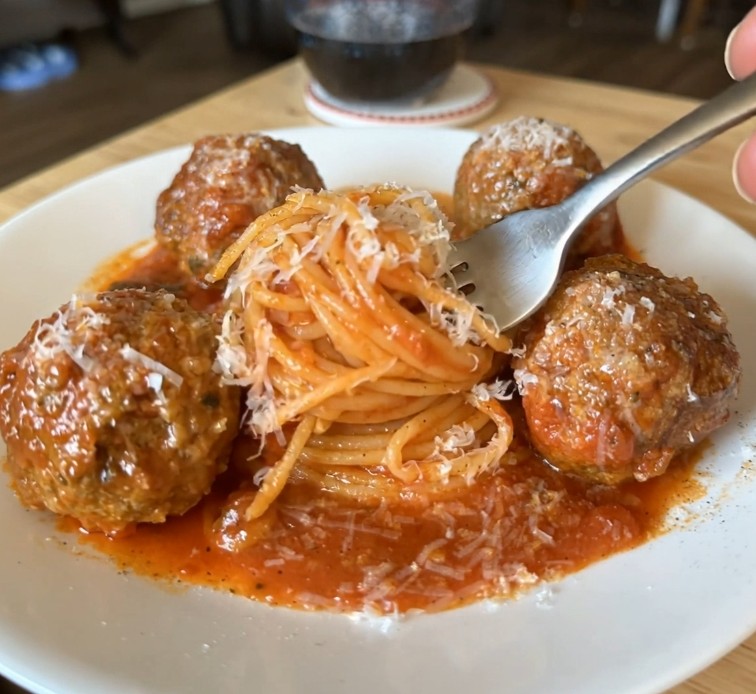
Why People Will Love This Spaghetti con Polpette Recipe:
It captures true Italian home-style cooking – Simple ingredients, gentle seasoning, and careful cooking create a dish that feels authentic and deeply comforting.
Tender, flavorful meatballs – The combination of egg, cheese, herbs, and breadcrumbs produces meatballs that are soft, juicy, and perfectly seasoned.
A clean, balanced tomato sauce – Tomato purée, olive oil, and fresh basil come together for a sauce that is bright, fragrant, and never heavy.
Perfect harmony between pasta and sauce – The spaghetti is finished directly in the pan, allowing every strand to absorb flavor and turn silky and cohesive.
Comforting yet light – Rich in taste but not overloaded with ingredients, it satisfies without feeling heavy.
Family-friendly and universally loved – This is a dish that appeals to all ages, making it ideal for shared meals.
Quick enough for weeknights, special enough for weekends – Straightforward steps with rewarding results.
Customizable without losing its soul – Easy to adjust meatball size, herbs, or cheese while preserving the heart of the dish.
A meal that brings people together – Warm, familiar, and generous, it’s meant to be served at the table and enjoyed slowly.
Key Ingredients
Minced meat – The foundation of the meatballs, providing savory depth and a tender bite when gently mixed and cooked.
Egg – Acts as a natural binder, giving the meatballs structure while keeping them soft and moist.
Grated cheese – Adds saltiness and umami, enriching the meatballs with classic Italian flavor.
Breadcrumbs – Absorb moisture and create a light, delicate texture rather than dense or heavy meatballs.
Fresh parsley – Brings freshness and balance, lifting the richness of the meat.
Spaghetti – Long, delicate strands that hold the sauce beautifully and deliver the classic pasta experience.
Tomato purée – Forms a clean, bright sauce that highlights the sweetness of tomatoes without overpowering the dish.
Fresh basil – Infuses the sauce with aroma and warmth, giving it unmistakable Italian character.
Olive oil – Adds richness and smoothness while carrying the flavors of the sauce and meatballs.
Salt – Enhances and brings all the flavors into balance, allowing each ingredient to shine.
Expert Tips:
Mix the meat gently – Overworking the meat mixture makes the meatballs dense. Stir just until the ingredients come together for a tender, delicate texture.
Moisten the breadcrumbs if needed – If your breadcrumbs are very dry, a small splash of water or milk helps keep the meatballs soft and juicy.
Keep meatballs uniform in size – Evenly sized meatballs cook at the same rate and ensure consistent texture throughout the dish.
Brown lightly, not aggressively – Cook the meatballs over medium heat, turning gently. A light sear adds flavor without drying them out.
Let the sauce finish the cooking – Allowing the meatballs to simmer in the tomato sauce deepens flavor and keeps them moist.
Season in layers – Lightly season the meatballs and the sauce separately to build balanced flavor rather than relying on salt at the end.
Use good-quality tomato purée – Since the sauce is simple, the quality of the tomatoes makes a noticeable difference.
Cook pasta until just al dente – Slight firmness allows the spaghetti to finish cooking in the sauce without becoming mushy.
Toss pasta in the pan, not on the plate – Mixing spaghetti directly with the sauce and meatballs ensures every strand is evenly coated and flavorful.
Serve immediately – This dish is at its best when hot and freshly mixed, with the sauce silky and the pasta perfectly tender.
How to make Spaghetti con Polpette
Ingredients:
FOR THE MEATBALLS
200 g minced meat
1 egg
2 tbsp grated cheese
2 tbsp bread crumbs
parsley to taste
fine salt to taste
FOR THE PASTA AND SAUCE
350 g spaghetti
500 g tomato puree
basil
olive oil
fine salt
Instructions:
We put the minced meat, egg, salt, parsley and grated cheese in a bowl and mix with a fork (or if we prefer with our hands).
We also incorporate the breadcrumbs and mix again until we have a homogeneous and workable mixture.
Heat a little oil and a pinch of salt in a non-stick pan, and in the meantime form the meatballs with your hands and then arrange them in the pan without overlapping them. The size of our meatballs is about a cherry, but we can make them even bigger if we prefer. Cook the meatballs for about 5 minutes, stirring often (the cooking time depends on the size of the meatballs).
Add the tomato puree and season with a pinch of salt and a few basil leaves, then cook for about 10 minutes over medium heat.
In the meantime, boil the spaghetti in plenty of salted water
Drain them al dente and dip them in the pan with the sauce and meatballs. Mix until all the pasta is perfectly seasoned.
We serve our spaghetti with meatballs hot and creamy!
Important Notes When Making Spaghetti con Polpette
This dish relies on simplicity – Spaghetti con Polpette is not about heavy seasoning or complex techniques. Each ingredient should be allowed to speak clearly.
Meatball texture is key – The balance of meat, egg, cheese, and breadcrumbs creates softness. Adjust breadcrumbs carefully to avoid dryness or heaviness.
Tomato sauce should remain light – The sauce is meant to coat, not drown, the pasta. Overcooking or excessive seasoning can mask the freshness of the tomatoes and basil.
Olive oil quality matters – With so few ingredients, good olive oil adds noticeable richness and aroma.
Salt must be controlled carefully – Cheese and tomatoes already bring salt, so adjust gradually rather than all at once.
Pasta water is essential – Always salt the pasta water well; it’s the only chance to season the spaghetti from within.
Finishing in the sauce is not optional – This step creates cohesion and gives the dish its creamy, unified texture.
Serve hot and fresh – The balance of flavors and textures is best immediately after cooking.
Traditionally home-style, not ornate – This recipe celebrates warmth, generosity, and comfort rather than presentation or complexity.
How to Enjoy Spaghetti con Polpette After Cooking
Serve immediately while hot
This dish is at its best right after cooking, when the pasta is silky, the sauce clings to every strand, and the meatballs are tender and juicy.
Plate with balance
Use tongs to twirl the spaghetti, making sure each serving includes a generous amount of sauce and several meatballs for a complete bite.
Finish with a light touch
Add a drizzle of good olive oil or a few fresh basil leaves just before serving to enhance aroma and freshness.
Add cheese thoughtfully
A light sprinkle of grated cheese enhances flavor without overpowering the delicate balance of the sauce and meatballs.
Pair with simple sides
Serve alongside crusty bread to scoop up extra sauce, or a fresh green salad to contrast the richness of the dish.
Enjoy slowly
This is a meal meant to be savored. Take time to appreciate the harmony of pasta, sauce, and meatballs in each bite.
Create a warm table atmosphere
Spaghetti con Polpette is best enjoyed family-style, shared at the table with conversation and relaxed pacing.
Store and reheat gently
If reheating leftovers, warm slowly over low heat with a splash of water or sauce to restore softness.
Embrace the comfort
More than just food, this dish is about warmth, familiarity, and the joy of simple, well-made cooking.
Nutrition Information:
Calories: ~520 kcal | Total Fat: 18 g | Saturated Fat: 6 g | Monounsaturated Fat: 8 g | Polyunsaturated Fat: 2 g | Cholesterol: 95 mg | Sodium: 650–800 mg (depending on cheese, breadcrumbs, and added salt) | Total Carbohydrates: 58 g | Dietary Fiber: 4 g | Sugars: 7 g | Protein: 30 g
Frequently Asked Questions:
Can I use a mix of meats for the meatballs?
Yes. A combination of beef and pork works beautifully, adding extra tenderness and flavor. Just keep the texture light by not overmixing.
Why are my meatballs falling apart?
This usually means there isn’t enough binder or the mixture was too dry. Make sure the egg and breadcrumbs are well incorporated, and mix gently until just combined.
Should the meatballs be fully cooked before adding the sauce?
They should be lightly browned first, then finished in the tomato sauce. This keeps them juicy while allowing them to absorb flavor from the sauce.
Can I prepare this dish ahead of time?
Yes. You can make the meatballs and sauce in advance and refrigerate them. Cook the spaghetti fresh and combine everything just before serving for the best texture.
Is it better to add pasta to the sauce or sauce to the pasta?
Always add the pasta to the sauce. Tossing spaghetti directly in the pan allows it to absorb flavor and creates a cohesive, creamy finish.
How finely should the ingredients for the meatballs be chopped?
Parsley should be finely chopped so it distributes evenly without creating large pieces that affect texture. The rest of the ingredients should blend smoothly into the meat mixture.
Is it better to mix the meatball ingredients by hand or with a spoon?
Either works, but mixing gently by hand often gives better control and helps avoid overworking the meat, which can make meatballs dense.
How do I know when the meatballs are properly browned?
They should be lightly golden on the outside but not fully cooked through. They will finish cooking once simmered in the tomato sauce.
Can I cook the meatballs directly in the sauce instead of frying them first?
Yes, but browning them first adds flavor and improves texture. Cooking them directly in sauce results in a softer, more delicate meatball.
How do I prevent the spaghetti from sticking together?
Use plenty of well-salted boiling water, stir during the first minute of cooking, and toss the drained pasta immediately with the sauce to keep it loose and glossy.