Shrimp Étouffée Recipe
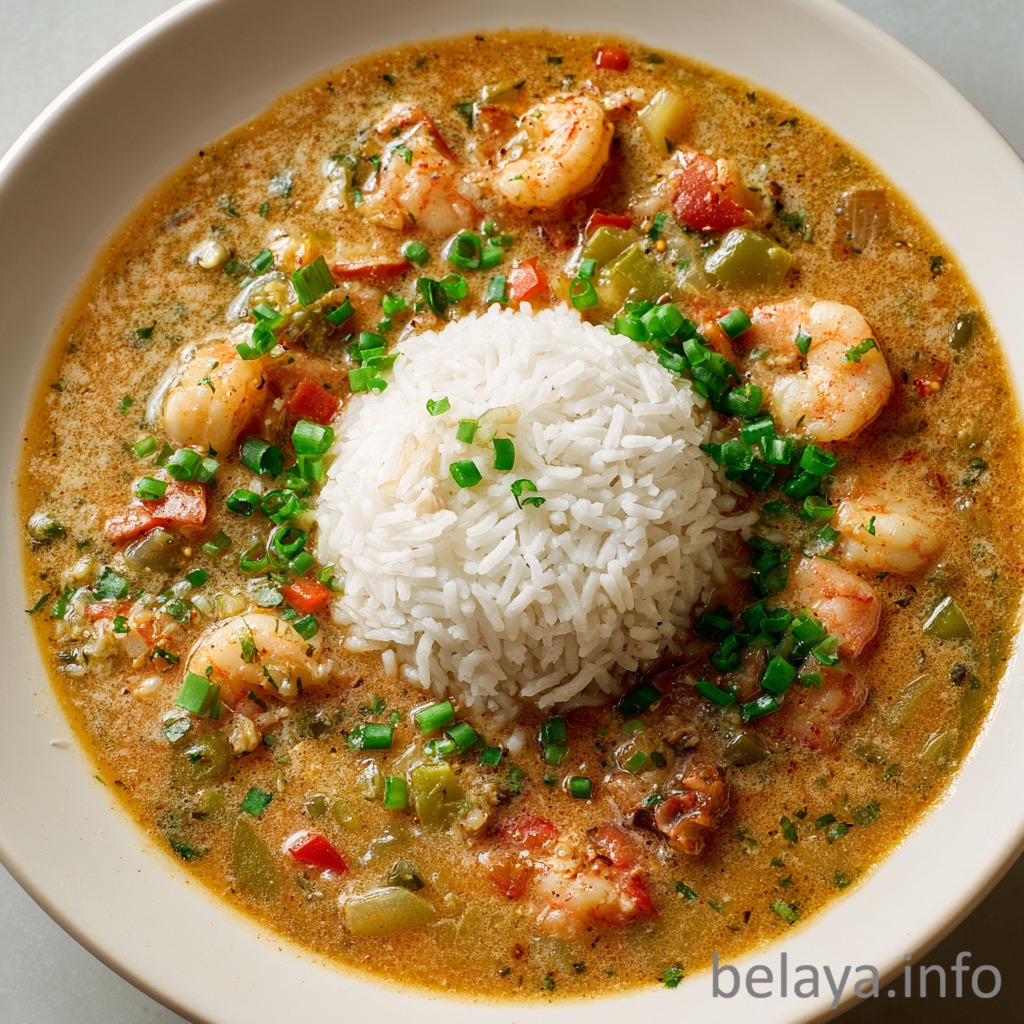
This Shrimp Étouffée is a soulful Louisiana classic that celebrates patience, depth, and bold seasoning.
Built on a rich, golden roux and the holy trinity of onion, bell pepper, and celery, the sauce slowly develops into something deeply savory and comforting.
Finished with tender shrimp and aromatic spices, it’s a dish that feels both rustic and elegant—warm, layered, and deeply satisfying with every spoonful over rice.
Why People Will Love Shrimp Étouffée:
Deep, layered Cajun flavor
A slow-cooked roux and aromatic vegetables create a rich, savory base that delivers bold Louisiana flavor without overwhelming the shrimp.
Perfect balance of richness and freshness
Butter, oil, and flour provide body, while herbs, tomatoes, and green onions add brightness and contrast.
Tender, juicy shrimp in every bite
Shrimp are added at the end and gently cooked, ensuring they stay plump, sweet, and never rubbery.
Comforting yet refined
Served over rice, this dish feels cozy and hearty, yet elegant enough for guests or special occasions.
Authentic Southern technique
Traditional methods—like building a roux and using the holy trinity—give the dish genuine depth and credibility.
Highly aromatic and inviting
As it cooks, the kitchen fills with warm, savory aromas that build anticipation before the first bite.
Customizable heat and seasoning
Easily adjusted to suit different spice tolerances without sacrificing flavor.
Crowd-pleasing and memorable
Rich, flavorful, and satisfying, it’s a dish people remember and ask for again.
Key Ingredients:
Shrimp
The star of the dish—sweet, delicate, and briny—shrimp bring freshness and elegance, soaking up the rich sauce while remaining tender when cooked gently.
Butter, oil, and flour (the roux)
This trio forms the backbone of étouffée. Slowly cooked to a deep golden color, the roux delivers nutty depth, body, and the signature Louisiana richness.
The Holy Trinity (onion, bell pepper, celery)
These vegetables create the aromatic foundation, offering sweetness, earthiness, and balance that define Cajun and Creole cooking.
Garlic
Adds warmth and savory intensity, reinforcing the depth of the sauce without overpowering the shrimp.
Cajun or Creole seasoning
A carefully balanced blend of spices that provides gentle heat, smokiness, and complexity—bringing the soul of Louisiana into the pot.
Dried thyme and bay leaves
These herbs add subtle herbal notes that deepen the sauce and round out the spices during simmering.
Seafood stock
Infuses the sauce with briny richness, reinforcing the shrimp flavor and tying all the elements together.
Green onions
Added at the end, they bring freshness and mild sharpness that lift the richness and brighten each bite.
Expert Tips:
Cook the roux low and slow
Patience is essential. Keeping the heat at medium-low prevents burning and allows the roux to develop a deep, nutty flavor without bitterness.
Stir constantly during the roux stage
Even a brief pause can cause scorching. Continuous stirring ensures a smooth, evenly colored roux.
Aim for a peanut-butter color
This shade delivers maximum flavor while keeping the sauce balanced and not overly heavy or bitter.
Add vegetables promptly to stop the roux
Stirring in the onion, bell pepper, and celery cools the roux and locks in the desired color.
Bloom spices in fat
Cooking the Cajun seasoning, thyme, and garlic briefly in the roux releases essential oils and deepens flavor.
Use warm stock if possible
Adding warm seafood stock prevents the sauce from seizing and helps maintain a smooth texture.
Simmer gently, never boil hard
A gentle simmer allows the sauce to thicken naturally without separating or becoming grainy.
Add shrimp at the very end
Shrimp cook quickly. Adding them too early makes them tough and rubbery.
Season gradually and taste often
Cajun seasoning blends vary widely in salt and heat. Adjust carefully as the sauce reduces.
Rest before serving
Letting the étouffée sit for a few minutes off heat allows flavors to meld and the sauce to settle.
Shrimp Étouffée Recipe
Ingredients
3 Tbsp. unsalted butter
3 Tbsp. vegetable oil
1/3 c. all-purpose flour
1 small yellow onion, chopped
1 green bell pepper, chopped
3 celery stalks, chopped
4 garlic cloves, chopped
1 1/2 Tbsp. Cajun or Creole seasoning
1 1/2 tsp. dried thyme
1/2 tsp. salt, plus additional to taste
3 c. seafood stock
1 15-oz. can diced tomatoes, drained
2 dried bay leaves
2 lb. medium shrimp, peeled and deveined
1 c. sliced green onions, divided
Cooked white rice, for serving
Instructions:
Make the roux
In a large Dutch oven set over medium-low heat, melt the butter with the vegetable oil.
Sprinkle in the flour and cook, stirring constantly, until the mixture turns smooth and deep golden brown, about 6–8 minutes.
Build the flavor base
Add the chopped onion, bell pepper, celery, garlic, Cajun seasoning, thyme, and salt.
Cook, stirring frequently, until the vegetables begin to soften and release their aroma, about 5–7 minutes.
Simmer the sauce
Pour in the seafood stock and add the drained tomatoes and bay leaves.
Bring the mixture to a gentle simmer and cook, stirring occasionally, until slightly thickened, about 5 minutes.
Cook the shrimp
Lower the heat to medium-low.
Stir in the shrimp and half of the sliced green onions.
Cook uncovered until the shrimp turn pink and are just cooked through, about 5–7 minutes.
Serve
Spoon the shrimp étouffée over warm cooked white rice and garnish with the remaining green onions before serving.
Important Notes When Making Shrimp Étouffée:
Roux color defines the dish
Étouffée traditionally uses a lighter, golden-brown roux rather than the dark roux of gumbo. Going too dark can overpower the delicate shrimp.
Heat control is critical
Medium-low heat prevents the roux from burning and keeps the sauce smooth and cohesive throughout cooking.
Shrimp size and timing matter
Medium shrimp are ideal. Larger shrimp need slightly longer cooking, while smaller shrimp can overcook quickly if not watched carefully.
Don’t rush the vegetable stage
The onion, bell pepper, and celery should soften and become aromatic, not browned, to maintain the dish’s balanced flavor.
Cajun vs. Creole seasoning affects profile
Cajun blends are typically spicier and smokier, while Creole seasoning tends to be more herb-forward. Choose based on your preference.
Seafood stock quality impacts flavor
Use low-sodium, high-quality stock. Overly salty stock can quickly throw off balance as the sauce reduces.
Tomatoes are subtle, not dominant
Tomatoes add brightness, not body. The sauce should still be primarily roux-based, not tomato-heavy.
Avoid over-thickening
Étouffée should be rich and spoonable, not paste-like. If it thickens too much, loosen with a splash of warm stock.
Best served immediately
While leftovers reheat well, shrimp étouffée has its best texture and flavor straight from the pot.
Serve traditionally
Always over rice—never mixed in—to preserve the integrity of the sauce and shrimp.
How to Enjoy Shrimp Étouffée After Cooking
Let it rest briefly off the heat
Allow the étouffée to sit for 5–10 minutes after cooking. This helps the sauce settle, thicken slightly, and fully absorb the flavors of the roux and spices.
Serve warm, not boiling hot
Shrimp étouffée is best enjoyed warm. Extremely high heat can dull the subtle sweetness of the shrimp and the complexity of the sauce.
Spoon over freshly cooked rice
Place fluffy white rice on the plate first, then ladle the étouffée over the top. This keeps the shrimp tender and lets the sauce coat the rice evenly.
Mind the shrimp texture
Eat while the shrimp are just-cooked and tender. Over-reheating can make them firm, so gentle warming is key.
Finish with fresh garnish
Sprinkle sliced green onions just before serving to add freshness and a mild bite that cuts through the richness.
Balance richness with acidity if desired
A tiny squeeze of lemon or a splash of hot sauce can brighten the dish without overwhelming its classic flavor.
Pair with simple sides
Serve alongside crusty bread, steamed vegetables, or a light green salad to contrast the rich sauce.
Enjoy slowly and intentionally
Étouffée is meant to be savored. Take time to appreciate the nutty roux, aromatic vegetables, and sweet shrimp in each bite.
Reheat leftovers gently
Warm over low heat with a splash of stock if needed. Avoid boiling to preserve shrimp tenderness.
Even better with good company
This dish shines as a shared meal—comforting, soulful, and perfect for gathering around the table.
Nutrition Information:
Approximate values per 1 serving, assuming the recipe serves 6 and is served without rice.
Calories: 430 kcal | Total Fat: 26.8 g | Saturated Fat: 9.4 g | Monounsaturated Fat: 12.1 g | Polyunsaturated Fat: 3.6 g | Cholesterol: 255 mg | Sodium: 720–900 mg (depending on seasoning blend, stock, and added salt) | Total Carbohydrates: 18.6 g | Dietary Fiber: 2.4 g | Sugars: 4.2 g | Protein: 31.5 g
Frequently Asked Questions:
What makes Shrimp Étouffée different from gumbo?
Shrimp étouffée uses a lighter roux and a thicker, more sauce-like consistency, while gumbo typically has a darker roux and a soupier texture.
Can I use frozen shrimp for this recipe?
Yes. Thaw frozen shrimp completely and pat them dry before cooking to prevent excess water from thinning the sauce.
Is Shrimp Étouffée very spicy?
It’s moderately seasoned rather than intensely spicy. The heat level depends on the Cajun or Creole seasoning used and can easily be adjusted.
Can I make Shrimp Étouffée ahead of time?
You can prepare the sauce base in advance, but it’s best to add and cook the shrimp just before serving to maintain their tender texture.
What’s the best way to store and reheat leftovers?
Store leftovers in an airtight container in the refrigerator for up to 2 days. Reheat gently over low heat, adding a splash of stock if needed to loosen the sauce.
How do I know when the roux is ready?
The roux is ready when it turns a smooth, golden to light peanut-butter color and smells nutty—not burnt. This usually takes 6–8 minutes over medium-low heat with constant stirring.
Why must I add the vegetables right after the roux forms?
Adding the onion, bell pepper, and celery immediately stops the roux from darkening further and prevents burning while building the flavor base.
Should the seafood stock be warm or cold when added?
Warm stock is best. It helps the sauce stay smooth and prevents the roux from seizing or becoming lumpy.
When exactly should the shrimp be added?
Shrimp should be added at the very end, once the sauce is fully developed. They cook quickly—usually in 5–7 minutes—and overcooking makes them tough.
How thick should the étouffée be before serving?
It should be rich and spoonable, thick enough to coat the back of a spoon but still fluid. If it gets too thick, add a splash of warm stock to loosen it.