Seafood Linguine
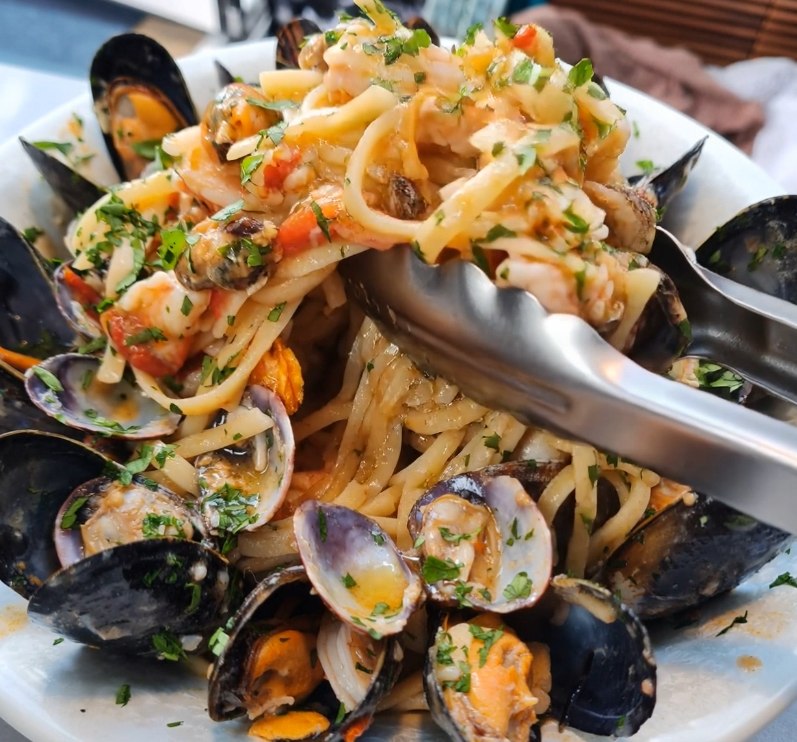
Seafood Linguine is a rich, coastal-inspired pasta that brings together the ocean’s finest flavors in one elegant dish.
Tender shrimp, sweet scallops, and delicate crab are gently simmered in a velvety cream and white wine sauce, then tossed with perfectly cooked linguine to create a luxurious, restaurant-style meal. Each bite is layered with savory depth, subtle sweetness, and aromatic herbs, making this dish both indulgent and comforting.
It’s a celebration of fresh seafood and creamy Italian technique—perfect for special dinners, gatherings, or whenever you want to elevate your pasta night into something truly memorable.
Why People Will Love This Seafood Linguine Recipe
A luxurious seafood experience at home – the combination of shrimp, scallops, and crab creates a rich, restaurant-quality dish that feels indulgent yet approachable
Perfect harmony of land and sea flavors – sweet, tender seafood is balanced with a creamy white wine sauce and aromatic garlic, delivering depth without overwhelming the palate
Silky, velvety sauce that clings to every strand of linguine – the cream, cheese, and wine create a smooth texture that coats the pasta beautifully for a satisfying bite
Multiple textures in every forkful – juicy shrimp, delicate scallops, and flaky crabmeat paired with tender pasta make each bite interesting and satisfying
Elegant yet easy to prepare – despite its upscale appearance, the recipe uses straightforward techniques and simple steps that home cooks can master
Aromatic and inviting from the moment it cooks – the scent of garlic, wine, and seafood simmering together creates an irresistible kitchen atmosphere
Perfect for special occasions or date nights – this dish looks impressive and tastes luxurious, making it ideal for entertaining or romantic dinners
Comforting and indulgent without being heavy – the brightness of white wine and herbs balances the richness of cream and cheese
Customizable to your preference – you can adjust the seafood mix, spice level, or herbs to suit your taste while keeping the core flavor profile intact
Pairs beautifully with wine and simple sides – it complements crisp white wines, fresh salads, or crusty bread, making it a complete and satisfying meal
Key Ingredients:
Linguine Pasta – a long, flat noodle that provides the perfect surface area for holding onto creamy sauces; it creates a smooth, silky bite that pairs naturally with seafood
Jumbo Shrimp – the primary protein; sweet, firm, and juicy, they add a satisfying bite and absorb the flavors of the garlic, wine, and cream
Baby Scallops – tender and delicate, they bring a mild sweetness and soft texture that contrasts beautifully with the shrimp
Fresh Lump Crabmeat – light, flaky, and subtly sweet, it elevates the dish with a refined, luxurious seafood flavor
Extra Virgin Olive Oil – used as the aromatic base for sautéing onions and garlic, adding depth and a smooth mouthfeel
Red Onion – provides a gentle sweetness and mild sharpness that builds the flavor base without overpowering the seafood
Garlic – a key aromatic that infuses the dish with warmth and savory depth, enhancing the overall flavor profile
Heavy Cream – forms the body of the sauce, creating a rich, velvety texture that coats the pasta and seafood
White Wine – adds brightness and acidity, balancing the richness of the cream while enhancing the natural sweetness of the seafood
Pecorino Romano Cheese – contributes a salty, nutty sharpness that deepens the sauce and complements the seafood flavors
All-Purpose Flour – helps slightly thicken the sauce, ensuring it clings smoothly to the pasta without being too heavy
Ground Coriander – adds a subtle citrusy, warm note that lifts the flavor and complements the seafood
Fresh Parsley – brings freshness, color, and a light herbal finish that balances the richness of the cream sauce
Salt and Black Pepper – essential for seasoning and enhancing all the layered flavors in the dish
Expert Tips:
Use the freshest seafood you can find
Fresh shrimp, scallops, and crab make a huge difference in flavor and texture. If using frozen seafood, thaw it slowly in the refrigerator and pat it dry before cooking.
Cook the pasta just to al dente
Slightly firm pasta holds up better when tossed in the sauce and continues to absorb flavor without becoming mushy.
Salt your pasta water generously
The water should taste like the sea—this is your only chance to season the pasta from the inside.
Dry the seafood before cooking
Excess moisture prevents proper searing and can dilute the sauce. Pat shrimp and scallops dry with paper towels before adding to the pan.
Sauté aromatics gently
Cook onions and garlic over medium heat just until fragrant. Burnt garlic will give the entire dish a bitter taste.
Cook seafood in stages
Add shrimp and scallops first, then gently fold in the crab last. This prevents overcooking and keeps delicate crabmeat intact.
Do not overcook the seafood
Shrimp should just turn pink and curl slightly; scallops should turn opaque and tender. Overcooking makes them rubbery and tough.
Use a good-quality dry white wine
Choose something you would drink, like Pinot Grigio or Sauvignon Blanc. Avoid sweet wines, which can overpower the savory sauce.
Let the wine reduce slightly before adding cream
This concentrates the flavor and removes any harsh alcohol notes.
Balance the sauce carefully
The cream adds richness, while wine and coriander bring brightness. Taste before serving and adjust salt, pepper, or a squeeze of lemon if needed.
Add the cheese off the heat or at low heat
This prevents it from clumping or becoming grainy in the sauce.
Toss pasta and sauce together in the pan
This allows the linguine to absorb the sauce and ensures every strand is coated evenly.
Finish with fresh herbs right before serving
Adding parsley at the end keeps the flavor fresh and vibrant.
Serve immediately for best texture
Cream sauces thicken as they sit. If needed, loosen the sauce with a splash of pasta water before serving.
Optional pro-level finish
Add a small squeeze of fresh lemon juice at the end to brighten the dish and enhance the natural sweetness of the seafood.
Seafood Linguine
Ingredients:
1 pound linguine pasta
2 dozen jumbo raw shrimp (peeled and deveined)
8 ounces raw baby scallops
8 ounces fresh lump crabmeat
3 tablespoons extra virgin olive oil
½ cup chopped red onion
3 tablespoons minced garlic
2 tablespoons all purpose flour
1 ½ cups heavy cream
½ cup white wine
¼ cup grated pecorino romano cheese
½ tablespoon parsley
½ teaspoon ground coriander
½ teaspoon kosher salt
¼ teaspoon black pepper
Instructions:
Start by filling a large pot or pasta pot with water and a dash of salt; then bring to a boil over high heat. When the water comes to a rolling boil, add the linguine and cook 9-13 minutes until al dente; then drain and place the linguine back into the pot.
While the pasta is cooking, heat the oil in a large skillet over medium high heat; then add the onions. Saute for 1-2 minutes; then add the garlic and cook for another 30 seconds.
Next, add the flour, mix; then add the wine, heavy cream, grated cheese, coriander, parsley, salt and pepper
Add the shrimp, scallops and crabmeat; then cook over medium heat for 5-7 minutes until the seafood is cooked through. (The shrimp will turn pink; the scallops and crabmeat will turn white).
Pour the seafood mixture over the cooked linguine, toss to coat; then add to a pasta serving bowl.
Garnish with chopped parsley or extra grated cheese. Serve immediately.
Important Notes When Making Seafood Linguine
Seafood quality and handling are critical
Use the freshest shrimp, scallops, and crab you can find. Keep them well-chilled until cooking, and do not let them sit at room temperature for long to maintain safety and flavor.
Timing is everything with seafood
Each type cooks quickly. Overcooking even by a minute can make shrimp rubbery and scallops tough. Add seafood at the right stage and cook just until done.
Do not overcrowd the pan
If the skillet is too full, the seafood will steam instead of sauté, reducing flavor and creating excess liquid in the sauce.
Control the thickness of the cream sauce
The flour helps thicken the sauce, but too much can make it heavy. If the sauce becomes too thick, loosen it with a splash of pasta water or a little extra cream.
Balance richness with acidity
Cream and cheese create a rich base. The white wine and optional lemon juice are essential to keep the dish from feeling too heavy.
Be mindful of salt levels
Seafood, cheese, and salted pasta water already contain sodium. Taste before adding extra salt to avoid an overly salty dish.
Add crab gently at the end
Lump crabmeat is delicate and should be folded in last to keep the pieces intact and prevent it from breaking apart.
Use medium heat for the sauce
High heat can cause the cream to separate or the cheese to become grainy. Keep the heat moderate for a smooth, silky sauce.
Pasta absorbs sauce as it sits
If the linguine becomes dry after mixing, add a splash of reserved pasta water or broth to restore the creamy consistency.
Serve immediately for best quality
Cream-based seafood pasta is best enjoyed fresh. Holding it too long can cause the sauce to thicken and the seafood to lose its tenderness.
Leftover storage and reheating
Store in an airtight container in the refrigerator for up to 2 days. Reheat gently over low heat with a little cream or broth to bring back the smooth texture.
Wine substitution option
If you prefer not to use wine, substitute with seafood or chicken broth plus a small squeeze of lemon juice for brightness.
Allergy and dietary considerations
This dish contains shellfish and dairy. Be mindful of dietary needs and offer alternatives if serving guests.
How to Enjoy Seafood Linguine After Cooking
1. Let the Pasta Settle Briefly
After tossing the linguine with the sauce, let it rest for 1–2 minutes so the pasta absorbs the flavors and the sauce slightly thickens
If it thickens too much, loosen it with a splash of reserved pasta water or a little warm cream
2. Plate with Restaurant-Style Presentation
Twirl the linguine into neat nests using tongs and place in shallow bowls
Arrange shrimp and scallops on top so the seafood is visible and evenly distributed
Spoon a little extra sauce over the top for a glossy finish
3. Add Fresh Finishing Touches
Sprinkle fresh parsley for color and brightness
Add a light dusting of Pecorino Romano if desired
Finish with a drizzle of high-quality olive oil or a small squeeze of fresh lemon juice to enhance the flavors
4. Serve at the Right Temperature
Best enjoyed hot and freshly prepared when the sauce is silky and the seafood is tender
Avoid letting it sit too long, as cream sauces will thicken and seafood may lose its delicate texture
5. Pair with Perfect Side Dishes
A light green salad with vinaigrette helps balance the richness
Serve with warm crusty bread or garlic bread to soak up the sauce
Roasted or steamed vegetables like asparagus or zucchini complement the dish beautifully
6. Beverage Pairings
Pair with a crisp white wine such as Pinot Grigio, Sauvignon Blanc, or Chardonnay
Non-alcoholic options: sparkling water with lemon, citrus spritzers, or light herbal iced tea
7. Enjoy the Full Flavor Experience
Take a bite that includes pasta, shrimp, scallop, and crab together to experience the full range of textures and flavors
Notice the balance: creamy, savory, slightly sweet seafood, and aromatic herbs
8. Serving for Gatherings
Present on a large serving platter for family-style dining
Garnish generously and place lemon wedges and extra cheese on the side for guests to customize their plates
9. Enjoying Leftovers
Store leftovers in an airtight container in the refrigerator for up to 2 days
Reheat gently over low heat with a splash of cream, broth, or water to restore the sauce’s texture
10. Creative Next-Day Uses
Turn leftovers into a seafood pasta bake with a sprinkle of cheese and a quick oven reheat
Chop seafood and mix with fresh greens for a warm seafood salad
Use in a wrap or stuffed bread for a quick gourmet lunch
Final Tip:
Seafood Linguine is best enjoyed fresh, warm, and slowly—allowing the creamy sauce and delicate seafood to shine in every bite.
Nutrition Information:
YIELDS: 4 | SERVING SIZE: 1
Calories: 640 kcal | Total Fat: 32 g | Saturated Fat: 16 g | Monounsaturated Fat: 11 g | Polyunsaturated Fat: 2 g | Cholesterol: 210 mg | Sodium: 720–900 mg (depending on added salt and cheese) | Total Carbohydrates: 58 g | Dietary Fiber: 3 g | Sugars: 4 g | Protein: 34 g
Frequently Asked Questions:
Can I use different types of seafood in this recipe?
Yes. This dish is very flexible—you can substitute or add seafood such as mussels, clams, lobster, or firm white fish. Just adjust cooking times so each type is cooked properly and not overdone.
What is the best type of pasta to use if I don’t have linguine?
You can use fettuccine, spaghetti, or even tagliatelle. Choose a long pasta that can hold the creamy sauce and pair well with seafood.
Can I make this dish lighter or less rich?
Yes. You can reduce the amount of heavy cream and replace part of it with seafood or chicken broth. This will keep the dish flavorful but lighter in texture and calories.
How do I know when the seafood is perfectly cooked?
Shrimp should turn pink and curl slightly, scallops should become opaque and tender, and crabmeat should be heated through. Avoid cooking too long, as seafood can become tough and rubbery.
What is the best wine to serve with Seafood Linguine?
A crisp, dry white wine such as Pinot Grigio, Sauvignon Blanc, or a light Chardonnay pairs beautifully, complementing both the seafood and the creamy sauce.
Why is my cream sauce turning grainy or separating?
This usually happens when the heat is too high or the cheese is added too quickly. Keep the heat at medium or medium-low, and add the cheese gradually while stirring so the sauce stays smooth and emulsified.
How do I keep the seafood from becoming rubbery?
Seafood cooks very fast. Add shrimp and scallops only after the sauce base is ready, and cook just until shrimp turn pink and scallops turn opaque. Remove from heat immediately once done to avoid overcooking.
My sauce is too thick or too thin—how can I fix it?
If the sauce is too thick, stir in a splash of reserved pasta water, broth, or cream to loosen it. If it’s too thin, let it simmer a few more minutes to reduce, or add a small pinch of cheese to help thicken it.
How do I prevent the pasta from clumping together after draining?
Toss the drained linguine immediately with a small amount of olive oil or sauce. Also, avoid overcooking and don’t let the pasta sit too long before mixing it with the seafood sauce.
How can I build more flavor in the dish while cooking?
Sauté the onions and garlic until fragrant, let the wine reduce slightly before adding cream, and use the browned bits in the pan (fond) for depth. Finishing with fresh parsley and a squeeze of lemon juice adds brightness and balance.