Lasagna alla Bolognese
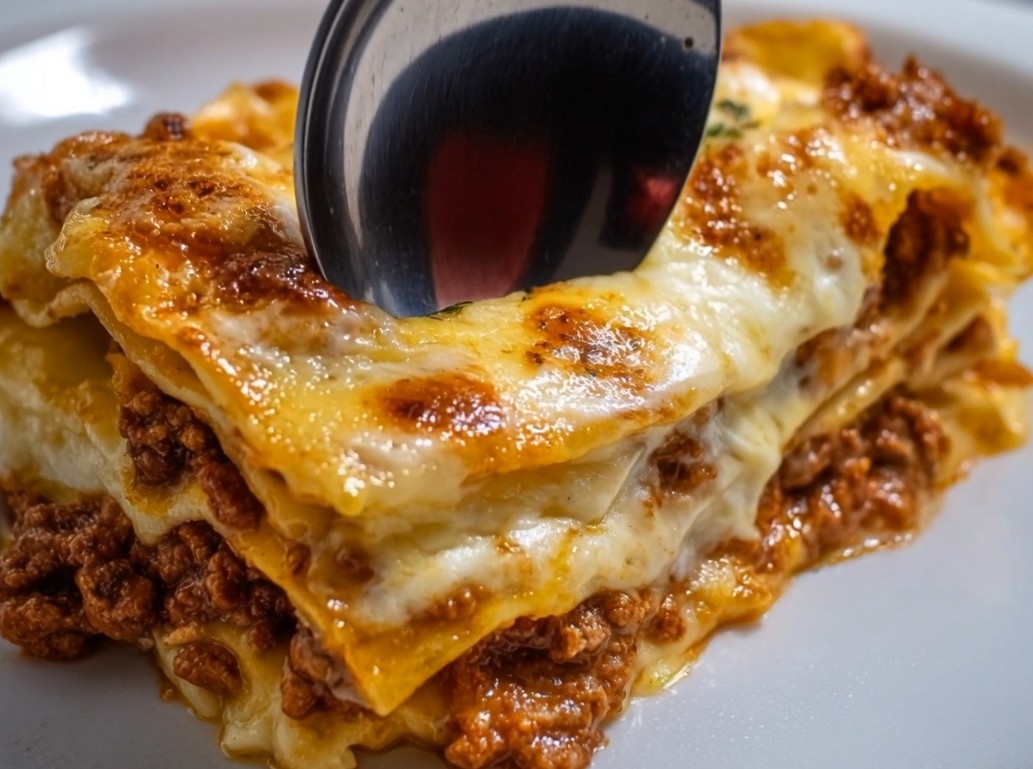
This Classic Lasagna alla Bolognese is a celebration of patience, tradition, and deeply layered flavor.
Built slowly with a rich, long-simmered ragù, silky béchamel, and delicate sheets of fresh pasta, this dish reflects the heart of Italian home cooking—where time and care transform simple ingredients into something extraordinary.
Each slice is comforting yet refined, offering a perfect balance of savory meat, gentle creaminess, and subtle sweetness that lingers long after the last bite.
Why People Will Love This Classic Lasagna alla Bolognese:
Authentic, time-honored flavor – The slow-simmered ragù develops deep, layered richness that reflects true Italian tradition rather than a quick, shortcut version.
Perfect balance of meat, cream, and pasta – The combination of savory beef and pork, silky béchamel, and tender lasagna sheets creates harmony in every bite.
Comforting yet refined – This lasagna feels warm and familiar, yet elegant enough to serve for special occasions or meaningful family gatherings.
Luxuriously smooth texture – Fresh egg-based pasta and creamy béchamel melt together, creating a soft, cohesive structure that slices beautifully.
Depth without heaviness – Milk in the ragù and béchamel adds roundness and softness, preventing the dish from tasting overly acidic or dense.
A true labor of love – The long cooking time rewards patience, making this dish especially satisfying to prepare and share.
Rich but well-balanced seasoning – Subtle nutmeg, Parmigiano Reggiano, and carefully seasoned meat enhance the dish without overpowering it.
Ideal for sharing – Lasagna is made to be placed at the center of the table, encouraging conversation, comfort, and connection.
Even better the next day – Resting allows flavors to meld further, making leftovers just as delicious—if not more—than the first serving.
A classic that never goes out of style – This recipe delivers timeless appeal, rooted in tradition and loved across generations.
Key Ingredients:
Ground beef and pork – This classic combination delivers depth and balance: beef provides structure and savoriness, while pork adds richness and natural sweetness to the ragù.
Soffritto (onion, carrot, celery) – Finely chopped and slowly sautéed, this aromatic base builds gentle sweetness and complexity that forms the soul of the sauce.
Tomato passata – Smooth and refined, passata adds acidity and body without overpowering the meat, allowing the ragù to stay rich and balanced.
Dry white wine – Used to deglaze and lift the flavors, it adds subtle acidity and aromatic depth that enhances the long-simmered sauce.
Whole milk – A key traditional element, milk softens the meat fibers, rounds out acidity, and contributes to a velvety, cohesive ragù and béchamel.
Butter and flour (béchamel base) – Together they create a smooth, creamy sauce that binds the layers and adds gentle richness without heaviness.
Fresh egg-based lasagna sheets – Tender and delicate, they absorb sauce beautifully and provide authentic texture and structure.
Parmigiano Reggiano – Nutty, salty, and umami-rich, it finishes each layer with depth and enhances the overall complexity of the dish.
Nutmeg, salt, and black pepper – Used sparingly, these seasonings subtly elevate the béchamel and meat without distracting from the core flavors.
Expert Tips:
Take your time with the ragù – A slow, gentle simmer of at least 2 hours allows the meat to soften, the flavors to concentrate, and the sauce to develop true depth. Rushing this step sacrifices complexity.
Finely chop the soffritto – Very small, even pieces melt into the sauce, creating sweetness and body without visible chunks.
Brown the meat properly before adding liquid – Let the beef and pork caramelize slightly to build savory depth before deglazing with wine.
Reduce the wine fully – Allow the alcohol to cook off so only its acidity and aroma remain, preventing bitterness.
Keep the ragù loose but rich – It should be thick, yet still fluid enough to spread easily between layers without drying out during baking.
Whisk béchamel patiently – Add milk gradually and whisk continuously to achieve a silky sauce with no lumps.
Season béchamel lightly – Nutmeg and salt should enhance, not dominate; the cheese will add more saltiness later.
Use thin, even layers – Balanced layering ensures every bite contains meat, cream, and pasta without any element overwhelming the others.
Finish with béchamel on top – This protects the pasta from drying out and creates a golden, tender surface rather than a hard crust.
Rest before slicing – Let the lasagna sit for 10–15 minutes after baking so the layers set and slices hold their shape beautifully.
Classic Lasagna alla Bolognese
Ingredients:
Fresh lasagna sheets, preferably egg-based for authentic texture
300g ground beef and 200g ground pork, for a rich, balanced meat base
1 yellow onion, 1 medium carrot, and 1 celery stalk, all finely chopped (classic soffritto)
400g tomato passata (smooth Italian-style tomato purée)
150ml dry white wine, for depth and acidity
500ml whole milk, for a velvety béchamel sauce
50g unsalted butter
50g all-purpose flour, for the roux
Parmigiano Reggiano, freshly grated, to taste
Fine sea salt, freshly ground black pepper, and a pinch of grated nutmeg, for seasoning
Instructions:
Step 1: Prepare the Ragù (Meat Sauce)
In a large pot, heat olive oil over medium heat. Add the finely chopped onion, carrot, and celery. Sauté until soft and fragrant, about 8–10 minutes.
Add the ground beef and pork, breaking up the meat as it browns. Once fully cooked, pour in the white wine and let it reduce slightly.
Stir in the tomato passata, reduce heat to low, and simmer uncovered for 2 to 3 hours, stirring occasionally until thickened and deeply flavorful.
Step 2: Make the Béchamel Sauce
In a separate saucepan, melt the butter over medium heat. Add the flour and whisk constantly to form a smooth roux.
Slowly pour in the milk, whisking continuously to avoid lumps. Cook until the sauce thickens to a creamy consistency.
Season with salt and a pinch of freshly grated nutmeg. Set aside and keep warm.
Step 3: Assemble the Lasagna
Preheat oven to 180°C (350°F).
In a baking dish, spread a thin layer of ragù, followed by a layer of fresh lasagna sheets.
Top with béchamel and a generous sprinkle of Parmigiano Reggiano.
Repeat the layering process until all components are used, finishing with béchamel and cheese on top.
Step 4: Bake and Serve
Bake in the preheated oven for 45 minutes, or until golden and bubbling.
Let the lasagna rest for 10–15 minutes before slicing to allow the layers to set. Serve warm.
Important Notes When Making Classic Lasagna alla Bolognese:
This is a slow-cooked dish by design – The long simmer is essential to develop depth and tenderness. Shortening the cooking time will result in a flatter, less cohesive flavor.
The ragù should be rich, not watery – Excess liquid can cause the lasagna to collapse. Simmer uncovered and stir occasionally until thick and concentrated.
Milk plays a quiet but crucial role – Whether in the ragù or béchamel, milk softens acidity and creates a round, harmonious flavor typical of authentic Bolognese.
Fresh pasta behaves differently than dried – Fresh lasagna sheets cook faster and absorb sauce more easily, so avoid overly thick layers or excess sauce.
Béchamel should be smooth and pourable – Too thick and it won’t spread evenly; too thin and it won’t support the layers.
Cheese is a seasoning, not the main ingredient – Parmigiano Reggiano adds umami and saltiness; using too much can overpower the delicate balance of the dish.
Even layering matters more than quantity – Consistency across layers ensures uniform texture and flavor from top to bottom.
Resting is not optional – Allowing the lasagna to sit after baking helps the layers set and prevents it from falling apart when sliced.
Flavor improves with time – Like many slow-cooked dishes, lasagna often tastes even better the next day as the flavors continue to meld.
This dish rewards restraint – Simplicity, patience, and balance are what make a true Lasagna alla Bolognese exceptional, not excess ingredients.
How to Enjoy Classic Lasagna alla Bolognese After Cooking
Let it rest before serving
Allow the lasagna to sit for 10–15 minutes after baking. This resting time helps the layers set, making slicing easier and improving the overall texture.
Slice with intention
Use a sharp knife and cut cleanly through the layers. Well-defined slices preserve the structure and ensure each portion showcases the ragù, béchamel, and pasta evenly.
Serve warm, not piping hot
Slightly cooling enhances flavor perception and allows the richness of the sauce and cheese to shine without overwhelming the palate.
Add a light finishing touch
A small dusting of freshly grated Parmigiano Reggiano or a crack of black pepper just before serving enhances aroma and depth without altering the balance.
Pair with something fresh
Serve alongside a simple green salad with lemon or vinaigrette to cut through the richness and refresh the palate.
Choose understated sides
Crusty bread or focaccia works beautifully, but avoid heavily flavored sides that compete with the lasagna’s depth.
Eat slowly to appreciate the layers
Each bite is meant to unfold gradually—from creamy béchamel to savory ragù—so take your time.
Enjoy as a shared meal
Lasagna is best experienced at the center of the table, encouraging conversation and a sense of togetherness.
Savor leftovers the next day
Reheated gently, the lasagna often tastes even better as the flavors continue to meld.
Respect its richness
Moderate portions allow you to enjoy the dish fully without feeling weighed down, leaving room to appreciate its craftsmanship.
Nutrition Information:
Approximate values per serving, assuming the lasagna is divided into 6 generous portions
Calories: 620–680 kcal | Total Fat: 36–40 g | Saturated Fat: 17–20 g | Monounsaturated Fat: 13–15 g | Polyunsaturated Fat: 3–4 g | Cholesterol: 130–160 mg | Sodium: 750–900 mg (depending on cheese, passata, and added salt) | Total Carbohydrates: 42–48 g | Dietary Fiber: 3–4 g | Sugars: 7–9 g | Protein: 32–36 g
Frequently Asked Questions:
Can I make this lasagna ahead of time?
Yes. You can assemble the lasagna up to a day in advance, cover it tightly, and refrigerate. Baking it the next day often results in even better flavor as the layers have time to meld.
Is fresh lasagna pasta required, or can I use dried sheets?
Fresh pasta is traditional and gives a softer texture, but dried lasagna sheets work well too. If using dried pasta, make sure your ragù and béchamel are slightly looser to ensure proper hydration during baking.
Why does traditional Bolognese use milk in the sauce?
Milk softens the meat fibers and balances acidity from the tomatoes, creating a smoother, more rounded flavor that defines authentic Bolognese ragù.
How do I prevent the lasagna from becoming dry?
Ensure each layer has enough sauce and always finish with béchamel on top. Letting the lasagna rest after baking also helps retain moisture and structure.
Does this lasagna freeze well?
Yes. It freezes very well either baked or unbaked. Wrap tightly to prevent freezer burn, and thaw overnight in the refrigerator before reheating or baking.
How do I know when the ragù has simmered long enough?
The ragù is ready when it is thick, glossy, and deeply aromatic, with the meat fully tender and the sauce clinging to a spoon rather than running off.
Should I cook fresh lasagna sheets before assembling?
No. Fresh egg-based lasagna sheets are designed to cook directly in the oven. Pre-cooking can make them too soft and cause the layers to lose structure.
Why did my béchamel turn lumpy, and how can I prevent it?
Lumps form when milk is added too quickly or the roux isn’t whisked continuously. Add warm milk gradually while whisking constantly for a smooth, silky sauce.
How many layers should a proper lasagna have?
Typically 4 to 5 layers of pasta create the best balance. Too many thin layers can dry out, while too few can feel heavy and uneven.
How do I prevent the top from browning too quickly?
If the top browns before the inside is fully heated, loosely cover the dish with foil for the remaining baking time, then uncover for the last few minutes if needed.