Italian Chicken Cacciatore Recipe
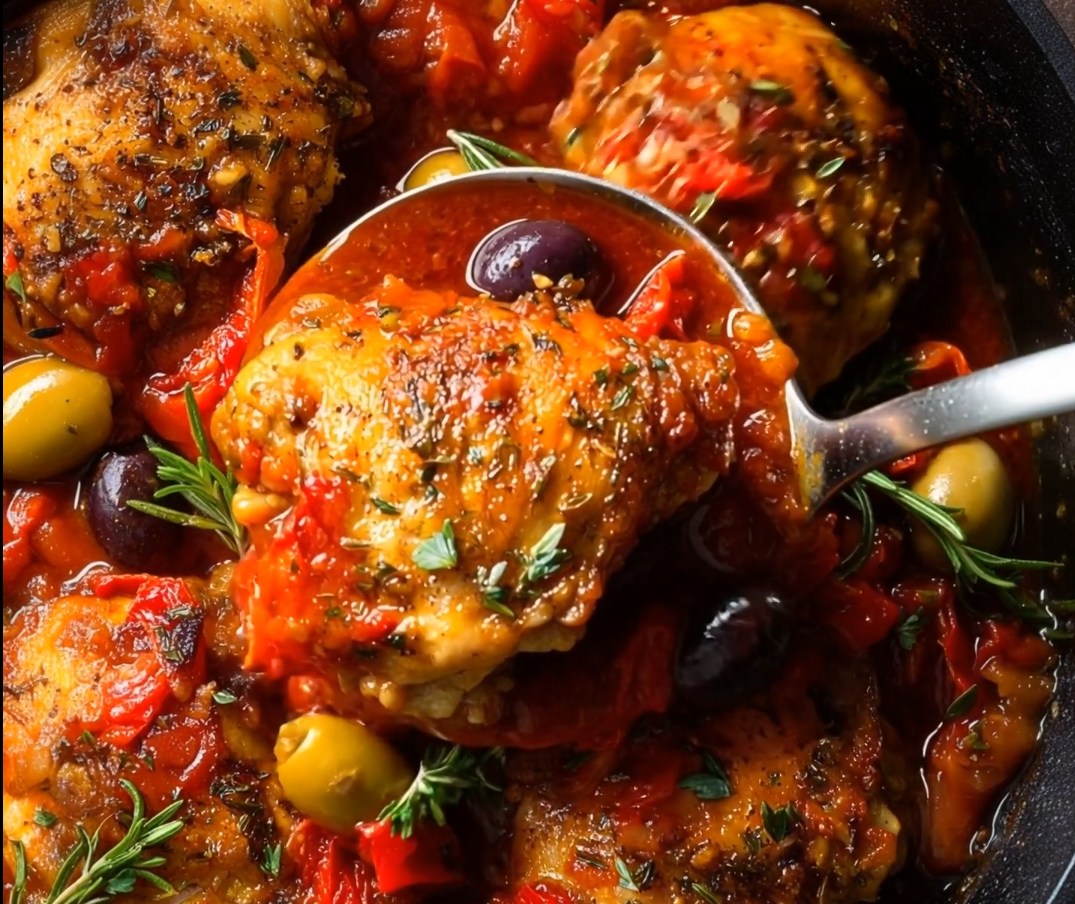
Italian Chicken Cacciatore is a rustic, slow-simmered classic that captures the heart of traditional Italian home cooking.
Tender chicken is first browned for depth, then gently braised in a rich tomato and wine sauce layered with onions, peppers, garlic, and fragrant herbs. As it cooks, the flavors meld into a savory, comforting stew that feels both hearty and soulful.
This is the kind of dish meant to be shared—simple ingredients, patient cooking, and deeply satisfying results that taste even better with time.
Why People Will Love This Recipe
Deep, slow-cooked flavor – Browning the chicken and simmering it gently in wine, tomatoes, and herbs creates layers of richness that only get better with time.
True rustic Italian comfort – This is old-world, home-style cooking at its best: hearty, soulful, and deeply satisfying without being fussy.
Tender, fall-apart chicken – Long, gentle braising transforms the chicken into incredibly tender pieces that soak up every bit of the sauce.
Perfect balance of savory and bright – Tomatoes, wine, and herbs provide acidity and freshness that balance the richness of the chicken and olive oil.
Aromatic and herb-forward – Rosemary, thyme, bay leaves, and oregano infuse the sauce with warmth and fragrance that feels unmistakably Italian.
Loaded with vegetables – Onions, bell peppers, and mushrooms add sweetness, texture, and depth, making the dish feel hearty and complete.
Naturally impressive, yet approachable – It looks and tastes like a special occasion meal, but it’s made with simple ingredients and straightforward technique.
Versatile for serving – Delicious over pasta, polenta, rice, or simply with crusty bread to soak up the sauce.
Even better the next day – Like many braised dishes, the flavors deepen overnight, making leftovers incredibly rewarding.
Comfort food with character – Warm, bold, and deeply nourishing, this is the kind of meal people crave again and again.
Key Ingredients
Whole Chicken (or Bone-In Thighs) – Bone-in pieces bring richness and depth, staying juicy and tender as they slowly braise in the sauce.
Extra-Virgin Olive Oil – Forms the flavor foundation, adding fruitiness and helping build depth during the browning stage.
Onion & Garlic – Create a savory aromatic base that melts into the sauce and anchors the dish with classic Italian warmth.
Bell Peppers – Add natural sweetness, color, and a soft texture that balances the acidity of the tomatoes.
Mushrooms (Optional) – Contribute earthy, umami notes that deepen the sauce and make it even more comforting.
Dry Wine (White or Red) – Deglazes the pan and adds complexity, lifting the flavors and tying the chicken and vegetables together.
Crushed Tomatoes – Form the heart of the sauce, providing body, gentle acidity, and a slow-cooked richness.
Fresh Herbs (Rosemary, Thyme, Bay) – Infuse the dish with fragrance and herbal depth as it simmers, giving it unmistakable Italian character.
Olives – Add a briny, savory contrast that cuts through the richness and adds Mediterranean soul.
Fresh Parsley – A bright, fresh finish that lightens the dish and brings balance just before serving.
Expert Tips:
Pat the chicken completely dry before seasoning – Dry chicken browns properly. Moisture creates steam, which prevents that deep, flavorful crust from forming.
Use a light flour coating, not a heavy dredge – Just enough flour helps browning and slightly thickens the sauce without making it heavy or pasty.
Brown the chicken in batches – Overcrowding the pot lowers the temperature and leads to pale, soggy chicken instead of rich caramelization.
Build flavor in the same pot – Those browned bits left behind after searing are essential. Deglazing with wine lifts them into the sauce for depth.
Let the wine reduce fully – Reducing by about half removes harsh alcohol notes and concentrates flavor before adding tomatoes.
Keep the simmer gentle – A slow, steady simmer ensures tender chicken and prevents the sauce from breaking or becoming bitter.
Add olives near the end – This keeps their briny flavor bright and prevents them from becoming overly soft or dominant.
Use fresh herb sprigs, not chopped – Whole sprigs infuse flavor slowly and are easy to remove before serving.
Taste and adjust late – Salt levels change as the sauce reduces, so final seasoning should always happen near the end.
Rest before serving – Let the dish sit off heat for 10 minutes. This allows flavors to settle and the sauce to thicken naturally.
Italian Chicken Cacciatore Recipe
Ingredients
1 whole chicken, cut into serving pieces (or bone-in chicken thighs)
½ cup all-purpose flour, for lightly coating the chicken
2 tablespoons extra-virgin olive oil
1 large yellow onion, roughly chopped
3 garlic cloves, finely minced
1 red bell pepper, thinly sliced
1 green bell pepper, thinly sliced
1 cup sliced mushrooms (optional, for added earthiness)
1 cup dry white wine (or dry red wine)
1 (28-ounce) can crushed tomatoes
1 teaspoon dried oregano
2 sprigs fresh rosemary
2 sprigs fresh thyme
2 bay leaves
½ cup pitted olives (optional, such as Kalamata or green olives)
Kosher salt and freshly ground black pepper, to taste
Fresh parsley, finely chopped, for garnish
Instructions
Season and Coat the Chicken
Pat the chicken pieces dry, then season generously with salt and pepper.
Lightly coat each piece in flour, shaking off any excess to ensure a thin, even layer.
Sear the Chicken
Heat the olive oil in a large Dutch oven or heavy pot over medium-high heat.
Add the chicken pieces and sear until golden brown on all sides, about 5–7 minutes per side.
Transfer the chicken to a plate and set aside.
Build the Flavor Base
In the same pot, add the chopped onion and minced garlic.
Cook, stirring occasionally, until softened and fragrant, about 5 minutes.
Add the sliced bell peppers and mushrooms (if using), and sauté for another 4–5 minutes until tender.
Deglaze the Pan
Pour in the wine and use a wooden spoon to scrape up any browned bits from the bottom of the pot.
Let the wine simmer until reduced by about half, concentrating its flavor.
Add Tomatoes and Herbs
Stir in the crushed tomatoes, dried oregano, rosemary sprigs, thyme sprigs, and bay leaves.
Return the browned chicken and any accumulated juices to the pot.
Simmer Until Tender
Bring the mixture to a gentle simmer.
Cover, reduce the heat to low, and cook for about 1 hour, or until the chicken is tender and cooked through.
About 10 minutes before serving, add the olives and continue simmering.
Finish and Serve
Remove and discard the bay leaves and herb sprigs.
Sprinkle with freshly chopped parsley and serve hot, either over pasta or alongside crusty bread to soak up the sauce.
Important Notes When Making Italian Chicken Cacciatore Recipe
Bone-in chicken delivers the best flavor – The bones enrich the sauce as it simmers, giving the dish depth that boneless cuts can’t fully replicate.
This is a braise, not a boil – Keep the heat low and steady. Rapid boiling can toughen the chicken and break the sauce.
Do not rush the cooking time – The full simmer allows connective tissue to soften and flavors to meld into a cohesive, rich sauce.
Tomato quality matters – Use good-quality crushed tomatoes with balanced acidity. Poor tomatoes can make the sauce taste sharp or flat.
Wine choice affects the final profile – White wine keeps the sauce brighter; red wine makes it deeper and more robust. Both are traditional.
Vegetables soften significantly – Bell peppers and onions will melt into the sauce, contributing sweetness rather than crunch.
Olives add saltiness – Taste the sauce before adding extra salt once olives are included to avoid oversalting.
Sauce thickens as it cools – Don’t over-reduce on the stove; the sauce will naturally tighten after resting.
Flavors improve with time – Like many slow-cooked dishes, Chicken Cacciatore tastes even better the next day.
Serve simply – Crusty bread, pasta, or polenta are ideal. Heavy sides can overwhelm the dish’s rustic balance.
How to Enjoy Italian Chicken Cacciatore After Cooking
Let it rest before serving
After turning off the heat, allow the cacciatore to rest for about 10 minutes. This gives the sauce time to thicken slightly and lets the flavors fully settle and harmonize.
Serve it warm, not rushed
Chicken Cacciatore tastes best when served warm rather than piping hot. The aromas of herbs, wine, and tomatoes are more pronounced once the dish has cooled just a touch.
Choose the right base
Spoon the chicken and sauce over pasta, creamy polenta, rice, or alongside crusty bread. Each option highlights the sauce differently, but bread is unbeatable for soaking it up.
Spoon sauce generously
The sauce is the heart of this dish. Make sure every serving includes plenty of vegetables and rich tomato-wine sauce.
Finish with freshness
A sprinkle of fresh parsley just before serving brightens the dish and balances the slow-cooked richness.
Pair thoughtfully
A medium-bodied red wine (like Chianti) or a crisp white pairs beautifully. For a non-alcoholic option, sparkling water with lemon works well.
Enjoy slowly and family-style
This is a communal dish meant to be shared. Serving it family-style keeps it warm longer and enhances the comfort-food experience.
Plan for leftovers
Leftovers are a gift—reheat gently over low heat and enjoy even deeper flavor the next day.
Avoid overpowering sides
Keep sides simple and neutral so the rich, herb-infused sauce remains the star.
Appreciate the rustic charm
Chicken Cacciatore is about warmth, patience, and honest flavors. Take your time and enjoy the soul of the dish.
Nutrition Information:
👉 Assumption: values are per 1 serving (recipe serves ~4), using bone-in chicken, olive oil, wine, crushed tomatoes, and olives as listed.
Calories: 520–580 kcal | Total Fat: 28–32 g | Saturated Fat: 6–8 g | Monounsaturated Fat: 16–19 g | Polyunsaturated Fat: 4–5 g | Cholesterol: 140–165 mg | Sodium: 700–850 mg (depending on added salt and olives) | Total Carbohydrates: 18–22 g | Dietary Fiber: 4–5 g | Sugars: 7–9 g | Protein: 40–45 g
Frequently Asked Questions (FAQs)
Can I use boneless chicken instead of bone-in?
Yes. Boneless chicken thighs or breasts can be used, but bone-in pieces provide deeper flavor and stay juicier during the long simmer. If using boneless cuts, reduce cooking time to avoid drying them out.
Is Chicken Cacciatore better with red or white wine?
Both are traditional. White wine keeps the sauce brighter and lighter, while red wine creates a deeper, more robust flavor. Choose based on your preference.
Can I make Chicken Cacciatore ahead of time?
Absolutely. This dish actually improves after a day in the refrigerator as the flavors continue to meld. Reheat gently over low heat before serving.
What can I use if I don’t like olives?
You can simply omit them. Olives add a briny contrast, but the dish will still be rich and flavorful without them.
How do I know when the chicken is fully cooked?
The chicken is done when it’s fork-tender and reaches an internal temperature of 165°F (74°C). The meat should pull easily from the bone without resistance.
Why is the chicken lightly floured before browning?
The light flour coating helps the chicken brown evenly and creates a subtle thickening effect in the sauce as it simmers, without making it heavy or pasty.
How long should I brown the chicken before simmering?
Brown each side for about 5–7 minutes, just until a deep golden crust forms. The chicken will finish cooking during the long simmer, so browning is mainly for flavor.
When should the wine be added to the pot?
Add the wine after the vegetables have softened. This allows the wine to deglaze the pan, lifting the flavorful browned bits and integrating them into the sauce.
Should the pot be covered while simmering?
Yes, keep the pot covered during most of the simmer to retain moisture and tenderness. You can uncover it briefly at the end if the sauce needs slight thickening.
What’s the most common mistake when making Chicken Cacciatore?
Rushing the simmer. This dish relies on slow, gentle cooking to tenderize the chicken and fully develop its rich, layered flavor.