Genovese Sauce
Genovese Sauce is a deeply traditional Italian ragù that transforms humble onions into something extraordinary through patience and time.
Slowly simmered until sweet, jammy, and intensely aromatic, the onions melt into tender beef and pork, creating a sauce that is rich without heaviness and complex without excess ingredients.
This is a dish rooted in restraint and technique—where long, gentle cooking unlocks layers of flavor, rewarding you with a sauce that feels soulful, comforting, and unmistakably authentic.
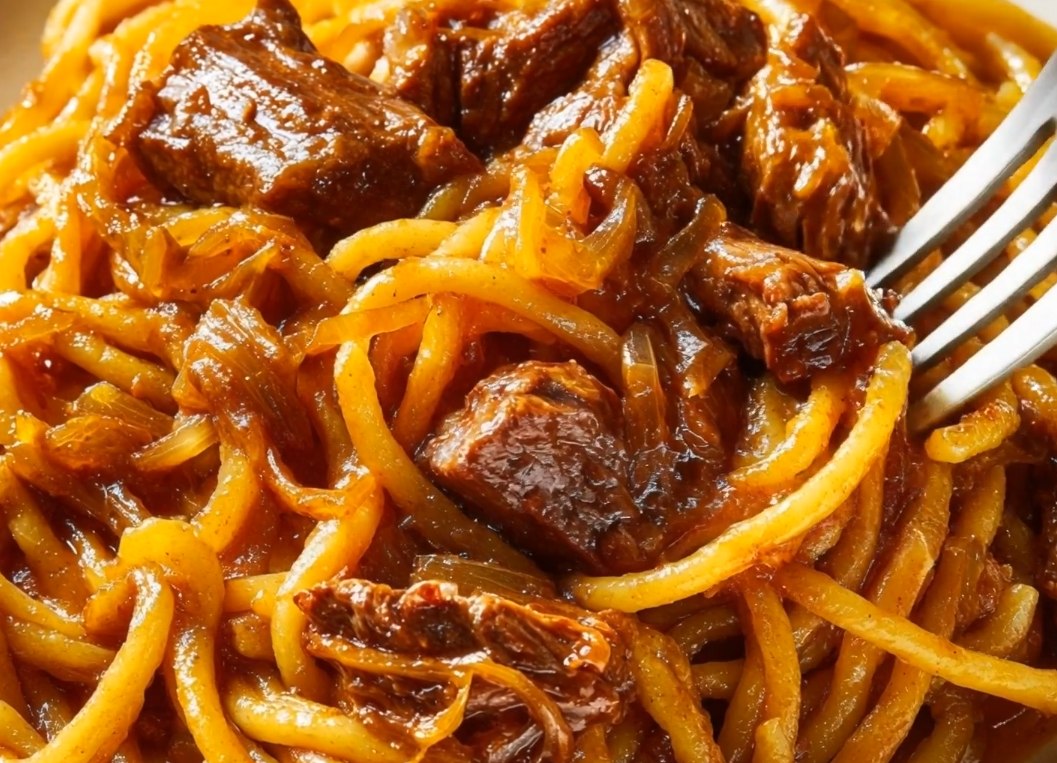
Why People Will Love This Genovese Sauce Recipe:
Extraordinary flavor from simple ingredients – A handful of humble components—onions, meat, olive oil, and wine—are transformed through slow cooking into a sauce with remarkable depth, sweetness, and complexity.
Natural sweetness without added sugar – The long, gentle simmer coaxes natural sugars from the onions, creating a rich, jammy sweetness that feels balanced and authentic rather than heavy or cloying.
Deeply comforting and soulful – This sauce delivers warmth and satisfaction in every bite, making it the kind of dish that feels nurturing, nostalgic, and emotionally satisfying.
Perfect harmony of meat and onion – Beef and pork provide savory richness, while the onions melt into the sauce, creating a seamless texture where no single element overpowers the other.
Authentic Italian cooking experience – The recipe emphasizes patience, technique, and respect for ingredients, offering a genuine taste of traditional Italian home cooking.
Luxurious texture without cream or tomatoes – The sauce achieves richness through reduction and emulsification, proving that depth doesn’t require heavy ingredients.
Versatile and elegant – While classic with ziti, Genovese pairs beautifully with many pasta shapes and can elevate a simple meal into something truly special.
Even better the next day – As the sauce rests, flavors deepen and meld, making leftovers incredibly rewarding.
Key Ingredients:
Brown onions (the true star) – Used in large quantity and cooked very slowly, the onions break down into a sweet, jam-like base that defines the soul of Genovese. Their natural sugars caramelize gently, creating depth without bitterness or added sugar.
Chuck beef – Rich in connective tissue, chuck becomes meltingly tender over long cooking. As it breaks down, it enriches the sauce with body and savory complexity, giving Genovese its signature luxurious mouthfeel.
Pork rashers – Pork adds fat and sweetness that round out the beef’s intensity. This balance of meats ensures the sauce is rich but not heavy, with a fuller, more nuanced flavor.
Soffritto (onion, carrot, celery) – Blended into a smooth base, the soffritto builds a subtle aromatic foundation that supports the onions and meat without competing with them.
Dry white wine – Adds acidity and brightness, lifting the sweetness of the onions and preventing the sauce from tasting flat or overly rich.
Bay leaves – Quiet but essential, bay leaves add herbal depth and structure during the long simmer, tying together the sweetness and savory notes.
Extra-virgin olive oil – Provides richness and helps carry flavor throughout the sauce, contributing to the silky texture that defines a well-made Genovese.
Expert Tips:
Commit to low, steady heat – Genovese is not rushed. Keep the flame very low so the onions soften and sweeten gradually without browning or burning, which would introduce bitterness.
Slice onions uniformly and thinly – Even slices ensure consistent breakdown. Thin, uniform onions melt into the sauce rather than staying fibrous, giving Genovese its signature silky texture.
Soak the onions briefly before cooking – This reduces harshness and makes the long cooking process more gentle, helping the onions release sweetness rather than sharp sulfur notes.
Brown lightly, not aggressively – The meat should color gently, not sear hard. Deep browning can overpower the delicate sweetness of the onions and disrupt the balance of the sauce.
Season conservatively at the beginning – Salt lightly early on. As the sauce reduces over several hours, seasoning concentrates. Final adjustments should always be made at the end.
Stir with intention, not constantly – Stir every 25–30 minutes to prevent sticking while allowing the onions to break down naturally. Over-stirring can cool the pot and slow proper reduction.
Use evaporation as your thickener – Genovese gains body through time and moisture loss, not flour or starch. Patience creates the naturally jammy consistency.
Shred the meat gently at the end – Press and pull the meat apart only once the sauce is fully reduced. This keeps the texture rustic and integrated rather than stringy.
Finish with pasta water, not oil – When tossing with pasta, a splash of starchy pasta water helps emulsify the sauce and coat the pasta evenly without adding extra fat.
Genovese Sauce
Ingredients
¼ brown onion, roughly chopped
1 small carrot, peeled
1 celery stalk
4 bay leaves
1 mug of water
600 g (21.2 oz) chuck beef, cut into chunks
300 g (10.6 oz) pork rashers, cut into pieces
1.3 kg (45.8 oz) brown onions, thinly sliced
1 glass dry white wine (about 150 ml)
Extra-virgin olive oil (EVOO), as needed
Salt and freshly ground black pepper, to taste
300 g (10.6 oz) ziti pasta, or desired amount
Pecorino Romano cheese, for serving
Instructions
Slice the brown onions in half, then use a mandoline or sharp knife to cut them into thin slices. Place the sliced onions in a bowl of water to mellow their sharpness and reduce irritation while working.
Roughly chop ¼ of a brown onion along with the carrot and celery. Transfer them to a food processor, add a generous drizzle of extra-virgin olive oil and a splash of water, then blend until smooth to create a soffritto.
Cut the chuck steak and pork rashers into small, evenly sized pieces and set aside.
Heat a Dutch oven over medium heat and add about 3 tablespoons of olive oil. Pour in the blended soffritto and cook for roughly 10 minutes, stirring occasionally, until fragrant and softened.
Add the meat to the pot and stir to coat it in the soffritto. Increase the heat to medium-high and allow the meat to brown lightly. Cover with a lid and let it steam in its own juices for about 2 minutes.
Season lightly with salt and pepper, add the bay leaves, stir, then cover again and simmer for another 2 minutes.
Pour in the white wine to deglaze the pot, scraping up any browned bits from the bottom. Cook uncovered for about 5 minutes to allow the alcohol to cook off.
Drain the sliced onions and add them to the pot. Gently stir to combine, bringing some of the meat to the surface. Season again lightly with salt and pepper. Cover and cook over very low heat for 4 hours, stirring every 30 minutes.
After 4 hours, remove the lid and continue cooking uncovered for an additional 2 hours on low heat, allowing the sauce to slowly reduce and concentrate.
Once the sauce becomes thick and jam-like, gently press and shred the meat with a spoon or spatula. Remove and discard the bay leaves.
Bring a large pot of salted water to a boil. Cook the ziti according to package directions until al dente, stirring occasionally. Reserve 1 cup of the pasta cooking water before draining.
In a separate pan, warm the desired amount of Genovese sauce. Add the drained pasta and toss to coat. If needed, add a splash of reserved pasta water to loosen the sauce and create a silky, emulsified finish.
Important Notes When Making Genovese Sauce:
Time is the main ingredient – Genovese cannot be rushed. The long, slow cooking is what transforms onions into a sweet, jam-like base. Cutting the time short will result in sharpness rather than depth.
Onions should soften, not caramelize – This sauce is not about browning. If the onions start to fry or darken early, the heat is too high. Gentle heat preserves sweetness and avoids bitterness.
Liquid levels must be monitored – The sauce should remain moist but never soupy. If it looks dry during cooking, add a small splash of water—not broth—to avoid altering the flavor balance.
Flavor concentration increases dramatically – As the sauce reduces, all seasoning intensifies. Always under-season early and correct only at the very end.
Texture evolves gradually – Early on, the sauce may look loose and separated. This is normal. The signature creamy, cohesive texture develops only in the final hours of cooking.
Bay leaves are subtle but essential – They add structure and depth during the long simmer. Remove them before serving to avoid bitterness.
Meat should melt, not shred prematurely – Resist breaking up the meat too early. Let it tenderize naturally and gently pull it apart only once the sauce has fully reduced.
Resting improves flavor – Like many slow-cooked sauces, Genovese tastes even better after resting overnight. The sweetness, savoriness, and aromatics fully harmonize with time.
How To Fully Enjoy Genovese Sauce After Cooking:
Let the Sauce Rest Before Serving
Once the Genovese is finished, allow it to rest at least 20–30 minutes off the heat. This short rest lets the onions, meat, and fat fully settle and integrate, giving the sauce a more cohesive, velvety texture and a deeper, rounder flavor.
Pair with the Right Pasta
Genovese shines best with thick, tubular pasta such as ziti, paccheri, or rigatoni. These shapes capture the jammy onion-meat sauce inside and on the surface, ensuring every bite delivers richness and balance.
Warm Gently, Never Aggressively
When reheating or finishing the sauce with pasta, use low heat only. High heat can cause the sauce to split or scorch the onions, dulling their natural sweetness.
Use Pasta Water to Finish
When tossing the sauce with pasta, add a small splash of starchy pasta water. This emulsifies the sauce, loosens it just enough, and helps it cling beautifully to the pasta without adding extra fat.
Finish Simply
Serve Genovese with restraint:
- A light dusting of freshly grated Pecorino Romano
- A crack of black pepper if desired
Avoid heavy garnishes—Genovese is about depth, not decoration.
Serve Warm, Not Piping Hot
Genovese reveals its complexity best when served warm rather than steaming. Slightly cooler temperatures allow the sweetness of the onions and savoriness of the meat to fully express themselves.
Eat Slowly and Mindfully
This is a sauce meant to be savored. Take time to appreciate how the onions have melted into the meat, how the sauce coats the pasta, and how each bite feels rich without being heavy.
Enjoy Leftovers Thoughtfully
Genovese is often better the next day. Reheat gently with a splash of water or pasta water. The flavors deepen, the texture becomes silkier, and the sauce feels even more harmonious.
Make It a Complete Experience
Pair with:
- A simple green salad dressed with lemon or vinegar
- Crusty bread to catch every last bit of sauce
- A dry white wine or light-bodied red
Nutrition Information:
Per serving of Genovese Sauce with pasta (based on a moderate pasta portion and typical sauce ratio; values may vary depending on meat fat content and portion size):
Calories: 620–680 kcal | Total Fat: 32–38 g | Saturated Fat: 11–14 g | Monounsaturated Fat: 14–18 g | Polyunsaturated Fat: 3–4 g | Cholesterol: 115–135 mg | Sodium: 550–750 mg (depending on added salt and cheese) | Total Carbohydrates: 52–60 g | Dietary Fiber: 4–6 g | Sugars: 10–14 g (naturally from onions) | Protein: 28–34 g
Frequently Asked Questions:
Is Genovese sauce a tomato-based sauce?
No. Traditional Genovese sauce contains no tomatoes. Its richness and color come from the slow breakdown of onions and meat, which create a naturally sweet, jam-like sauce through long, gentle cooking.
Why does this recipe use such a large amount of onions?
Onions are the foundation of Genovese. Over several hours of low heat, they soften, release natural sugars, and dissolve into the sauce, providing sweetness, body, and depth without needing sugar or cream.
Can I make Genovese sauce ahead of time?
Yes—and it’s highly recommended. Genovese tastes even better after resting overnight. The flavors deepen and meld, making it ideal for preparing a day in advance and reheating gently.
What pasta works best with Genovese sauce?
Thick, sturdy pasta shapes like ziti, paccheri, rigatoni, or even pappardelle work best. These shapes hold the dense sauce well and allow the meat and onions to cling to each bite.
Can Genovese sauce be frozen?
Absolutely. Once cooled, store it in airtight containers and freeze for up to 3 months. Thaw overnight in the refrigerator and reheat slowly with a splash of water or pasta water to restore its silky texture.
Why does Genovese sauce need such a long cooking time?
The extended, low-heat cooking allows the onions to slowly release their natural sugars and break down into a jam-like base. This process creates depth, sweetness, and body without browning or burning, which is essential to authentic Genovese flavor.
How low should the heat be while the sauce cooks?
Very low—just enough to maintain a gentle simmer. If the sauce bubbles aggressively or starts to fry, the heat is too high and the onions may caramelize instead of melting, which alters the intended flavor.
What should I do if the sauce starts to stick to the bottom of the pot?
Lower the heat immediately and add a small splash of water to loosen the sauce. Stir gently, scraping the bottom. Avoid adding broth, which can dilute the onion sweetness.
When is the right time to shred the meat?
Only at the very end, once the sauce is fully reduced and thick. Pressing or shredding the meat too early can make it dry and stringy instead of tender and integrated.
How do I know when the sauce is finished?
Genovese is ready when the onions have completely melted into the sauce, the liquid has reduced to a thick, glossy consistency, and the meat is fork-tender. The sauce should look cohesive, not soupy or oily.