Amish Hamburger with Fall Veggies Bake
This Amish Hamburger with Fall Veggies Bake is the essence of comfort cooking—simple ingredients coming together to create something deeply nourishing and satisfying. It reflects a timeless, home-style approach where flavor is built slowly, layer by layer, from humble pantry staples.
What makes this dish special is its grounding warmth. Tender root vegetables, savory beef, and aromatic herbs blend into a rich, hearty base, while the melted cheddar on top adds a comforting finish that ties everything together. It’s the kind of meal that feels steady, wholesome, and deeply filling.
Perfect for cooler days, this bake captures the spirit of fall—rustic, cozy, and made to be shared. It’s not just a recipe; it’s a reminder of how simple food, when done right, can feel incredibly meaningful.

Why People Will Love This Amish Hamburger with Fall Veggies Bake
Deep Comfort That Feels Like Home
This dish delivers that classic, slow-cooked comfort—warm, hearty, and grounding. It’s the kind of meal that feels familiar and emotionally satisfying, like something made with care and tradition.
Hearty, Filling, and Truly Satisfying
With protein-rich beef and substantial root vegetables, this bake isn’t just tasty—it’s deeply filling. One serving feels like a complete, nourishing meal.
Perfect Use of Fall Vegetables
Potatoes, carrots, celery, and corn come together to highlight the natural sweetness and earthiness of seasonal produce, making every bite feel wholesome and balanced.
Melty Cheese Brings It All Together
The golden layer of cheddar adds richness and comfort, creating that irresistible finish that makes the dish feel complete and indulgent.
Simple Ingredients, Layered Flavor
Even with basic pantry ingredients, the combination of herbs, broth, and slow baking builds a depth of flavor that tastes much more complex than it looks.
Balanced Between Rustic and Flavorful
It’s not overly heavy or greasy—just the right mix of savory beef, tender vegetables, and light seasoning that lets each ingredient shine.
One-Dish Convenience
Everything comes together in a single baking dish, making it easy to prepare, cook, and clean up—perfect for busy days or relaxed family dinners.
Family-Friendly and Crowd-Pleasing
The flavors are approachable and comforting, making it a dish that both kids and adults will enjoy without hesitation.
Make-Ahead and Leftover Friendly
This bake tastes even better the next day as the flavors deepen, making it ideal for meal prep or enjoying leftovers.
Honest, Wholesome Cooking
There’s no need for fancy techniques—just real ingredients cooked with intention. That simplicity is what makes it feel authentic and satisfying.
Perfect for Cozy Gatherings
Whether it’s a quiet family dinner or a shared meal with friends, this dish brings warmth and togetherness to the table.
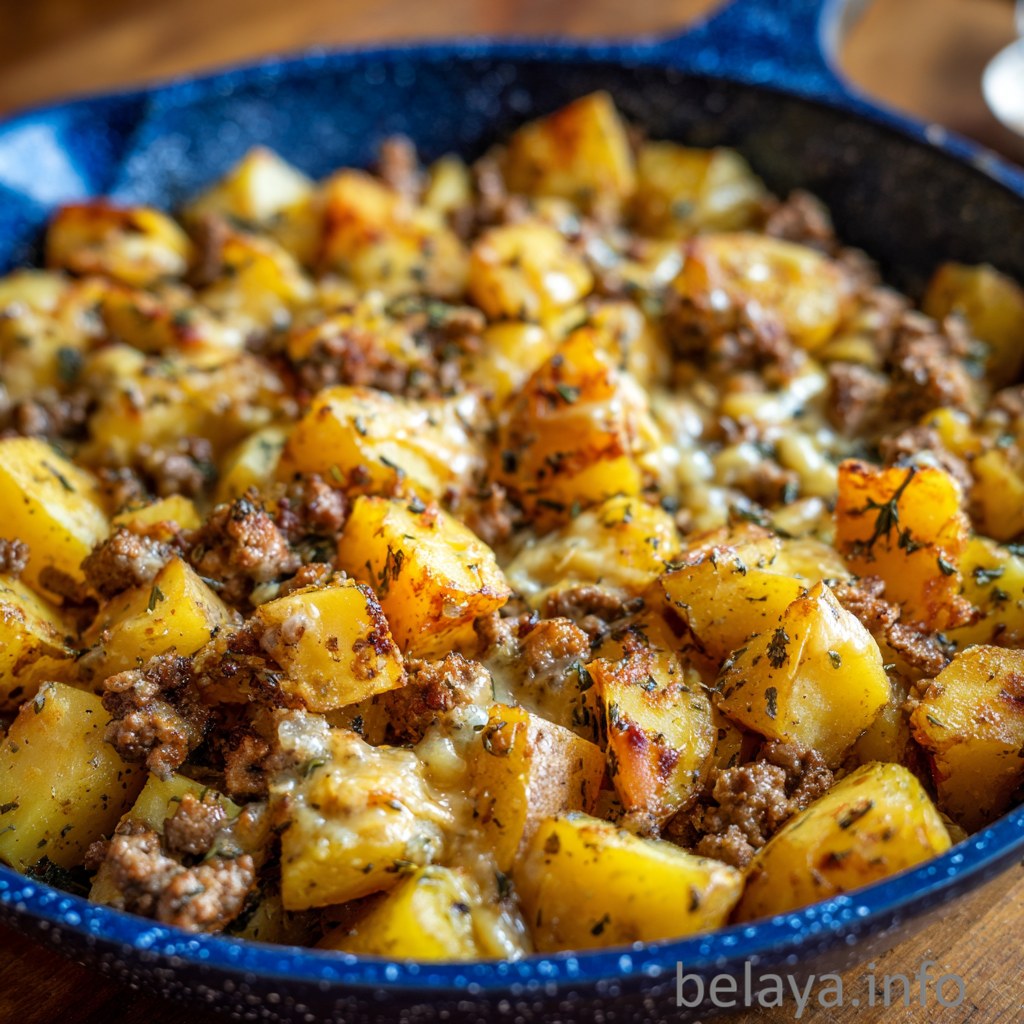
Key Ingredients:
Ground Beef – The Savory Foundation
Ground beef provides the deep, hearty base of this dish. As it browns, it develops rich, caramelized notes that carry through the entire bake, giving the final dish its comforting, meaty depth.
Potatoes – The Hearty Anchor
Potatoes bring substance and structure. They absorb the seasoned broth and juices, becoming tender while still holding their shape, creating a satisfying, earthy bite in every forkful.
Carrots & Celery – Natural Sweetness and Balance
These classic vegetables add subtle sweetness and freshness, balancing the richness of the beef. As they cook, they soften and release flavor that rounds out the entire dish.
Corn – Gentle Sweet Pop
Corn adds small bursts of sweetness and texture that contrast beautifully with the savory components. It keeps the dish from feeling too heavy and adds a touch of brightness.
Diced Tomatoes – Moisture and Depth
Tomatoes (with their juices) provide acidity and body, helping to create a rich, slightly saucy base that ties all the ingredients together while preventing dryness.
Beef Broth – Flavor Carrier
Beef broth enhances the savory profile and allows all the ingredients to meld together during baking. It deepens the flavor while keeping the casserole moist and cohesive.
Onion & Garlic – Aromatic Backbone
These build the first layer of flavor. When sautéed, they release natural sweetness and aroma, creating a foundation that supports everything else.
Thyme & Rosemary – Earthy, Herbaceous Warmth
These herbs give the dish its signature cozy, fall-inspired character. Thyme adds subtle earthiness, while rosemary brings a slightly piney, aromatic depth.
Cheddar Cheese – Comforting Finish
Melted cheddar forms a golden, bubbly topping that adds richness and ties the dish together. It provides a creamy contrast to the tender vegetables and savory beef.
Olive Oil – Flavor Enhancer
Used to sauté the ingredients, olive oil helps develop flavor early in the cooking process and ensures everything cooks evenly.
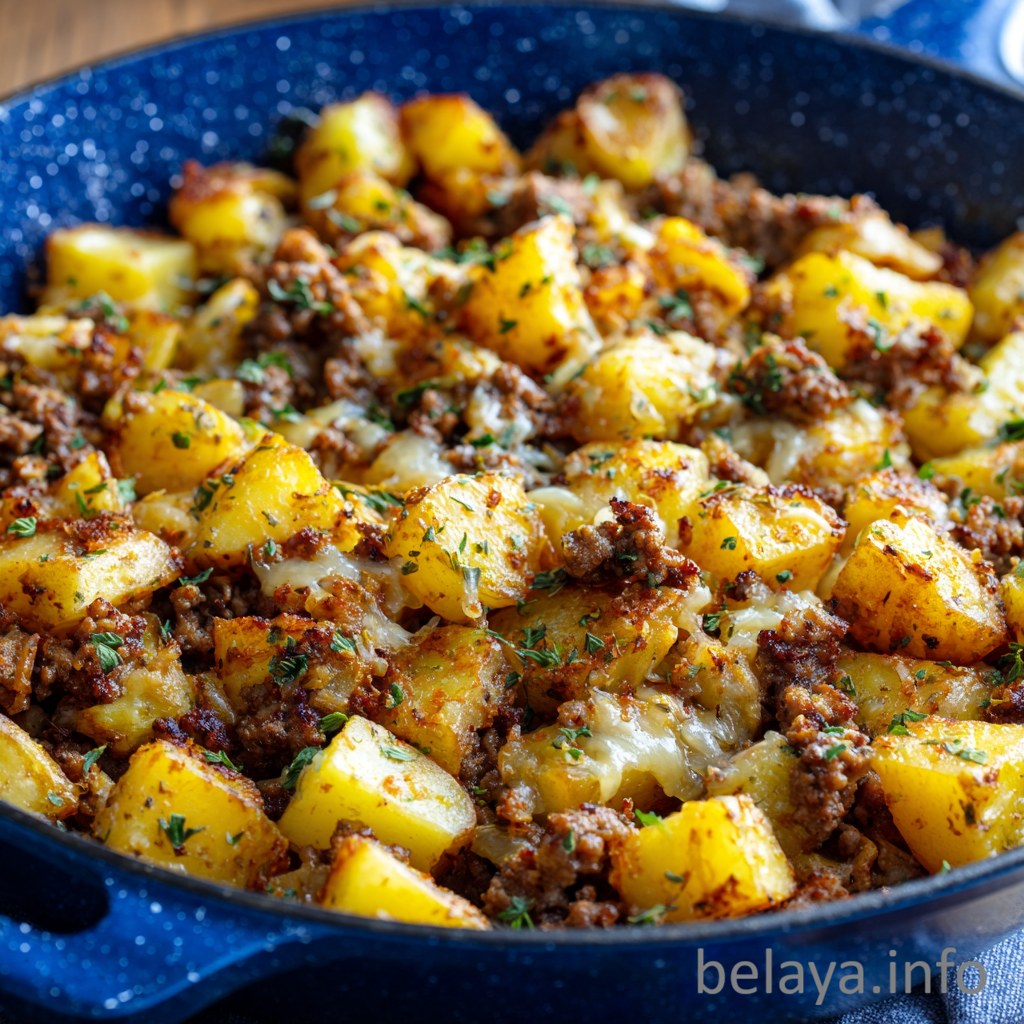
Expert Tips for Amish Hamburger with Fall Veggies Bake
Build Flavor with Proper Browning (Don’t Rush This Step)
Let the ground beef develop a deep brown color before removing it. That caramelization creates rich, savory depth. Avoid stirring too often—let it sit and sear.
Use the Same Pan for Maximum Flavor Transfer
After removing the beef, cook the onions and garlic in the same skillet. The leftover drippings (fond) dissolve into the vegetables, adding layers of flavor without extra ingredients.
Pre-Sauté Vegetables for Better Texture
Lightly cooking the potatoes, carrots, and celery before baking gives you control over their texture. This prevents undercooked centers and ensures even tenderness throughout.
Cut Vegetables Evenly (This Matters More Than You Think)
Uniform pieces cook at the same rate. If some pieces are too large, they’ll stay firm while others become too soft—consistency creates a better eating experience.
Don’t Overload with Liquid
The tomatoes and broth should create moisture—not soup. Too much liquid will make the bake watery instead of rich and cohesive.
Bloom Herbs in Heat Before Baking
Let thyme and rosemary briefly cook in the hot mixture before transferring to the oven. This releases their oils and deepens their aroma.
Season in Stages for Better Control
Season the beef first, then adjust again after adding liquids. Layering seasoning ensures the final dish is well-balanced, not flat or overly salty.
Add Cheese at the Right Time
Always add cheese after the initial covered bake. This prevents it from overcooking and becoming greasy, allowing it to melt smoothly and form a golden top.
Let It Rest Before Serving
After baking, let the dish sit for 5–10 minutes. This helps the juices redistribute and makes serving cleaner and more structured.
Finish with a Slight Golden Top (Visual + Flavor Boost)
Bake uncovered long enough for the cheese to lightly brown. That slight crisp on top adds both texture and deeper flavor.
Make It Ahead for Even Better Flavor
Assemble the dish earlier in the day and refrigerate. When baked later, the flavors will be more developed and cohesive.
Taste Before Baking—Fix Early, Not Late
Once it’s in the oven, adjustments are limited. Make sure the mixture tastes slightly bold and well-seasoned before baking for the best final result.
Amish Hamburger with Fall Veggies Bake
Ingredients
Main Ingredients
Ground beef — 1 lb (lean for best results)
Onion — 1 medium, chopped
Garlic — 2 cloves, minced
Vegetables
Potatoes — 3 cups, diced (Yukon Gold or russet work best)
Carrots — 2 cups, diced
Celery — 1 cup, diced
Corn kernels — 1 cup (fresh or frozen)
Liquids and Seasoning
Diced tomatoes (canned) — 1 (14.5 oz) can, undrained
Beef broth — 1 cup
Olive oil — 1 tablespoon
Salt — 1 teaspoon, or to taste
Black pepper — ½ teaspoon
Dried thyme — 1 teaspoon
Dried rosemary — 1 teaspoon
Topping
Cheddar cheese — 1 cup, shredded
Instructions
1. Preheat the Oven
Set your oven to 375°F (190°C) so it’s ready for baking.
2. Brown the Ground Beef
Heat the olive oil in a large skillet over medium heat.
Add the ground beef and cook until fully browned, breaking it apart as it cooks.
Use a slotted spoon to remove the beef and set it aside, leaving the flavorful drippings in the skillet.
3. Sauté the Onion and Garlic
Add the chopped onion and minced garlic to the same skillet.
Cook for 3–4 minutes, stirring occasionally, until the onion softens and becomes translucent.
4. Cook the Vegetables
Stir in the diced potatoes, carrots, and celery.
Sauté for about 5 minutes, just until they begin to soften but still hold their shape.
5. Combine the Filling
Return the browned beef to the skillet.
Add the corn, diced tomatoes (with their juices), and beef broth.
Season with salt, pepper, thyme, and rosemary, and stir well until evenly mixed.
6. Transfer to the Baking Dish
Lightly grease a 9×13-inch baking dish, then spread the beef and vegetable mixture evenly inside.
7. Bake Covered
Cover the dish with foil and bake for 30 minutes, allowing the vegetables to cook through and the flavors to blend.
8. Add the Cheese and Finish Baking
Remove the foil and sprinkle the shredded cheddar cheese evenly over the top.
Return to the oven and bake uncovered for 10–15 minutes, until the cheese is melted, bubbly, and lightly golden.
9. Let It Rest
Remove the bake from the oven and let it sit for a few minutes before serving. This helps everything settle for easier slicing.
10. Serve and Enjoy
Scoop generous portions and enjoy the comforting combination of seasoned beef, tender vegetables, and melty cheese — perfect for a cozy fall meal.
Important Notes for Amish Hamburger with Fall Veggies Bake (Deep)
Vegetable Doneness Is the Make-or-Break Factor
Potatoes and carrots need enough time to soften fully. If cut too large or not pre-sautéed properly, they can remain firm even after baking—aim for evenly diced, bite-size pieces.
Balance Between Moist and Watery
The combination of tomatoes and broth should create a rich, cohesive base—not a soup. Too much liquid leads to a loose, watery casserole instead of a hearty bake.
Fat Content of Beef Affects Texture
Lean beef works best. Higher-fat beef can release excess grease during baking, making the dish heavier and less balanced. Always drain if needed.
Herbs Should Complement, Not Overpower
Thyme and rosemary are strong. Using too much can dominate the dish and mask the natural flavors of the vegetables and beef.
Cheese Is a Finish, Not a Filling
The cheese is meant to sit on top and melt into a golden layer. Mixing it in too early can make the dish greasy and reduce that classic baked texture.
Covered vs. Uncovered Baking Matters
Covering traps moisture and cooks the vegetables evenly. Uncovering at the end allows excess moisture to evaporate and the cheese to develop a golden finish.
Seasoning Evolves During Cooking
Flavors concentrate as the dish bakes. Avoid over-seasoning early—taste and adjust gradually before it goes into the oven.
Resting Time Improves Structure
Letting the casserole sit after baking allows the juices to settle, making it easier to serve and improving the overall texture.
Storage Changes Texture Slightly
When refrigerated, the vegetables may absorb more liquid and soften further. Reheat gently and add a bit of broth if needed to restore moisture.
Rustic Appearance Is Part of the Charm
This dish isn’t meant to look perfectly neat. Its slightly uneven, home-style presentation is what makes it feel authentic and comforting.
Oven Variations Affect Cooking Time
Not all ovens heat the same. Always check for tender vegetables and bubbling edges rather than relying strictly on time.
How to Enjoy Amish Hamburger with Fall Veggies Bake
Let It Rest Before Serving (Essential Step)
After removing from the oven, allow the bake to rest for 5–10 minutes. This helps the juices settle and slightly thickens the base, making each serving hold together better instead of falling apart.
Scoop Deep to Get All the Layers
When serving, dig your spoon all the way down to capture beef, vegetables, and that melted cheese topping in one scoop. The full experience comes from the balance of all layers together.
Serve Warm, Not Piping Hot
Letting it cool slightly enhances flavor perception. When it’s too hot, you miss the subtle sweetness of vegetables and the herb notes.
Add Fresh Finishing Touches (Optional Upgrade)
A sprinkle of fresh parsley, cracked black pepper, or even a light drizzle of olive oil can brighten the dish and add a fresh contrast to the rich, baked flavors.
Pair with Simple Sides for Balance
Serve with crusty bread, dinner rolls, or even a light salad. The freshness or crunch on the side complements the soft, hearty casserole.
Enjoy the Texture Contrast Mindfully
Notice the combination: tender potatoes, slightly sweet carrots, juicy beef, and the creamy, melted cheese on top. Each bite offers a different texture balance.
Serve Family-Style for a Cozy Experience
Place the baking dish in the center of the table and let everyone serve themselves. This dish naturally creates a warm, shared, home-style atmosphere.
Pair with a Refreshing Drink
A light beverage like iced tea, sparkling water, or even a mild red wine helps balance the richness of the dish.
Enjoy the Leftovers (Even Better the Next Day)
As it sits, the flavors deepen and blend more fully. Reheat gently in the oven or microwave, adding a splash of broth if needed to restore moisture.
Reheat Properly to Maintain Texture
Cover when reheating to keep moisture in, then uncover briefly at the end if you want to refresh the top layer.
Slow Down and Savor the Comfort
This isn’t fast food—it’s comfort food. Take your time, enjoy the warmth, and appreciate the simple, wholesome flavors.
Nutrition Information:
YIELDS: about 5–6 servings
Serving size: roughly 1 to 1½ cups per person
Calories: 320–380 kcal | Total Fat: 14–18 g | Saturated Fat: 6–8 g | Monounsaturated Fat: 5–7 g | Polyunsaturated Fat: 1–2 g | Cholesterol: 55–75 mg | Sodium: 600–850 mg (depending on broth and added salt) | Total Carbohydrates: 28–34 g | Dietary Fiber: 4–6 g | Sugars: 5–7 g | Protein: 20–24 g
Frequently Asked Questions:
Can I substitute the ground beef with another protein?
Yes, very easily.
Ground turkey or chicken works well for a lighter version, while ground pork adds extra richness. You can even use plant-based crumbles for a vegetarian-friendly option.
Can I use different vegetables depending on what I have?
Absolutely—this recipe is very flexible.
You can swap or add vegetables like green beans, peas, zucchini, or bell peppers. Just keep cooking times in mind so everything becomes tender at the same rate.
How do I prevent the casserole from becoming too watery?
Control the liquid and avoid overfilling.
Use the recommended amount of broth and keep the tomatoes undrained as instructed—but don’t add extra liquid. Also, uncovering during the final bake helps evaporate excess moisture.
Can I make this recipe ahead of time?
Yes, and it actually improves the flavor.
You can assemble the entire dish ahead and refrigerate it. When baked later, the ingredients will have had time to meld, resulting in deeper flavor.
What’s the best way to store and reheat leftovers?
Store airtight and reheat gently.
Keep leftovers in the fridge for up to 3–4 days. Reheat in the oven (covered) or microwave, adding a splash of broth if needed to restore moisture.
Do I need to fully cook the vegetables before baking?
No—but they should be partially softened.
Sautéing the potatoes, carrots, and celery for a few minutes jump-starts the cooking process and ensures they become tender in the oven without staying firm in the center.
Why is browning the beef separately important?
It builds deep flavor and prevents greasiness.
Browning creates caramelized bits (fond) that enhance the overall taste. Cooking everything together without this step can result in a flatter, less developed flavor.
How do I know if I added the right amount of liquid?
The mixture should look moist, not soupy.
You want enough liquid to help everything cook and blend, but not so much that it pools at the bottom. The bake should be cohesive, not watery.
Should I cover the dish while baking?
Yes, at first—then uncover later.
Covering traps steam and helps cook the vegetables evenly. Uncovering at the end allows excess moisture to evaporate and the cheese to melt and brown properly.
How can I tell when the casserole is fully done?
Look for visual and texture cues.
The vegetables should be fork-tender, the edges slightly bubbling, and the cheese melted and lightly golden. Don’t rely only on time—check doneness directly.