Peruvian Potato Pepper Soup
Peruvian Potato Pepper Soup turns humble potatoes into a creamy, warmly spiced meal with layers of flavor. Sweet red bell pepper softens the earthiness of cumin and annatto, while garlic and onion create a savory foundation.
Whole milk and cream cheese bring everything together, giving the soup a velvety texture and a subtle tang.
The finishing touches are essential to its character. Cotija adds a salty contrast, avocado offers buttery richness, and scallions and cilantro bring freshness to the warm potato base. It is a comforting, Peruvian-inspired soup whose appeal comes from the balance between richness, gentle heat, and bright toppings.
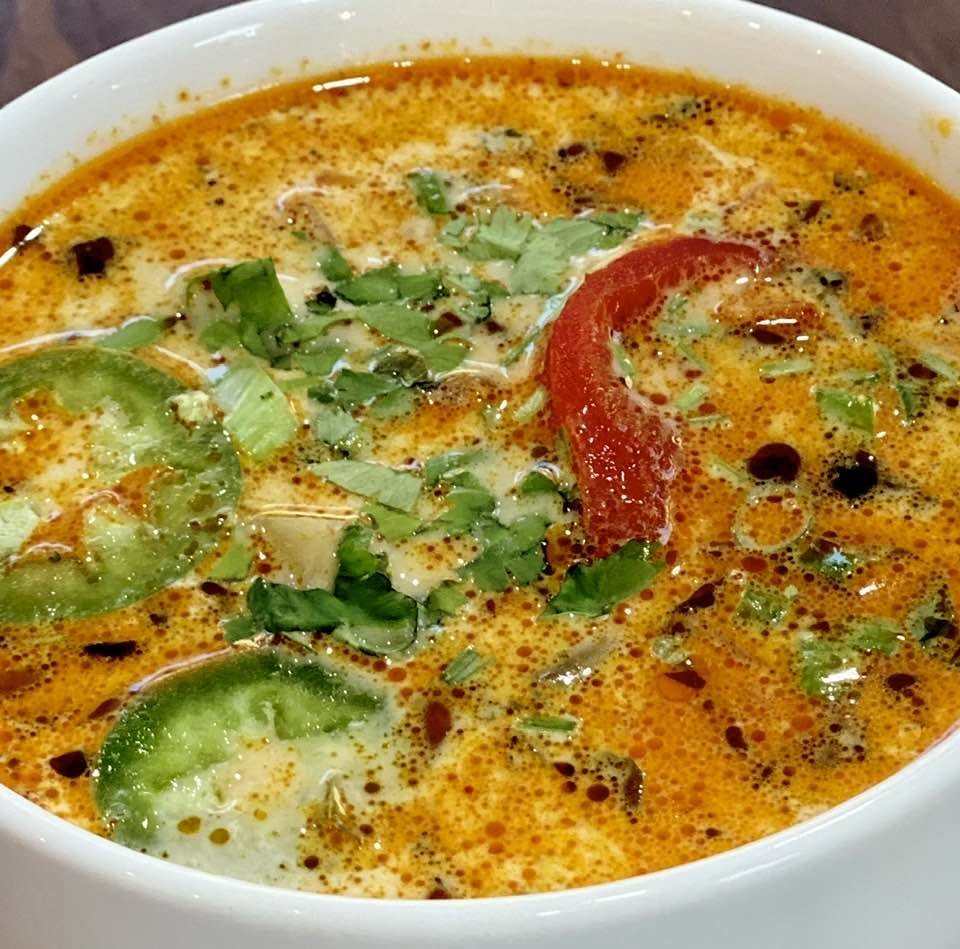
Why People Will Love Peruvian Potato Pepper Soup Recipe
A naturally satisfying texture: Blended potatoes provide body and substance, creating a thick, spoonable soup without a flour-based roux.
Richness balanced by freshness: Milk and cream cheese make the base creamy, while cilantro and scallions keep each bowl lively.
Sweetness and spice in harmony: Red bell pepper contributes a mellow sweetness that complements the cayenne rather than competing with it.
Flavor that develops in layers: Softened aromatics, briefly toasted spices, and fresh garnishes give the soup more depth than its simple ingredient list suggests.
Customizable heat: The cayenne is easy to reduce or increase, allowing the same recipe to suit different preferences.
Toppings that transform each bite: Salty cheese, soft avocado, and crisp scallions offer contrast against the smooth soup.
A practical make-ahead meal: Prepare the base in advance, then reheat gently and add the toppings when serving.
Flexible serving options: Enjoy a smaller bowl as a starter or serve a generous portion with bread and salad for a comforting meal.
Key Ingredients
Fingerling potatoes: These form the heart of the soup, supplying earthy flavor and natural thickness. Their thin skins can stay on for convenience, although peeling creates a more uniform finish. Mixed-color potatoes can change the final color considerably.
Red bell pepper: Beyond adding color, the pepper contributes sweetness that balances the dairy, garlic, and cayenne. Sautéing it thoroughly helps remove its raw edge and makes it easier to blend.
Onion and garlic: These build the soup’s savory foundation. The onion becomes sweeter as it softens, while garlic adds depth when cooked briefly without browning.
Cumin and annatto: Cumin provides warm, earthy flavor, while annatto adds a subtle earthy note and warm color. The turmeric-and-paprika alternative gives a different but complementary flavor.
Whole milk and cream cheese: Milk creates a creamy cooking liquid, while cream cheese adds richness and gentle acidity. Together, they round out the spices and support the potato base.
Cayenne pepper: This supplies the soup’s heat. Its intensity becomes clearer after blending and seasoning, so it is best to begin conservatively.
Cotija, avocado, scallions, and cilantro: These toppings contribute salt, richness, freshness, and texture. They work best added to individual bowls immediately before eating.
Expert Tips
Use evenly sized potato pieces. Small fingerlings may only need halving, while larger ones should be quartered. Consistent sizing prevents firm pieces from remaining when the rest are ready.
Choose potato colors intentionally. Yellow potatoes give a warmer golden appearance. Purple potatoes mixed with red pepper and spices may produce a muted purple or brownish shade.
Soften the vegetables without deeply browning them. Gentle sautéing develops sweetness while keeping the soup’s flavor soft and balanced.
Keep the spices moving. Stir them through the vegetables over low heat, then add the liquid promptly once fragrant. Burned spices can leave a bitter aftertaste.
Use a heavy-bottomed pot. It distributes heat more evenly and reduces the chance of milk scorching.
Check the bottom of the pot as you stir. A flat-edged spoon or silicone spatula helps reach areas where milk and potato starch can collect.
Blend briefly. Stop when the soup is smooth enough for your preference. Prolonged blending can make potatoes sticky.
Adjust consistency before final seasoning. Added milk or water dilutes salt and spices, so thin the soup first, then taste.
Taste with cotija. A small spoonful of soup with cheese gives a better guide to the finished salt level than tasting the base alone.
Peruvian Potato Pepper Soup
Ingredients
For the Soup
1½ pounds mixed-color fingerling potatoes, scrubbed and halved
2 tablespoons extra-virgin olive oil
1 medium yellow onion, chopped into ½-inch pieces
6 large garlic cloves, coarsely chopped
1 red bell pepper, core and seeds removed, diced into ½-inch pieces
1 teaspoon ground cumin
1 teaspoon ground annatto, or a blend of ½ teaspoon ground turmeric and ½ teaspoon paprika
1 teaspoon kosher salt, adjusted to taste
1 teaspoon freshly cracked black pepper
½ teaspoon cayenne pepper, or less for milder heat
4 ounces cream cheese, softened and cut into small cubes
3 cups whole milk
For the Toppings
2 ounces crumbled cotija cheese
1 large ripe avocado, peeled, pitted, and cubed
2 scallions, finely sliced
¼ cup freshly chopped cilantro
Instructions
Prepare the potatoes: Place the cleaned, halved potatoes in a bowl of cold water while you prepare the remaining ingredients. Cut any larger potatoes into smaller pieces so they cook evenly.
Soften the vegetables: Warm the olive oil in a large, heavy-bottomed pot over medium heat. Add the onion and red bell pepper, then cook for 5–7 minutes, stirring occasionally, until softened. Stir in the garlic and cook for another 30 seconds.
Add the seasonings: Sprinkle in the cumin, annatto—or turmeric and paprika blend—salt, black pepper, and cayenne. Stir over low heat for about 30 seconds, just until fragrant.
Gently simmer: Drain the potatoes and transfer them to the pot. Pour in the milk and add the cream cheese. Warm gently, stirring to help the cheese melt, then bring to a gentle simmer. Reduce the heat to low, partially cover, and cook for 15–20 minutes, stirring occasionally, until the potatoes are easily pierced with a fork. Avoid a rolling boil to keep the milk from scorching.
Blend until creamy: Remove the pot from the heat and purée with an immersion blender until smooth. Alternatively, let the soup cool slightly before blending in small batches in a countertop blender, following its instructions for hot liquids. If the soup is too thick, stir in a little additional milk or water. Taste and adjust the seasoning.
Garnish and serve: Ladle the warm soup into bowls. Finish each serving with cotija cheese, avocado, scallions, and cilantro.
Important Notes When Making Peruvian Potato Pepper Soup
Peruvian-inspired preparation: This version uses cream cheese and cotija, so it is best described as a Peruvian-inspired adaptation.
Cooking time can vary: Potato size, variety, and simmer strength affect timing. Fork tenderness is more reliable than the clock.
The potatoes may not be fully submerged: Use a suitably sized pot and stir occasionally so they cook evenly. Add a little water if needed.
Avoid vigorous boiling: Gentle heat protects the dairy and helps prevent scorching.
Annatto substitutes are not identical: Turmeric and paprika offer warm color and complementary flavor, but they will change the soup’s taste.
Salt measurements vary by brand: Kosher salts differ in density. Start with less if using a fine or dense salt, particularly because cotija adds saltiness.
The soup thickens while standing: Add a splash of milk or water when reheating to restore its consistency.
Keep garnishes separate: Avocado and herbs lose their freshness when stirred into the entire pot ahead of time.
Dietary considerations: The recipe contains dairy. For a vegetarian version, check that the cotija uses vegetarian or microbial rennet.
How to Enjoy Peruvian Potato Pepper Soup After Cooking
1. Let the texture settle
Once blended, allow the soup to stand briefly, then stir. The potatoes may continue thickening the base. Add a little warm milk or water if it feels too dense, aiming for a creamy consistency that pours easily from a ladle.
2. Check the flavor with a topping
Taste a spoonful with a little cotija before adding more salt. If it needs more warmth, add a small pinch of cayenne. If the flavor seems overly rich, an optional squeeze of lime in the serving bowl can brighten it.
3. Serve in warm bowls
Warm bowls help maintain the soup’s temperature while you add the garnishes. Serve comfortably hot so the potato, pepper, and spice flavors remain easy to appreciate.
4. Add the toppings in layers
Start with crumbled cotija, followed by diced avocado. Scatter scallions and cilantro over the surface just before serving. This keeps the herbs fresh and allows the avocado to retain its shape.
5. Pair with contrasting sides
Crusty bread is useful for dipping, while a crisp salad with a tangy dressing balances the creamy soup. Warm tortillas also make a simple accompaniment. Keep sides lightly seasoned so the soup remains the focus.
6. Adjust each bowl individually
Offer extra cilantro, cheese, cayenne, or lime at the table. Individual garnishes let everyone control the saltiness, richness, and heat of their serving.
7. Refresh leftovers before serving
Reheat gently while stirring, adding liquid as needed. Finish with freshly cut avocado and herbs to restore the contrast that makes the soup especially enjoyable.
Nutrition Information
Per serving, based on 6 servings, including all listed toppings:
Calories: approximately 385 kcal | Total Fat: 25 g | Saturated Fat: 11 g | Monounsaturated Fat: 10 g | Polyunsaturated Fat: 2 g | Cholesterol: 50 mg | Sodium: approximately 600–800 mg (depending on kosher salt and cheese brands) | Total Carbohydrates: 34 g | Dietary Fiber: 5 g | Sugars: 10 g | Protein: 11 g
Values are approximate and depend on ingredient brands, avocado size, and portion size. Additional milk used for thinning, optional garnishes, and side dishes are not included.
Frequently Asked Questions:
What gives this soup its creamy texture?
The texture comes from two sources: blended potatoes create thickness, while whole milk and cream cheese add richness and smoothness. This combination produces a substantial soup without requiring heavy cream or a flour-based thickener.
Does “pepper” mean the soup is very hot?
No. Red bell pepper supplies sweetness rather than heat. Cayenne creates the spicy element, so reducing it makes the soup milder while preserving the bell pepper flavor.
Can I use a different type of potato?
Yes. Yukon Gold potatoes are a good option for a creamy texture and golden color. Russets also work but can produce a thicker result, so adjust the liquid after blending. Cut either variety into evenly sized pieces.
What can replace the cotija topping?
Queso fresco gives a milder, softer finish, while feta provides a tangier alternative. Because their salt levels differ, taste the soup with your chosen cheese before adjusting the seasoning.
Can this recipe be made dairy-free?
Yes, with changes to flavor and texture. Use unsweetened, unflavored plant milk and a dairy-free cream cheese designed for cooking. Omit the cotija or use a suitable alternative. Choose a neutral-tasting milk so it does not overpower the pepper and spices.
Should I peel the potatoes before cooking?
Peeling is optional for thin-skinned fingerlings. Leaving the skins on saves time and gives a slightly more rustic finish. Peel them if you want a smoother appearance or prefer to avoid small skin flecks.
Why are the potatoes still firm after 20 minutes?
The pieces may be larger, or the soup may be simmering very gently. Continue cooking and check regularly until a fork passes easily through them. Stir occasionally and add a little water if the liquid becomes too thick before the potatoes soften.
How do I keep the milk from sticking to the pot?
Maintain low, steady heat and stir across the entire bottom of the pot. A heavy-bottomed saucepan or Dutch oven helps distribute heat. If the milk scorches, transfer the unburned soup to another pot without scraping the burned layer.
Why did the soup become gluey after blending?
Too much blending can release excess potato starch and create a sticky texture. Blend in short bursts and stop once smooth. Additional liquid may loosen the soup, but it will not fully reverse a gluey texture.
What is the best way to prepare it ahead?
Cook and blend the soup, then cool and refrigerate the base separately from the toppings. Reheat gently with a splash of milk or water, stirring frequently. Dice the avocado and add the cheese, scallions, and cilantro just before serving.