Crispy Spicy Jalapeño Chicken Recipe Better Than Takeout
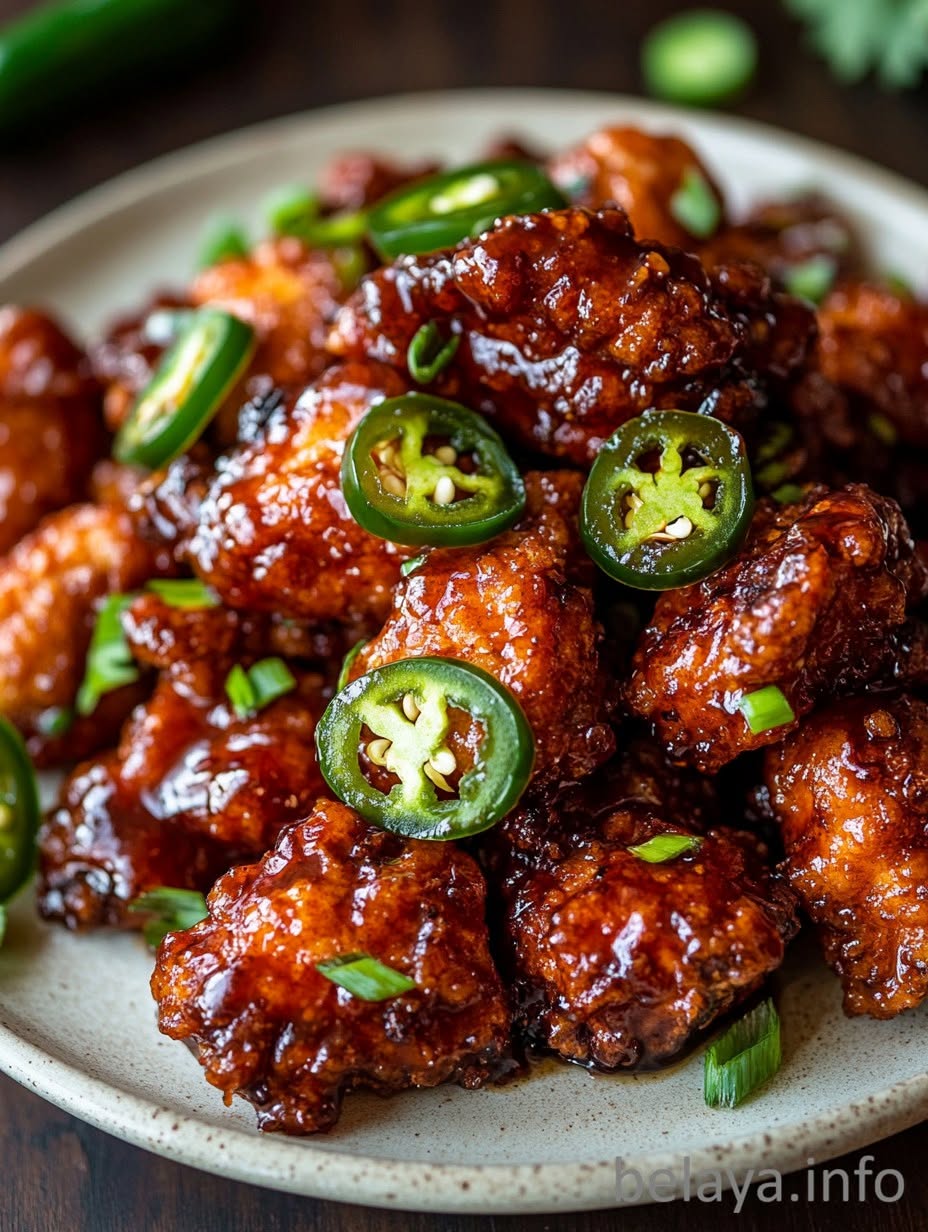
This Crispy Spicy Jalapeño Chicken is the kind of dish that instantly grabs your senses—crackling golden bites of chicken coated in a glossy, sweet-savory glaze, finished with fresh jalapeños that bring just the right kick of heat.
Every bite delivers a perfect contrast: ultra-crispy on the outside, tender and juicy inside, with layers of flavor that feel both comforting and exciting.
What makes this dish truly special is its balance. The deep richness of the fried chicken meets the brightness of garlic and soy, while the jalapeños cut through with a fresh, vibrant spice that lingers just enough. It’s a restaurant-quality experience made at home—bold, addictive, and far more satisfying than takeout because you control every detail, from the crunch level to the heat intensity.
Why People Will Love Crispy Spicy Jalapeño Chicken Recipe
Irresistible Double-Crispy Texture
The two-step frying method creates a deeply satisfying crunch that stays intact even after being coated in sauce. Each bite delivers that signature crackle on the outside while keeping the inside juicy and tender.
Perfect Sweet–Savory–Spicy Balance
The sauce hits multiple flavor notes at once—rich umami from soy sauce, gentle sweetness from brown sugar, and a fresh, lively heat from jalapeños. It’s layered, not overwhelming, making it addictive for a wide range of taste preferences.
Better Than Takeout Quality at Home
This recipe replicates (and often surpasses) restaurant-style crispy chicken by giving you control over oil temperature, freshness of ingredients, and crispiness level—no soggy coating or overly greasy finish.
Fresh Jalapeño Kick (Not Just Heat, but Flavor)
Unlike dried chili flakes or sauces, fresh jalapeños add a bright, slightly grassy heat that enhances the dish rather than masking it. You can adjust the spice level easily depending on preference.
Simple Ingredients, Big Flavor Impact
No complicated or hard-to-find ingredients—just pantry staples combined in a smart way to create a bold, restaurant-quality dish.
Highly Customizable
You can easily tweak the spice level, sweetness, or even swap proteins (like shrimp or tofu). It adapts well to different diets and preferences without losing its core appeal.
Crowd-Pleasing and Family-Friendly
The crispy texture and balanced flavor profile make it appealing to both kids and adults. You can even reduce the jalapeños for a milder version.
Visually Stunning and Appetizing
The golden-brown chicken coated in a glossy glaze with vibrant green jalapeño slices creates a dish that looks as good as it tastes—perfect for sharing or serving guests.
Quick Cooking Once Prepped
Despite its impressive result, the actual cooking process is fast once everything is prepared, making it ideal for weeknight dinners or last-minute cravings.
Highly Addictive “One More Bite” Factor
The combination of crunch, glaze, and spice creates a dish that keeps you reaching for just one more piece—until the plate is empty.
Key Ingredients
Chicken Thighs (Boneless, Skinless)
Chicken thighs are the backbone of this recipe because of their higher fat content compared to chicken breast. This natural richness keeps the meat juicy and flavorful even after double frying, preventing dryness and giving you that tender, succulent bite inside the crispy shell.
Cornstarch (The Secret to Ultimate Crispiness)
Cornstarch creates a lighter, airier crust than flour. It forms a delicate, shatteringly crisp coating that doesn’t feel heavy or doughy. When fried twice, it develops that signature thin, glassy crunch you usually only find in high-end Asian-style fried dishes.
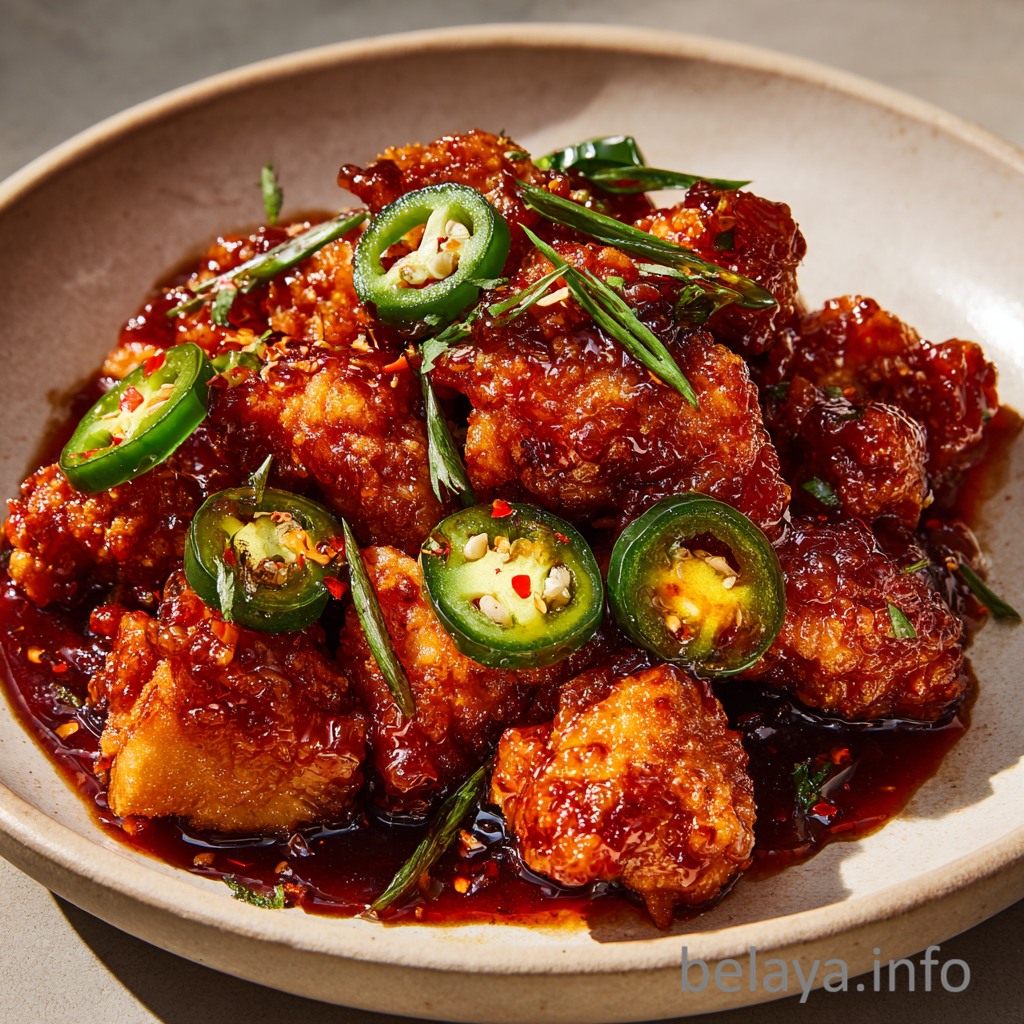
Fresh Jalapeños (Heat + Freshness Combo)
Jalapeños don’t just add spice—they bring a bright, slightly grassy flavor that cuts through the richness of fried chicken. Their natural moisture also softens slightly in the sauce, creating a contrast between crisp chicken and tender peppers.
Soy Sauce (Umami Foundation)
Soy sauce provides the deep savory base that anchors the entire dish. It enhances the natural flavor of the chicken while balancing the sweetness and spice, creating that classic crave-worthy umami depth.
Brown Sugar (Glossy Sweet Balance)
Brown sugar adds more than sweetness—it brings subtle caramel and molasses notes that give the sauce body and a beautiful sticky glaze. It helps the sauce cling perfectly to each crispy piece.
Garlic (Aromatic Depth Builder)
Fresh minced garlic infuses the sauce with bold aroma and warmth. When heated, it releases oils that deepen the flavor profile, making the dish smell as irresistible as it tastes.
Vegetable Oil (For Proper Frying Technique)
A neutral oil with a high smoke point is essential for achieving even frying. It allows the chicken to cook thoroughly during the first fry and then crisp up beautifully during the second fry without burning or absorbing excess grease.
Water (Sauce Balance & Texture Control)
Water might seem simple, but it plays a key role in dissolving sugar, balancing saltiness, and controlling the thickness of the sauce so it reduces into a smooth, glossy coating rather than becoming too thick or sticky too quickly.
Expert Tips:
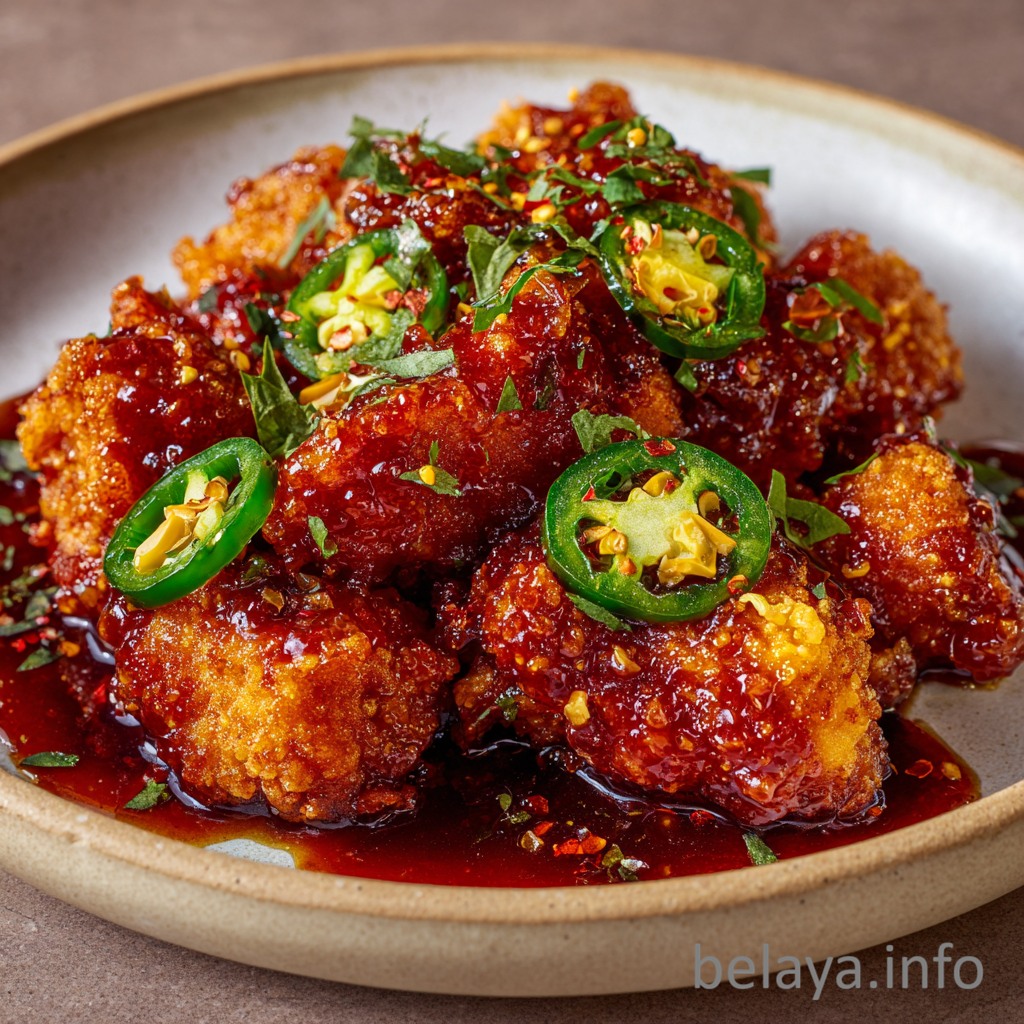
Master the Double-Fry Technique (This Is Everything)
The first fry cooks the chicken through at a lower temperature, while the second fry at higher heat rapidly removes surface moisture and locks in crispiness. Skipping or rushing this step will result in soggy or uneven texture—this is the defining technique of the dish.
Control Oil Temperature Precisely
Keeping oil around 315°F (157°C) for the first fry and 350°F (175°C) for the second is crucial. Too low = greasy chicken. Too high = burnt outside, raw inside. Use a thermometer if possible—this alone can elevate your results dramatically.
Fry in Small Batches Only
Overcrowding drops the oil temperature instantly, causing the chicken to absorb oil instead of crisping. Give each piece space so heat circulates properly and the coating sets quickly.
Use a Wire Rack Instead of Paper Towels
Letting fried chicken rest on a wire rack prevents steam from getting trapped underneath. Paper towels can make the bottom soggy, while a rack keeps airflow and preserves that all-around crunch.
Coat Lightly, Not Thickly
Cornstarch should form a thin, even layer—not a heavy crust. Too much coating leads to a hard, dense exterior instead of a light, crispy shell.
Sauce at the Last Moment Only
Once the chicken hits the sauce, the clock starts ticking. Toss quickly (1–2 minutes max) and serve immediately. Letting it sit too long will soften the crust and reduce that signature crunch.
Preheat the Pan Before Adding Sauce
A hot skillet helps the sauce reduce quickly into a glossy glaze instead of a watery coating. This ensures it clings tightly to the chicken without soaking it.
Don’t Overcook the Garlic
Add garlic into the sauce mixture rather than frying it alone first. Garlic burns fast and turns bitter—keeping it in the liquid protects its flavor and keeps it aromatic instead of harsh.
Adjust Jalapeño Heat Smartly
For milder heat, remove the seeds and membranes. For extra spice, keep them in. You can even sauté the jalapeños slightly longer for a softer, deeper heat instead of sharp freshness.
Serve Immediately for Peak Experience
This dish is at its absolute best within minutes of finishing—when the contrast between crispy coating, glossy sauce, and fresh jalapeño heat is at its peak. Waiting too long will sacrifice texture.
Optional Upgrade: Add a Tiny Splash of Vinegar or Lime
A small acidic touch at the end brightens the entire dish, cutting through the richness and making flavors pop even more without overpowering the sauce.
Test One Piece First (Pro Move)
Before frying all the chicken, test a single piece to check seasoning, coating, and oil temperature. This small step can prevent a full batch from going wrong.
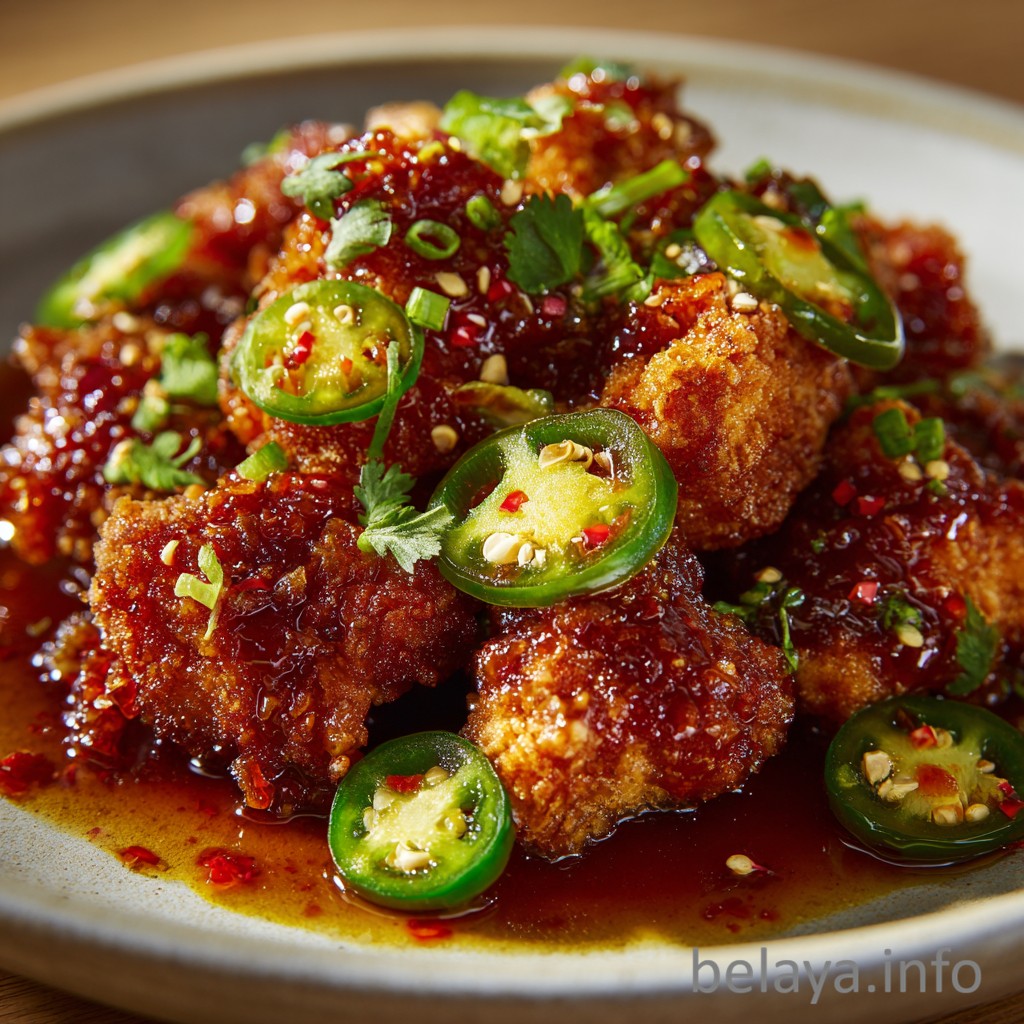
Crispy Spicy Jalapeño Chicken – Better Than Takeout with an Extra Crunch!
Ingredients:
2 pounds (900 g) boneless, skinless chicken thighs, cut into bite-sized (1-inch) pieces
¼ cup cornstarch (for a light, crispy coating)
¼ teaspoon fine salt
½ teaspoon freshly ground black pepper
Vegetable oil, for deep frying
For the Sauce:
¼ cup low-sodium soy sauce
¼ cup water
¼ cup lightly packed brown sugar
4 cloves garlic, finely minced
For Heat & Flavor:
2 large jalapeños, sliced into thin ¼-inch rounds
Instructions:
Season the Chicken
Place the chicken pieces in a large bowl.
Add salt and black pepper, then toss until evenly seasoned.
Coat with Cornstarch
Sprinkle the cornstarch over the chicken and mix well, ensuring each piece is fully and lightly coated.
Prepare the Sauce
In a separate bowl, combine the soy sauce, water, brown sugar, and minced garlic.
Whisk until the sugar is mostly dissolved, then set aside.
Heat the Oil (First Fry)
Pour about 3–4 inches of vegetable oil into a heavy pot or Dutch oven and heat to 315°F (157°C).
First Fry for Cooking Through
Fry the chicken in small batches for about 5–6 minutes, until fully cooked but still light in color.
Remove with a slotted spoon and place on a wire rack to drain.
Increase Heat for Second Fry
Raise the oil temperature to 350°F (175°C).
Second Fry for Crispiness
Return the chicken to the oil and fry again for 3–4 minutes, until golden brown and extra crispy.
Transfer back to the wire rack to drain excess oil.
Cook the Sauce
In a large skillet or wok over medium-high heat, add the prepared sauce and bring it to a boil.
Let it cook for about 1 minute until slightly thickened.
Combine Chicken and Jalapeños
Add the crispy chicken and sliced jalapeños to the skillet.
Toss continuously for 1–2 minutes until the chicken is evenly coated and the sauce turns into a glossy glaze.
Serve Immediately
Serve the chicken right away while it’s hot, crispy, and coated in the flavorful sauce.
Important Notes When Making Crispy Spicy Jalapeño Chicken Recipe
Chicken Thighs Are Strongly Recommended Over Breast
While you can use chicken breast, it tends to dry out during double frying. Thigh meat retains moisture and flavor much better, especially under high heat, giving you a consistently juicy interior.
Uniform Cutting Ensures Even Cooking
Keep chicken pieces around 1-inch size and similar thickness. Uneven cuts lead to some pieces overcooking while others remain undercooked, especially during the second fry.
Cornstarch Must Be Dry and Evenly Distributed
Any moisture on the chicken before coating will create clumps instead of a thin crust. Pat the chicken dry if needed, and mix thoroughly so every piece has a light, even coating.
Oil Depth Matters More Than You Think
Using at least 3–4 inches of oil allows the chicken to float and cook evenly. Shallow oil leads to uneven browning and can cause the coating to stick or fall off.
Flavor Builds in Layers, Not Just Sauce
Seasoning the chicken itself (salt + pepper) is essential. If you rely only on the sauce, the inside of the chicken will taste bland compared to the bold exterior.
The Sauce Will Thicken Quickly—Watch Closely
Once boiling, the sugar and soy mixture reduces fast. Overcooking can turn it too thick or sticky, making it harder to coat the chicken evenly. Aim for a light, glossy consistency.
Jalapeños Continue Releasing Heat While Cooking
The longer they stay in the hot sauce, the more their spice infuses into the dish. For a fresher, brighter heat, add them later. For deeper spice, cook them longer with the sauce.
Timing Is Critical Between Frying and Tossing
Letting the chicken sit too long after frying allows steam to soften the crust. Ideally, move directly from the second fry → brief drain → immediate toss in sauce.
Avoid Overcrowding the Sauce Pan
When combining, use a large skillet or wok. If the pan is too small, the chicken will steam instead of staying crisp, and the sauce won’t coat evenly.
This Dish Does Not Hold Well for Long Periods
Unlike some fried foods, this one is best eaten immediately. The sauce gradually softens the coating over time, so it’s not ideal for long holding or reheating without losing texture.
Ventilation Is Important When Frying Indoors
Deep frying can produce a lot of heat and aroma. Ensure good airflow in your kitchen to keep the environment comfortable and safe.
Optional Texture Boost: Let Chicken Rest Before Second Fry
Allowing the chicken to rest 5–10 minutes between fries helps the coating set and improves final crispiness—this is a small step with a noticeable impact.
How to Enjoy Crispy Spicy Jalapeño Chicken After Cooking
Serve Immediately for Peak Crispiness
This dish is at its absolute best right after cooking. The contrast between the crunchy coating and glossy sauce is most pronounced within the first few minutes. Delaying service will soften the crust, so timing is everything.
Pair with Steamed Rice for Balance
Serve the chicken over a bowl of hot steamed white rice. The rice absorbs the flavorful sauce, balancing the richness and spice while making each bite more satisfying and complete.
Add Fresh, Cooling Elements
Include sides like sliced cucumbers, lettuce, or lightly pickled vegetables. These refreshing components help cut through the heat and oil, creating a more balanced eating experience.
Use Chopsticks or Skewers for Best Texture Experience
Picking up individual pieces instead of scooping keeps the coating intact and prevents excess sauce from pooling, preserving the crispiness longer.
Layer the Eating Experience
Try alternating bites—crispy chicken, then rice, then something fresh. This sequence keeps your palate refreshed and enhances the overall enjoyment of flavors.
Adjust Heat While Eating
If it turns out spicier than expected, pair bites with rice or a mild drink. If you want more heat, add extra fresh jalapeño slices or a drizzle of chili oil on top.
Turn It into a Complete Meal Bowl
Build a bowl with rice, the chicken, and vegetables like sautéed broccoli, bell peppers, or snap peas. This adds color, nutrition, and texture variety.
Garnish for Extra Flavor and Aroma
Sprinkle chopped green onions, sesame seeds, or a light squeeze of lime over the top. These small additions elevate the dish and add a fresh finishing touch.
Serve Family-Style for Sharing
Place everything in a large platter and let everyone grab pieces while it’s hot. This dish works perfectly as a centerpiece for gatherings or casual dinners.
Reheat Smartly (If Needed)
If you must reheat, use an oven or air fryer instead of a microwave. This helps restore some crispiness. However, keep in mind it will never be as crispy as when freshly made.
Enjoy the Texture First, Flavor Second
Take your first bite without distractions—focus on the crunch, then the juicy interior, and finally the sweet-spicy glaze. This layered experience is what makes the dish memorable.
Pair with the Right Drink
Light beverages like iced tea, sparkling water, or citrus drinks complement the dish well by refreshing your palate between bites.
Nutrition Information
Approximate per serving
Calories: 420–480 kcal | Total Fat: 22–26 g | Saturated Fat: 4.5–6 g | Monounsaturated Fat: 10–12 g | Polyunsaturated Fat: 5–7 g | Cholesterol: 110–130 mg | Sodium: 700–900 mg (depending on soy sauce used) | Total Carbohydrates: 18–24 g | Dietary Fiber: 0.8–1.5 g | Sugars: 10–14 g | Protein: 28–34 g
Frequently Asked Questions:
Can I use chicken breast instead of chicken thighs?
Yes, you can—but chicken thighs are strongly recommended. Thighs stay juicy and tender after double frying, while chicken breast can dry out more easily. If using breast, reduce frying time slightly and avoid overcooking.
How do I keep the chicken crispy after adding the sauce?
The key is timing. Toss the chicken in the sauce quickly (1–2 minutes max) and serve immediately. Also, make sure the sauce is slightly thickened before adding the chicken so it coats instead of soaking.
Can I make this recipe less spicy?
Absolutely. Remove the seeds and inner membranes from the jalapeños to reduce heat. You can also use fewer jalapeños or substitute with milder peppers like bell peppers for flavor without the spice.
Do I really need to fry the chicken twice?
For the best texture—yes. The first fry cooks the chicken through, while the second fry creates that signature crispy, golden crust. Skipping the second fry will result in a softer, less crunchy coating.
Can I prepare any parts of this recipe ahead of time?
Yes. You can cut and season the chicken, slice the jalapeños, and mix the sauce in advance. However, frying and tossing in sauce should be done just before serving to maintain maximum crispiness and flavor.
Why is my chicken not crispy enough after frying?
This usually happens because of low oil temperature or overcrowding the pot. If the oil isn’t hot enough, the chicken absorbs oil instead of crisping. Always fry in small batches and maintain proper temperatures (first fry lower, second fry higher). Also, make sure the coating is light and dry—not wet or clumpy.
How do I know when the oil is at the right temperature without a thermometer?
Drop a small piece of coated chicken into the oil. If it bubbles steadily and rises slowly, the oil is ready. If it sinks with little bubbling, the oil is too cold. If it browns too quickly, the oil is too hot. A steady, active sizzle is what you’re looking for.
Why did my sauce turn too thick or too sticky?
The sauce reduces very quickly because of the sugar content. If overcooked, it can become overly thick or even start to caramelize too much. Keep the heat at medium-high and cook just until slightly thickened and glossy—then immediately add the chicken.
How can I prevent the coating from falling off the chicken?
Make sure the chicken is lightly but evenly coated with cornstarch and not overly wet before coating. Press the coating gently onto the chicken, and let it sit for a few minutes before frying so it adheres better. Avoid stirring too aggressively during frying.
Can I make this recipe without deep frying?
Yes, but the texture will be different. You can air fry or oven bake the chicken at high heat, but you won’t get the same ultra-crispy, restaurant-style crunch. If using an air fryer, lightly spray the coated chicken with oil and cook until golden, then toss in sauce just before serving.