Pasta al Limone Recipe
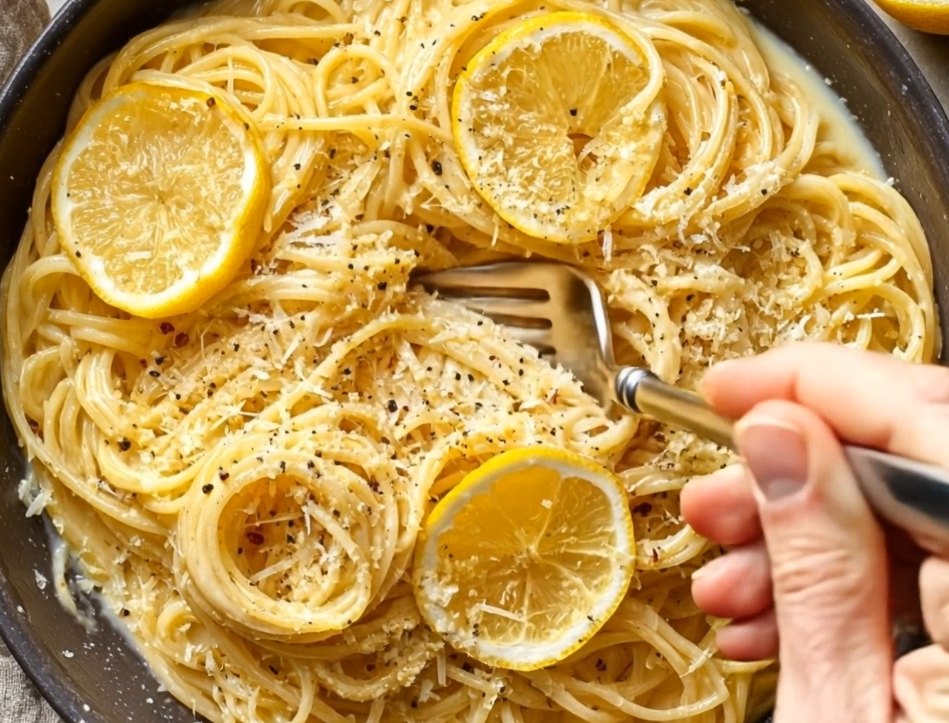
Pasta al Limone is a celebration of simplicity, where a handful of high-quality ingredients come together to create something quietly luxurious.
Bright, fragrant lemon cuts through rich cream and butter, while Parmigiano-Reggiano adds depth and savoriness to every silky strand of pasta.
Light yet indulgent, this dish captures the essence of Italian cooking—letting freshness, balance, and restraint turn an everyday meal into something truly memorable.
Why People Will Love Pasta al Limone Recipe:
Bright, elegant flavor profile – Fresh lemon juice and zest bring a vibrant citrus lift that keeps the creamy sauce light, refreshing, and perfectly balanced.
Luxuriously simple ingredients – Butter, cream, Parmesan, and pasta come together in a way that feels indulgent yet refined, proving that simplicity can be truly sophisticated.
Restaurant-quality results at home – The silky lemon cream sauce coats every strand of pasta, delivering a dish that feels worthy of a special occasion with minimal effort.
Perfect balance of richness and freshness – Cream and cheese provide depth and comfort, while lemon and black pepper prevent the dish from feeling heavy.
Quick and approachable – Despite its elegant flavor, this recipe comes together in under 30 minutes, making it ideal for both weeknights and entertaining.
Versatile and adaptable – It pairs beautifully with seafood, chicken, or vegetables, and can easily be adjusted to suit personal tastes.
Comforting yet uplifting – Warm, creamy pasta satisfies deeply, while the citrus notes add a brightness that feels energizing rather than overwhelming.
Key Ingredients:
Fresh Lemon (Juice & Zest) – The soul of the dish, delivering bright acidity and aromatic citrus oils that cut through the cream and awaken every bite.
Heavy Cream – Creates the silky, luxurious base of the sauce, providing richness while allowing the lemon to shine rather than overwhelm.
Parmigiano-Reggiano – Adds nutty depth and savory umami, melting seamlessly into the sauce to give it structure and balance.
Butter – Rounds out the flavors with gentle sweetness and richness, helping the sauce cling beautifully to the pasta.
Fettuccine or Spaghetti – Long strands are ideal for capturing the creamy lemon sauce, ensuring each forkful is evenly coated.
Black Pepper – Offers subtle heat and warmth, sharpening the citrus notes and preventing the dish from tasting flat.
Expert Tips:
Use freshly squeezed lemon juice only – Bottled lemon juice lacks the bright acidity and aromatic oils needed to balance the cream; fresh lemons make a noticeable difference.
Zest before juicing – Zesting the lemon first preserves the essential oils and prevents waste, ensuring maximum citrus fragrance in the sauce.
Keep the heat gentle – A low, steady simmer prevents the cream from breaking and keeps the sauce smooth and glossy.
Season gradually – Parmesan adds saltiness, so taste the sauce after adding the cheese before adjusting salt levels.
Stir frequently while reducing – Gentle, consistent stirring encourages even thickening and prevents scorching.
Cook pasta to just al dente – Slightly firm pasta finishes cooking in the sauce, absorbing flavor without becoming mushy.
Add cheese off high heat – Stir in the Parmesan over low heat to avoid clumping or graininess.
Toss pasta directly in the sauce – Using tongs to transfer pasta helps carry a little pasta water, which naturally loosens and emulsifies the sauce.
Serve immediately – Pasta al Limone is at its best right off the stove, when the sauce is silky and the citrus aroma is most vibrant.
Pasta al Limone Recipe
Ingredients
1 pound fettuccine or spaghetti noodles
1¼ cups heavy whipping cream
½ cup finely grated Parmigiano-Reggiano cheese, plus extra for serving
4 tablespoons unsalted butter
2½ tablespoons freshly squeezed lemon juice
1¼ teaspoons finely grated lemon zest, lightly packed
1 teaspoon freshly ground black pepper
Salt, to taste
Instructions
In a large skillet set over medium heat, combine the butter, lemon juice, and lemon zest. Stir occasionally as the butter melts and allow the mixture to gently simmer for about 20 seconds.
Pour in the heavy cream, then season with black pepper and salt to taste. Stir until fully combined.
Reduce the heat to medium-low and bring the sauce to a very gentle simmer. Once it begins to simmer, start cooking the pasta according to package instructions.
Allow the cream sauce to thicken and reduce by roughly one-quarter while the pasta cooks, stirring frequently to prevent sticking. This should take about 8–10 minutes.
Lower the heat and stir the grated Parmesan cheese into the sauce until melted and smooth.
Drain the pasta and use tongs to transfer it directly into the skillet, tossing well to coat in the lemon cream sauce.
Serve immediately, finishing with extra black pepper, grated cheese, and a light sprinkle of fresh lemon zest.
Important Notes When Making Pasta al Limone:
This dish is all about balance – The key to success is the harmony between rich dairy and bright citrus; too much lemon can overpower, while too little can make the sauce feel heavy.
Ingredient quality truly matters – With so few components, high-quality butter, real Parmigiano-Reggiano, and fresh lemons make a noticeable difference in flavor and texture.
Avoid high heat once cream is added – Excessive heat can cause the sauce to separate or become grainy, so gentle simmering is essential.
The sauce thickens as it cools – What seems slightly loose in the pan will continue to thicken after plating, so avoid over-reducing.
Cheese acts as both flavor and thickener – Parmesan not only adds savoriness but also helps emulsify the sauce, giving it body and sheen.
Timing is crucial – The pasta and sauce should be ready at the same time to ensure smooth tossing and optimal texture.
Fresh zest is a finishing touch, not just an ingredient – A light sprinkle at the end refreshes the dish and enhances aroma without adding extra acidity.
Best enjoyed immediately – Reheating can dull the lemon’s brightness and alter the sauce’s texture, so serve right away for the best experience.
How to Enjoy Pasta al Limone After Cooking
Serve immediately for the best texture
Pasta al Limone is at its peak right after cooking, when the sauce is silky and the lemon aroma is most vibrant. Delaying too long can cause the sauce to thicken excessively and lose its glossy finish.
Finish with restraint
A final dusting of finely grated Parmigiano-Reggiano, a crack of black pepper, and a touch of fresh lemon zest enhance the dish without overwhelming its delicate balance.
Pair with light accompaniments
Serve alongside a crisp green salad, steamed asparagus, or simple roasted vegetables to complement the richness and keep the meal feeling fresh.
Choose the right protein additions
If adding protein, keep it subtle—grilled shrimp, seared scallops, or lightly sautéed chicken work beautifully without competing with the lemon cream sauce.
Enjoy slightly warm, not piping hot
Let the pasta rest for a minute before serving. Slightly lower temperature allows the flavors to open up and the sauce to cling better to the pasta.
Use wide, shallow bowls
This helps distribute heat evenly and showcases the creamy sauce, making each bite more balanced.
Savor it slowly
This dish rewards mindful eating. The interplay of citrus, cream, and cheese becomes more complex with each bite.
Keep leftovers simple
If needed, reheat gently over low heat with a splash of cream or pasta water to restore the sauce’s smooth texture.
Nutrition Information:
(Values are approximate and based on 1 serving, assuming the recipe serves 4.)
Calories: 620–660 kcal | Total Fat: 36 g | Saturated Fat: 21 g | Monounsaturated Fat: 10 g | Polyunsaturated Fat: 1.5 g | Cholesterol: 110 mg | Sodium: 420–520 mg (depending on cheese and added salt) | Total Carbohydrates: 58 g | Dietary Fiber: 2.5 g | Sugars: 4 g | Protein: 17 g
Frequently Asked Questions
Why did my sauce turn too thick or heavy?
This usually happens when the cream reduces too much or the heat is too high. The sauce continues to thicken after cooking, so it’s best to stop reducing it while it still looks slightly loose in the pan.
Can I make Pasta al Limone ahead of time?
This dish is best enjoyed fresh. Making it ahead can dull the lemon’s brightness and change the sauce’s texture. If necessary, prepare the sauce shortly before serving and cook the pasta at the last minute.
Can I use a different type of pasta?
Yes. Long pasta like linguine or tagliatelle works best, but short shapes such as rigatoni or penne can be used. Just expect a slightly different sauce-to-pasta balance.
Why should Parmesan be added over low heat?
High heat can cause the cheese to clump or turn grainy. Adding it gently over low heat allows it to melt smoothly and emulsify into the sauce.
How do I fix a sauce that tastes too lemony?
Balance it by adding a splash of cream, a small knob of butter, or a bit more cheese. These ingredients soften acidity without masking the lemon flavor.
When should I start cooking the pasta in relation to the sauce?
Begin cooking the pasta once the cream sauce reaches a gentle simmer. This timing ensures both are ready at the same time, allowing the pasta to be tossed directly into the sauce while everything is hot and cohesive.
How do I prevent the cream sauce from separating?
Keep the heat low and steady after adding the cream. Avoid boiling the sauce, and stir frequently to maintain a smooth, emulsified texture.
Should I reserve pasta water for this recipe?
Yes. Reserving a small amount of pasta water is helpful in case the sauce becomes too thick. A splash can loosen the sauce and help it cling to the pasta more evenly.
Can I adjust the lemon flavor while cooking?
Absolutely. Start with the recommended amount of lemon juice and taste the sauce before adding more. Lemon intensity can vary by fruit, so adjusting gradually helps maintain balance.
Why is it important to add the cheese after reducing the sauce?
Adding Parmesan after the sauce has slightly reduced allows it to melt smoothly and thicken the sauce without becoming gritty or clumpy.