White Pasta e Fagioli
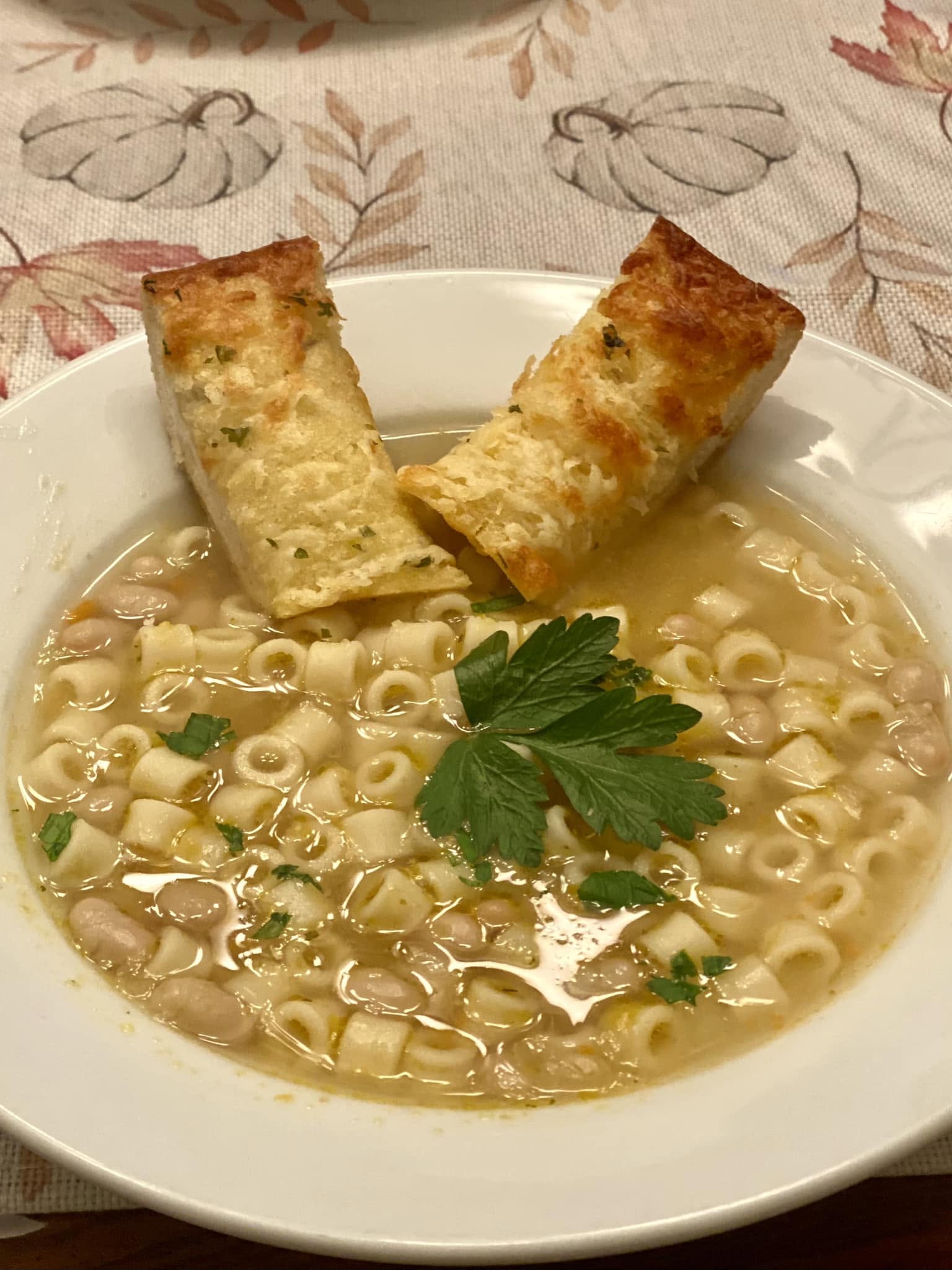
White Pasta e Fagioli is rustic Italian comfort food at its most soulful—humble ingredients layered slowly to create depth, warmth, and quiet richness.
Creamy cannellini beans, smoky bacon, and tender pasta come together in a broth that thickens naturally, wrapping each bite in savory simplicity.
This is the kind of dish meant to be eaten slowly, spoon after spoon, offering nourishment, nostalgia, and the reassuring feeling of a meal made with care rather than excess.
Why People Will Love White Pasta e Fagioli:
True Italian comfort food – This dish delivers warmth and familiarity, offering the kind of slow-cooked satisfaction that feels nourishing and grounding.
Creamy texture without heaviness – Naturally thickened by cannellini beans rather than cream, it feels rich yet balanced and never overwhelming.
Smoky depth from bacon – Just enough smokiness adds savory complexity and elevates the entire pot without overpowering the beans.
Simple ingredients, layered flavor – Everyday pantry staples are transformed into something deeply flavorful through gentle cooking and thoughtful technique.
Customizable and forgiving – The thickness, spice level, and pasta ratio can all be adjusted to personal preference.
Hearty yet wholesome – Beans and pasta provide lasting satisfaction, while herbs and aromatics keep it fresh and vibrant.
Perfect for cozy meals – Ideal for cool evenings, family dinners, or quiet nights when comfort matters most.
Even better the next day – The flavors continue to develop, making leftovers especially delicious.
Key Ingredients:
Cannellini Beans – Creamy, mild, and naturally thickening, they form the heart of the dish, creating body and richness without the need for cream.
Smoky Bacon – Adds a subtle, savory depth that enriches the broth and brings warmth and complexity to every spoonful.
Ditalini Pasta – Small and sturdy, this pasta absorbs flavor while keeping its shape, providing satisfying texture in each bite.
Celery, Onion, and Garlic – A classic aromatic base that builds gentle sweetness and balances the richness of the beans and bacon.
Chicken Stock – Acts as the backbone of the soup, carrying flavor and allowing the ingredients to meld into a cohesive whole.
Parmesan Cheese – Salty and nutty, it finishes the dish with umami depth and rounds out the rustic flavors.
Fresh Parsley – Adds brightness and a clean herbal note that lifts the dish just before serving.
Red Pepper Flakes – Optional but impactful, they introduce gentle heat that contrasts beautifully with the creamy beans.
Expert Tips:
Render the bacon slowly – Start over medium heat so the fat releases gently and the bacon becomes crisp without burning, creating a richer base for the soup.
Build flavor in stages – Let the onion, celery, and garlic soften fully before adding liquid; this develops sweetness and depth that carry through the entire dish.
Use bean liquid strategically – Keeping some of the cannellini bean liquid adds body and flavor, helping the soup thicken naturally.
Blend sparingly for creaminess – A quick, partial blitz of beans thickens the broth while preserving rustic texture—avoid over-puréeing.
Cook pasta separately – Adding pasta directly to the pot causes it to absorb too much liquid and become bloated; keeping it separate preserves texture and consistency.
Season gradually – Bacon, Parmesan, and stock all add salt, so taste at multiple stages before adjusting.
Finish with cheese off heat – Stir in Parmesan once the heat is off to prevent clumping and preserve its nutty flavor.
Rest before serving – Let the soup sit for a few minutes after cooking; this allows flavors to settle and the texture to improve.
Adjust thickness at the end – Add more stock for a brothy version or blend a bit more beans for a thicker, stew-like consistency.
Garnish intentionally – A drizzle of olive oil and fresh black pepper at the end elevate aroma and mouthfeel.
White Pasta e Fagioli
Ingredients
4 slices smokey bacon, medium dice
3 celery stalks, diced
½ white onion, diced
4 chopped garlic cloves
1 large can cannellini beans, 1 lb. 13 oz or 2 regular sized cans, drain half of the liquid
½ lb. of ditalini pasta or something similar that size
a handful chopped parsley
a generous handful of grated parmesan cheese
chicken stock in a box, or homemade if you have it, not quite a whole quart or depending on desired thickness
a pinch of red pepper flakes to taste
black pepper and salt to taste
olive oil
Instructions
Drizzle olive oil in the bottom of a heavy pot to cover.
Cook the diced bacon until it gets slightly, crispy golden.
If it’s too greasy, remove and drain on paper towel, wipe out pan and add more olive oil and return the cooked bacon.
Toss in the the garlic, onion and celery, cook til it softens, add in your red pepper flakes to taste (optional).
Throw in the beans with the remaining liquid in the cans.
Stir well, then pour in the chicken stock.
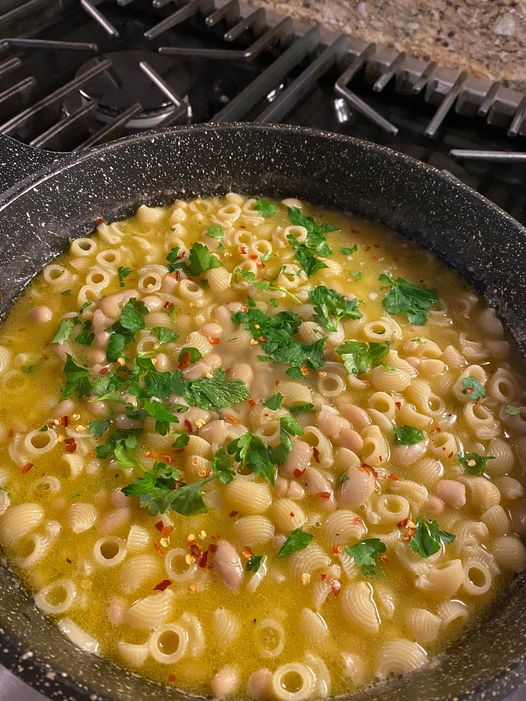
Get it to a boil then simmer it for 15 to 20 minutes, it should thicken to the right consistency on its own, if it doesn’t thicken enough I take my immersion blender and do a quick blitz on the side, not too much, just enough to puree some of the beans to act as a thickener.
In the meantime boil the pasta on the side, a’dente then drain it.
Turn off heat when soup is finished, add a big handful of grated parmesan and chopped parsley.
Add a little bit of the pasta, reserving most of it for your individual bowls, this way the pasta won’t blow up in the hot soup and you can take as much as you want for your bowl.
Taste for seasoning on everything.
Ladle into bowls adding a drizzle of olive oil, more cheese, black and red pepper.
Enjoy!
Important Notes When Making White Pasta e Fagioli:
This is a rustic dish, not a precision recipe – Small variations in texture, thickness, and seasoning are part of its charm and authenticity.
Beans are the foundation – The quality of the cannellini beans matters; creamy beans with intact skins give the soup its signature body.
Pasta and soup should stay separate – Keeping pasta out of the main pot prevents it from over-absorbing liquid and turning mushy, especially for leftovers.
Thickness evolves over time – The soup naturally thickens as it rests, so err slightly on the looser side while cooking.
Salt must be handled carefully – Bacon, Parmesan, and stock all contribute salt; final seasoning should always be done at the end.
Heat should be gentle – A soft simmer encourages flavors to meld without breaking down the beans too aggressively.
Blending is optional, not required – Purée only a portion if you want extra creaminess; the dish should still feel textured and hearty.
Cheese belongs at the end – Adding Parmesan off heat preserves its flavor and prevents it from clumping or becoming stringy.
Flavor improves with rest – Like many bean-based dishes, Pasta e Fagioli tastes even better after sitting for a short time.
Olive oil is a finishing ingredient – A final drizzle adds aroma and richness that completes the dish.
How to Enjoy White Pasta e Fagioli After Cooking
Let the soup rest briefly
Allow the pot to sit for 5–10 minutes after cooking. This short rest lets the flavors meld and the broth settle into its ideal creamy consistency.
Assemble the bowl thoughtfully
Add pasta to each bowl first, then ladle the hot bean soup over it. This keeps the pasta perfectly tender without becoming waterlogged.
Finish with intention
Top each bowl with freshly grated Parmesan, a drizzle of good-quality olive oil, and a crack of black pepper to enhance aroma and richness.
Adjust to personal taste
Add red pepper flakes for gentle heat or a splash of stock if you prefer a looser, more brothy texture.
Savor the texture contrast
Enjoy how the creamy beans, tender pasta, and smoky bacon work together—each bite should feel balanced and comforting.
Pair simply
Serve with crusty bread for dipping or enjoy on its own as a complete, nourishing meal.
Eat slowly and mindfully
This dish rewards unhurried eating—its warmth and depth unfold with each spoonful.
Ideal for leftovers
Store soup and pasta separately. Reheat the soup gently, then add freshly warmed pasta to maintain the best texture.
Perfect for cozy moments
Best enjoyed on cool evenings, quiet nights, or when you want something grounding and familiar.
Nutrition Information:
Values are approximate and based on 1 serving, assuming the recipe serves 4.
Calories: 460–500 kcal | Total Fat: 16 g | Saturated Fat: 5 g | Monounsaturated Fat: 8 g | Polyunsaturated Fat: 2 g | Cholesterol: 25 mg | Sodium: 850–1,000 mg (depending on bacon, Parmesan, and added salt) | Total Carbohydrates: 55 g | Dietary Fiber: 9 g | Sugars: 4 g | Protein: 22 g
Frequently Asked Questions:
What makes White Pasta e Fagioli different from the tomato-based version?
The white version relies on cannellini beans and broth rather than tomatoes, creating a creamier, more delicate flavor profile that feels richer and more comforting.
Is this dish supposed to be thick or soupy?
It can be either. Traditionally, White Pasta e Fagioli ranges from brothy to stew-like, depending on how much stock is used and how many beans are partially puréed.
Can this recipe be made without bacon?
Yes. Omitting bacon creates a lighter, vegetarian-friendly dish. You can add extra olive oil and Parmesan rind for depth.
Does this dish taste better the next day?
Yes. The flavors continue to develop as it rests, making leftovers especially flavorful when reheated gently.
Is White Pasta e Fagioli meant to be a main dish or a starter?
It can be either. Served in smaller portions, it works beautifully as a first course; in larger bowls, it’s a hearty and satisfying main meal.
Should the beans be fully drained or cooked with their liquid?
Reserve some of the bean liquid. It adds body and natural starch, helping the soup thicken without cream or flour.
Why is it better to cook the pasta separately?
Cooking pasta in the soup causes it to absorb too much liquid and become mushy. Adding it per bowl keeps texture and consistency under control.
How do I thicken the soup without changing the flavor?
Blend a small portion of the beans directly in the pot using an immersion blender. This thickens the broth naturally while keeping the flavor intact.
When should Parmesan be added?
Add Parmesan off heat at the very end. This prevents clumping and preserves its nutty, umami-rich flavor.
How do I keep the soup from becoming too salty?
Season gradually and taste often. Bacon, stock, and cheese all contribute salt, so final seasoning should always be adjusted at the end.