Mole de Olla Recipe
Mole de Olla is a deeply comforting, rustic Mexican soup that brings together slow-simmered beef, earthy dried chiles, and fresh garden vegetables in a rich, aromatic broth.
This dish is all about time, patience, and tradition—each step builds layers of flavor that feel both bold and soulful.
With its smoky chile base, tender meat, and fresh toppings, Mole de Olla captures the essence of home-style Mexican cooking meant to be shared, savored, and remembered.
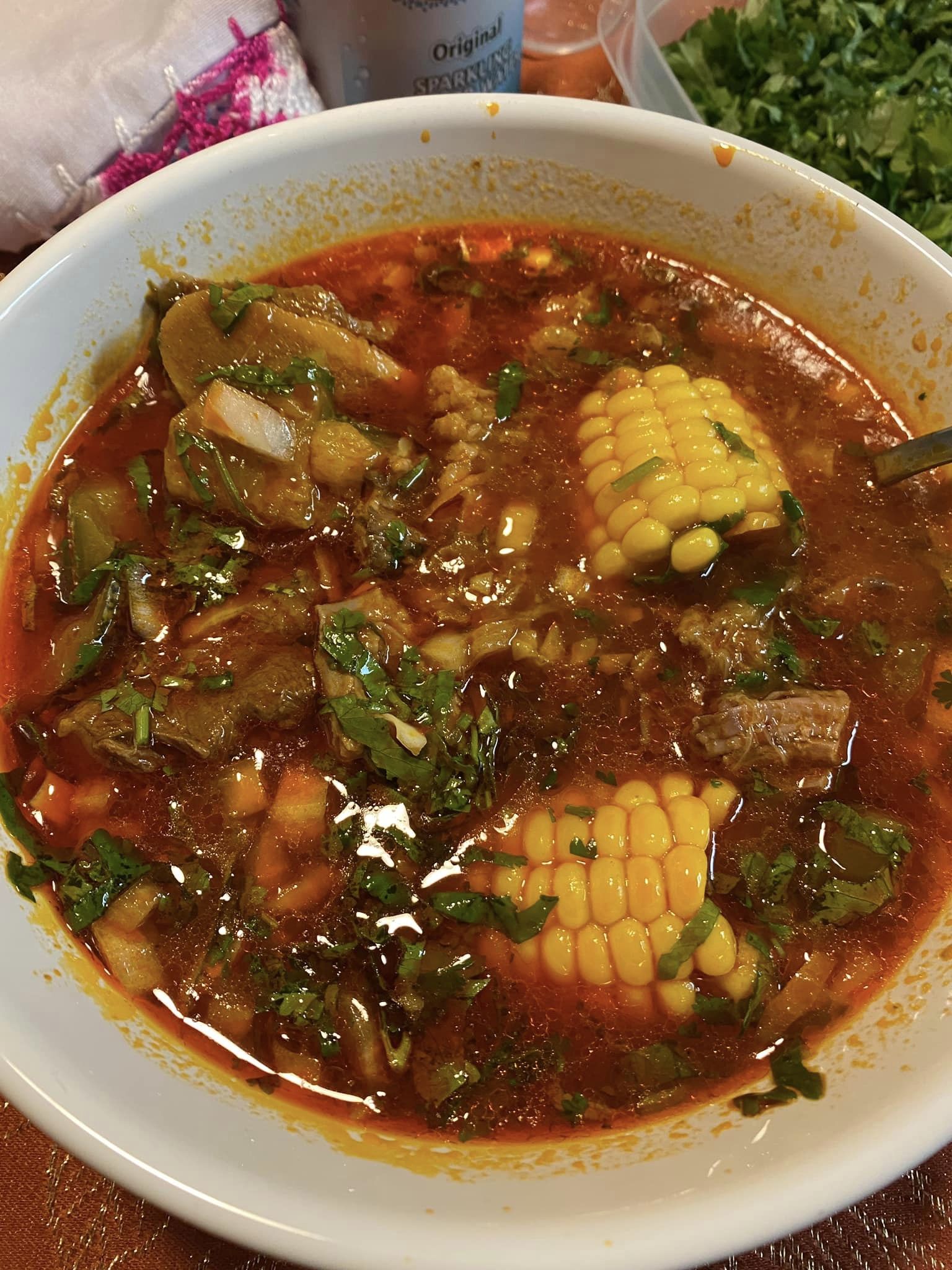
Why People Will Love This Mole de Olla Recipe:
Authentic, Time-Honored Flavor – This recipe stays true to traditional Mexican cooking, using dried chiles, charred vegetables, and slow-simmered beef to create a deeply authentic taste that feels rooted in heritage and home kitchens.
Rich, Layered Broth – The combination of guajillo, puya, and árbol chiles creates a complex broth that is smoky, earthy, slightly spicy, and incredibly satisfying without being overwhelming.
Fall-Apart Tender Beef – Slow cooking the beef shank allows the meat to become meltingly tender, infusing the broth with natural richness and collagen for a luxurious mouthfeel.
Perfect Balance of Hearty and Fresh – Hearty ingredients like beef and corn are beautifully balanced with fresh calabacita, cilantro, and chopped onion, keeping the soup comforting yet vibrant.
Smoky Depth from Charred Ingredients – Charring the tomatoes, onions, garlic, and chiles adds a subtle smokiness that elevates the entire dish and gives it restaurant-quality depth.
Customizable Heat Level – The use of árbol chiles allows cooks to easily adjust the spice level, making the recipe approachable for mild-heat lovers and chile fans alike.
One-Pot Comfort Food – Mole de Olla is a complete meal in a bowl—protein, vegetables, and broth—making it deeply nourishing and ideal for family dinners or special gatherings.
Perfect for Sharing – This soup is meant to be served in big bowls with warm tortillas and fresh toppings, encouraging conversation, warmth, and togetherness around the table.
Even Better the Next Day – Like many traditional soups, the flavors continue to deepen overnight, making leftovers exceptionally delicious.
A True Taste of Mexican Home Cooking – More than just a recipe, Mole de Olla delivers comfort, nostalgia, and cultural connection in every spoonful.
Key Ingredients:
Beef Shank – The foundation of the soup, beef shank slowly releases collagen and rich flavor as it simmers, creating a deeply savory broth and meat that becomes tender and succulent.
Dried Guajillo, Puya, and Árbol Chiles – These chiles work together to build complexity: guajillo adds mild sweetness and depth, puya contributes earthy heat, and árbol brings a sharp, adjustable kick of spice.
Charred Tomatoes, Onion, and Garlic – Blistering these ingredients intensifies their natural sugars and adds a subtle smokiness, forming the aromatic backbone of the broth.
Fresh Cilantro (Whole Bunch + Garnish) – Simmered cilantro infuses the soup with herbal warmth, while fresh chopped cilantro at the end adds brightness and contrast.
Corn on the Cob – Sweet, starchy corn absorbs the chile-rich broth, adding heartiness and texture that make the soup feel complete and comforting.
Calabacita Mexicana – This tender squash provides a fresh, mild element that balances the richness of the broth and prevents the dish from feeling heavy.
Salt (Carefully Layered) – Simple yet essential, salt enhances each component—from the beef to the chiles—allowing the natural flavors to shine without overpowering them.
Expert Tips:
Choose the right cut of beef and don’t rush it
Beef shank is ideal because its marrow and connective tissue slowly melt into the broth. Simmer gently, not aggressively, to keep the meat tender and the broth clear and rich instead of cloudy.
Char, don’t burn, the chile base
When toasting dried chiles and vegetables, watch closely. You want light blistering and a deep aroma—not blackened bitterness. Burnt chiles will make the entire soup taste harsh and smoky in the wrong way.
Soak chiles thoroughly for a silky sauce
Fully softened chiles blend smoother and strain more easily. If they still feel leathery, give them a few extra minutes in hot water—this step directly affects the final texture of the broth.
Strain the blended sauce for elegance
Even if it looks smooth, always strain the chile mixture. This removes tough skins and seeds, giving you a clean, velvety broth worthy of traditional mole de olla.
Layer salt gradually, never all at once
Salt lightly at the beginning and adjust after the chile sauce is added and again at the end. As the broth reduces and flavors concentrate, early over-salting is hard to fix.
Simmer with a whole bunch of cilantro, then remove it
Cooking cilantro whole releases gentle herbal notes without overpowering the soup. Removing it before serving keeps the flavor fresh and balanced.
Add vegetables in stages
Corn goes in first so it can absorb the broth’s flavor; calabacita should be added last to stay tender and vibrant. Overcooking squash will dull both color and texture.
Control heat with árbol chiles, not more salt
If the soup feels flat, add spice—not salt. Árbol chiles allow you to fine-tune heat without masking the complexity of the mole base.
Let the soup rest before serving
A 10–15 minute rest after cooking allows the flavors to settle and deepen. Mole de olla always tastes better once it has a moment to breathe.
Serve with simple accompaniments
Warm corn tortillas, lime wedges, and fresh chopped onion enhance the soup without competing with its layered flavors.
Mole de Olla Recipe
Ingredients:
2 lbs beef shank
8 tomatoes
1 onion (for the soup)
Chopped onion (for topping)
3 cloves garlic
1 bunch cilantro (plus extra for topping)
4 dried guajillo chiles
4 dried puya chiles
1-2 dried árbol chiles (adjust for spice preference)
Salt (to taste)
2 ears of corn (chopped into 3 pieces)
1 calabacita mexicana (small green squash, chopped)
Instructions:
Boil the Beef:
In a large pot, add the beef shank and cover with water. Season with salt. Bring to a boil, then reduce heat and simmer until the meat is tender (about 1.5 to 2 hours).
Char the Ingredients:
While the beef is cooking, char the tomatoes, onion, garlic, guajillo chiles, puya chiles, and árbol chiles in a dry skillet over medium heat until slightly blistered. This enhances the flavors.
Blend the Mixture:
Transfer the charred ingredients to a blender and blend until smooth. If needed, add a bit of the beef broth to help blend.
Strain and Combine:
Strain the blended mixture into a large pot, discarding any solids. Add some of the beef broth to adjust the consistency and return the beef shank to the pot. Add the entire bunch of cilantro (you can remove it later).
Simmer:
Bring the mixture to a gentle simmer and cook until the meat is tender and falling off the bone, about 30-45 minutes.
Add Corn and Squash:
Add the chopped corn to the soup and cook for another 10 minutes. Then add the chopped calabacita mexicana and cook until just tender, about 5 more minutes. Adjust salt to taste.
Serve:
Remove the bunch of cilantro before serving. Ladle the soup into bowls and top with chopped onion and cilantro. Serve with warm tortillas on the side.
Enjoy your flavorful Mole de Olla!
Important Notes When Making Mole de Olla:
This is a broth-based dish, not a thick mole
Despite the name, Mole de Olla is meant to be soupy and clear yet deeply flavored. Avoid over-thickening the chile base; the broth should be rich and aromatic, not heavy or pasty.
Patience is essential for depth of flavor
The long simmer allows collagen from the beef shank to dissolve into the broth, giving it natural body and richness. Rushing this step will result in tough meat and a flat-tasting soup.
The chile blend defines the character of the dish
Guajillo and puya chiles provide earthy sweetness and mild heat, while árbol chiles add sharp spice. Changing the ratios will significantly alter the final flavor profile.
Straining the chile sauce is not optional
Skipping this step leaves behind bitter skins and seeds that compromise texture and mouthfeel. A properly strained sauce is key to an elegant, traditional finish.
Vegetables must keep their identity
Corn and calabacita should be tender but intact. Overcooked vegetables muddy the broth and distract from the clean, rustic balance that defines Mole de Olla.
Salt should be adjusted at the very end
As the broth reduces and ingredients release their flavors, salinity increases naturally. Final seasoning should always happen just before serving.
Cilantro is an aromatic, not a garnish inside the pot
Cooking a whole bunch infuses herbal notes; chopped cilantro is best added fresh at the table for brightness and contrast.
Fat on the surface is normal—and desirable
A light layer of beef fat indicates a flavorful, well-extracted broth. Skim only if excessive, but don’t remove it all—it carries aroma and depth.
Resting improves the soup
Mole de Olla tastes better after sitting briefly. Flavors integrate, heat mellows, and the broth becomes more cohesive.
This dish honors simplicity and restraint
Avoid adding extra spices, thickeners, or modern shortcuts. Mole de Olla shines through careful technique and respect for its traditional ingredients.
How to Enjoy Mole de Olla After Cooking
1. Let the Soup Rest Briefly
Allow the Mole de Olla to rest for 10–15 minutes after cooking.
This short pause lets the broth settle, softens sharp chile notes, and allows flavors to fully integrate.
2. Serve It Hot and Generously
Ladle the soup into deep bowls, ensuring each serving includes:
- A piece of beef shank
- Corn on the cob
- Calabacita
- Plenty of rich chile-infused broth
The balance of meat, vegetables, and liquid is essential for the full experience.
3. Add Fresh Toppings at the Table
Sprinkle with:
- Finely chopped white onion for crunch
- Fresh cilantro for brightness
These raw toppings contrast beautifully with the deep, slow-cooked flavors.
4. Pair with Warm Corn Tortillas
- Serve with freshly warmed corn tortillas on the side.
- Tear and dip them into the broth or use them to scoop tender beef and vegetables—this is the traditional way to eat Mole de Olla.
5. Finish with a Squeeze of Lime (Optional but Recommended)
A small squeeze of fresh lime juice just before eating:
- Cuts through richness
- Brightens the chile flavor
- Balances the beefy depth
Use sparingly to avoid overpowering the broth.
6. Eat Slowly and Mindfully
Mole de Olla is not a rushed dish.
Alternate bites of meat, vegetables, and broth to appreciate how each element complements the others.
7. Enjoy as a Complete Meal
This soup is hearty enough to stand alone.
If serving for a gathering, keep sides minimal—tortillas and maybe a simple salsa are all you need.
8. Save the Leftovers for an Even Better Tomorrow
Store leftovers in the refrigerator overnight.
Reheat gently the next day—the flavors deepen and become even more cohesive.
9. Share It Family-Style
Mole de Olla is meant to be shared.
Serve it from the pot at the table, allowing everyone to customize their bowl with toppings and tortillas.
10. Respect the Tradition
Enjoy Mole de Olla as it is—rustic, soulful, and honest.
Its beauty lies in its simplicity, patience, and deep connection to home cooking.
Nutrition Information:
YIELDS: 6 | SERVING SIZE: 1
Calories: 350 kcal | Protein: 30 g | Fat: 15 g | Saturated Fat: 5 g | Carbohydrates: 25 g | Dietary Fiber: 4 g | Sugars: 4 g | Sodium: 700 mg
Frequently Asked Questions:
What makes Mole de Olla different from other Mexican soups?
Mole de Olla stands out because its broth is built from dried red chiles that are toasted, blended, and strained, rather than relying on fresh chiles or spice powders. This creates a deeper, smokier, and more complex flavor that develops slowly as the soup simmers.
Can I substitute a different cut of beef for beef shank?
Yes. While beef shank is traditional because it adds richness and body from the bone, you can substitute chuck roast, short ribs, or beef stew meat. Keep in mind that bone-in cuts provide a fuller, more flavorful broth.
Is Mole de Olla supposed to be spicy?
Mole de Olla is traditionally warm and earthy rather than aggressively spicy. The heat level depends on how many árbol chiles you add. You can easily adjust the spice by reducing or increasing the árbol chiles without changing the depth of flavor.
Why is the chile sauce strained before adding it to the soup?
Straining removes tough skins and seeds from the dried chiles, resulting in a silky, smooth broth. Skipping this step can make the soup gritty or slightly bitter, especially with guajillo and puya chiles.
Can Mole de Olla be made ahead of time?
Absolutely. Mole de Olla often tastes even better the next day as the flavors continue to develop. Store it in the refrigerator for up to 4 days, and reheat gently on the stovetop, adding a bit of water or broth if needed.
How do I know when the beef is properly cooked for Mole de Olla?
The beef is ready when it is fork-tender and easily pulls away from the bone. If using beef shank, the meat should feel soft but not falling apart too early. Properly cooked beef usually takes 1½–2 hours of simmering, depending on the cut and size.
What is the best way to toast dried chiles without burning them?
Toast dried chiles briefly over medium heat, about 20–30 seconds per side, just until they become fragrant and slightly pliable. If they darken too much or smell bitter, they are burned and should be discarded, as burned chiles will make the soup unpleasantly bitter.
How much soaking water should I add when blending the chiles?
Start with ½ to 1 cup of soaking liquid when blending. This helps achieve a smooth sauce without making it watery. You can always thin the sauce later with beef broth during simmering, but starting thick gives you better flavor control.
When should vegetables like corn and squash be added?
Corn should be added before squash because it needs more time to cook and release sweetness into the broth. Add squash near the end—about 5 minutes before serving—so it stays tender and doesn’t turn mushy.
Why is the soup simmered after adding the chile sauce?
Simmering allows the raw chile flavors to fully cook out and blend with the beef broth. This step transforms the sauce from sharp and smoky into rich, rounded, and deeply savory, which is essential for an authentic Mole de Olla.