Cannellini Beans and Pastina
Cannellini Beans and Pastina is a warm, humble, deeply comforting dish built from simple pantry ingredients. It combines creamy white beans, tiny pasta, tomatoes, herbs, Parmesan cheese, and olive oil into a bowl that feels both rustic and nourishing.
This recipe has the soul of traditional home cooking. The beans create a naturally creamy texture without needing heavy cream, while the pastina makes the soup soft, cozy, and satisfying. It is simple enough for an everyday meal, yet rich enough in flavor to feel like something made slowly and thoughtfully.
It is the kind of dish that brings comfort without being heavy. Every spoonful has gentle tomato acidity, soft beans, tender pasta, savory cheese, and fresh herbs, making it perfect for a quiet dinner, a cold day, or a healing bowl of food when you want something warm and honest.
Why People Will Love Cannellini Beans and Pastina Recipe
It is deeply comforting and simple. This dish feels like classic home cooking: warm, soft, creamy, and satisfying without being complicated.
The beans make the soup naturally creamy. Blending or mashing one can of beans gives the broth body and richness without adding cream.
It is affordable but full of flavor. Canned beans, pasta, tomatoes, onion, garlic, and herbs create a beautiful meal from everyday ingredients.
The pastina makes it cozy and family-friendly. Small pasta gives the soup a soft, tender texture that feels especially comforting.
It is flexible and easy to adjust. You can make it thicker like a stew or thinner like a soup by adding more broth.
It works well for both lunch and dinner. It is filling enough to be a main dish but gentle enough for a lighter meal.
It has a beautiful balance of rustic and elegant. Olive oil, Parmesan, herbs, beans, and tomatoes create a simple dish with deep Italian-style flavor.
It tastes even better as it rests. The beans, tomato, cheese, and herbs continue to blend together, making leftovers especially flavorful.
Key Ingredients
Cannellini Beans:
Cannellini beans are the heart of this recipe. They are creamy, mild, and tender, giving the soup body, protein, and a comforting texture. Using both whole beans and puréed beans creates a beautiful balance between creaminess and bite.
Pastina or Short Pasta:
Small pasta makes the soup feel cozy and delicate. It absorbs some of the broth and turns the dish into something more filling and satisfying.
Broth or Water:
Chicken broth, vegetable broth, or water forms the liquid base. Broth adds more savory depth, while water keeps the flavor lighter and lets the beans and herbs stand out.
Extra Virgin Olive Oil:
Olive oil adds richness and a smooth finish. It also helps cook the onion, garlic, and crushed red pepper, building the first layer of flavor.
Onion and Garlic:
These aromatics give the soup warmth and depth. Onion adds sweetness, while garlic brings a savory, fragrant base.
Crushed Red Pepper:
A small amount of crushed red pepper gives gentle heat. It does not need to make the soup spicy; it simply adds warmth and balance.
Whole Tomatoes:
Whole tomatoes add acidity, color, and rustic texture. As they simmer, they break down into the broth and give the soup brightness.
Bay Leaf:
The bay leaf adds a quiet background flavor. It brings depth without overpowering the beans or pasta.
Parmesan Cheese:
Parmesan gives the soup a salty, savory richness. Stirring it into the soup helps round out the flavor and makes the broth taste deeper.
Fresh Herbs:
Parsley, basil, rosemary, or a mixture of herbs adds freshness at the end. Herbs brighten the soup and keep it from tasting too heavy.
Expert Tips
Use the bean liquid for extra flavor and body. The liquid from canned beans helps create a thicker, more velvety soup base.
Blend or mash one can of beans. This is the secret to a creamy texture without cream. It gives the soup body while keeping the recipe simple.
Do not let the soup boil hard. A gentle simmer keeps the beans tender and prevents the broth from becoming cloudy or too reduced.
Cook the pasta separately. Cooking the pastina separately helps prevent it from soaking up too much broth and becoming mushy.
Salt carefully. Canned beans, broth, and Parmesan can all be salty. Taste near the end before adding more salt.
Add herbs at the end. Fresh herbs keep their color and brightness when stirred in after the soup finishes simmering.
Adjust the thickness before serving. If the soup is too thick, add more broth. If it is too thin, simmer it a little longer or add more mashed beans.
Use good olive oil for finishing. A small drizzle of extra virgin olive oil over each bowl makes the soup taste richer and more polished.
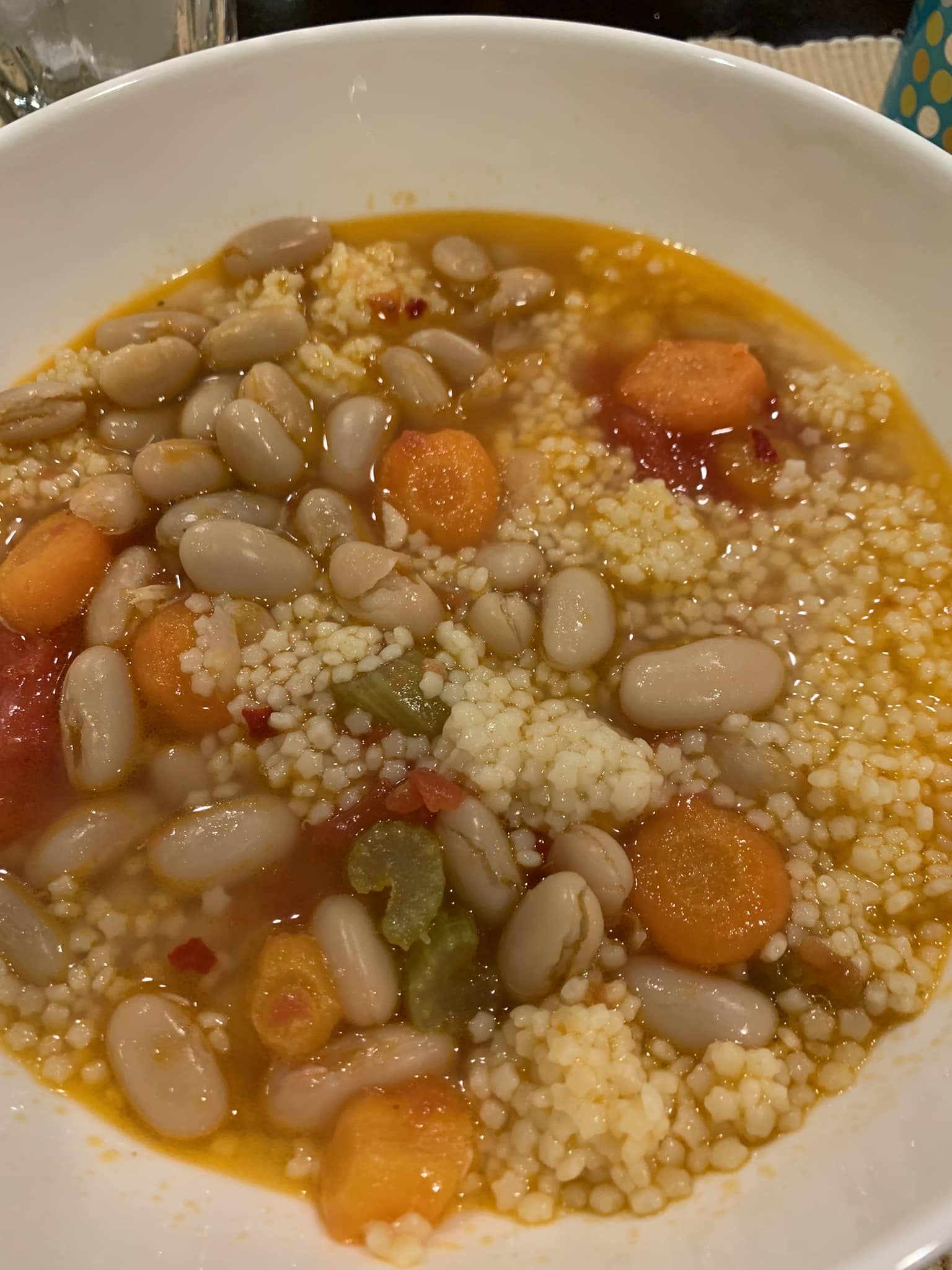
How to make Cannellini Beans and Pastina
Ingredients:
3 14-ounce cans cannellini beans, or other white beans such as navy or Great Northern
Chicken broth, vegetable broth or water as needed
3 tablespoons extra virgin olive oil
½ onion, chopped
2 cloves garlic, finely chopped or grated
½ teaspoons crushed red pepper
1 14-ounce can whole tomatoes
1 whole bay leaf
Kosher salt
1 cup dried short pasta
⅓ cup grated Parmesan cheese, plus additional for serving
¼ cup chopped parsley, basil or rosemary (or a mixture)
Instructions:
Drain 2 cans of beans into a strainer set over a bowl or large measuring cup. Add enough broth or water to the liquid to measure a total of 3 cups. This is the liquid base of the soup.
In a food processor, pulse the remaining can of beans (1 ½ cups) along with the can liquid until almost smooth. Alternatively, mash the beans in a bowl with a potato masher or wooden spoon. Set aside until the soup is cooked.
Heat the olive oil in a large pot or Dutch oven over medium heat. Add the onion, garlic and red pepper. Cook until the onion is softened, stirring frequently, about 5 minutes.
Add the whole beans, broth or water mixture, tomatoes, bay leaf and 1 ½ teaspoons salt. Bring to a simmer. Cook, partially covered, 15-20 minutes. Keep an eye on the heat to make sure the soup doesn’t boil.
While the soup simmers, cook the pasta in boiling salted water until al dente. Drain.
Stir the pasta, reserved bean puree, cheese and herbs into the soup until combined. Adjust the thickness of the soup by adding more broth, if you like. Taste for seasoning, adding more salt and pepper to taste.
Serve the soup in bowls, with additional cheese to taste.
Important Notes When Making Cannellini Beans and Pastina
The soup thickens as it sits. Pastina and beans absorb liquid over time, so leftovers may need extra broth or water when reheating.
Do not overcook the pasta. Pastina is small and can become soft quickly. Cook it just until al dente before adding it to the soup.
Different beans can be used. Navy beans or Great Northern beans work well if you do not have cannellini beans.
The texture is adjustable. For a creamy soup, mash more beans. For a chunkier soup, leave more beans whole.
Remove the bay leaf before serving. Bay leaf is used only for flavor and should not be eaten whole.
Use Parmesan carefully if making it vegetarian. Some Parmesan is made with animal rennet, so choose a vegetarian Parmesan if needed.
Serve soon after adding pasta. The dish has the best texture when the pasta is tender but not overly swollen.
How to Enjoy Cannellini Beans and Pastina After Cooking
After cooking, let the Cannellini Beans and Pastina sit for a few minutes so the flavors can settle. The soup should be warm, creamy, and slightly thick, with tender beans and small pasta in every spoonful.
Serve it in deep bowls with extra grated Parmesan on top. A drizzle of extra virgin olive oil gives the dish a rich, silky finish. You can also add cracked black pepper, chopped parsley, basil, or a tiny pinch of crushed red pepper for extra brightness and warmth.
This dish is wonderful with crusty bread, garlic bread, focaccia, or a simple green salad. The bread is especially useful for soaking up the creamy bean broth. For a heartier meal, serve it with roasted vegetables or grilled chicken on the side.
The best way to enjoy this soup is slowly, while it is hot and creamy. Each bite should have a little pasta, a little bean, some tomato, and a touch of Parmesan. The flavor is gentle but deep, making it perfect for a cozy lunch, a light dinner, or a comforting meal on a cold day.
For leftovers, store the soup in an airtight container in the refrigerator. When reheating, add a splash of broth or water because the pasta will continue to absorb liquid. Warm it gently on the stove or in the microwave, stirring occasionally until smooth and hot.
Nutrition Information
Calories: 330–420 kcal | Total Fat: 10–15 g | Saturated Fat: 2.5–4.5 g | Monounsaturated Fat: 6–9 g | Polyunsaturated Fat: 1–2 g | Cholesterol: 5–12 mg | Sodium: 650–1,050 mg, depending on broth, canned beans, Parmesan, and added salt | Total Carbohydrates: 48–62 g | Dietary Fiber: 9–14 g | Sugars: 4–7 g | Protein: 15–22 g
Frequently Asked Questions:
Can I use different types of beans in this recipe?
Yes, you can substitute cannellini beans with navy beans, Great Northern beans, or any other white beans based on your preference.
How can I make this recipe vegetarian or vegan?
Use vegetable broth instead of chicken broth and omit the Parmesan cheese or use a vegan alternative.
Can I use fresh tomatoes instead of canned tomatoes?
Yes, you can use fresh tomatoes.
Dice them and use about 1 ½ cups of diced tomatoes in place of the canned tomatoes.
What can I use if I don’t have a food processor to puree the beans?
You can mash the beans with a potato masher or a fork until they are smooth enough to add body to the soup.
Can I prepare this soup in advance?
Yes, you can prepare the soup ahead of time and reheat it gently before serving. It also freezes well for up to 3 months.
What herbs can I use besides parsley, basil, or rosemary?
Thyme or oregano are also great options that pair well with beans and pasta.
How do I adjust the consistency of the soup if it’s too thick or too thin?
If the soup is too thick, add more broth or water.
If it’s too thin, let it simmer uncovered for a bit longer to reduce and thicken.
Can I add vegetables like spinach or kale to this soup?
Yes, add them during the last few minutes of cooking until they are wilted or tender.
What type of pasta works best in this recipe?
Short pasta such as ditalini, small shells, or elbow macaroni work well because they cook quickly and are easy to eat in soup.
How do I store leftovers?
Store leftover soup in an airtight container in the refrigerator for up to 4-5 days.
Reheat gently on the stove or in the microwave before serving.