Canestrelli
Canestrelli are delicate, old-world Italian butter cookies known for their impossibly tender, melt-in-your-mouth texture.
Made with finely sifted hard-boiled egg yolks, butter, and a touch of lemon zest, these cookies embody the quiet elegance of Ligurian baking.
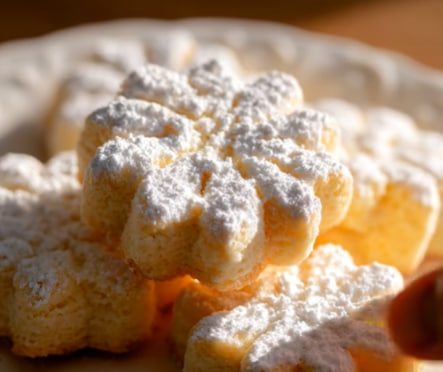
Lightly sweet, subtly fragrant, and dusted in powdered sugar, Canestrelli are a timeless treat—perfect alongside espresso, tea, or as a refined finish to any meal.
Why People Will Love Canestrelli Recipe
Melt-in-Your-Mouth Texture – The unique use of hard-boiled egg yolks creates an exceptionally tender, crumbly cookie that literally dissolves on the tongue.
Pure, Elegant Flavor – Subtle sweetness, rich butter, and fresh lemon zest deliver a refined taste that feels luxurious without being heavy.
Authentic Italian Tradition – This recipe stays true to classic Ligurian Canestrelli, offering a genuine Old-World baking experience at home.
Beautiful Simplicity – With a short, thoughtfully balanced ingredient list, each component shines without unnecessary complexity.
Perfect for Any Occasion – Equally suited for coffee breaks, afternoon tea, holiday platters, or elegant gifting.
Naturally Egg-Forward Without Eggy Taste – The yolks add richness and structure while remaining completely delicate and neutral in flavor.
Not Overly Sweet – Ideal for those who prefer sophisticated desserts that don’t overwhelm the palate.
Visually Charming – The classic flower shape and snowy powdered-sugar finish make these cookies instantly appealing and photo-worthy.
Make-Ahead Friendly – Canestrelli store beautifully, maintaining their texture and flavor for days.
Comforting Yet Refined – They strike the perfect balance between nostalgic comfort food and polished European pastry.
Key Ingredients
Hard-Boiled Egg Yolks – The heart of authentic canestrelli. Pressed through a fine sieve, the yolks create the cookies’ signature melt-in-your-mouth, shortbread-like texture without adding moisture or chewiness.
Unsalted Butter – Provides rich flavor and a delicate crumb. Softened butter blends seamlessly into the dry ingredients, ensuring a tender, sandy dough rather than a dense one.
Cornstarch – Lightens the structure and softens the bite. This ingredient is essential for achieving the fragile, almost powdery texture that sets canestrelli apart from traditional butter cookies.
All-Purpose Flour – Offers just enough structure to hold the cookies together while allowing the cornstarch and yolks to keep them delicate.
Powdered Sugar – Dissolves effortlessly into the dough, delivering gentle sweetness and contributing to the smooth, fine crumb.
Fresh Lemon Zest – Adds brightness and a subtle citrus aroma that lifts the richness of butter and yolks without overpowering the cookie.
Vanilla Extract – Enhances and rounds out the flavors, adding warmth and depth to this otherwise minimalist recipe.
Expert Tips
Sieve the Egg Yolks Thoroughly
Press the hard-boiled yolks through a very fine mesh while they are fully cooled. This eliminates any graininess and is key to achieving the ultra-smooth, melt-in-your-mouth texture canestrelli are known for.
Use Soft, Not Melting Butter
The butter should be pliable but not greasy. Over-softened butter will make the dough oily and difficult to shape, while butter that’s too cold won’t incorporate evenly.
Handle the Dough Gently
Knead just until the dough comes together. Overworking activates gluten and will rob the cookies of their delicate, crumbly structure.
Chill for Structure, Not Firmness
The short chilling time is meant to relax the dough and help it hold its shape—not to harden it. If the dough becomes too firm, let it sit at room temperature for a few minutes before rolling.
Roll Evenly for Uniform Baking
Aim for a consistent ¼-inch thickness. Thinner cookies will dry out; thicker ones won’t develop the classic tender interior.
Bake Pale, Never Golden
Canestrelli should remain very light in color. If the edges turn noticeably golden, they are overbaked and will lose their signature softness.
Cool Completely Before Dusting
Dusting powdered sugar while the cookies are warm will cause it to melt and disappear. Wait until fully cooled for a clean, snowy finish.
Store Properly for Best Texture
Keep canestrelli in an airtight container at room temperature. Avoid refrigeration, which can introduce moisture and dull their delicate crumb.
Flavor with Restraint
Avoid adding strong extracts or spices. Canestrelli shine because of their simplicity—subtle citrus and butter should always remain the focus.
Canestrelli
Ingredients
All-purpose flour – 2 cups (250g)
Cornstarch – ¾ cup (100g)
Powdered sugar – ½ cup (60g), plus extra for dusting
Unsalted butter – 1 cup (225g), softened
Hard-boiled egg yolks – 3, pressed through a fine sieve
Lemon zest – from 1 lemon
Vanilla extract – 1 teaspoon
Instructions
Prepare the Egg Yolks
Bring the eggs to a boil and cook until hard-boiled.
Once cooled, remove the yolks and press them through a fine mesh sieve until smooth.
Set aside.
Mix the Dry Ingredients
In a large bowl, whisk together the flour, cornstarch, and powdered sugar until well combined and free of lumps.
Incorporate the Butter
Add the softened butter to the dry mixture.
Using your hands or a pastry cutter, blend until the mixture becomes sandy and crumbly.
Add Yolks and Flavorings
Mix in the sifted egg yolks, lemon zest, and vanilla extract.
Gently knead just until the dough comes together into a soft, uniform ball—avoid overworking.
Chill the Dough
Wrap the dough tightly in plastic wrap and refrigerate for about 30 minutes.
This helps the cookies hold their shape while baking.
Shape and Bake the Cookies
Preheat your oven to 325°F (160°C).
Roll the chilled dough to about ¼-inch (6 mm) thickness. Cut into traditional flower-shaped cookies, adding a small hole in the center if desired.
Transfer the cookies to a parchment-lined baking sheet and bake for 10–12 minutes, or until the edges are just barely golden—do not brown.
Dust and Serve
Allow the cookies to cool completely on the tray.
Generously dust with powdered sugar before serving for the classic canestrelli finish.
Important Notes When Making Canestrelli
This Dough Is Intentionally Fragile
Canestrelli dough is meant to be soft, delicate, and slightly crumbly. It should not behave like typical cookie dough. Avoid adding extra liquid or flour unless absolutely necessary.
Hard-Boiled Yolks Are Essential
Raw yolks cannot replace hard-boiled ones. The cooked yolks create the unique sandy, shortbread-like texture that defines authentic canestrelli.
Do Not Skip the Cornstarch
Cornstarch is not optional—it lightens the flour and gives the cookies their signature melt-away quality. Reducing or replacing it will change the final texture.
Minimal Sweetness Is Intentional
Canestrelli are lightly sweet by design. Their elegance comes from balance, not sugariness. Extra powdered sugar is added only at the end for contrast and visual appeal.
Temperature Control Matters
If the dough becomes warm while shaping, it may lose definition. Briefly chill again before cutting shapes to maintain clean edges.
Egg Yolks Must Be Fully Dry
Any moisture in the yolks can make the dough greasy. Allow boiled yolks to cool completely before sieving.
Baking Time Is Short and Precise
Even one or two extra minutes can dry out the cookies. Watch closely and remove them while still pale.
These Cookies Firm as They Cool
Canestrelli are very soft straight from the oven. Their structure sets as they cool, so resist the urge to overbake.
Flavor Develops Over Time
The buttery, lemon-scented aroma deepens after a few hours. They are often even better the next day.
Best Enjoyed Simply
Canestrelli are not meant to be dipped, filled, or heavily flavored. Their beauty lies in restraint, tradition, and texture.
How to Enjoy Canestrelli After Baking
Let Them Cool Completely First
Once out of the oven, allow the canestrelli to cool fully on the baking tray. They are extremely delicate while warm and will firm up as they reach room temperature. This cooling stage is essential for achieving their classic crumbly texture.
Finish with a Generous Dusting of Powdered Sugar
Right before serving, sift powdered sugar over the cookies. This final touch adds gentle sweetness, enhances their visual elegance, and highlights their traditional Italian character.
Serve at Room Temperature
Canestrelli are best enjoyed at room temperature, where their buttery aroma and lemon notes are most pronounced. Avoid serving them chilled, as cold temperatures mute their flavor and texture.
Pair with Simple Beverages
These cookies shine alongside understated drinks:
- Espresso or strong black coffee
- Cappuccino or café latte
- Hot tea (especially chamomile, Earl Grey, or lemon tea)
- A glass of dessert wine such as Moscato or Vin Santo
Enjoy Their Texture Slowly
Take small bites and let the cookie melt in your mouth. The signature experience of canestrelli is their delicate, sandy crumb that dissolves rather than crunches.
Present Them Simply and Elegantly
Arrange the cookies on a clean plate, cake stand, or parchment-lined tray. Their flower shape and powdered sugar finish create a refined, bakery-style presentation without extra decoration.
Perfect for Light Moments
Canestrelli are ideal for:
- Afternoon coffee breaks
- Elegant tea service
- Holiday cookie platters
- Light desserts after a rich meal
Store and Revisit Thoughtfully
Keep leftovers in an airtight container at room temperature. They stay fresh for several days and often taste even better after resting, as the butter and lemon flavors continue to mellow and blend.
Share as a Thoughtful Treat
Their refined simplicity makes canestrelli perfect for gifting. Package them in a tin or box with parchment paper for a charming, traditional presentation.
Appreciate the Tradition
Enjoy canestrelli as they were intended—simple, delicate, and timeless. Their pleasure lies not in bold flavors, but in craftsmanship, texture, and balance.
Nutrition Information
(Approximate, per 1 Canestrello cookie)
Calories: 95 kcal | Total Fat: 6.2 g | Saturated Fat: 3.8 g | Monounsaturated Fat: 1.6 g | Polyunsaturated Fat: 0.5 g | Cholesterol: 35 mg | Sodium: 15–25 mg | Total Carbohydrates: 9.5 g | Dietary Fiber: 0.2 g | Sugars: 2.5 g | Protein: 1.2 g
Frequently Asked Questions
Why do canestrelli use hard-boiled egg yolks instead of raw eggs?
Hard-boiled yolks are essential for the signature texture of canestrelli. They create a fine, sandy crumb that makes the cookies melt in your mouth—something raw eggs cannot replicate.
My dough feels very crumbly. Is that normal?
Yes, absolutely. Canestrelli dough is intentionally delicate and slightly crumbly. It should hold together when gently pressed but should not feel elastic or sticky like typical cookie dough.
Can I replace cornstarch with more flour?
No. Cornstarch is critical to the recipe. It lightens the dough and contributes to the cookies’ tender, shortbread-like structure. Replacing it with flour will make the cookies denser and less authentic.
Why should canestrelli stay pale after baking?
Traditional canestrelli are meant to be light in color. Browning indicates overbaking, which can dry out the cookies and ruin their delicate texture.
Can I flavor canestrelli differently?
While lemon zest and vanilla are classic, subtle variations like orange zest or a hint of almond extract can be used. However, strong flavors should be avoided to preserve their traditional balance and simplicity.
How fine should the hard-boiled egg yolks be before adding them to the dough?
They should be pressed through a fine-mesh sieve until completely smooth and powdery. Any lumps can create uneven texture and affect how the dough binds.
Why does the dough need to chill before shaping?
Chilling firms the butter and relaxes the dough, making it easier to roll and cut clean shapes. It also helps the cookies hold their definition during baking.
What should I do if the dough cracks while rolling?
Light cracking is normal. Simply press the dough gently back together with your fingers. Avoid adding liquid, as moisture will compromise the texture.
How do I know when the cookies are done if they don’t brown?
The cookies are ready when the edges feel set and the bottoms lift easily from the parchment. They should remain pale with only the slightest hint of color at the base.
Can I re-roll the dough scraps without ruining the cookies?
Yes, but do so gently and only once if possible. Reworking the dough too much can warm the butter and make the cookies less tender. If the dough softens, chill briefly before re-rolling.