Victorian Stewed Potatoes
Victorian Stewed Potatoes are a humble yet elegant dish rooted in classic comfort cooking. Tender cubes of potato are gently simmered in milk and herbs, then folded into a silky butter sauce that feels both simple and indulgent.
With its creamy texture and understated seasoning, this dish reflects a time when careful technique and modest ingredients came together to create warmth, nourishment, and quiet sophistication at the table.
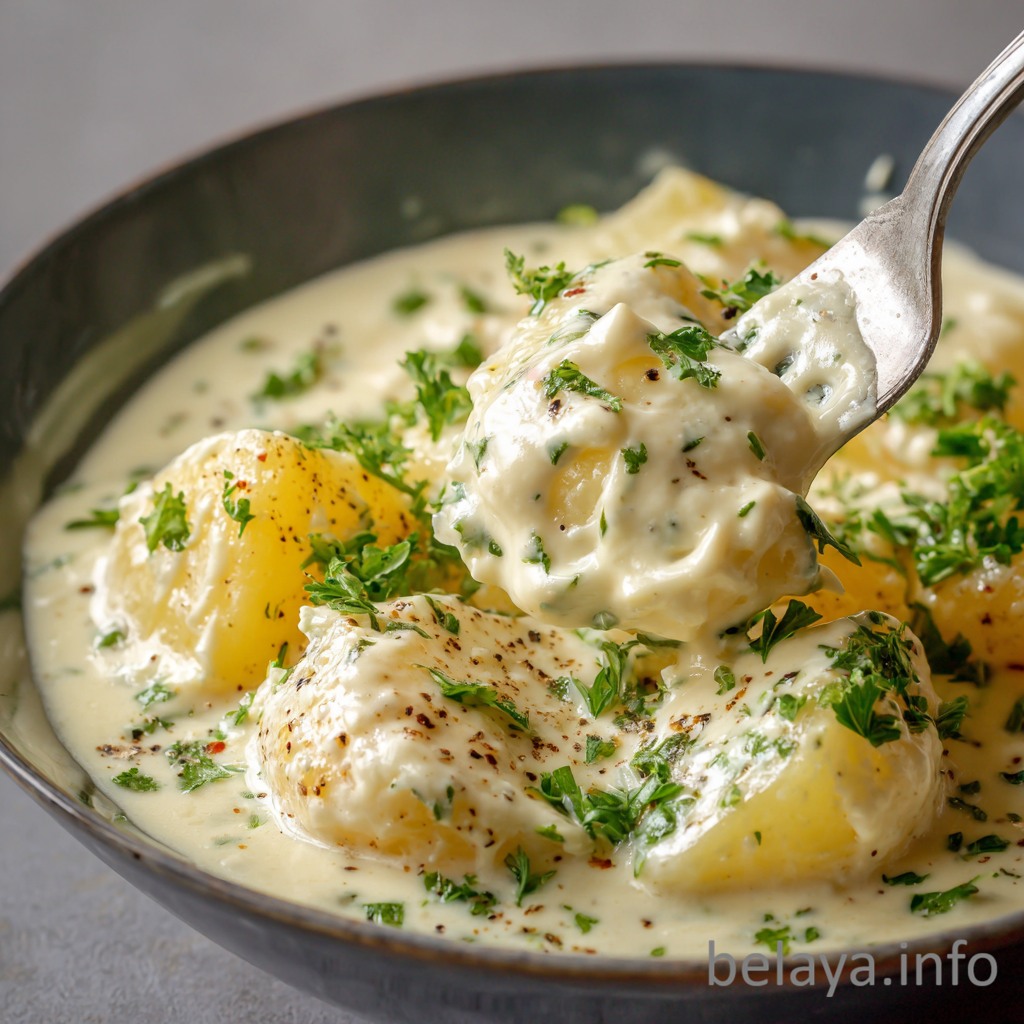
Why People Will Love This Victorian Stewed Potatoes Recipe:
Pure, old-fashioned comfort – Soft, creamy potatoes simmered gently in milk evoke the warmth and simplicity of traditional home cooking.
Simple ingredients, refined result – Everyday pantry staples are transformed into a dish that feels quietly elegant and satisfying.
Luxuriously creamy texture – The milk-based sauce and buttery roux create a smooth, velvety coating without heaviness.
Mild, soothing flavors – Subtle seasoning allows the natural sweetness of the potatoes to shine, making it universally appealing.
Perfect side dish versatility – Complements roasted meats, poultry, fish, or vegetarian mains beautifully.
Nostalgic and comforting – Feels like a dish passed down through generations, bringing a sense of history and tradition to the table.
Gentle and family-friendly – Soft textures and mild flavors make it ideal for all ages.
Elegant in its simplicity – No bold spices or complex steps—just careful technique and balance.
Comforting without being heavy – Rich enough to feel indulgent, yet light enough to enjoy regularly.
Key Ingredients:
Potatoes – The heart of the dish, chosen for their ability to soften into tender, comforting bites while absorbing the creamy sauce.
Whole milk – Gently simmers the potatoes and forms the base of the sauce, lending subtle richness and a smooth, comforting texture.
Unsalted butter – Adds warmth and depth, creating a silky foundation for the sauce without overpowering the delicate flavors.
All-purpose flour – Used to form a light roux that thickens the milk into a smooth, velvety coating.
Fresh parsley – Brings freshness and a hint of herbal brightness that balances the richness of the dish.
Kosher salt and black pepper – Simple seasonings that enhance the natural flavor of the potatoes without masking their character.
Expert Tips:
Choose the right potatoes – Starchy or all-purpose potatoes (such as russets or Yukon Golds) break down slightly and absorb the milk beautifully, creating a creamy result.
Cut potatoes evenly – Uniform cubes ensure even cooking and prevent some pieces from turning mushy while others remain firm.
Salt the cooking water well – Seasoning the potatoes early allows flavor to penetrate rather than just coating the surface later.
Simmer gently, never boil hard – A gentle simmer keeps the potatoes intact and prevents the milk from scorching.
Stir occasionally but carefully – Light stirring prevents sticking without breaking the tender potato pieces.
Cook the roux patiently – Whisk the butter and flour long enough to remove the raw flour taste but stop before browning to keep the sauce pale and delicate.
Add milk gradually – Slow whisking ensures a smooth, lump-free sauce with a silky texture.
Season at the end – Potatoes absorb salt differently, so final seasoning should be adjusted once everything is combined.
Let the dish rest briefly – Allowing it to sit for a few minutes helps the sauce settle and coat the potatoes evenly.
Serve warm, not piping hot – Slight cooling enhances the creamy mouthfeel and gentle flavors.
Victorian Stewed Potatoes
Ingredients
1 pound potatoes, peeled and cut into evenly sized cubes
2 cups whole milk, at room temperature, divided
2 tablespoons unsalted butter
1 tablespoon all-purpose flour
¼ cup fresh parsley, roughly chopped and divided
Kosher salt and freshly cracked black pepper, to taste
Instructions
Place the prepared potatoes in a large stockpot and cover with cold water. Add a generous pinch of salt.
Bring to a boil, then continue boiling until the potatoes are fork-tender. Drain well.
Return the potatoes to the stockpot and add 1 cup of the milk along with half of the chopped parsley.
Simmer gently for 5–9 minutes, stirring occasionally to prevent sticking. Transfer the stewed potatoes to a bowl and set aside.
Using the same pot, melt the butter over medium heat.
Whisk in the flour and cook for about 3 minutes, stirring constantly, to remove the raw flour taste.
Slowly whisk in the remaining milk and the remaining parsley. Continue whisking until the sauce thickens and becomes smooth.
Add the stewed potatoes back into the pot and gently stir to coat.
Season with salt and freshly cracked black pepper to taste.
Garnish with extra parsley and serve warm.
Important Notes When Making Victorian Stewed Potatoes:
This dish is intentionally subtle and restrained – It’s meant to highlight the natural flavor of potatoes rather than bold spices or strong seasonings.
Milk-based cooking requires attention – Gentle heat is essential to prevent scorching or curdling, especially during the stewing and sauce-making steps.
Texture is the defining feature – The goal is tender potatoes coated in a smooth, creamy sauce—not mashed and not watery.
Roux should stay pale – Browning the flour will change the flavor and color, moving the dish away from its traditional, delicate profile.
Potatoes continue to soften as they sit – Serve soon after cooking to preserve their structure and avoid an overly soft texture.
Seasoning should be understated – Salt and pepper should enhance, not dominate, keeping the dish true to its historical roots.
Fresh herbs matter more than quantity – Parsley adds freshness and balance, even in small amounts.
Not designed for freezing – Milk-based sauces can separate when frozen and reheated.
Best served warm and freshly made – Reheating can slightly alter texture, though gentle warming is possible.
A supporting dish, not the star – Victorian Stewed Potatoes shine most when paired with roasted meats, poultry, or simple vegetables.
How to Enjoy Victorian Stewed Potatoes After Cooking
Allow the dish to rest briefly
Let the potatoes sit off the heat for about 5 minutes. This allows the sauce to settle and coat the potatoes evenly.
Serve warm, not piping hot
Slightly cooler temperatures highlight the creamy texture and gentle flavors better than intense heat.
Stir gently before serving
A light stir ensures the sauce remains smooth and evenly distributed without breaking the tender potato pieces.
Garnish simply
A small sprinkle of fresh parsley or freshly cracked black pepper adds freshness without overpowering the dish.
Pair with traditional mains
Serve alongside roasted meats, braised poultry, grilled fish, or simple vegetable dishes for balance.
Use as a comforting side
This dish shines as a supporting element, adding richness and warmth to the overall meal.
Enjoy in a calm, unhurried setting
Its subtle flavors are best appreciated when eaten slowly and thoughtfully.
Reheat gently if needed
Warm leftovers over low heat, stirring occasionally, and add a splash of milk if the sauce has thickened.
Avoid overcrowding the plate
Giving the dish space allows its creamy texture and quiet elegance to stand out.
Best enjoyed the same day
The texture and flavor are at their finest shortly after cooking.
Nutrition Information:
For Victorian Stewed Potatoes
(Values are approximate and based on 1 serving, assuming the recipe serves about 6.)
Calories: 210–240 kcal | Total Fat: 9–11 g | Saturated Fat: 5–6 g | Monounsaturated Fat: 2.5–3.5 g | Polyunsaturated Fat: 0.5–0.8 g | Cholesterol: 25–35 mg | Sodium: 180–260 mg (depending on added salt) | Total Carbohydrates: 27–31 g | Dietary Fiber: 2.5–3.5 g | Sugars: 5–7 g | Protein: 5–6 g
Frequently Asked Questions:
What type of potatoes work best for this recipe?
Starchy or all-purpose potatoes such as russets or Yukon Golds are ideal. They soften nicely and absorb the creamy sauce without falling apart.
Can I use low-fat milk instead of whole milk?
Yes, but whole milk provides the richest texture. Lower-fat milk will produce a thinner sauce and a less luxurious mouthfeel.
Why is the sauce made separately with a roux?
The roux allows the milk to thicken smoothly, creating a silky coating for the potatoes rather than a watery stew.
Can this dish be made ahead of time?
It’s best served fresh, but it can be made a few hours ahead and gently reheated over low heat with a splash of milk if needed.
Is this recipe meant to be heavily seasoned?
No. Victorian Stewed Potatoes are intentionally mild, allowing the natural flavor of the potatoes and milk to shine.
Why should the potatoes be started in cold water instead of boiling water?
Starting in cold water allows the potatoes to cook evenly from the inside out, preventing the outside from becoming mushy before the center is tender.
How do I prevent the milk from scorching while stewing the potatoes?
Keep the heat low and stir occasionally. Gentle heat is key when cooking with milk to avoid burning or sticking.
How do I know when the roux is cooked properly?
The roux should be smooth and lightly bubbling with no raw flour smell, but still pale in color—this takes about 2–3 minutes.
Can I combine all the milk at once instead of dividing it?
Dividing the milk allows the potatoes to absorb flavor first, while the remaining milk forms a smoother, controlled sauce.
What’s the best way to fix a sauce that’s too thick?
Stir in a small splash of warm milk and mix gently until the sauce reaches the desired consistency.