Tomato Rice Soup Recipe
Tomato Rice Soup is the kind of simple, nourishing dish that feels like coming home—a warm bowl of comfort built from humble ingredients and slow, gentle cooking.
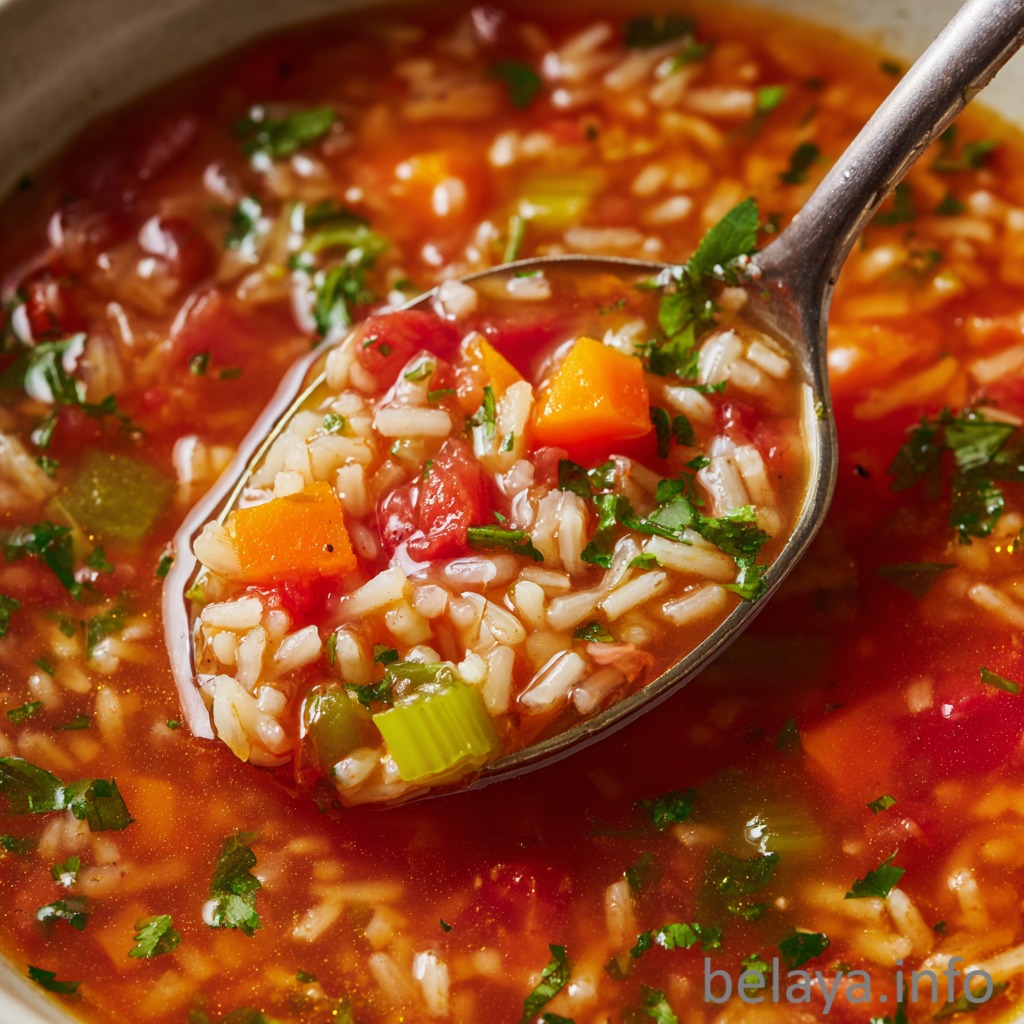
Fresh tomatoes simmer down into a rich, bright broth, softened vegetables add sweetness and depth, and tender grains of rice turn each spoonful into something soothing and familiar. This is a soup that warms from the inside out, offering balance, calm, and a touch of nostalgia in every bite.
Whether enjoyed on a chilly evening or as a comforting midday meal, it brings together the timeless flavors of home-cooked goodness in the most satisfying way.
Why People Will Love Tomato Rice Soup Recipe
A bowl of pure comfort — The softness of the rice, the warmth of the broth, and the sweetness of slow-cooked vegetables create a soothing, home-style soup that brings instant comfort.
Bright, natural flavor from fresh tomatoes — Using fresh tomatoes gives the soup a vibrant, clean acidity and a depth that canned versions can’t match, making every spoonful taste alive and wholesome.
Simple ingredients with soulful results — Everyday staples—rice, vegetables, and broth—transform into something deeply nourishing, reminding us that the most comforting foods are often the simplest.
Perfect balance of texture and warmth — Tender grains of rice suspended in a rich tomato broth offer a satisfying contrast that feels both hearty and light.
A soothing meal for any season — Whether on a cold evening or a gentle weekend lunch, this soup brings warmth, calm, and quiet satisfaction.
Customizable and family-friendly — Mild in flavor yet full of character, it appeals to all ages and can be easily adapted with herbs, cheese, or protein.
Key Ingredients:
Fresh Tomatoes — The soul of the soup, releasing their natural juices to create a bright, vibrant broth that tastes clean, comforting, and alive with garden-fresh flavor.
White Rice — Soft, tender grains that slowly absorb the tomato essence, giving the soup body and warmth while adding a gentle, soothing texture to every spoonful.
Aromatic Vegetables (Onion, Celery, Carrot) — This classic trio forms a quiet but powerful foundation, melting into the broth to build depth, sweetness, and a comforting sense of home-cooked simplicity.
Garlic — Small in quantity but big in presence, it adds warmth and fragrance, enriching the soup with a subtle savory note that ties all the flavors together.
Olive Oil — The base that carries the aromatics, lending a soft richness and a hint of fruitiness that defines Mediterranean-style comfort.
Fresh Basil — Stirred in at the very end, basil brings brightness and a breath of freshness, lifting the entire soup with its gentle, herbal perfume.
Expert Tips
Let the aromatics fully bloom before adding liquid
Take your time sautéing the garlic, onion, celery, and carrot until they soften and release their natural sweetness. This slow development of flavor is what gives the soup its depth and comforting warmth.
Use ripe, juicy tomatoes for the richest broth
The quality of the tomatoes determines the soul of this soup. Ripe tomatoes create a vibrant, naturally sweet base, while underripe ones can make the broth taste flat or overly acidic. If your tomatoes are pale, add a pinch of sugar to round out the flavor.
Simmer gently, never boil aggressively
A gentle simmer allows the rice to soften evenly and absorb the tomato essence without turning mushy. Slow cooking helps the vegetables melt into the broth, creating a unified, velvety texture.
Add the rice at the right moment
Adding rice too early can lead to overcooked grains and a thick, porridge-like consistency. Add it once the broth is boiling, then immediately lower the heat to allow it to cook slowly and tenderly.
Season in layers and taste often
Tomatoes vary in acidity, and rice absorbs salt as it cooks. Taste the soup once the rice is tender, then adjust with salt, pepper, and even a touch of basil or lemon to balance all the flavors.
Finish with fresh herbs to brighten the bowl
Stirring in basil at the very end preserves its color, aroma, and freshness. Adding it too early dulls its vibrancy. This final touch elevates the entire soup and gives it a clean, lively finish.
Use broth strategically
Chicken broth adds richness, but if you want a lighter, cleaner flavor, replace part of it with water. If you prefer a deeper, more savory profile, choose a high-quality broth and allow it to simmer long enough to meld with the tomato base.
Tomato Rice Soup Recipe
Ingredients:
2 tablespoons olive oil
2 cloves garlic, minced
1 small onion, finely chopped
2 stalks celery, chopped
1 carrot, finely chopped
3 cups chicken broth
2 pounds fresh tomatoes, diced
1/2 cup uncooked white rice
Salt and pepper, to taste
2 tablespoons chopped fresh basil
Instructions:
Prepare the Vegetables:
Dice the tomatoes, finely chop the onion, celery, and carrot, and mince the garlic.
Sauté the Aromatics:
Heat the olive oil in a large pot over medium heat. Add the minced garlic and chopped onion, cooking for 2–3 minutes until the onion is translucent and the garlic is fragrant.
Add the Vegetables:
Stir in the celery and carrot. Continue sautéing for about 5 minutes, or until the vegetables begin to soften.
Cook the Soup:
Pour in the chicken broth and add the diced tomatoes. Bring the mixture to a boil.
Add the uncooked rice, then reduce the heat to low and let the soup simmer for 20–25 minutes, or until the rice is cooked through and the vegetables are tender.
Season and Finish:
Season with salt and pepper to taste. Stir in the chopped basil just before serving.
Serve:
Ladle the soup into bowls and enjoy it warm. Garnish with extra basil or a sprinkle of Parmesan cheese if desired.
Important Notes When Making Tomato Rice Soup
The flavor hinges on the quality of your tomatoes
Fresh tomatoes vary widely in sweetness and acidity. Ripe, juicy tomatoes create a naturally rich, balanced broth, while underripe ones may taste sharp or thin. If your tomatoes seem pale or overly acidic, balance the soup with a pinch of sugar or a little extra basil.
Rice continues to cook even after the heat is off
Rice absorbs liquid long after simmering stops. If the soup sits for a while, it will thicken noticeably. Keep extra broth or hot water on hand to adjust consistency when reheating or serving leftovers.
A gentle simmer preserves texture
Boiling too hard can break down the tomatoes too quickly and turn the rice mushy. A low, steady simmer allows the vegetables to soften naturally and the flavors to meld without losing structure.
Season only after the rice is fully cooked
Rice absorbs salt during cooking, so seasoning too early can lead to unpredictably salty or bland results. Taste and adjust once the rice is tender and the broth has settled into its full flavor.
Vegetable cuts affect the final eating experience
Finely chopped onion and carrot melt into the broth, giving the soup depth, while larger celery pieces hold their bite and add texture. Consistency in chopping ensures a harmonious spoonful every time.
Fresh basil is sensitive to heat
Adding basil too early can dull its brightness and turn it bitter. Stirring it in at the very end protects its fragrance and adds a fresh, herbaceous lift that completes the dish.
How to Enjoy This Tomato Rice Soup After Cooking
Let the soup rest briefly before serving
After turning off the heat, allow the soup to sit for 5–10 minutes. This short pause lets the flavors settle and the rice fully absorb the broth, deepening the taste and creating a more harmonious bowl.
Serve it warm, not piping hot
When slightly cooled, the natural sweetness of the tomatoes, the fragrance of basil, and the gentle richness of the broth become more pronounced. Warm—not boiling hot—is the ideal temperature to appreciate the soup’s depth.
Stir before ladling
The rice tends to drift to the bottom as it rests. A gentle stir ensures each bowl has the perfect balance of broth, vegetables, and tender grains, giving every spoonful a consistent, comforting texture.
Add finishing touches for brightness
A sprinkle of fresh basil, a drizzle of olive oil, or a pinch of Parmesan can elevate the bowl instantly. These toppings add freshness, richness, and aroma that enhance the soup without overshadowing its simplicity.
Pair with comforting sides
This soup shines alongside warm crusty bread, a simple green salad, or buttery garlic toast. These sides complement the soup’s warmth while adding textural contrast to the meal.
Savor the textures slowly
Notice how the tender rice, softened vegetables, and silky tomato broth come together. Eating slowly allows you to fully appreciate the comfort and calm that this humble, nourishing soup brings.
Enjoy it again the next day
Tomato rice soup becomes even more flavorful as it rests in the refrigerator—the rice absorbs more of the broth, and the aromatics bloom. Add a splash of broth or water when reheating to return it to its perfect consistency.
Nutrition Information
For one serving of Tomato Rice Soup (assuming the recipe serves 6 portions).
Calories: 142 kcal | Total Fat: 4.6 g | Saturated Fat: 0.7 g | Monounsaturated Fat: 3.0 g | Polyunsaturated Fat: 0.6 g | Cholesterol: 0 mg | Sodium: 310–420 mg (depending on broth and added salt) | Total Carbohydrates: 22.4 g | Dietary Fiber: 2.8 g | Sugars: 6.3 g | Protein: 3.5 g
Frequently Asked Questions
Can I use canned tomatoes instead of fresh tomatoes?
Yes. Canned diced tomatoes or crushed tomatoes work well when fresh tomatoes aren’t available. However, canned tomatoes tend to be more acidic, so you may need to adjust seasoning or add a pinch of sugar to balance the flavor.
Why did my rice absorb too much broth and make the soup very thick?
Rice naturally continues to absorb liquid as it sits. If your soup becomes too thick, simply add more broth or water until you reach your desired consistency. When reheating leftovers, always add extra liquid.
Can I use brown rice instead of white rice?
Yes, but brown rice takes longer to cook and may require an additional 20–25 minutes of simmering. Add more broth if needed, and check for tenderness before seasoning and finishing the soup.
How can I make this soup vegetarian or vegan?
Very easily—use vegetable broth instead of chicken broth. The rest of the ingredients are naturally vegan. You can also enhance the flavor with a splash of olive oil or a sprinkle of nutritional yeast.
Why does the soup taste too acidic, and how do I fix it?
Acidity depends on your tomatoes. If the soup tastes too sharp, balance it with:
- a pinch of sugar,
- a splash of cream,
- or extra fresh basil.
These additions soften the acidity and round out the flavor beautifully.
Should I cook the rice separately or in the soup?
Cooking the rice directly in the soup is ideal because it absorbs the tomato broth and becomes more flavorful. However, if you prefer a thinner broth or plan to store leftovers for several days, cooking the rice separately prevents over-thickening.
How do I avoid overcooking the rice and turning the soup mushy?
Add the rice only after the broth and tomatoes have come to a boil, then immediately reduce the heat to a gentle simmer. Use a timer and start checking for doneness around 18–20 minutes. Once the rice is tender, remove the soup from heat.
Can I sauté the carrots and celery longer for deeper flavor?
Yes. Allowing the carrot and celery to cook low and slow for a few extra minutes—until they begin to caramelize—adds a richer, sweeter base that enhances the entire soup’s depth and complexity.
What’s the best way to prevent garlic from burning during sautéing?
Add the garlic after the onions have begun to soften, not at the very start. Garlic cooks quickly and can turn bitter if it browns. Stir frequently and keep the heat on medium to preserve its sweet, aromatic flavor.
How do I ensure the soup has a smooth, well-rounded flavor?
Tomatoes vary in acidity. Taste the soup once the rice is cooked, then adjust the flavor with salt, pepper, fresh basil, and (if needed) a pinch of sugar. Seasoning at the end ensures the broth is balanced, warm, and deeply satisfying.