Texas Cream Cheese Kolaches
Texas Cream Cheese Kolaches are a beautiful blend of old-world tradition and Southern comfort, where soft, pillowy dough meets a rich, creamy filling in the most irresistible way.
Rooted in Czech heritage and embraced deeply in Texas culture, these pastries carry a sense of warmth, history, and home in every bite.
Each kolache offers a delicate balance—light, slightly sweet bread wrapped around a smooth, tangy cream cheese center, finished with a buttery crumb topping for added texture. They are more than just a treat; they’re a slow, thoughtful bake that rewards patience with flavor, softness, and a comforting, bakery-style experience right from your own kitchen.

Why People Will Love This Recipe
Soft, pillowy dough that melts in your mouth – The enriched dough is light, airy, and slightly sweet, creating a delicate texture that feels comforting and indulgent with every bite.
Rich and creamy center – The smooth cream cheese filling adds a tangy sweetness that perfectly contrasts the soft bread, making each kolache deeply satisfying and well-balanced.
Buttery crumb topping for added texture – The lightly crisp, sweet topping introduces a subtle crunch that elevates the overall experience and adds another layer of flavor.
A perfect balance of sweet and rich – This recipe is not overly sugary. Instead, it delivers a refined sweetness that allows the dairy richness and buttery notes to shine through.
Authentic bakery-style experience at home – These kolaches capture the essence of traditional Texas bakery treats, allowing you to recreate that fresh, homemade feel in your own kitchen.
Deep cultural and nostalgic appeal – Rooted in Czech tradition and embraced in Texas, this recipe carries a sense of heritage and comfort that resonates with many people.
Versatile and customizable – While cream cheese is classic, you can easily adapt the filling with fruit, poppy seed, or other variations to suit your preferences.
Perfect for any time of day – Whether enjoyed as breakfast, a snack, or dessert, kolaches fit effortlessly into any moment, making them both practical and special.
Rewarding baking process – From kneading the dough to watching it rise and bake, the process itself is calming and fulfilling, especially for those who enjoy hands-on baking.
Ideal for sharing and gatherings – These pastries are made in batches and are perfect for serving family or guests, creating a warm, inviting atmosphere around the table.

Key Ingredients:
Active dry yeast – The foundation of the dough’s light, airy structure. Properly activated yeast creates that signature soft, pillowy texture that defines a perfect kolache.
Whole milk – Adds richness and tenderness to the dough, helping create a soft crumb while also enhancing the overall flavor with a subtle creaminess.
Unsalted butter – Brings a deep, buttery richness to the dough and contributes to its soft, melt-in-your-mouth texture. It also adds a delicate, comforting aroma during baking.
Egg yolk – Enriches the dough with fat and color, giving it a slightly golden hue and a more tender, luxurious texture. It also appears in the filling for added smoothness.
All-purpose flour – Provides the structure of the dough. When kneaded properly, it develops gluten that allows the dough to rise beautifully while still staying soft and delicate.
Cream cheese – The heart of the filling, offering a smooth, tangy richness that balances the sweetness of the dough and creates a classic kolache flavor.
Granulated sugar – Used in both the dough and filling, it adds gentle sweetness while also feeding the yeast to support proper fermentation and rise.
Vanilla extract – Enhances the flavor of the cream cheese filling with warm, aromatic notes that make the pastry feel more indulgent and well-rounded.
Cinnamon (in the topping) – Adds a subtle warmth and depth, giving the crumb topping a cozy, bakery-style flavor that complements the creamy center.
Crumb topping (flour, sugar, butter) – Creates a lightly crisp, sweet layer on top, adding texture contrast to the soft dough and creamy filling, making each bite more dynamic.

Expert Tips:
Activate the yeast properly – Make sure the water is warm (about 100–110°F), not hot. If the yeast doesn’t foam within 5 minutes, start over. This step determines whether your dough will rise properly or turn dense.
Don’t rush the kneading process – Knead until the dough is smooth and elastic, not just combined. Proper gluten development is what gives kolaches their soft, stretchy, bakery-quality texture.
Let the dough rise in a truly warm environment – A slightly warm, draft-free space (like inside an oven with the light on) helps the dough double consistently. Slow, steady rising improves both texture and flavor.
Handle sticky dough with care, not excess flour – The dough will be slightly sticky—that’s normal. Avoid adding too much flour while kneading, as it can make the final texture dry instead of soft and tender.
Shape evenly for consistent baking – Divide the dough into equal portions so all kolaches bake at the same rate. Uneven sizes can lead to some being overbaked while others remain underdone.
Create deep, stable wells for the filling – Press firmly into the center of each dough ball so the indentation holds its shape during baking. Shallow wells can cause the filling to spill out.
Use room temperature filling ingredients – Softened cream cheese blends more smoothly, creating a silky filling without lumps and ensuring even baking.
Balance the crumb topping texture – When mixing the topping, aim for coarse crumbs—not too fine, not too wet. This ensures a light crunch rather than a dense or greasy topping.
Allow enough final rise before baking – The last proof (1–2 hours) is crucial. Fully risen dough will bake up light and fluffy, while under-proofed dough will feel dense and heavy.
Bake until just golden, not overdone – Watch closely toward the end. Overbaking can dry out the dough. The ideal kolache is lightly golden on top with a soft, tender interior.
Texas Cream Cheese Kolaches
Ingredients:
For the Dough:
1/4 cup warm water (about 100–110°F)
1 packet (2 1/4 teaspoons) active dry yeast
1/2 cup granulated sugar
3/4 cup whole milk, room temperature
1/4 cup unsalted butter, melted (plus extra for brushing)
1 teaspoon salt
1 large egg yolk
3 1/2 cups all-purpose flour
For the Cream Cheese Filling:
8 oz cream cheese, softened to room temperature
1/4 cup granulated sugar
1 large egg yolk
1 teaspoon pure vanilla extract
For the Crumb Topping:
1/4 cup all-purpose flour
1/2 cup granulated sugar
1/4 teaspoon ground cinnamon
3 tablespoons unsalted butter, softened or slightly chilled
Instructions
In a small bowl, combine the warm water, yeast, and a pinch of sugar. Stir gently and let it sit for about 5 minutes until the mixture becomes foamy. If it doesn’t foam, the yeast may no longer be active.
In a large bowl, whisk together the remaining sugar, milk, melted butter, and egg yolk until smooth. Add the yeast mixture and mix until fully incorporated.
Gradually add the flour, one cup at a time, mixing well after each addition. Continue until a soft, sticky dough forms.
Transfer the dough onto a generously floured surface. Knead for about 10 minutes until the dough becomes smooth and elastic, even if it remains slightly sticky.
Lightly grease a clean bowl, place the dough inside, cover it, and let it rise in a warm place for about 1 hour, or until doubled in size.
Once risen, gently press the dough down to release the air. Shape it into a log and divide it into 12 equal portions. Roll each portion into a ball and arrange them in a greased 9×13-inch baking dish. Brush the tops lightly with melted butter, cover, and let them rise again for 30 minutes.
While the dough is rising, prepare the filling by beating together the cream cheese, sugar, egg yolk, and vanilla until smooth and creamy.
After the second rise, create an indentation in the center of each dough ball by pressing down with a floured measuring cup or your fingers. Spoon about 1 tablespoon of filling into each center, then brush the exposed dough edges with melted butter.
To make the topping, mix together the flour, sugar, and cinnamon. Add the butter and work it in until the mixture becomes crumbly. Sprinkle a small amount over each kolache.
Cover the pan again and allow the kolaches to rise for another 1 to 2 hours, until they look puffy.
Preheat the oven to 350°F (175°C). Bake the kolaches for about 30 minutes, or until they turn golden brown on top.
Remove from the oven and let them cool for about 1 hour before serving.
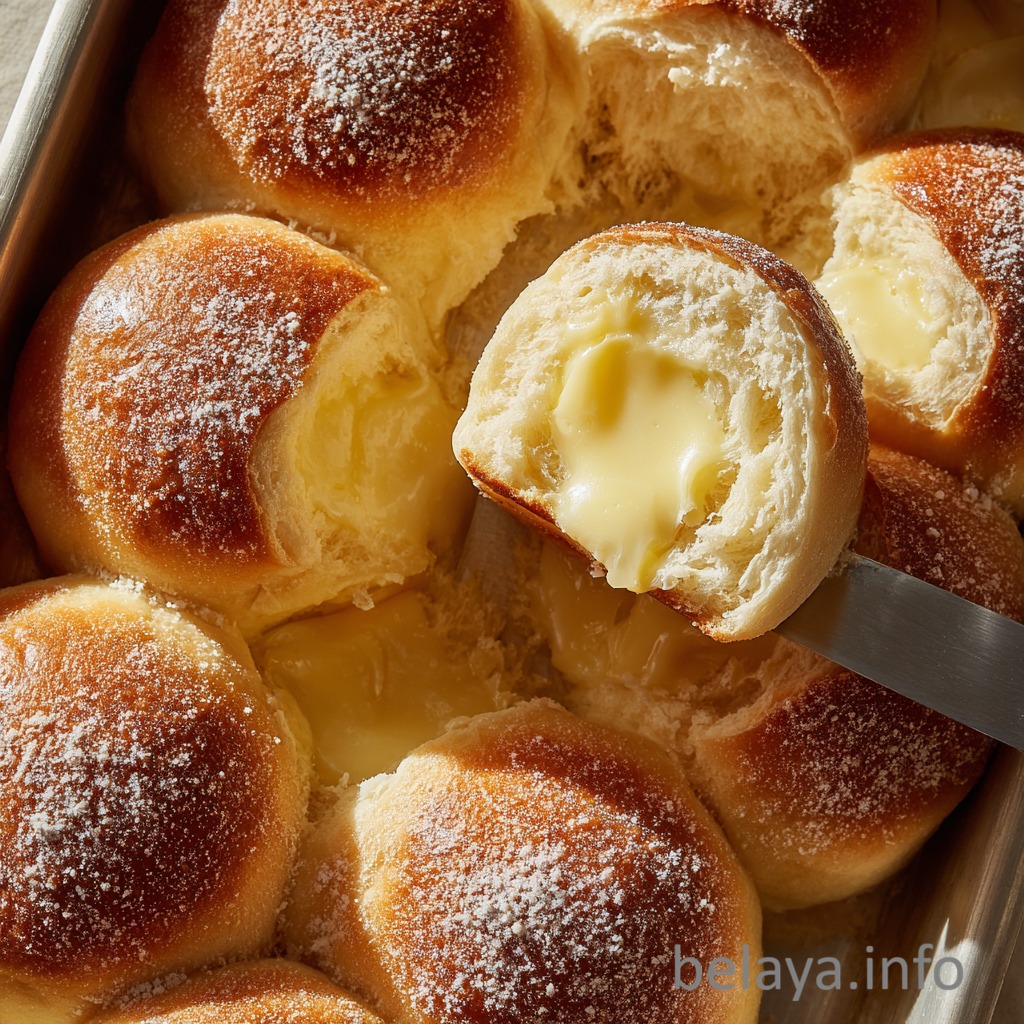
Important Notes When Making Texas Cream Cheese Kolaches
This is an enriched dough, not a quick bread – The presence of butter, milk, and egg yolk makes the dough softer and richer, but also more delicate. It requires proper kneading and rising time to achieve the signature light, fluffy texture.
Time is a critical ingredient – Multiple rising stages are essential for both flavor and structure. Rushing the process will result in dense, less flavorful kolaches that lack that bakery-quality softness.
Dough texture should remain slightly soft and tacky – Adding too much flour during kneading or shaping can make the final pastry dry. A slightly sticky dough leads to a much more tender result after baking.
Temperature control affects everything – Yeast activity, dough rising, and baking all depend on proper temperature. Too hot can kill yeast; too cold can slow fermentation and affect texture.
The filling must be well-balanced – Cream cheese provides tanginess that offsets the sweetness of the dough and topping. If the filling is too sweet or too thick, it can overpower the pastry or affect baking consistency.
Proper shaping prevents filling overflow – Creating a deep, defined well in the center ensures the filling stays in place during baking and gives the kolache its classic appearance.
Final proof determines softness – The last rise is especially important. Under-proofed dough will feel tight and dense, while properly proofed dough will bake up airy and tender.
Baking time should be closely monitored – Kolaches should be lightly golden, not dark brown. Overbaking can dry out both the dough and the filling, reducing their soft, creamy contrast.
Cooling time improves structure – Letting kolaches cool before serving allows the filling to set slightly and the crumb to stabilize, making them easier to handle and more enjoyable to eat.
Best enjoyed fresh but still versatile – These pastries are at their peak on the day they are baked, but they can be gently reheated to restore softness without losing their comforting texture.
How to Enjoy Texas Cream Cheese Kolaches
Allow them to cool slightly before serving – Let the kolaches rest for about 20–30 minutes after baking. This helps the cream cheese filling set gently and allows the dough to finish developing its soft, tender structure.
Enjoy while still slightly warm – Kolaches are at their best when they’re just warm. The dough is soft and pillowy, the filling is creamy, and the topping has a delicate texture that melts into each bite.
Pair with a warm beverage – Serve with coffee, tea, or milk. The subtle sweetness and richness of the pastry pair beautifully with a warm drink, enhancing the overall comfort experience.
Balance each bite intentionally – Take a bite that includes dough, filling, and crumb topping together. This combination highlights the contrast between soft, creamy, and slightly crisp textures.
Add a light finishing touch if desired – A gentle dusting of powdered sugar or a drizzle of honey can enhance the sweetness without overpowering the natural flavors.
Serve as part of a relaxed breakfast or brunch – Arrange kolaches on a platter and serve family-style. They fit perfectly into a cozy morning setting or a casual gathering.
Reheat gently for later enjoyment – If not eaten fresh, warm them briefly in the microwave (10–15 seconds) or oven at low heat to restore their softness without drying them out.
Avoid overheating the filling – When reheating, be careful not to overheat, as the cream cheese filling can become too soft or lose its smooth texture.
Store properly to maintain freshness – Keep in an airtight container at room temperature for short-term storage or refrigerate if keeping longer. Bring to room temperature or warm slightly before serving again.
Savor slowly for the full experience – This is a pastry meant to be enjoyed, not rushed. Take time to appreciate the soft dough, rich filling, and comforting aroma that make kolaches so special.
Nutrition Information:
Yields: 12 kolaches
This recipe makes about 12 individual pastries, perfect for serving a small group or enjoying over a couple of days as a breakfast or sweet snack.
Calories: 280 kcal | Total Fat: 10 g | Saturated Fat: 6 g | Monounsaturated Fat: 3 g | Polyunsaturated Fat: 0.5 g | Cholesterol: 55 mg | Sodium: 180–220 mg (depending on added salt and butter) | Total Carbohydrates: 40 g | Dietary Fiber: 1 g | Sugars: 16 g | Protein: 6 g
Frequently Asked Questions:
What makes Texas kolaches different from traditional Czech kolaches?
Traditional Czech kolaches are typically simpler and often filled with fruit, poppy seed, or farmer’s cheese. The Texas version has evolved to include richer dough, cream cheese fillings, and even savory variations, making them more indulgent and diverse.
Can I prepare the dough ahead of time?
Yes. You can let the dough complete its first rise, then refrigerate it overnight. The next day, bring it back to room temperature before shaping and continuing with the recipe. This can even enhance the flavor slightly.
Why is my dough not rising properly?
This is usually due to inactive yeast or incorrect temperature. If the water is too hot, it can kill the yeast; if too cold, it won’t activate. Always check for a foamy yeast mixture before proceeding.
Can I use different fillings besides cream cheese?
Absolutely. Popular alternatives include fruit preserves, poppy seed filling, sweetened farmer’s cheese, or even savory fillings like sausage. The dough is versatile and works well with many variations.
How should I store kolaches to keep them fresh?
Store them in an airtight container at room temperature for up to 2 days, or refrigerate for longer storage. For the best texture, warm them slightly before serving to restore their softness.
How do I know if my dough has been kneaded enough?
The dough should feel smooth, elastic, and slightly tacky but not overly sticky. A good test is the “windowpane test”—stretch a small piece of dough; if it forms a thin sheet without tearing, it’s ready.
What’s the best way to ensure the dough rises properly?
Place the dough in a warm, draft-free environment (around 75–85°F). If your kitchen is cool, you can let it rise inside an oven with just the light on. Proper warmth helps the dough double evenly.
How can I prevent the filling from leaking out أثناء baking?
Make a deep, well-defined indentation in each dough ball and avoid overfilling. Also, ensure the dough has completed its second rise so it holds its shape better in the oven.
Why are my kolaches dense instead of fluffy?
This usually happens if the dough is under-proofed, over-floured, or not kneaded enough. Give the dough enough time to rise fully and avoid adding excess flour during kneading.
How do I get a perfectly golden top without drying the pastry?
Bake at the correct temperature and watch closely near the end. You can brush the dough lightly with melted butter before baking to enhance color and softness without overbaking.