Stuffed Rigatoni Pie (Paccherri)
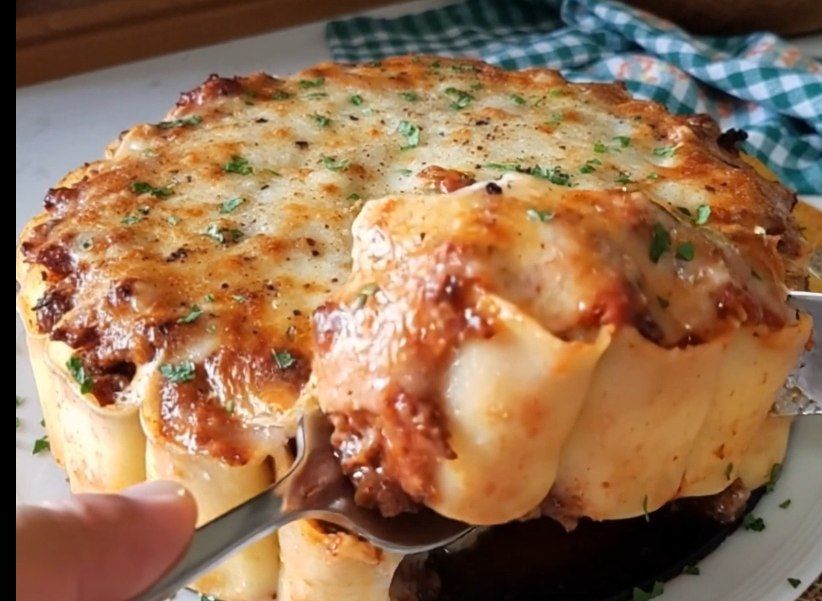
Stuffed Rigatoni Pie (Paccheri) is a show-stopping Italian-inspired comfort dish that turns pasta into something architectural, indulgent, and unforgettable.
Each tube of pasta is carefully filled with creamy ricotta and pesto, then nestled tightly together in a rich, slow-simmered meat sauce and finished with a blanket of melted cheese that bakes into a golden, bubbling crown.
What makes this recipe truly special is the harmony of textures and flavors—tender pasta shells, velvety cheese filling, deeply savory bolognese, and a perfectly caramelized top layer. It’s both rustic and elegant, offering the warmth of a classic baked pasta with the visual drama of a pie. Every slice reveals beautiful layers, making it a centerpiece dish that feels as impressive as it tastes.
Why People Will Love This Recipe
A stunning, sliceable pasta centerpiece – this dish transforms everyday pasta into a beautiful “pie” that can be cut into clean wedges, making it perfect for gatherings and special occasions
Deep, slow-simmered bolognese flavor – the rich meat sauce, enhanced with wine, herbs, and tomatoes, delivers layers of savory depth that feel comforting and restaurant-quality
Creamy, herb-infused ricotta filling – the ricotta, pesto, egg, and Parmesan mixture creates a soft, luxurious interior that contrasts perfectly with the hearty meat sauce
Perfect balance of textures – tender pasta tubes, creamy filling, meaty sauce, and a golden, bubbling cheese topping create a satisfying contrast in every bite
Melty, flavorful cheese blend – mozzarella adds stretch, while fontina or gouda contributes richness and depth, forming a beautifully browned, savory crust on top
A comforting yet elevated baked pasta – it has the cozy familiarity of lasagna or baked ziti, but with a more refined, visually impressive presentation
Great for make-ahead and entertaining – the pie can be assembled in advance and baked when needed, making it ideal for hosting and meal planning
Family-friendly and crowd-pleasing – the combination of pasta, cheese, and savory sauce appeals to all ages and is guaranteed to satisfy
Customizable to taste – you can adjust the filling, swap cheeses, or change the meat blend while keeping the core structure and flavor intact
Each bite is layered and complete – every forkful delivers pasta, creamy cheese, rich sauce, and melted topping, creating a balanced and deeply satisfying experience
Key Ingredients:
Rigatoni or Paccheri Pasta – The structural foundation of the dish. These large tubular pastas are perfect for stuffing and standing upright, allowing each piece to hold creamy filling and rich sauce, creating that beautiful sliceable “pie” effect.
Ground Meat & Italian Sausage – The heart of the bolognese. Ground meat provides body and richness, while Italian sausage adds seasoning, fat, and depth, giving the sauce a savory, well-rounded flavor.
Onion, Garlic & Chili Flakes – The aromatic base. Slowly cooked onion and garlic create sweetness and warmth, while chili flakes add a subtle background heat that enhances the sauce without overpowering it.
Red Wine – Adds complexity and depth, deglazing the pan and bringing a slight acidity that balances the richness of the meat and tomatoes.
Crushed Tomatoes & Tomato Paste (Kunserva) – These create a thick, robust sauce. Crushed tomatoes provide body and texture, while tomato paste intensifies color and deepens the overall flavor.
Italian Herbs & Bay Leaf – Infuse the sauce with classic Mediterranean aroma, tying together the meat, tomato, and wine into a cohesive, comforting profile.
Ricotta Cheese – The creamy core of the filling. It brings a soft, mild, and slightly sweet richness that contrasts beautifully with the savory sauce.
Egg – Binds the ricotta filling, helping it set slightly during baking so each slice holds its shape.
Basil Pesto – Adds a fresh, herbaceous note with hints of garlic and olive oil, lifting the richness of the ricotta and meat sauce.
Parmesan Cheese – Contributes salty, nutty umami both in the filling and as a flavor enhancer throughout the dish.
Mozzarella & Fontina (or Gouda) – The melting cheeses. Mozzarella gives stretch and softness, while fontina or gouda adds depth and a creamy, slightly nutty finish that browns beautifully on top.
Salt & Black Pepper – Essential for balancing and highlighting all the layers of flavor, ensuring the dish tastes rich but not heavy.
Expert Tips:
Undercook the pasta intentionally
Boil the rigatoni/paccheri 5 minutes shy of al dente so it stays firm when baked and holds its upright shape without collapsing.
Dry and separate the pasta after boiling
Drain and spread the tubes on a tray with a drizzle of oil so they don’t stick together and are easy to fill.
Simmer the sauce until thick and rich
Cook the bolognese low and slow (about 1 hour) until it reduces and thickens. A thick sauce keeps the pie structured and prevents sogginess.
Season the ricotta filling boldly
Ricotta is mild—taste the mixture and adjust salt, pepper, and Parmesan so the filling is flavorful on its own.
Use a piping bag for neat filling
Fill the pasta about ¾ full, not completely packed. This allows the filling to expand slightly during baking without bursting.
Pack the pasta tightly and upright
Arrange the tubes snugly next to each other in the springform pan so they support each other and hold their shape when sliced.
Layer sauce strategically
Add sauce on the base and spoon some over the top, but avoid drowning the pasta—too much liquid can weaken the structure of the pie.
Choose the right cheese blend
Use mozzarella for melt and stretch, and fontina or gouda for flavor and browning. This creates a balanced, golden, bubbly topping.
Cover, then uncover for the perfect finish
Bake covered at first to heat through and prevent drying, then uncover for the final stage so the top becomes golden and lightly crisp.
Rest the pie before slicing
Let it sit for at least 15 minutes after baking. This allows the cheese and filling to set, making clean slices possible.
Run a knife around the edge before releasing
This prevents sticking and keeps the edges neat when removing the springform ring.
Use foil wrap under the pan to prevent leaks
Since the pan is filled with sauce, wrapping the outside with foil helps avoid any drips or mess in the oven.
Adjust consistency if reheating
When reheating leftovers, add a spoonful of extra sauce or a splash of broth to keep the pasta moist.
Make it ahead for convenience
Assemble the pie up to 1 day in advance, refrigerate, and bake when needed—this actually helps flavors meld even more.
Finish with fresh herbs before serving
A sprinkle of fresh basil or parsley right before serving adds color, aroma, and freshness that balances the richness.
Serve with simple sides for balance
Pair with a light green salad or roasted vegetables to contrast the richness of the dish and complete the meal.
Stuffed Rigatoni Pie (Paccherri)
Ingredients
400g Ground Meat
200g Italian Sausage, casing removed and crumbled (see note)
1 Small Onion, finely chopped
3 Cloves Garlic, minced
1/4 Tsp Chilli Pepper Flakes
1/4 Cup Red Wine
800g Crushed Tomatoes
3 Tbls Tomato Paste (Kunserva)
2 Tbls Dried Italian Herbs
1 Bay Leaf
Salt/pepper
100g Shredded Mozzarella
100g Shredded Fontina or Gouda
Pasta Filling
450g Rigatoni Paccheri
500g Ricotta (see note)
1 Egg
3 Tbls Basil Pesto
1/4 Cup Parmesan Cheese
Salt/pepper
Instructions:
Generously butter grease a 9 inch springform pan. Wrap the outside in foil to avoid leakage.
In a skillet, add the ground beef, sausage, onions, garlic and chilli flakes. Brown the meat for about 5 minutes. Once the meat is cooked and onions softened, add the wine and cook until wine has reduced. Now add the crushed tomatoes, tomato paste, Italian seasoning, bay leaf, salt and pepper. Stir and simmer on low about 1 hour or until sauce has thickened.
Cook the pasta but not completely, 5 minutes before al dente. Drain and spread out to prevent them from sticking together.
In a large bowl, combine the ricotta, egg, pesto, parmesan cheese, salt/pepper.
In a separate bowl, mix together the mozzarella and fontina cheese.
Assembly
Scoop up 1 and half cups of the bolognese sauce on the bottom of your springform pan to cover the base.
Put the ricotta filling in a piping bag. Cut a small hole in the corner and fill the the pasta 3/4 way full.
Place them upright fitting them tight next to each other in the springform pan.
Spoon pasta sauce into or on top of the filled paccheri.
Spread the shredded cheeses on top. Spray a piece of tin foil with baking spray and just place it over the pie, sprayed side down.
Bake in oven 190C for 35 minutes. Uncover, bake a further 30 minutes or until top is golden.
Let stand for 15 minutes before running a knife around the edge and carefully unclip and remove the springform.
Slice into wedges and serve.
Enjoy!
Important Notes When Making Stuffed Rigatoni Pie (Paccheri)
Structure is the signature of this dish
The visual impact and clean slices come from upright, tightly packed pasta and a thick, reduced sauce. If the sauce is too loose or the pasta isn’t snug, the pie can lose its shape when cut.
Pasta must be intentionally undercooked
Cooking the rigatoni/paccheri 5 minutes shy of al dente is essential. It finishes cooking in the oven and stays firm enough to hold the filling and stand upright.
Sauce consistency determines success
A well-reduced bolognese (not watery) keeps the layers stable and prevents sogginess. Simmer long enough to concentrate flavor and thickness.
Ricotta filling needs proper seasoning and binding
Ricotta is mild—season it assertively with salt, pepper, Parmesan, and pesto. The egg is crucial to help the filling set so slices hold together.
Balance moisture carefully
Too much sauce or overly wet ricotta will weaken the structure; too little can make the pie dry. Aim for moist but cohesive layers.
Cheese blend affects melt and browning
Mozzarella provides stretch; fontina/gouda adds flavor and browns well. The right ratio gives a golden, bubbly crust without oiliness.
Springform pan prep prevents leaks and sticking
Generously butter the pan and wrap the outside with foil to prevent drips. This also helps the sides release cleanly after baking.
Pack the pasta tightly and upright
Snug placement allows each tube to support the next, creating a stable matrix that slices neatly into wedges.
Bake covered, then uncovered
Covering first ensures even heating and prevents drying; uncovering at the end develops color and a lightly crisp top.
Resting time is non-negotiable
Let the pie rest at least 15 minutes. This allows the cheese and filling to set so the pie can be sliced cleanly without collapsing.
Run a knife around the edge before releasing the ring
This ensures the sides don’t tear and keeps the presentation clean and defined.
Flavor deepens as it rests (and the next day)
Like many baked pastas, the flavors meld and intensify after cooling and reheating.
Reheating requires a touch of moisture
Add a spoonful of sauce or a splash of broth when reheating to keep the pasta tender and the filling creamy.
Highly adaptable to preferences
Swap meats, adjust spice, or use different cheeses and herbs while keeping the core structure and method intact.
Portioning and pairing matter
It’s rich and satisfying—serve moderate slices with a crisp salad or roasted vegetables to balance the meal.
This is both comfort food and a centerpiece
It combines the coziness of baked pasta with a show-stopping presentation, making it ideal for gatherings and special dinners.
How to Enjoy Stuffed Rigatoni Pie (Paccheri) After Cooking
1. Let the pie rest and set
After baking, allow the pie to rest for at least 15 minutes.
This helps the cheeses firm up slightly and allows the structure to stabilize so each slice holds beautifully.
2. Release and present it like a centerpiece
Run a thin knife around the edge of the pan, then carefully unclasp the springform ring.
Transfer the pie (still on its base) to a serving platter and admire the upright pasta pattern and golden cheese top.
3. Slice into clean wedges
Use a sharp knife to cut into pie-style wedges.
Each slice should reveal the layers of filled pasta tubes, creamy ricotta, rich meat sauce, and melted cheese.
4. Serve at the perfect temperature
This dish is best served warm—not piping hot.
Slight cooling allows the flavors to settle and the filling to become creamy rather than runny.
5. Enhance with simple finishing touches
Right before serving, add small finishing elements:
A sprinkle of fresh basil or parsley
A light dusting of extra Parmesan cheese
A drizzle of good olive oil for shine and aroma
6. Pair with light, fresh sides
Because the dish is rich and hearty, balance it with:
A crisp green salad with lemon vinaigrette
Roasted or grilled vegetables
Lightly dressed arugula or tomato salad
7. Serve with bread for a complete meal
Offer crusty bread or garlic bread to scoop up the extra sauce and melted cheese.
8. Add wine or beverage pairings
For an elevated dining experience:
Pair with a medium-bodied red wine like Chianti or Sangiovese
Or serve with sparkling water with lemon for a lighter option
9. Enjoy the texture contrast in each bite
Take a moment to appreciate the layers:
Tender pasta tubes
Creamy ricotta filling
Rich, savory meat sauce
Stretchy, golden melted cheese
Every forkful delivers a complete, balanced bite.
10. Make it the star of gatherings
This dish is ideal for family dinners, holidays, or entertaining guests
Its visual impact and sliceable form make it feel like a celebration dish
11. Store and reheat leftovers properly
Refrigerate leftovers in an airtight container for up to 3–4 days
Reheat slices in the oven at 350°F (175°C) until warmed through, adding a spoonful of extra sauce if needed
12. Enjoy the next-day flavor bonus
Like many baked pasta dishes, the flavor becomes even richer and more integrated the next day, making leftovers especially delicious.
Nutrition Information:
For your Stuffed Rigatoni Pie (Paccheri), based on 1 slice (1/8 of the pie).
Per 1 slice (approximate):
Calories: 520–620 kcal | Total Fat: 28–34 g | Saturated Fat: 12–16 g | Monounsaturated Fat: 10–12 g | Polyunsaturated Fat: 2–3 g | Cholesterol: 95–120 mg | Sodium: 700–900 mg (depending on sausage, cheese, and added salt) | Total Carbohydrates: 40–48 g | Dietary Fiber: 3–5 g | Sugars: 6–9 g | Protein: 28–34 g
Frequently Asked Questions:
Can I prepare this dish ahead of time?
Yes. You can fully assemble the pie up to 1 day in advance, cover it tightly, and refrigerate. When ready to bake, allow it to sit at room temperature for about 20–30 minutes, then bake as directed.
What’s the best pasta shape to use if I can’t find paccheri?
Large rigatoni is the best substitute. The key is using a wide, sturdy tube-shaped pasta that can stand upright and hold the filling without collapsing.
Can I make this recipe without meat?
Absolutely. You can replace the meat sauce with a vegetable-based sauce (such as mushrooms, lentils, or eggplant) or use a simple marinara sauce for a lighter vegetarian version.
How do I keep the pie from falling apart when slicing?
Make sure to pack the pasta tightly, use a thick sauce, and allow the pie to rest for at least 15 minutes after baking. This helps everything set and hold its shape.
Can I freeze Stuffed Rigatoni Pie?
Yes. You can freeze it either before baking (assembled but unbaked) or after baking and cooling. Wrap it tightly and freeze for up to 2–3 months. Thaw overnight in the refrigerator before reheating or baking.
How do I keep the pasta tubes standing upright and not tipping over?
Pack the filled pasta tightly and snugly inside the springform pan so each piece supports the next. A small layer of thick sauce on the bottom also helps anchor them in place.
What’s the best way to fill the pasta neatly and efficiently?
Use a piping bag or zip-top bag with the corner cut off to pipe the ricotta mixture into each tube. Fill them about ¾ full so the filling can expand slightly during baking without spilling out.
How thick should the meat sauce be before assembling the pie?
The sauce should be thick, rich, and spoonable—not watery. If it’s too loose, continue simmering until it reduces. A thick sauce helps the pie hold its structure.
How can I prevent the top cheese layer from burning while baking?
Cover the pie loosely with foil (sprayed on the underside) for the first part of baking. Then remove the foil during the last stage to allow the cheese to become golden and bubbly without burning.
How do I ensure clean, professional-looking slices when serving?
After baking, let the pie rest for at least 15 minutes, then run a knife around the edge before removing the springform ring. Use a sharp knife and wipe it between cuts for neat wedges.