Slow Cooker Oyster Stew
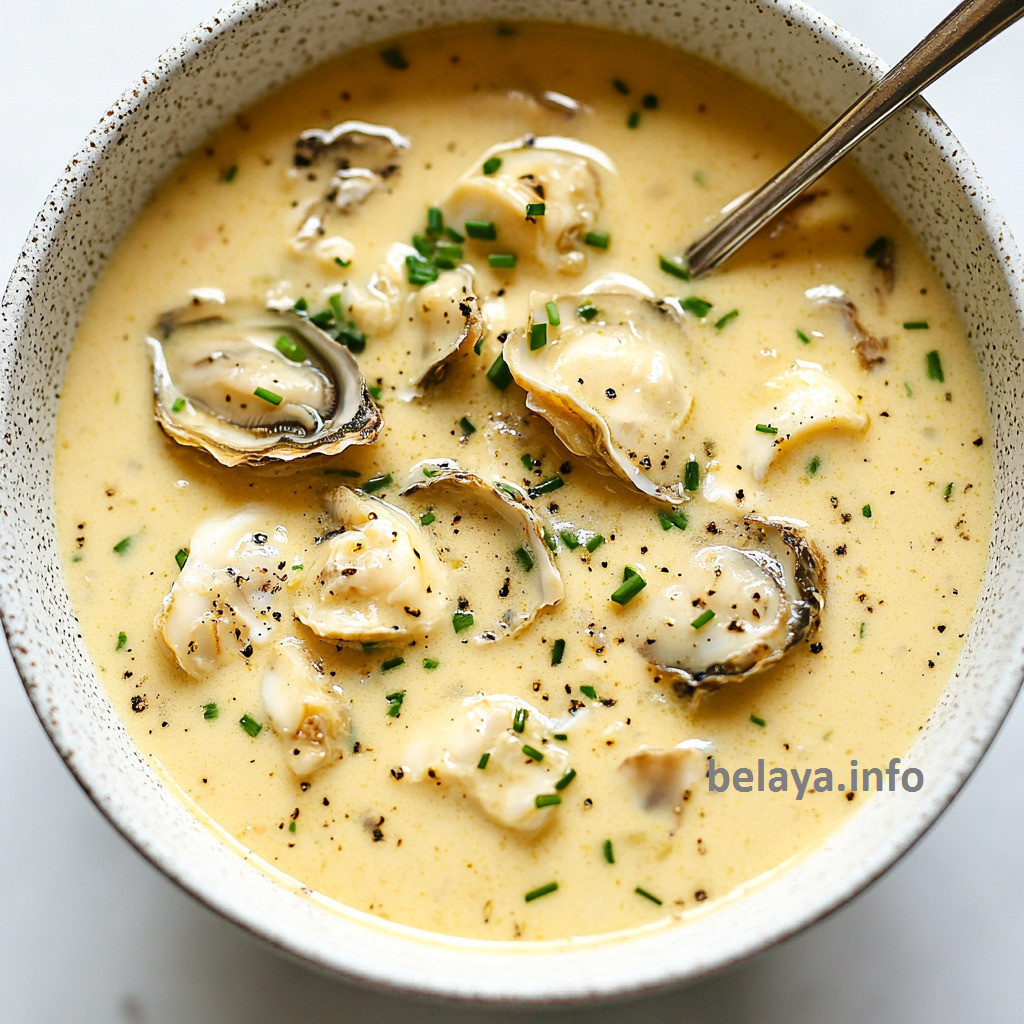
This Simple Slow Cooker Oyster Stew is a quiet kind of luxury—rich, comforting, and deeply rooted in coastal tradition.
Made with just a handful of classic ingredients, it lets the natural sweetness of fresh oysters shine, gently cradled in warm milk and butter. Slow cooking keeps everything tender and harmonious, creating a stew that feels both old-fashioned and timeless.
It’s the kind of dish meant to be savored slowly, ideally on a cold evening, with crackers nearby and nothing else demanding your attention.
Why People Will Love This Slow Cooker Oyster Stew Recipe
Pure, classic flavor – It stays true to the traditional oyster stew, allowing the natural sweetness of fresh oysters to be the star without heavy or distracting ingredients.
Comfort in its simplest form – Warm milk, butter, and tender oysters create a soothing, nostalgic dish that feels cozy and grounding with every spoonful.
Effortless elegance – Despite its refined taste, the recipe is surprisingly easy, making it perfect for both special occasions and quiet, relaxed dinners.
Gentle slow-cooker method – Slow cooking prevents overcooking the oysters, resulting in a silky, delicate texture that feels indulgent rather than rushed.
Minimal ingredients, maximum depth – Each ingredient has a clear purpose, coming together to build richness and complexity without unnecessary additions.
Customizable to taste – The seasoning can be easily adjusted, letting each cook fine-tune the stew to their personal preference.
Perfect cold-weather comfort food – It’s especially satisfying on chilly evenings, offering warmth and richness that feels both nourishing and calming.
Timeless and nostalgic appeal – This recipe connects to generations of home cooking, evoking memories of traditional seafood stews enjoyed by the sea or around the family table.
Key Ingredients
Fresh oysters (with their natural liquor) – The heart of the stew, bringing delicate sweetness, briny depth, and a true sense of the sea. Using their natural juices ensures the flavor stays authentic and layered.
Whole milk – Creates a soft, creamy base that gently carries the oysters without overpowering them, resulting in a smooth, comforting texture.
Unsalted butter – Adds richness and silkiness while allowing precise control over seasoning, enhancing the stew’s luxurious mouthfeel.
Shallot – Provides a subtle, refined onion note that builds savory depth without sharpness or heaviness.
Worcestershire sauce – A quiet but essential enhancer, adding umami complexity and balancing the natural sweetness of the oysters.
Cayenne pepper – Used sparingly to introduce gentle warmth and contrast, awakening the flavors without making the stew spicy.
Fresh chives or parsley – A bright, fresh finish that lifts the richness and adds a clean herbal note just before serving.
Expert Tips:
Never let the milk boil – Keep the milk just below a simmer. Boiling can cause it to scorch or separate, dulling the stew’s smooth, delicate texture.
Respect the oysters’ cooking time – Oysters cook very quickly. As soon as their edges begin to curl, they’re done. Overcooking will make them rubbery and mute their natural sweetness.
Use oyster liquor wisely – Always include the oysters’ natural juices, but strain them if needed to remove grit. This liquid is essential for depth and true ocean flavor.
Sauté gently, not aggressively – Cook the shallots over low heat until soft and fragrant, not browned. Browning can introduce bitterness that overwhelms the stew’s subtle profile.
Season gradually – Salt lightly at first. Oysters vary in salinity, so final seasoning should be adjusted only after everything is combined and warmed.
Balance richness with restraint – Butter is key, but more isn’t always better. The goal is silkiness, not heaviness, so let the oysters remain the focus.
Stir carefully and infrequently – Gentle stirring preserves the oysters’ shape and keeps the milk smooth without breaking the delicate ingredients.
Serve immediately for best texture – Oyster stew is at its peak right after cooking. Letting it sit too long can soften the oysters and dull the fresh, clean flavor.
Warm the bowls before serving – This small step keeps the stew hot longer and enhances the overall dining experience, especially in colder weather.
Simple Slow Cooker Oyster Stew
Ingredients
2 quarts whole milk
1/2 cup (4 ounces) unsalted butter
1 medium shallot, minced
2 pints fresh oysters, with their liquid
1 1/2 teaspoons salt, or to taste
1 dash cayenne pepper
2 teaspoons Worcestershire sauce
1 to 2 tablespoons chopped fresh chives, or parsley, optional
Oyster crackers, for serving
Instructions:
Prepare the Milk Base:
Pour the whole milk into the slow cooker, cover, and heat on high for about 1½ hours, or until steaming but not boiling.
Sauté the Shallots and Oysters:
Meanwhile, in a medium saucepan over medium-low heat, melt the unsalted butter. Add the minced shallot and sauté gently for about 2 minutes, just until fragrant and softened.
Cook the Oysters Gently:
Add the oysters along with their natural juices to the pan. Reduce the heat to low and simmer until the oyster edges begin to curl—this is your sign they’re perfectly cooked.
Season and Combine:
Stir in the salt, cayenne pepper, and Worcestershire sauce. Mix gently, then transfer the oyster mixture into the slow cooker with the hot milk.
Finish and Serve:
Reduce the slow cooker heat to low, cover, and cook for another 1 to 2 hours, stirring occasionally. Taste and adjust seasoning if needed.
Garnish and Enjoy:
Ladle into bowls, garnish with chopped fresh chives or parsley if desired, and serve with oyster crackers on the side.
Important Notes When Making Slow Cooker Oyster Stew
Freshness matters most – The quality of the oysters will directly determine the final flavor. Fresh, properly stored oysters with a clean ocean scent are essential for a truly exceptional stew.
This is a gentle recipe, not a rushed one – Every step relies on low heat and patience. High heat will overpower the oysters and compromise the stew’s smooth, delicate nature.
Flavor is intentionally subtle – This stew is meant to be soft, creamy, and restrained. It’s not designed to be heavily seasoned or bold, but rather refined and balanced.
Texture is as important as taste – The goal is a silky broth with tender oysters. Any curdling, boiling, or overcooking will affect the overall experience.
Salt levels can vary – Oysters naturally contain salt, so seasoning must always be adjusted at the end, not at the beginning.
Best enjoyed fresh – Oyster stew does not improve with time. Reheating can toughen the oysters and dull their flavor, so plan to serve it the same day.
Slow cooker size matters – Use a cooker large enough to allow gentle, even heating without crowding, which helps maintain consistent temperature control.
Minimal additions preserve tradition – Avoid adding heavy cream, cheese, or strong herbs. The beauty of this recipe lies in its simplicity and respect for classic technique.
How to Enjoy This Oyster Stew After Cooking
Serve it immediately while it’s at its peak
Oyster stew is at its best right after cooking, when the oysters are tender and the broth is silky and warm. Letting it sit too long can soften the oysters and dull their fresh, briny character.
Use warmed bowls for the best experience
Pre-warming your bowls helps keep the stew hot longer and preserves its smooth texture. This small step makes the dish feel more refined and intentional.
Ladle gently to protect the oysters
When serving, scoop carefully so the oysters remain whole and tender. Avoid stirring vigorously at this stage—presentation and texture both matter here.
Garnish lightly, not heavily
A sprinkle of fresh chives or parsley adds brightness and contrast to the rich broth. Keep garnishes minimal so they enhance, rather than overpower, the stew.
Pair with classic accompaniments
Oyster crackers are traditional for a reason—they add a gentle crunch without stealing attention from the stew. Simple buttered toast or saltines also work beautifully.
Sip and savor slowly
This is not a rushed dish. Take small spoonfuls, allowing the warmth, creaminess, and ocean sweetness to unfold gradually.
Enjoy it as a centerpiece, not a side
Oyster stew shines when it’s the main focus of the meal. Pair it with something simple, like a light green salad or steamed vegetables, to keep the balance clean and elegant.
Avoid reheating if possible
If you must reheat, do so very gently over low heat and stop as soon as it’s warm. Never boil, as this will toughen the oysters and break the broth.
Set the mood
This stew is as much about atmosphere as flavor. A quiet evening, a cold night, and a relaxed table make the experience feel complete and deeply comforting.
Treat it as a moment of indulgence
More than just a meal, this oyster stew is meant to be enjoyed slowly, thoughtfully, and with appreciation for its simplicity and tradition.
Nutrition Information (per serving)
Calories: ~320 kcal | Total Fat: 24 g | Saturated Fat: 15 g | Monounsaturated Fat: 6 g | Polyunsaturated Fat: 1.5 g | Cholesterol: 130 mg | Sodium: 600–750 mg (depending on oyster salinity and added salt) | Total Carbohydrates: 12 g | Dietary Fiber: 0 g | Sugars: 11 g | Protein: 15 g
Frequently Asked Questions
Can I use canned oysters instead of fresh oysters?
Yes, canned oysters can be used if fresh oysters are unavailable, but the flavor and texture will be milder. Choose high-quality canned oysters packed in their natural liquor, and add them gently to avoid overcooking.
Why did my oyster stew turn grainy or separate?
This usually happens when the milk gets too hot or boils. Oyster stew requires gentle heat at all times—keeping the milk steaming but never boiling preserves a smooth, creamy texture.
How do I know when oysters are perfectly cooked?
Oysters are done when their edges just begin to curl. At this point, they are tender and juicy. Cooking beyond this stage will make them firm and chewy.
Can I make this stew ahead of time?
Oyster stew is best enjoyed fresh. Making it ahead or reheating can toughen the oysters and dull their delicate flavor. If necessary, prepare the milk base in advance and add oysters just before serving.
How can I adjust the richness of the stew?
For a lighter version, reduce the butter slightly or use part milk and part light cream. For a richer stew, add a small splash of heavy cream at the end—but do so sparingly to keep the oysters as the focus.
Why is the milk heated separately before adding the oysters?
Heating the milk first ensures a stable, gentle base. Adding oysters to cold milk can cause uneven cooking, while heating everything together over higher heat increases the risk of curdling and overcooked oysters.
Should I rinse the oysters before cooking?
Do not rinse the oysters themselves, as this washes away flavor. If needed, strain the oyster liquor through a fine sieve to remove any grit, then add both oysters and liquid to the stew.
Can I skip sautéing the shallots and add everything directly to the slow cooker?
Sautéing is highly recommended. Cooking the shallots in butter releases their sweetness and aroma, creating depth that cannot be achieved by adding them raw.
When should I add the seasoning for best results?
Add initial seasoning after the oysters are lightly cooked, then adjust again once everything is combined. Because oysters vary in saltiness, final seasoning should always be done at the end.
How do I prevent overcooking the oysters in a slow cooker?
Keep the heat low and limit total cooking time. Once the oysters are added, they only need gentle warming—extended cooking will make them tough and rubbery.