Lemon Ricotta Cookies
These Lemon Ricotta Cookies are soft, pillowy, and delicately bright, offering the perfect balance between rich dairy and fresh citrus.
The ricotta gives each cookie a tender, almost cake-like texture, while lemon zest and juice add a clean, uplifting flavor that never feels overpowering.
Finished with a silky lemon glaze, they’re elegant yet comforting—ideal for spring gatherings, holiday trays, or anytime you crave a lightly sweet treat with a refreshing finish.
Why People Will Love Lemon Ricotta Cookies Recipe
Exceptionally Soft, Pillowy Texture – Ricotta cheese creates cookies that are tender, moist, and almost cake-like, setting them apart from traditional crisp or chewy cookies.
Bright, Balanced Lemon Flavor – Fresh lemon zest and juice deliver a clean citrus aroma and gentle tang that feels refreshing rather than sharp or overwhelming.
Light Yet Indulgent – These cookies feel rich and satisfying without being heavy, making them easy to enjoy more than one at a time.
Beautiful Sweet–Tart Glaze – The silky lemon glaze adds sweetness and shine while enhancing the citrus notes for a perfectly finished bite.
Perfect for Any Occasion – Elegant enough for holidays and celebrations, yet simple and comforting for everyday baking or afternoon treats.
Crowd-Pleasing Appeal – Their soft texture and mild lemon flavor make them universally loved by both kids and adults.
Make-Ahead Friendly – The dough benefits from chilling, and the baked cookies stay soft for days, making them ideal for planning ahead.
Simple Ingredients, Bakery-Quality Results – Everyday pantry staples come together to create cookies that taste refined and professional.
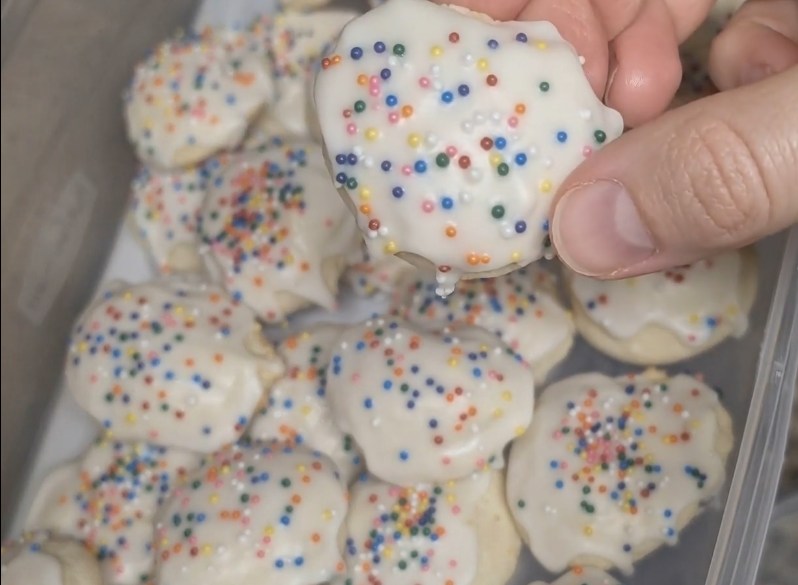
Visually Inviting – Pale, glossy cookies with lemon glaze (and optional sprinkles) look beautiful on dessert trays and gift boxes.
Comforting with a Fresh Twist – They offer classic cookie comfort elevated by bright citrus, giving a familiar treat a refreshing personality.
Key Ingredients
Whole-Milk Ricotta Cheese – The star of the recipe, ricotta gives these cookies their signature soft, moist, almost cake-like texture while adding richness without heaviness.
Fresh Lemon Zest & Lemon Juice – Zest provides bright, aromatic citrus oils, while juice adds gentle tang, creating a clean, refreshing lemon flavor throughout the cookies and glaze.
Unsalted Butter – Softened butter brings richness and structure, helping the cookies cream smoothly and bake up tender rather than dense.
Granulated Sugar – Sweetens the dough while also contributing to a light, delicate crumb when creamed with the butter.
All-Purpose Flour – Forms the backbone of the cookie, providing just enough structure to support the soft ricotta-based dough.
Baking Powder & Baking Soda – This combination creates a gentle lift, giving the cookies a light, airy texture instead of a flat or heavy bite.
Eggs – Bind the ingredients together and help create a smooth, cohesive dough with a tender interior.
Vanilla Extract – Rounds out the citrus notes and adds warmth, preventing the lemon flavor from tasting sharp or one-dimensional.
Powdered Sugar (Glaze) – Creates a smooth, glossy topping that adds sweetness and visual appeal while sealing in moisture.
Milk (Glaze) – Thins the glaze to the perfect drizzling consistency and softens its sweetness for a balanced finish.
Expert Tips:
Use Full-Fat Ricotta Only – Whole-milk ricotta provides the moisture and richness that give these cookies their signature soft, cake-like texture. Low-fat versions can make the cookies dry or dense.
Drain Ricotta if Very Wet – If your ricotta looks watery, let it drain in a fine mesh sieve for 10–15 minutes. This prevents excess moisture from spreading the cookies too much.
Chill the Dough for Structure – Refrigerating the dough allows the flour to hydrate and firms up the butter, helping the cookies hold their shape while baking.
Cream Butter and Sugar Thoroughly – Proper creaming incorporates air into the dough, resulting in lighter, softer cookies instead of heavy ones.
Do Not Overmix After Adding Flour – Stir just until the dry ingredients are incorporated. Overmixing can develop gluten and make the cookies tough.
Use Fresh Lemon Zest First – Zest the lemons before juicing them to capture the most aromatic citrus oils and maximize flavor.
Bake Until Just Set – These cookies should remain pale and soft. Remove them when the tops look set but not browned to preserve their tender texture.
Cool Completely Before Glazing – Glazing warm cookies will cause the icing to melt and soak in rather than form a smooth, glossy finish.
Adjust Glaze Consistency Slowly – Add milk or lemon juice a teaspoon at a time to achieve a drizzle that coats without running off.
Let the Glaze Set Before Storing – Allow the glaze to dry fully so the cookies stay neat and don’t stick together when stacked.
Lemon Ricotta Cookies
Ingredients
2½ cups all-purpose flour
½ teaspoon baking soda
2 teaspoons baking powder
1 teaspoon salt
2 large eggs
½ cup unsalted butter, softened to room temperature
1⅔ cups granulated sugar
1½ cups whole-milk ricotta cheese
1 tablespoon fresh lemon zest
1 tablespoon fresh lemon juice
1 teaspoon vanilla extract
Lemon Glaze
2 cups powdered sugar
4 tablespoons whole milk
2 tablespoons fresh lemon juice
¼ teaspoon lemon zest
1 teaspoon vanilla extract
Instructions
In a large mixing bowl, cream together the softened butter and sugar until light and well blended.
Beat in the eggs one at a time, then mix in the vanilla extract, lemon zest, lemon juice, and ricotta cheese until smooth.
Add the flour, baking soda, baking powder, and salt. Stir just until combined. Cover the dough and refrigerate for at least 1 hour or up to overnight.
Preheat the oven to 350°F (175°C). Line baking sheets with parchment paper. Using a small cookie scoop or tablespoon, portion the dough onto the baking sheets, spacing the cookies about 2 inches apart.
Bake for about 13 minutes, or until the cookies are set but still soft. Remove from the oven and allow them to cool completely before glazing.
To prepare the glaze, whisk together the powdered sugar, milk, vanilla extract, lemon zest, and lemon juice until smooth.
Drizzle or spread the glaze over the cooled cookies and decorate with sprinkles if desired.
Important Notes When Making Lemon Ricotta Cookies
Texture Is the Defining Feature – These cookies are meant to be soft and cake-like, not crisp. Avoid overbaking, as even a few extra minutes can dry them out.
Dough Will Be Sticky – The dough is naturally soft due to the ricotta. Chilling is essential to make it easier to scoop and to help the cookies hold their shape.
Minimal Browning Is Normal – The cookies should remain pale on top and bottom. Color is not a reliable doneness cue—look for set edges and soft centers instead.
Flavor Develops After Cooling – Lemon flavor becomes more pronounced as the cookies cool and rest, so don’t judge the final taste straight from the oven.
Glaze Thickness Affects Sweetness – A thicker glaze gives a sweeter finish, while a thinner drizzle keeps the cookies lighter and more balanced.
Fresh Citrus Matters – Bottled lemon juice and pre-grated zest lack the brightness needed for the best flavor. Fresh lemons make a noticeable difference.
Storage Conditions Are Important – Because of their moisture, these cookies should be stored in an airtight container and enjoyed within a few days for best texture.
Glaze Is Optional but Recommended – The cookies are lightly sweet on their own; the glaze completes the flavor and adds contrast.
Freezing the Dough Works Well – The dough can be scooped and frozen for future baking, but glaze only after baking and thawing.
Great for Gifting – Their soft texture and elegant lemon finish make them ideal for cookie boxes, spring celebrations, and holiday trays.
How to Enjoy Lemon Ricotta Cookies After Baking
Allow the Cookies to Set Properly
After glazing, let the cookies rest at room temperature until the glaze is fully set. This creates a smooth, glossy finish and ensures the flavors settle beautifully.
Serve at Room Temperature
These cookies taste best when served at room temperature, where the ricotta keeps them soft and the lemon flavor is most expressive.
Pair with the Right Beverages
Enjoy them with hot tea, espresso, cappuccino, or a glass of cold milk. The bright citrus pairs especially well with herbal teas and light coffee roasts.
Enhance with Simple Garnishes
For special occasions, finish with a light sprinkle of extra lemon zest, powdered sugar, or subtle sprinkles for added visual appeal.
Present Thoughtfully
Arrange the cookies on a white or pastel platter to highlight their pale color and glossy glaze. They make an elegant addition to dessert tables and gift boxes.
Store Correctly for Best Texture
Keep cookies in an airtight container at room temperature for up to 3 days, or refrigerate for up to 5 days. Bring refrigerated cookies back to room temperature before serving.
Refresh Before Serving
If needed, let chilled cookies sit out for 15–20 minutes to restore their soft, tender texture.
Use as a Dessert Accent
Serve alongside fresh berries, whipped cream, or vanilla gelato for a light, refreshing dessert plate.
Perfect for Sharing
These cookies are ideal for brunches, showers, holidays, or casual gatherings thanks to their gentle sweetness and universal appeal.
Enjoy Slowly
Take time to savor the contrast between the pillowy cookie and the bright, silky glaze—the true charm of this recipe lies in its delicate balance.
Nutrition Information
(Estimated, per cookie)
Calories: 150–170 kcal | Total Fat: 5.5–6.5 g | Saturated Fat: 3.0–3.5 g | Monounsaturated Fat: 1.6–2.0 g | Polyunsaturated Fat: 0.4–0.6 g | Cholesterol: 30–35 mg | Sodium: 120–160 mg (depending on salt and glaze amount) | Total Carbohydrates: 22–25 g | Dietary Fiber: 0.6–0.9 g | Sugars: 13–16 g | Protein: 3–4 g
Frequently Asked Questions
Why are these cookies so soft compared to traditional cookies?
The high moisture content from whole-milk ricotta creates a tender, cake-like texture rather than a crisp or chewy cookie. This softness is a defining feature of the recipe.
Can I make the dough ahead of time?
Yes. The dough can be refrigerated for up to 24 hours. Chilling actually improves the structure and makes the dough easier to scoop and handle.
How do I know when the cookies are done baking?
The cookies are ready when the tops look set and the bottoms are lightly firm, even if there’s little to no browning. They should feel soft when gently pressed.
Can I skip the glaze?
You can, but the glaze adds brightness, sweetness, and balance to the mild cookie base. Without it, the cookies will taste more subtle and less dessert-like.
How long do Lemon Ricotta Cookies stay fresh?
Stored in an airtight container, they stay soft for about 3 days at room temperature or up to 5 days in the refrigerator. Let chilled cookies come to room temperature before serving for best texture.
Why does the dough need to be chilled before baking?
Chilling firms up the butter and allows the flour to fully hydrate, which helps the cookies hold their shape and bake evenly instead of spreading too much.
Can I substitute low-fat ricotta for whole-milk ricotta?
It’s not recommended. Low-fat ricotta lacks the richness and moisture needed for the cookies’ signature soft texture and can result in drier, less tender cookies.
What’s the best way to avoid overmixing the dough?
Once the flour is added, mix just until no dry streaks remain. Overmixing can develop gluten and make the cookies dense instead of light.
Should I grease the baking sheet if I’m using parchment paper?
No. Parchment paper alone is sufficient and helps prevent sticking while allowing even baking.
Can I adjust the lemon flavor intensity?
Yes. For stronger lemon flavor, increase the zest slightly or add more zest to the glaze. Avoid adding extra juice to the dough, as it can affect texture.