German Rocks
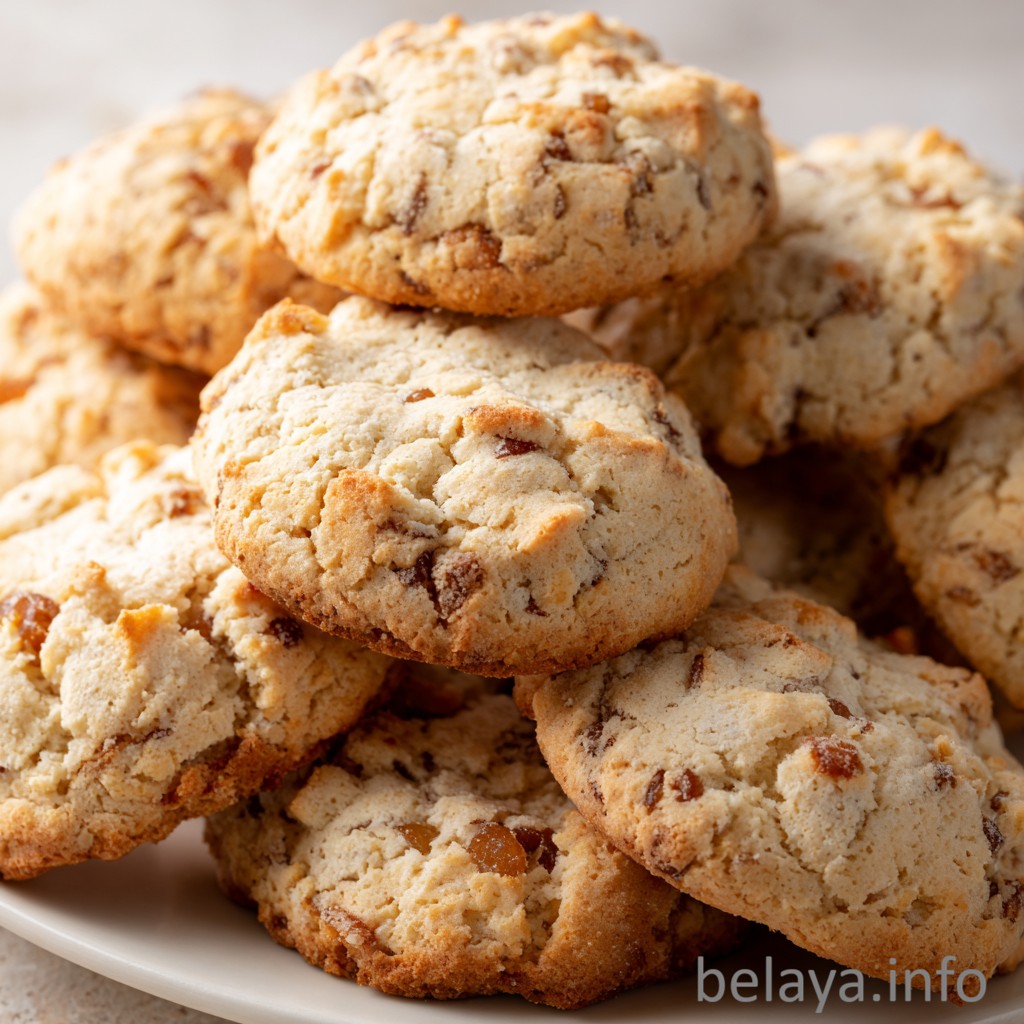
German Rocks are a beautiful example of old-fashioned baking, where simple pantry ingredients come together to create something deeply rich, rustic, and comforting.
These cookies are not about perfect shapes—they’re about texture, warmth, and bold, wholesome flavor.
Each bite delivers a soft, chewy interior filled with sweet dates and crunchy walnuts, wrapped in a gently spiced dough that carries hints of cinnamon and caramelized sugar. They feel nostalgic and hearty, like something passed down through generations—imperfect in appearance, but incredibly satisfying and full of character.
Why People Will Love German Rocks Recipe
Deep, nostalgic flavor profile – These cookies carry a warm, old-fashioned taste that feels like home baking at its finest, with rich notes of caramelized sugar, cinnamon, and naturally sweet dates.
Perfect contrast of textures – Soft and chewy centers are paired with slightly crisp edges, while the walnuts add a satisfying crunch that keeps every bite interesting.
Naturally sweet and less artificial – The dates bring a deep, natural sweetness and slight stickiness, reducing the need for overly processed sugars and giving the cookies a more wholesome feel.
Rustic charm and character – Unlike perfectly shaped cookies, German Rocks embrace an uneven, rugged look that reflects homemade authenticity and traditional baking methods.
Hearty and filling – Packed with nuts and fruit, these cookies are more substantial than typical sweets, making them both a treat and a satisfying snack.
Warm spice undertones – The cinnamon adds a gentle warmth that enhances the sweetness without overpowering, creating a balanced and comforting flavor.
Great for any season – They feel cozy in colder months but are just as enjoyable year-round with coffee, tea, or milk.
Perfect for sharing and gifting – Their unique texture and rich taste make them stand out, making them ideal for holiday trays or thoughtful homemade gifts.
Long-lasting freshness – Thanks to the dates and dense texture, these cookies stay moist and flavorful longer than many other baked goods.
A timeless, heritage-style recipe – This recipe connects to traditional baking roots, offering a sense of history and authenticity that modern desserts often lack.
Key Ingredients:
Granulated Sugar (foundation of sweetness and structure) – Beyond sweetness, sugar helps create a light, tender crumb and contributes to the slight crispness at the edges as it caramelizes during baking.
Butter (richness and depth) – Softened butter brings a smooth, creamy base that carries flavor throughout the dough, adding richness and helping create that soft, melt-in-your-mouth texture.
Eggs (binding and lightness) – Eggs hold the dough together while adding moisture and structure. When whipped into the butter-sugar mixture, they help create a lighter, more airy consistency.
All-Purpose Flour (structure and body) – Flour provides the framework of the cookie, giving it shape and stability while still allowing for a soft, tender bite when properly mixed.
Cinnamon (warm aromatic note) – This spice adds subtle warmth and depth, enhancing the sweetness of the dates and creating a cozy, comforting flavor profile.
Baking Soda (leavening and texture) – Activated with hot water, baking soda helps the cookies rise slightly and contributes to a softer interior with a delicate crumb.
Dates (natural sweetness and chewiness) – Dates are the heart of this recipe, offering deep, caramel-like sweetness and a sticky, soft texture that keeps the cookies moist and flavorful.
Walnuts (crunch and earthy contrast) – Walnuts bring a nutty richness and a satisfying crunch, balancing the softness of the dough and the sweetness of the dates.
Vanilla Extract (flavor enhancer) – A small but essential ingredient that rounds out the sweetness and enhances all other flavors, making the cookies taste more complex and complete.
Ingredient harmony (why it works) – The combination of sweet dates, rich butter, warm spices, and crunchy nuts creates a layered, well-balanced cookie that is both comforting and full of character.
Expert Tips:
Cream butter and sugar thoroughly – Don’t rush this step. Proper creaming incorporates air into the dough, which helps create a lighter texture and prevents the cookies from becoming dense.
Use room temperature ingredients – Butter and eggs should be at room temperature for smoother mixing and better emulsification, resulting in a more uniform dough.
Dissolve baking soda completely – Mixing it with hot water ensures even distribution throughout the batter, preventing uneven rise or bitter spots.
Avoid overmixing after adding flour – Once the flour goes in, mix just until combined. Overmixing develops excess gluten, which can make the cookies tough instead of tender.
Chop dates evenly and not too large – Uniform pieces help distribute sweetness throughout the cookie and prevent overly sticky clumps in certain bites.
Lightly toast the walnuts for deeper flavor – Toasting enhances their natural oils and adds a richer, nuttier taste that elevates the entire cookie.
Use a consistent scoop size – Keeping portions even ensures uniform baking, so all cookies finish at the same time with the same texture.
Watch the edges, not just the time – Remove cookies when the edges are lightly golden but centers still look soft. They will continue to set as they cool.
Let cookies rest on the pan briefly – Allow them to sit for a few minutes after baking before transferring. This helps them firm up without breaking.
Store properly to maintain moisture – Keep in an airtight container with a slice of bread or parchment to retain softness and prevent drying out.
German Rocks
Ingredients
1 1/2 cups white granulated sugar
1/2 cup unsalted butter, softened
3 large eggs
1 teaspoon vanilla extract
2 1/2 cups all-purpose flour
1 1/2 teaspoons ground cinnamon
1 teaspoon baking soda
1 teaspoon hot water
2 1/2 cups walnuts, roughly chopped
2 cups chopped pitted dates
Instructions
Preheat the oven
Set your oven to 350°F (175°C) so it’s ready when the dough is prepared.
Cream butter and sugar
In a large mixing bowl, combine the butter and sugar. Beat until smooth and well blended, then add the eggs and vanilla extract. Continue mixing until the mixture becomes light and fluffy.
Dissolve baking soda
In a small bowl, stir the baking soda into the hot water until fully dissolved. Add this mixture into the batter and mix well.
Incorporate dry ingredients
Add the flour and ground cinnamon to the bowl. Mix gently until just combined—avoid overmixing to keep the cookies tender.
Add mix-ins
Fold in the chopped walnuts and dates, making sure they are evenly distributed throughout the dough.
Portion the dough
Scoop about 2–3 tablespoons of dough and place onto ungreased baking sheets, leaving space between each portion.
Bake the cookies
Bake for 12–14 minutes, or until the edges turn lightly golden while the centers remain soft.
Cool and store
Let the cookies cool on the baking sheet or a rack before transferring to an airtight container for storage.
Important Notes When Making German Rocks
Dough texture should be thick and scoopable – This is not a thin, spreadable dough. It should hold its shape when scooped, which helps create that signature rustic, chunky cookie.
Dates are naturally sticky—handle carefully – Chopped dates can clump together. Lightly tossing them in a bit of flour before adding can help distribute them more evenly throughout the dough.
Balance of moisture is key – Dates add significant moisture to the cookies. Too many or overly large pieces can make the cookies overly dense or gummy.
Do not flatten the dough before baking – These cookies are meant to be dropped in mounds. Flattening them can affect their texture and prevent that soft, thick center.
Color is a better indicator than time – Every oven varies. Look for lightly golden edges and slightly set tops rather than relying strictly on baking time.
They will continue to set after baking – The centers may look soft when removed from the oven, but they firm up as they cool, resulting in a chewy interior.
Walnuts add structure as well as flavor – Beyond crunch, walnuts help break up the density of the dough, giving the cookies a more balanced bite.
Cinnamon should complement, not dominate – The spice is meant to enhance the natural sweetness of the dates, not overpower it. Keep it subtle for best results.
Proper storage preserves texture – These cookies stay soft longer than most, but exposure to air can dry them out. Store in airtight containers to maintain their chewiness.
Flavor improves slightly over time – After a day, the flavors deepen as the dates, spices, and dough fully meld, making the cookies even more enjoyable the next day.
How to Enjoy German Rocks After Baking
Let them cool for the perfect texture
Allow the cookies to cool for at least 10–15 minutes after baking. This helps them firm up slightly while keeping the inside soft and chewy, giving you the ideal texture balance.
Enjoy them slightly warm for maximum flavor
These cookies are especially delicious when still a bit warm—the butter, cinnamon, and dates become more aromatic, creating a rich, comforting experience.
Pair with a warm or cold drink
Enhance the experience by serving with:
- Coffee or espresso for a rich contrast
- Tea for a lighter, soothing pairing
- Cold milk for a classic, comforting combination
Break them open to enjoy the texture
Splitting a cookie reveals the soft, dense interior filled with dates and crunchy walnuts, making each bite more visually and texturally satisfying.
Balance with something creamy if desired
Pair with a scoop of vanilla ice cream or a dollop of whipped cream to contrast the dense, chewy texture with something light and smooth.
Serve as a snack or dessert
These cookies are versatile:
- Enjoy as a mid-day snack
- Serve as a dessert after meals
- Include on a dessert platter for gatherings
Store and revisit for deeper flavor
Keep in an airtight container and enjoy over the next few days. The flavors often deepen slightly, making them even more delicious after resting.
Refresh before serving if needed
If they’ve been stored, warm them briefly in the microwave (5–10 seconds) or oven to bring back their softness and aroma.
Control portion for a satisfying treat
These cookies are rich and hearty, so even one or two can be deeply satisfying—perfect for mindful indulgence.
Create a cozy serving experience
Serve on a simple plate or rustic tray, and enjoy in a relaxed setting. These cookies shine most when paired with a calm moment, making them more than just a dessert—they become an experience.
Nutrition Information:
Yields: about 24 cookies
Calories: 220 kcal | Total Fat: 10 g | Saturated Fat: 3.5 g | Monounsaturated Fat: 4.5 g | Polyunsaturated Fat: 1.5 g | Cholesterol: 35 mg | Sodium: 120–150 mg (depending on added salt) | Total Carbohydrates: 30 g | Dietary Fiber: 2.5 g | Sugars: 18 g | Protein: 4 g
Frequently Asked Questions:
Why are these cookies called “German Rocks”?
The name comes from their rustic, uneven appearance—rough and “rock-like” on the outside—while remaining soft and rich inside. It reflects an old-fashioned baking style rather than a specific German origin.
Can I substitute dates with another ingredient?
Yes, you can use raisins, dried figs, or chopped prunes. However, dates provide a unique caramel-like sweetness and moisture that give these cookies their signature texture.
Do I need to toast the walnuts before adding them?
It’s optional, but highly recommended. Toasting enhances the nutty flavor and adds depth, making the cookies more aromatic and complex.
Why are my cookies too dense or heavy?
This can happen if the batter is overmixed after adding flour or if the butter and sugar weren’t creamed properly. Proper aeration is key to a lighter texture.
Can these cookies be frozen for later use?
Yes, they freeze very well. You can freeze baked cookies in an airtight container or freeze the dough portions and bake them fresh when needed.
Why did my cookies spread too much during baking?
This can happen if the butter was too soft or melted, or if there’s not enough flour. Make sure the butter is softened (not oily) and measure flour accurately to keep the dough thick and stable.
How do I know if I creamed the butter and sugar correctly?
The mixture should look pale, fluffy, and slightly increased in volume. If it still looks dense or grainy, keep mixing—this step is key for proper texture.
Why are my cookies coming out too dry?
Overbaking or using too much flour can dry them out. Remove the cookies when the edges are just golden and the centers still look soft—they will continue to set as they cool.
What’s the best way to incorporate dates without clumping?
Chop the dates evenly and, if they’re sticky, lightly toss them in a bit of flour before folding into the dough. This helps distribute them more evenly.
How can I ensure even baking across all cookies?
Use a consistent scoop size and leave enough space between each portion. If needed, rotate the baking sheet halfway through baking for more even heat distribution.