Easter Bread
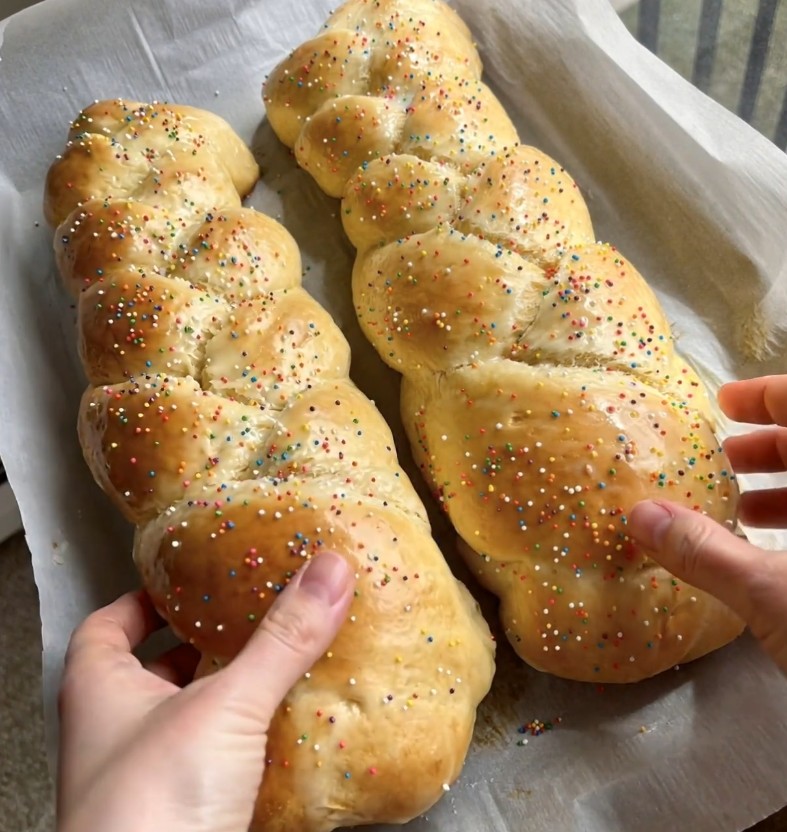
Easter Bread is more than just a recipe—it’s a celebration baked into every soft, golden strand. With its lightly sweet flavor, hints of anise and vanilla, and beautifully braided shape, this bread carries generations of tradition and warmth.
The aroma alone, rich with butter and yeast, feels like stepping into a holiday morning filled with family, laughter, and anticipation.
What makes this bread truly special is its balance of simplicity and symbolism. The tender crumb and slightly glossy crust create a comforting, bakery-style texture, while the braid itself represents unity and togetherness. Whether served plain, toasted, or alongside a festive meal, Easter Bread brings a sense of occasion to the table—turning an ordinary moment into something meaningful and memorable.
Why People Will Love This Easter Bread Recipe
Beautifully symbolic and meaningful
The braided design represents unity, love, and renewal—making it more than just food, but a centerpiece filled with tradition and emotion.
Soft, fluffy, bakery-quality texture
Each slice is light, airy, and tender, with a delicate crumb that feels luxurious yet comforting—perfect for both special occasions and everyday enjoyment.
Balanced sweetness with aromatic depth
The gentle sweetness is enhanced by warm notes of anise and vanilla, creating a flavor that is subtle, unique, and deeply satisfying without being overpowering.
Rich, buttery flavor that melts in your mouth
The combination of butter, milk, and eggs gives the bread a soft richness that feels indulgent while still staying light.
Visually stunning and festive
The golden braided loaf looks impressive on any table—whether you add decorative eggs or keep it simple, it always feels like a celebration.
Versatile for serving and pairing
Enjoy it plain, toasted with butter, paired with coffee, or even turned into French toast—the possibilities make it a go-to recipe beyond Easter.
A rewarding baking experience
From kneading the dough to shaping the braid, the process is hands-on and fulfilling—perfect for creating meaningful kitchen memories.
Fills your home with irresistible aroma
As it bakes, your kitchen is filled with the comforting scent of sweet dough, butter, and spices—instantly creating a warm, inviting atmosphere.
Beginner-friendly yet impressive
Despite its elegant look, the steps are simple and approachable, making it ideal for both new bakers and experienced ones.
Perfect for sharing and gifting
This bread naturally brings people together—whether you serve it at a family gathering or gift a loaf, it carries a sense of care and celebration.
Key Ingredients
All-Purpose Flour (4 1/2 to 5 cups)
The structural backbone of the bread. Flour provides the gluten network that gives the loaf its soft yet slightly chewy texture. Starting with less and adding more gradually helps achieve that perfect balance—pliable but not sticky.
Granulated Sugar (2/3 cup)
Adds a gentle sweetness that defines Easter Bread without making it dessert-like. It also feeds the yeast during fermentation, helping the dough rise beautifully and develop a light, airy crumb.
Milk (1 cup)
Brings richness and softness to the dough. Milk proteins and fats contribute to a tender crumb and a slightly creamy flavor, elevating the bread beyond a basic loaf.
Butter (6 tablespoons)
Infuses the bread with a rich, melt-in-your-mouth quality. Butter softens the crumb and enhances flavor depth, giving the finished loaf a subtle indulgence.
Eggs (3 large)
Essential for both structure and richness. Eggs add color, moisture, and a delicate elasticity, making the bread soft and slightly fluffy while giving it that classic golden hue.
Salt (1 teaspoon)
A small but critical ingredient. Salt sharpens all the other flavors and balances the sweetness, preventing the bread from tasting flat.
Active Dry Yeast (1 packet / 2 1/4 tsp)
The life of the dough. Yeast ferments the sugars, creating air bubbles that make the bread rise and become light. Proper blooming ensures a strong, reliable rise.
Warm Water + Sugar (for blooming yeast)
This step activates the yeast and confirms it’s alive. The sugar jump-starts fermentation, while warm water creates the ideal environment for yeast to thrive.
Anise (1 teaspoon)
The signature flavor note. Anise brings a subtle licorice-like aroma that makes Easter Bread distinct and traditional—warm, slightly sweet, and nostalgic.
Vanilla Extract (1 teaspoon)
Rounds out the flavor profile with a soft, sweet aroma. It complements the anise and enhances the overall warmth of the bread without overpowering it.
Expert Tips:
Control the dough texture early
Start with 4 1/2 cups of flour and add more slowly. The ideal dough should feel soft, slightly tacky, but not sticky. If it’s too dry, your bread will turn dense; too wet, and it won’t hold shape when braided.
Bloom yeast properly for a reliable rise
Make sure your water is warm (not hot). If the yeast doesn’t foam after 5 minutes, it may be inactive—better to restart than risk a flat loaf.
Don’t rush the first rise
Let the dough fully double in size, even if it takes longer than 1.5 hours. Under-proofed dough leads to tight, dense bread instead of that light, fluffy texture.
Use the “windowpane test” when kneading
After kneading, stretch a small piece of dough—if it becomes thin and slightly translucent without tearing, your gluten is well-developed and ready for proofing.
Keep your environment warm and draft-free
Yeast thrives in warmth. If your kitchen is cool, place the dough in an oven that’s turned off with just the light on, or near a warm spot to help it rise properly.
Braid gently to preserve airiness
When shaping the ropes, avoid pressing too hard. Gentle handling keeps the air bubbles intact, resulting in a lighter final texture.
Give the second rise enough time
After braiding, allow the dough to puff up again. This step ensures the bread expands beautifully in the oven instead of cracking or becoming dense.
Bake until deeply golden, not pale
A rich golden-brown crust isn’t just about looks—it adds flavor. If the top browns too quickly, loosely cover with foil to finish baking evenly.
Enhance shine with an egg wash (optional but powerful)
Brushing the loaf with egg wash before baking creates that glossy, bakery-style finish that makes the bread visually stunning.
Let it cool before slicing
Cutting too early releases steam and can make the bread gummy inside. Allow it to rest so the crumb sets properly and slices cleanly.
Customize the flavor to your taste
If anise is too strong for you, reduce it slightly or balance it with extra vanilla or citrus zest (like orange or lemon) for a fresh twist.
Use parchment for easy handling
Braiding and baking directly on parchment paper prevents sticking and helps maintain the loaf’s shape when transferring.
Store it properly to keep softness
Wrap the bread once cooled and keep it at room temperature. Slightly warm slices before serving to bring back that fresh-baked softness.
Easter Bread
Ingredients:
4 1/2 to 5 cups of flour,
2/3 c sugar,
1 c milk,
6 tbsp butter,
1 tsp salt,
3 large eggs,
1 tsp anise,
1 tsp vanilla,
one packet of yeast. ( 2 1/4 tsp).
Instructions:
Warm milk butter and sugar in saucepan.
Set aside to cool.
Get 1/4 c warm water with 1 tbsp sugar and the yeast.
Let bloom for 5 minutes.
In a stand mixer place the flour(start with 4 1/2c), salt eggs, milk mixture and yeast mixture.
Begin mixing with dough hook until dough is shaggy, not too sticky.
Knead for 4 minutes.
Place dough in well oiled bowl and cover with towel.
Raise 1 1/2 hours.
After it’s raised cut dough into to equal pieces.
Work one piece at a time.
Divide into 3 long ropes.
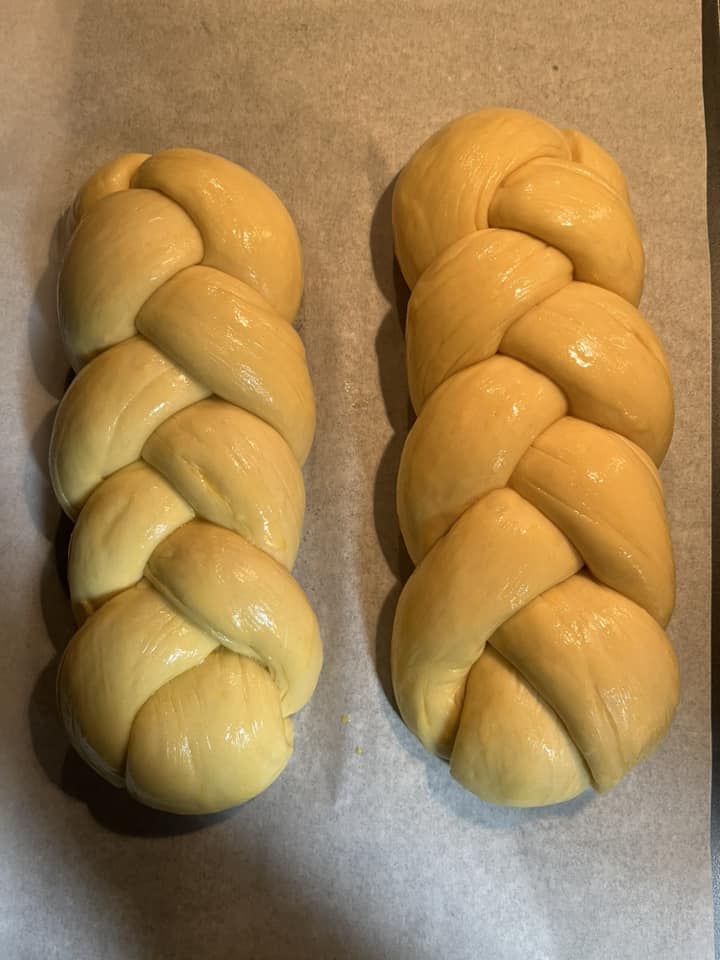
Place on parchment like picture and raise again.
About 1/2 hour.
Bake at 350 for 25 minutes.
I don’t put the decorative egg in my long loaf.
Enjoy!
Tips and Shortcuts
Let milk mixture cool before mixing with yeast to avoid killing the yeast.
Test yeast bloom: If it doesn’t foam after 5–10 minutes, start again with fresh yeast.
Adjust flour as needed: Dough should be soft and slightly tacky but not sticky.
Braiding tip: If your dough ropes shrink, let them rest for 5 minutes before continuing.
Skip the egg on top? Totally fine — it’s decorative, not essential to flavor or texture.
Important Notes When Making Easter Bread
Temperature control is everything
Yeast is sensitive—too hot and it dies, too cold and it won’t activate. Your milk mixture should be warm to the touch, not hot. This single detail can determine whether your bread rises properly or fails.
Flour measurement can make or break the dough
Scooping flour directly from the bag packs it too tightly. Instead, spoon it into the measuring cup and level it off. Too much flour results in a dry, heavy loaf.
Dough consistency matters more than exact measurements
The listed flour range (4 1/2 to 5 cups) is intentional. Humidity, room temperature, and flour type all affect absorption—trust the feel of the dough over strict numbers.
Proofing time is flexible, not fixed
The 1.5-hour rise is just a guideline. Always judge by volume (doubling in size), not the clock. In cooler environments, it may take significantly longer.
Under-proofing vs over-proofing
Under-proofed dough = dense and tight crumb.
Over-proofed dough = weak structure that can collapse during baking.
The dough should feel airy and slightly springy when gently pressed.
Shaping impacts final texture
Tight braiding creates a more defined shape but can slightly reduce softness. Looser braiding allows more expansion and results in a lighter, fluffier bread.
Even rope thickness ensures even baking
When dividing into three ropes, keep them equal in size and thickness. Uneven ropes lead to inconsistent baking—some parts overcooked, others underdone.
Oven accuracy matters
Many home ovens run hotter or cooler than the set temperature. If possible, use an oven thermometer to ensure 350°F is accurate for even baking.
Watch the bottom of the loaf
The bottom can brown faster than the top. If needed, double up baking sheets or move the loaf to a higher rack to prevent over-browning underneath.
Cooling is part of the baking process
The bread continues to set internally after coming out of the oven. Letting it cool fully ensures the crumb stabilizes and prevents a gummy texture.
Flavor develops over time
While delicious fresh, this bread often tastes even better a few hours later as the flavors of anise, vanilla, and butter fully meld.
Decorative eggs are optional and affect baking
If you add dyed eggs into the braid (traditional style), remember they may slightly alter baking time and moisture around them.
This is a slightly enriched dough
Because of eggs, butter, and milk, this dough is softer and richer than basic bread dough—handle gently and avoid overworking it.
Storage affects texture quickly
This bread can dry out if left uncovered. Always wrap it well, and if needed, warm slices lightly before serving to restore softness.
How to Enjoy Easter Bread After Cooking
Let it rest before serving (crucial first step)
After baking, allow the bread to cool completely on a rack. This helps the crumb set properly, making each slice soft, airy, and clean—not gummy or compressed.
Slice with intention for best texture
Use a serrated knife and cut gentle, even slices. Avoid pressing down too hard, as this can flatten the delicate, fluffy interior you worked to create.
Enjoy it fresh and simple first
Your first taste should be plain. This lets you fully experience the balance of sweetness, butter richness, and the subtle aroma of anise and vanilla.
Enhance with butter for a classic experience
Spread a thin layer of soft butter on a slightly warm slice. The butter melts into the bread, amplifying its richness and creating a smooth, comforting bite.
Pair with sweet toppings for a dessert-like treat
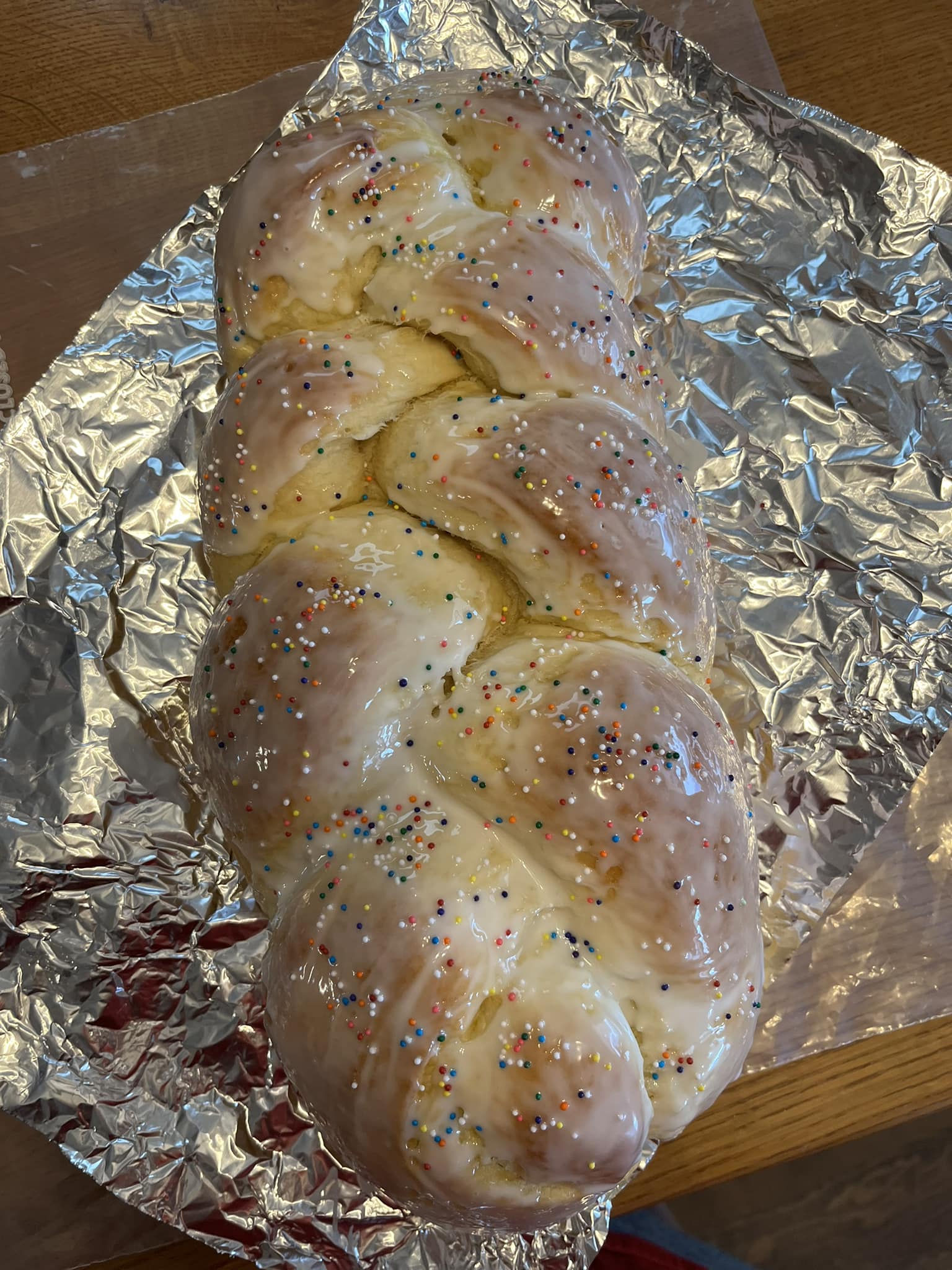
Add honey, fruit preserves, or a light glaze. Strawberry jam, apricot preserves, or even a dusting of powdered sugar can elevate it into a festive indulgence.
Toast for a different texture experience
Lightly toast slices to create a crisp outer layer while keeping the inside soft. This contrast makes the bread feel entirely new and adds depth to each bite.
Transform into French toast (next-level use)
Slightly stale slices are perfect for French toast. The bread absorbs custard beautifully, resulting in a rich, golden, and luxurious breakfast dish.
Serve alongside warm beverages
Pair with coffee, tea, or milk. The gentle sweetness of the bread complements both bold and mild drinks, making it ideal for breakfast or afternoon breaks.
Make it part of a holiday spread
Serve it as a centerpiece with eggs, fruits, cheeses, or light savory dishes. Its subtle sweetness balances well with both sweet and savory pairings.
Use leftovers creatively
Turn extra bread into bread pudding, sweet croutons, or even a layered dessert. Its enriched texture makes it perfect for repurposing without waste.
Reheat properly to restore freshness
If the bread has cooled completely or been stored, warm slices briefly in the oven or microwave. This brings back softness and revives the buttery aroma.
Share it for a true Easter experience
This bread is meant to be shared. Whether with family or guests, serving it together adds meaning and warmth to the moment—just like the tradition it represents.
Nutrition Information:
Yields: 12 | Serving size: 1 slice
Calories: 210–240 kcal | Total Fat: 6.5 g | Saturated Fat: 3.8 g | Monounsaturated Fat: 1.8 g | Polyunsaturated Fat: 0.5 g | Cholesterol: 55 mg | Sodium: 150–190 mg (depending on added salt) | Total Carbohydrates: 32 g | Dietary Fiber: 1.1 g | Sugars: 9 g | Protein: 5.5 g
Frequently Asked Questions:
Why didn’t my dough rise properly?
This is usually due to inactive yeast or incorrect temperature. If your liquid was too hot, it may have killed the yeast; too cold, and the yeast won’t activate well. Always make sure the yeast blooms (foamy after 5 minutes) before mixing.
How do I know if I’ve added enough flour?
The dough should be soft, smooth, and slightly tacky but not sticky. If it sticks heavily to your hands or bowl, add a little more flour. If it feels stiff or dry, you’ve added too much—next time, add flour gradually.
Can I make this dough ahead of time?
Yes! After the first rise, you can refrigerate the dough overnight. This actually improves flavor. Just bring it back to room temperature before shaping and doing the second rise.
What can I use instead of anise?
If you’re not a fan of anise’s licorice flavor, you can substitute with lemon or orange zest for a fresh citrus note, or simply omit it and slightly increase the vanilla.
How do I store Easter Bread to keep it soft?
Once completely cooled, wrap it tightly in plastic wrap or store in an airtight container at room temperature for up to 2–3 days. For longer storage, freeze it and reheat gently before serving to restore its softness.
How warm should the milk mixture be before adding it to the dough?
It should be warm to the touch (around 100–110°F / 38–43°C), not hot. If it feels too hot on your finger, it can kill the yeast. If it’s too cool, the dough will rise very slowly.
How long should I knead the dough, and how do I know it’s ready?
Knead for about 4–6 minutes using a dough hook (or 8–10 minutes by hand). The dough is ready when it becomes smooth, elastic, and slightly stretchy—not rough or tearing easily.
Why is my dough too sticky or too dry during mixing?
This usually comes from flour imbalance. If it’s too sticky, add flour 1 tablespoon at a time. If it’s too dry, add a small splash of milk. Always adjust gradually—small changes make a big difference.
How do I properly braid the dough without ruining its texture?
Roll the dough into even ropes and braid gently without pulling too tight. Over-tight braiding restricts expansion, while too loose may lose shape—aim for a relaxed, even braid.
How can I tell when the bread is fully baked?
The loaf should be deep golden brown on top and sound slightly hollow when tapped on the bottom. If unsure, the internal temperature should be about 190°F (88°C) for fully baked bread.