Curry Chicken Ramen
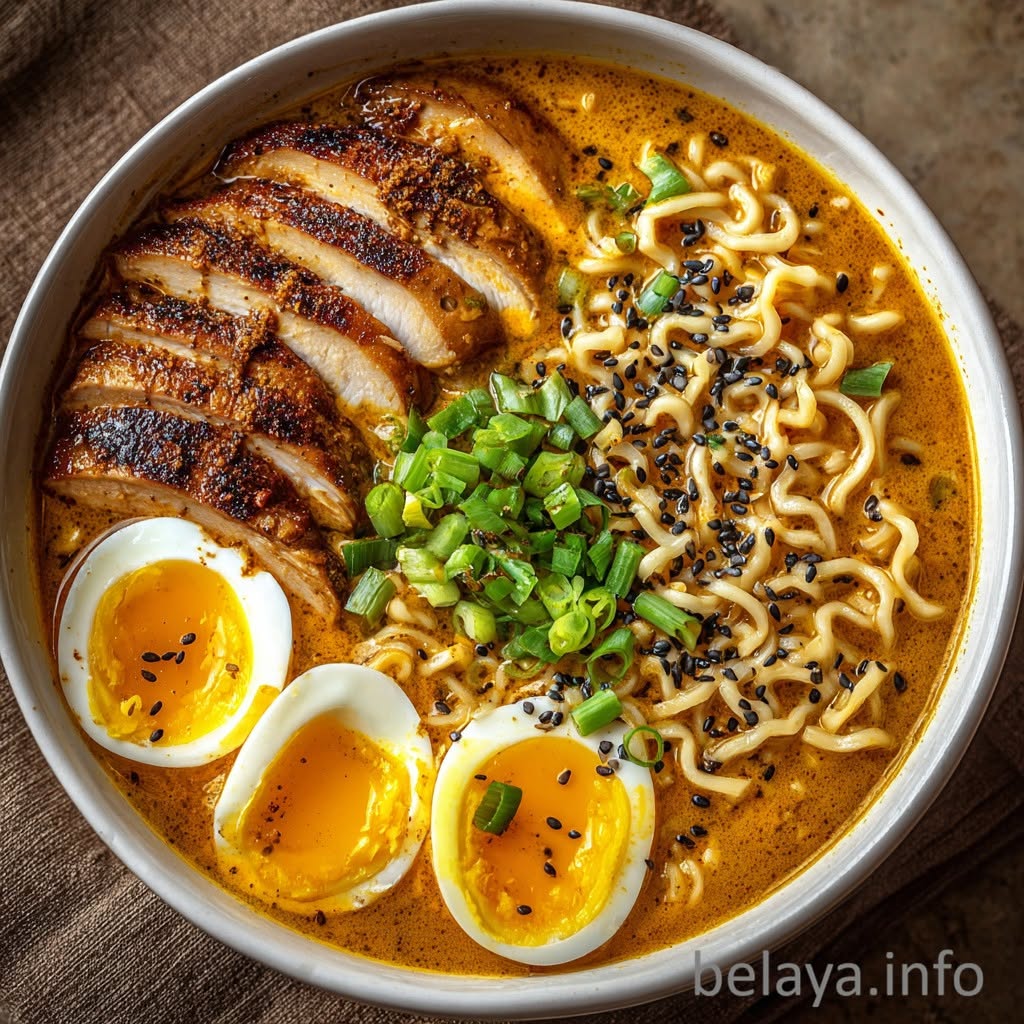
Curry Chicken Ramen is a deeply comforting bowl of noodles that brings together the warmth of Japanese curry, the richness of roasted chicken, and the satisfying texture of fresh ramen noodles.
It feels cozy, hearty, and full of layered flavor, making it perfect for a homemade dinner that tastes special without being overly complicated.
This recipe is especially delicious because it builds flavor in several ways: crisping the chicken skin, using the browned bits from the skillet, melting Japanese curry cubes into broth, and finishing the bowl with soft eggs, green onion, and sesame seeds. Every part of the dish adds something important — richness, aroma, texture, color, and comfort.
Why People Will Love Curry Chicken Ramen Recipe
It is rich, warm, and deeply comforting: The Japanese curry broth gives the ramen a cozy, savory flavor that feels satisfying from the first spoonful.
The crispy chicken makes it feel restaurant-quality: Roasting the chicken first, then crisping the skin in the skillet, gives the dish a beautiful contrast between juicy meat and golden skin.
The broth has real depth: Deglazing the skillet with chicken broth captures the browned bits from the chicken, adding a deeper, more developed flavor.
The soft-boiled eggs make the bowl feel complete: A tender egg with a soft yolk adds richness and makes the ramen feel more luxurious.
It is simple but impressive: Japanese curry cubes make the broth easy to prepare, while the finished bowl looks and tastes like something from a ramen shop.
It has a beautiful balance of textures: Fresh noodles, silky broth, crisp chicken skin, soft egg, green onion, and sesame seeds all work together in one bowl.
Key Ingredients
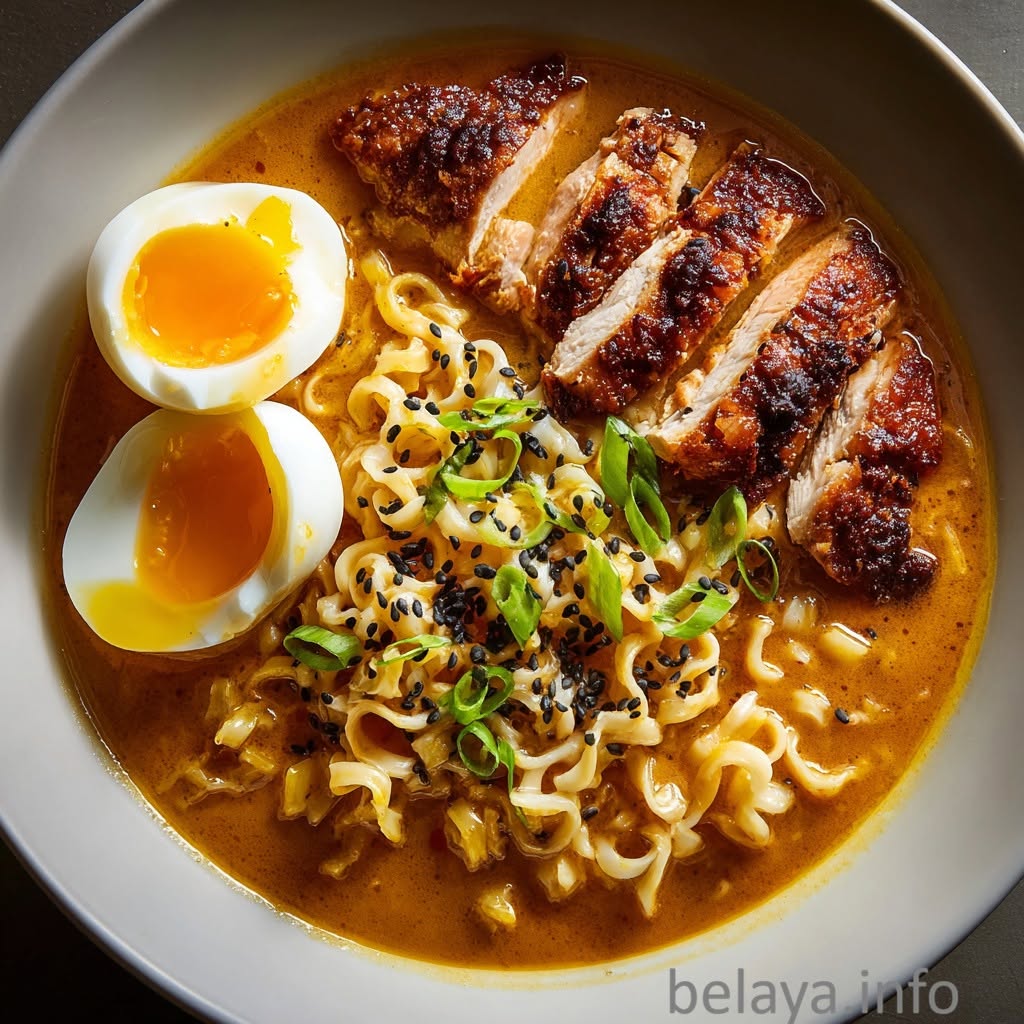
Chicken thighs, skin-on: Chicken thighs stay juicy and flavorful. Keeping the skin on allows it to become crisp, golden, and rich, adding both texture and flavor.
Japanese curry cubes: These are the heart of the broth. They bring warmth, mild sweetness, savory depth, and a thick, comforting curry flavor.
Chicken broth: No-sodium chicken broth gives you more control over the salt level while creating a savory base for the curry.
Fresh ramen noodles: Fresh noodles have a springy, chewy texture that works beautifully with the curry broth.
Fresh eggs: Medium-boiled eggs add richness and softness to the bowl. The slightly runny yolk blends gently into the hot broth.
Green onion: Adds freshness, color, and a light onion flavor that cuts through the richness.
Sesame seeds: A simple garnish that adds a mild nutty flavor and a finished look.
Expert Tips
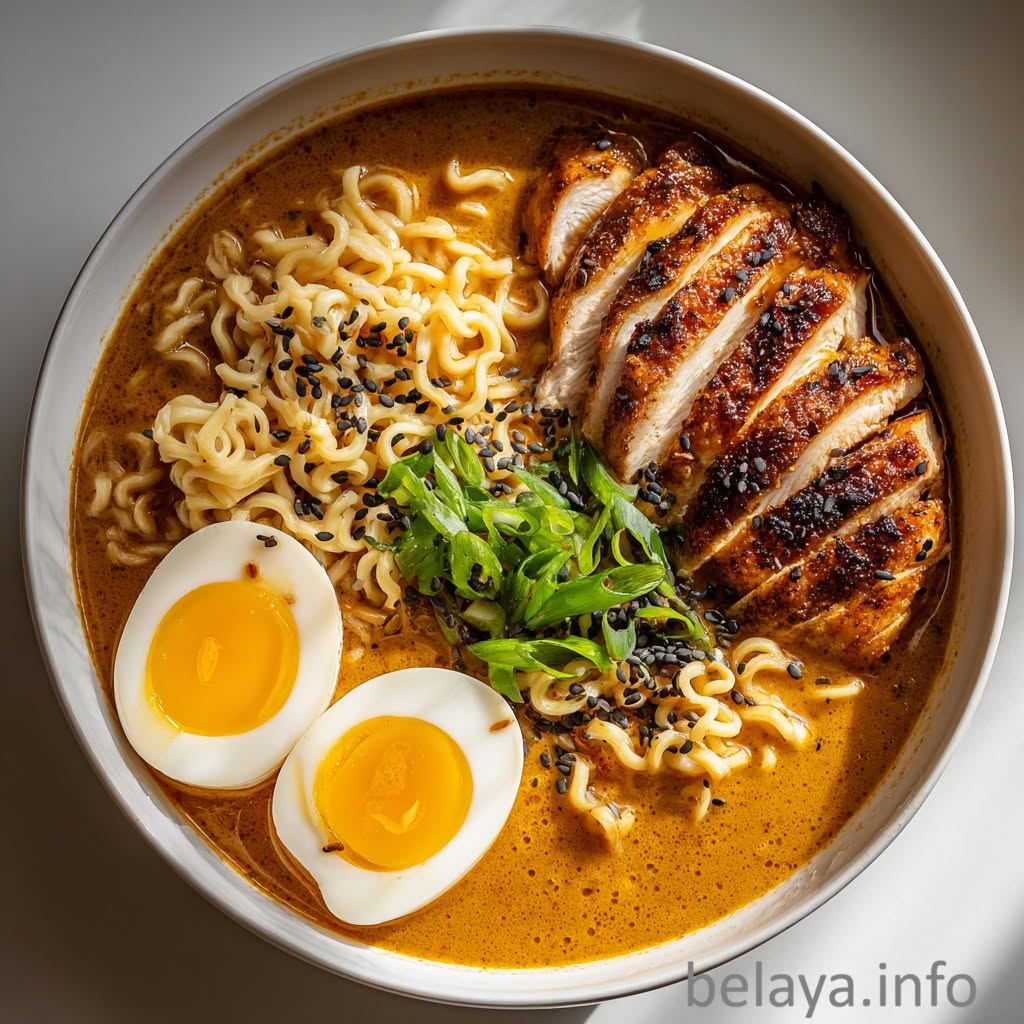
Use skin-on chicken thighs for the best texture: The crispy skin adds an important layer of flavor and makes the ramen feel more satisfying.
Preheat the skillet in the oven: A hot skillet helps the chicken start cooking immediately and improves browning.
Do not throw away the browned bits: The dark bits left in the skillet after cooking the chicken are full of flavor. Deglazing them into the broth makes the soup richer.
Remove the skillet from the heat before melting the curry cubes: Japanese curry cubes can sometimes clump if boiled too aggressively. Letting them soften off the heat helps them dissolve more smoothly.
Cook the noodles separately: Do not cook ramen noodles directly in the curry broth. Cooking them separately keeps the broth clean and prevents the noodles from absorbing too much liquid.
Rest the chicken before slicing: Resting helps the juices stay inside the meat, making the chicken more tender.
Serve immediately: Ramen is best enjoyed right after assembly, while the noodles are springy, the broth is hot, and the chicken skin is still crisp.
Curry Chicken Ramen
Ingredients
– 3 boneless chicken thighs, skin-on
Keeping the skin on helps the chicken become crisp, golden, and flavorful.
– Salt, to taste
Used to season the chicken before cooking.
– 3 1/2 cups no-sodium chicken broth
Homemade broth is a great option if available, but store-bought no-sodium broth also works well.
– 2 large fresh eggs
Fresh eggs are best for making soft, medium-boiled ramen eggs.
– 2 Japanese curry cubes
Golden Curry is a popular choice, but any Japanese curry cube brand can be used.
– 8 ounces fresh ramen noodles
Fresh noodles give the ramen a better texture, but use the package instructions for best results.
– A small amount of vegetable oil
Used to lightly coat the chicken before roasting.
– Sliced green onion, for garnish
Adds freshness, color, and a mild onion flavor.
– Sesame seeds, for garnish
Adds a light nutty flavor and a simple finishing touch.
Instructions
Prepare the Noodles and Oven
Bring a large pot of water to a boil. This water will be used to cook both the eggs and the ramen noodles.
Preheat the oven to 375°F.
Place an oven-safe skillet large enough to hold the chicken thighs into the oven while it preheats. This helps the chicken begin cooking immediately when it touches the hot pan.
Make the Medium-Boiled Eggs
Gently lower the eggs into the boiling water.
Cook large eggs for about 6 1/2 minutes, or extra-large eggs for about 7 1/2 minutes.
Once the eggs are done, immediately transfer them to a bowl of ice water. This quickly stops the cooking process and keeps the yolks soft and slightly runny.
When the eggs are cool enough to handle, peel them carefully and set them aside.
Cook the Chicken
If the chicken thighs are not already boneless, remove the bones while keeping the skin intact. The skin is important because it becomes crisp and flavorful.
Rub the chicken lightly with vegetable oil, then season it with salt.
Carefully remove the hot skillet from the oven. Be very cautious, because the handle will be extremely hot. Placing a kitchen towel over the handle can help remind you not to touch it.
Place the chicken thighs in the skillet, skin side up, then return the skillet to the oven.
Roast the chicken until it reaches an internal temperature of about 170°F. This should take about 12–15 minutes, depending on the size and thickness of the thighs.
Remove the skillet from the oven. Flip the chicken so the skin side is facing down, then place the skillet over medium heat.
Cook for about 1 minute, just until the skin becomes golden and crisp.
Transfer the chicken to a plate, loosely cover it with foil, and set it aside to rest.
Spoon off the excess fat from the skillet, but leave the darker juices and browned bits in the pan. These will add deep flavor to the broth.
Make the Curry Broth
Add a small amount of chicken broth to the skillet to deglaze the pan. Use a spoon or spatula to scrape up the browned bits from the bottom.
Pour in about 2 cups of chicken broth and bring it to a gentle simmer.
Add the Japanese curry cubes to the broth. Remove the skillet from the heat, cover it, and let it sit for about 5 minutes.
After 5 minutes, uncover the skillet and stir until the curry cubes melt into the broth. Some small pieces may take time to dissolve, so stir patiently until the broth becomes as smooth as possible.
Add the remaining chicken broth and simmer for another 4–5 minutes to bring the flavors together.
Cook the Ramen Noodles
While the broth is simmering, cook the fresh ramen noodles according to the package directions.
Drain the noodles well and set them aside briefly.
Assemble and Serve
Slice each egg in half lengthwise. Handle them gently, as the yolks should still be soft.
Divide the cooked ramen noodles between two serving bowls.
Ladle the hot curry broth over the noodles.
Slice the chicken into strips using a sharp knife. Try to cut through both the crisp skin and the meat so each piece has a little of both.
Arrange the sliced chicken over the noodles.
Add the egg halves to each bowl, slightly nestling them into the hot broth so they warm through.
Garnish with sliced green onion and sesame seeds.
Serve immediately and enjoy while hot.
Important Notes When Making Curry Chicken Ramen
The skillet handle will be very hot after coming out of the oven. Always use a towel or oven mitt, even after placing it on the stove.
Chicken thighs should reach a safe internal temperature before serving. Around 170°F gives thighs a tender texture while keeping them juicy.
Japanese curry cubes already contain salt and seasoning, so taste the broth before adding extra salt.
If the broth becomes too thick, add a little more chicken broth or hot water to loosen it.
Fresh ramen noodles cook quickly, so follow the package directions carefully.
The eggs should be transferred to ice water immediately after boiling to stop the cooking and keep
the yolks soft.
This dish is best eaten fresh because ramen noodles can soften too much if left sitting in the broth.
How to Enjoy This Dish After Cooking
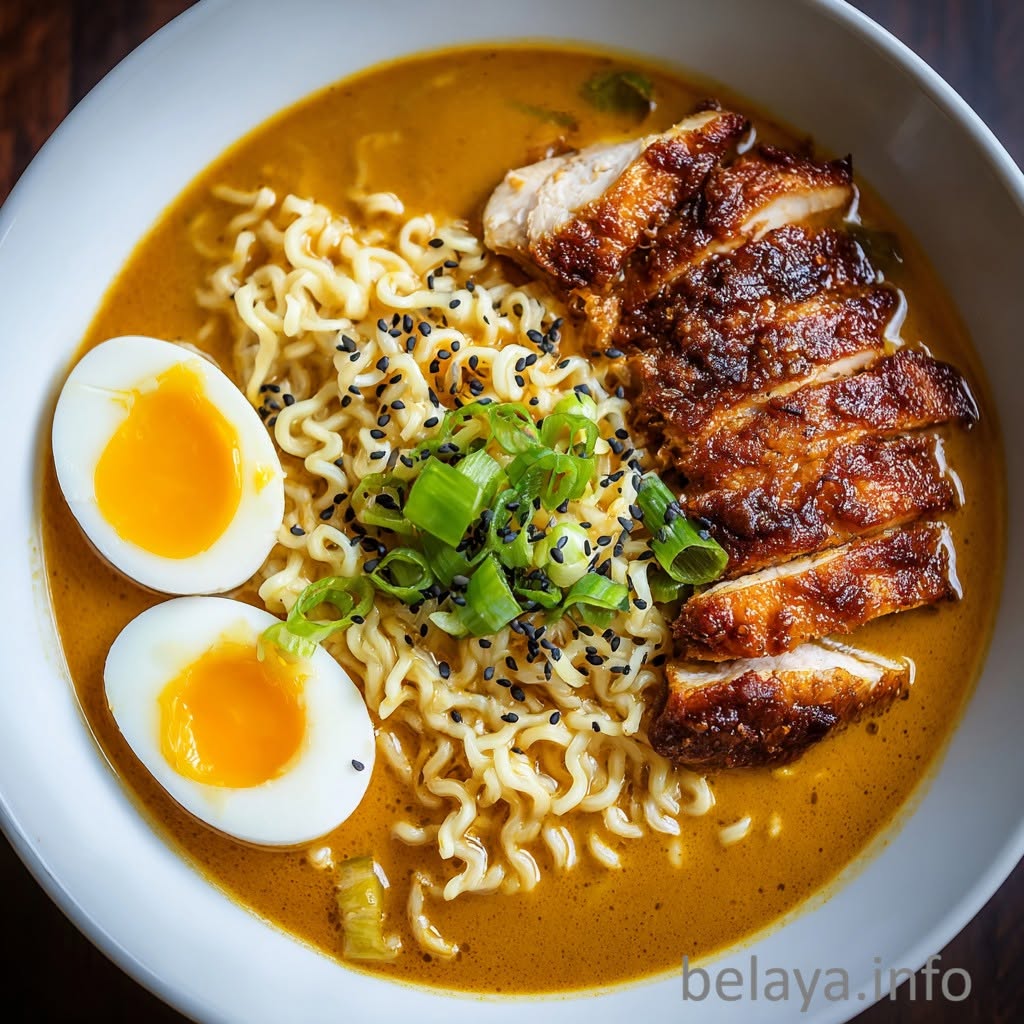
Serve Curry Chicken Ramen as soon as the bowls are assembled. The best version of this dish is enjoyed hot, when the broth is steaming, the noodles still have a springy bite, and the chicken skin is fresh and crisp.
Before eating, take a moment to gently stir the noodles through the curry broth so they become well coated. The broth should cling lightly to the noodles, giving every bite a warm, savory curry flavor.
Enjoy the chicken pieces with both skin and meat in each bite. The crispy skin adds richness, while the tender meat balances the texture of the noodles and broth.
The soft-boiled egg can be eaten as-is or gently broken into the broth. When the yolk mixes with the curry broth, it creates an even richer and silkier taste.
Green onion and sesame seeds should be enjoyed with the broth and noodles, not just as decoration. They add freshness and a light nutty finish that balances the creamy curry flavor.
This ramen is satisfying on its own, but you can serve it with simple sides such as cucumber salad, edamame, pickled vegetables, steamed greens, or gyoza. Since the curry broth is rich, lighter sides work best.
Nutrition Information
Approximate nutrition per serving, based on 2 servings:
Calories: 780 kcal | Total Fat: 39 g | Saturated Fat: 11 g | Monounsaturated Fat: 17 g | Polyunsaturated Fat: 7 g | Cholesterol: 285 mg | Sodium: 1,100–1,600 mg, depending on curry cubes, broth, and added salt | Total Carbohydrates: 62 g | Dietary Fiber: 4 g | Sugars: 7 g | Protein: 45 g
Frequently Asked Questions About This Recipe
What does Curry Chicken Ramen taste like?
Curry Chicken Ramen tastes warm, savory, slightly sweet, and deeply comforting. The Japanese curry broth is rich but not too heavy, while the chicken, egg, noodles, green onion, and sesame seeds make the bowl feel balanced and complete.
Is this ramen spicy?
It depends on the Japanese curry cubes you use. Many Japanese curry cubes are mild and slightly sweet, but some brands offer medium-hot or hot versions. Choose mild curry cubes if you want a family-friendly bowl.
Can I use chicken breast instead of chicken thighs?
Yes, but chicken thighs are better for this recipe because they stay juicier and have more flavor. If using chicken breast, be careful not to overcook it because it can become dry.
Can I make this recipe without eggs?
Yes. The ramen will still be delicious without eggs, but the eggs add richness and make the bowl feel more complete. You can replace them with extra chicken, mushrooms, corn, or vegetables.
What makes this ramen different from regular ramen?
The curry broth makes it different. Instead of a traditional shoyu, miso, or tonkotsu-style broth, this ramen uses Japanese curry cubes to create a thicker, warmer, and more comforting soup base.
Why should I cook the chicken before making the broth?
Cooking the chicken first creates browned bits in the skillet. When broth is added to the same pan, those browned bits dissolve into the liquid and give the curry broth a deeper flavor.
Why do I need to cook the noodles separately?
Cooking the noodles separately keeps the broth from becoming too starchy. It also helps the noodles keep a better texture when served.
How do I keep the chicken skin crispy?
After roasting, flip the chicken skin-side down in the skillet for about 1 minute over medium heat. Serve it soon after slicing so the skin stays crisp.
How do I make the curry cubes dissolve smoothly?
Add the curry cubes to hot broth, remove the skillet from the heat, cover it, and let them soften for a few minutes. Then stir patiently until the broth becomes smooth.
Can I prepare any parts of this recipe ahead of time?
Yes. You can boil and peel the eggs ahead, prepare the broth, and even cook the chicken in advance. For the best texture, cook the ramen noodles fresh right before serving.