Chicken Parmesan
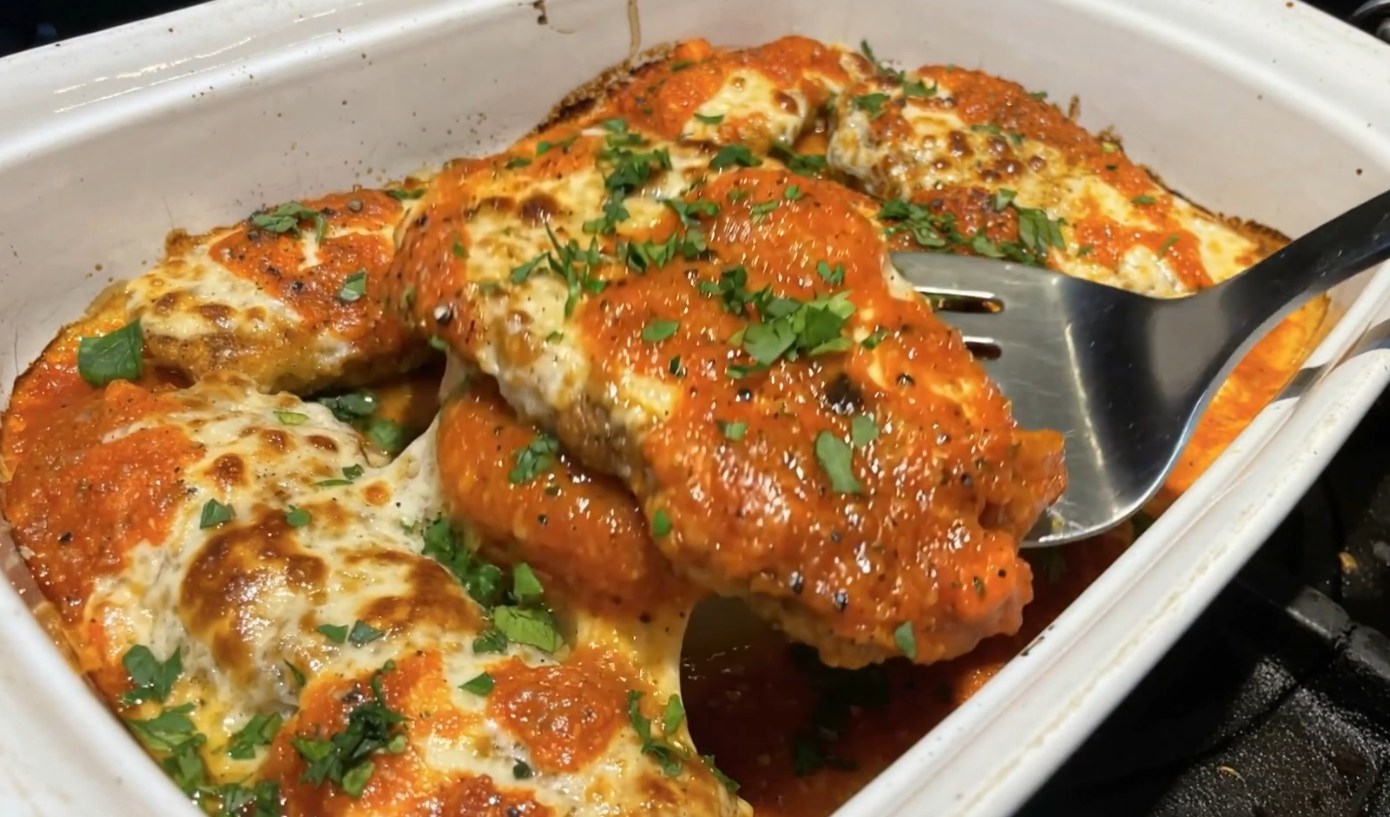
Chicken Parmigiana is a beloved Italian-American dish that combines tender, breaded chicken breasts with a rich tomato sauce and gooey mozzarella cheese. This comforting meal is perfect for any occasion, whether it’s a cozy family dinner or a gathering with friends.
The crispy exterior of the chicken, paired with the savory sauce and melted cheese, creates a harmonious blend of flavors and textures that will have everyone coming back for seconds.
With simple ingredients and straightforward steps, this recipe will guide you to create a restaurant-quality dish right in your own kitchen. Enjoy a slice of Italy with this classic Chicken Parmigiana!
Why People Will Love This Recipe
Rich, restaurant-quality flavor at home – The combination of Marsala wine, mushrooms, and cream creates a luxurious sauce that tastes like it came straight from a classic Italian bistro.
Tender, perfectly cooked chicken – Flattening the chicken ensures even cooking, keeping every piece juicy with a beautifully golden crust.
Deep, balanced sauce – Sweet Marsala, savory mushrooms, and silky cream work together to deliver richness without heaviness.
Comforting yet elegant – This dish feels special enough for guests but comforting enough for a cozy family dinner.
Layered flavor in every bite – Each component—from the seasoned flour to the wine reduction—adds depth and complexity.
Classic, timeless appeal – Chicken Marsala never goes out of style and appeals to a wide range of tastes.
Versatile and pair-friendly – It pairs beautifully with pasta, mashed potatoes, rice, or crusty bread to soak up the sauce.
Impressive presentation with simple steps – Golden chicken, glossy sauce, and mushrooms make the dish look as good as it tastes.
Customizable to taste – Easily adjust sweetness, richness, or mushroom quantity without losing the soul of the recipe.
Pure comfort food satisfaction – Warm, savory, and deeply flavorful, this is the kind of dish people crave again and again.
Key Ingredients
Boneless Chicken Breasts – Pounded thin for even cooking, they become tender and juicy while developing a golden, lightly crisp exterior.
All-Purpose Flour – Lightly coats the chicken, helping it brown beautifully and subtly thickening the sauce as everything comes together.
Marsala Wine (Sweet) – The heart of the dish, adding gentle sweetness, depth, and a signature aroma that defines classic Chicken Marsala.
Brown Mushrooms – Earthy and savory, they absorb the wine and stock, adding richness and a meaty texture to the sauce.
Olive Oil & Butter – This duo balances flavor and browning: olive oil for searing, butter for richness and a silky finish.
Onion & Garlic – Create a savory aromatic base that deepens the sauce without overpowering the Marsala.
Chicken Stock – Adds body and savory balance, preventing the sauce from becoming overly sweet.
Heavy Cream – Brings luxurious texture and smoothness, rounding out the wine and mushrooms into a cohesive, velvety sauce.
Fresh Parsley – A bright, herbal finish that cuts through the richness and adds freshness just before serving.
Expert Tips:
Pound the chicken evenly, not thinly – Aim for an even ½-inch thickness. This ensures juicy meat and prevents the chicken from drying out before the sauce is ready.
Season in layers – Lightly season the chicken before dredging, season the flour, and adjust the sauce at the end. This builds depth instead of relying on salt at one stage.
Shake off excess flour – Too much flour will burn in the pan and make the sauce gummy. A light, even coating gives the best browning and clean flavor.
Don’t overcrowd the pan – Sear the chicken in batches if needed. Crowding traps steam and prevents that golden crust from forming.
Use medium-high heat for searing, then reduce – High heat develops color; lowering the heat afterward keeps the chicken tender and prevents scorching.
Let the Marsala reduce properly – Reducing the wine by half cooks off harsh alcohol notes and concentrates its signature sweetness and aroma.
Slice mushrooms thick – About ½ inch thick keeps them meaty and prevents them from shrinking into softness or releasing too much water.
Add cream after reduction – Stirring in cream too early can mute the wine flavor. Add it after the stock has reduced for a balanced, silky sauce.
Return chicken gently – Once the sauce is finished, simmer the chicken just long enough to warm it through. Overcooking at this stage can toughen it.
Finish with freshness – A final sprinkle of parsley (and even a tiny squeeze of lemon, if desired) brightens the dish and balances the richness.
Chicken Parmesan
Ingredients:
For The Chicken:
2 large eggs
1 tablespoon minced garlic
2 tablespoons fresh chopped parsley
Salt and pepper to season
3 large chicken breasts halved horizontally to make 6 fillets
1 cup Panko breadcrumbs
1/2 cup breadcrumbs (Italian or golden)
1/2 cup fresh grated parmesan cheese
1 teaspoon garlic or onion powder
1/2 cup olive oil for frying
For The Sauce:
1 tablespoon olive oil
1 large onion chopped
2 teaspoons minced garlic
14 ounces (400 g) tomato puree (Passata)
Salt and pepper to taste
1 teaspoon dried Italian herbs
1 teaspoon sugar (optional)
For The Topping:
8 ounces (250 g) mozzarella cheese sliced or shredded
1/3 cup fresh shredded parmesan cheese
2 tablespoons fresh chopped basil or parsley
Instructions:
For The Chicken:
Step 1:
Whisk together eggs, garlic, parsley, salt and pepper in a shallow dish.
Add chicken into the egg, rotating to evenly coat each fillet in the mixture.
Cover with plastic wrap and allow to marinate for at least 15 minutes (or overnight night if time allows for a deeper flavour).
Step 2:
When chicken is ready for cooking, mix bread crumbs, Parmesan cheese and garlic powder together in a separate shallow bowl.
Dip chicken into the breadcrumb mixture to evenly coat.
Step 1:
Preheat oven 430°F | 220°C.
Lightly grease an oven tray (or baking dish) with non stick cooking oil spray; set aside.
Step 3:
Heat oil in a large skillet over medium-high heat until hot and shimmering.
Fry chicken until golden and crispy, (about 4-5 minutes each side).
Step 4:
Place chicken on prepared baking tray / dish and top each breast with about 1/3 cup of sauce (sauce recipe below).
Top each chicken breast with 2-3 slices of mozzarella cheese and about 2 tablespoons parmesan cheese.
Sprinkle with basil or parsley.
Step 5:
Bake for 15-20 minutes, or until cheese is bubbling and melted, and the chicken is completely cooked through.
For The Sauce:
Step 1:
Heat oil in a medium-sized pot.
Fry onion until transparent (about 3 minutes), then add the garlic until fragrant (about 30 seconds).
Step 2:
Add the tomato puree, salt and pepper to taste, Italian herbs and sugar (If using).
Cover with lid to simmer for about 8 minutes, or until sauce has thickened slightly.
Taste test and adjust salt and pepper, if needed.
Important Notes When Making Chicken Parmesan
Marsala choice matters – Use sweet Marsala wine for the classic flavor profile. Dry Marsala will change the balance and make the sauce sharper and less rounded.
Do not skip pounding the chicken – Even thickness is essential for consistent cooking and tenderness. Uneven pieces will cook at different speeds and dry out easily.
Flour is functional, not heavy – The flour coating should be light. It helps with browning and gently thickens the sauce, but too much will make it pasty.
Golden color equals flavor – Proper browning of the chicken creates fond in the pan, which becomes the foundation of the sauce’s depth.
Mushrooms release water first – Let mushrooms cook until their moisture evaporates and they begin to brown. This concentrates their flavor instead of diluting the sauce.
Reduce in stages for balance – Wine first, then stock, then cream. This sequencing ensures the sauce develops complexity rather than tasting flat or overly sweet.
Sauce thickens as it rests – The sauce will continue to thicken slightly after cooking, so avoid reducing it too aggressively in the pan.
Season at the end – Stock, wine, and flour all affect salt perception. Final seasoning should be done only after the sauce is complete.
Best served fresh – Chicken Marsala is at its best right after cooking. Reheating can cause the sauce to separate and the chicken to toughen.
Rich but balanced – This dish is indulgent by design; pairing it with simple sides like pasta, mashed potatoes, or sautéed greens keeps the meal balanced and elegant.
How to Enjoy Chicken Marsala After Cooking
Let the dish rest briefly
Allow the Chicken Marsala to rest for 3–5 minutes after cooking. This helps the sauce settle and cling better to the chicken while keeping everything juicy.
Serve hot, not rushed
Plate the chicken while it’s hot but not boiling. This lets the aromas of the Marsala wine and mushrooms fully bloom and makes the flavors more pronounced.
Spoon extra sauce generously
The sauce is the star—make sure each piece of chicken is well-coated, and add extra mushrooms and sauce over the top for maximum flavor.
Choose the right side dishes
Serve with mashed potatoes, buttered pasta, rice, or creamy polenta to soak up the sauce. Lightly sautéed greens or steamed vegetables add balance.
Add a final touch of freshness
A sprinkle of fresh parsley (or a very small squeeze of lemon, if desired) brightens the richness and keeps the dish from feeling heavy.
Pair with a complementary drink
A glass of Marsala, Pinot Grigio, or Chardonnay pairs beautifully. For a non-alcoholic option, sparkling water with lemon works well.
Enjoy slowly, bite by bite
This is a comfort-forward dish meant to be savored. Each forkful should include chicken, mushrooms, and sauce together.
Keep leftovers gentle
If reheating, do so slowly over low heat, adding a splash of stock or cream to loosen the sauce and prevent separation.
Avoid overpowering accompaniments
Skip strongly flavored sides or sauces that compete with the Marsala’s sweetness and mushroom earthiness.
Appreciate the classic balance
Chicken Marsala shines because of its harmony—rich yet smooth, savory yet slightly sweet. Take a moment to enjoy how each element works together.
Nutrition Information:
Assumption: values are per 1 serving (recipe serves ~4), using sweet Marsala, olive oil, butter, and heavy cream as listed.
Calories: 620–680 kcal | Total Fat: 34–38 g | Saturated Fat: 13–16 g | Monounsaturated Fat: 16–19 g | Polyunsaturated Fat: 3–4 g | Cholesterol: 180–210 mg | Sodium: 750–900 mg (depending on added salt and stock) | Total Carbohydrates: 20–24 g | Dietary Fiber: 2–3 g | Sugars: 6–8 g | Protein: 42–46 g
Frequently Asked Questions:
Can I use dry Marsala wine instead of sweet Marsala?
Yes, but the flavor will change. Dry Marsala makes the sauce more savory and less rounded. If using dry Marsala, consider adding a small splash of cream or a pinch of sugar to balance the acidity.
Can I make Chicken Marsala ahead of time?
You can prepare it a few hours ahead, but it’s best served fresh. If making ahead, slightly undercook the chicken and gently reheat over low heat with a splash of stock or cream to prevent drying out.
What mushrooms work best for this recipe?
Brown mushrooms (cremini) are ideal because they have deeper flavor than white mushrooms. You can also use a mix with baby bella or porcini for extra earthiness.
How do I keep the sauce from separating?
Use moderate heat when adding cream and avoid boiling the sauce. Gentle simmering keeps the sauce smooth and cohesive.
Can I make this recipe without cream?
Yes. You can omit the cream for a lighter, more traditional version by increasing the stock slightly and letting the sauce reduce until glossy.
Why should the chicken be flattened before cooking?
Flattening the chicken ensures even thickness, which allows it to cook uniformly. This prevents dry edges and undercooked centers while helping the chicken stay tender and juicy.
How do I avoid burning the garlic in the pan?
Cook the garlic over medium or medium-low heat and stir constantly. Garlic burns quickly, so it should soften and release aroma without turning brown.
When is the right moment to add the Marsala wine?
Add the Marsala after the mushrooms have softened and released their moisture. This allows the wine to deglaze the pan and dissolve the flavorful browned bits from the chicken.
How do I know when the sauce is properly reduced?
The sauce should coat the back of a spoon and leave a clear line when you run your finger through it. It should look glossy, not watery or overly thick.
What’s the biggest mistake to avoid while cooking Chicken Marsala?
Rushing the reduction steps. Skipping proper reduction of the wine and stock leads to a flat, thin sauce instead of a rich, balanced one.