Capretto al Forno (Roast Kid Goat)
Capretto al Forno is a timeless celebration of rustic Italian cooking, where patience and simplicity allow the natural character of the ingredients to shine.
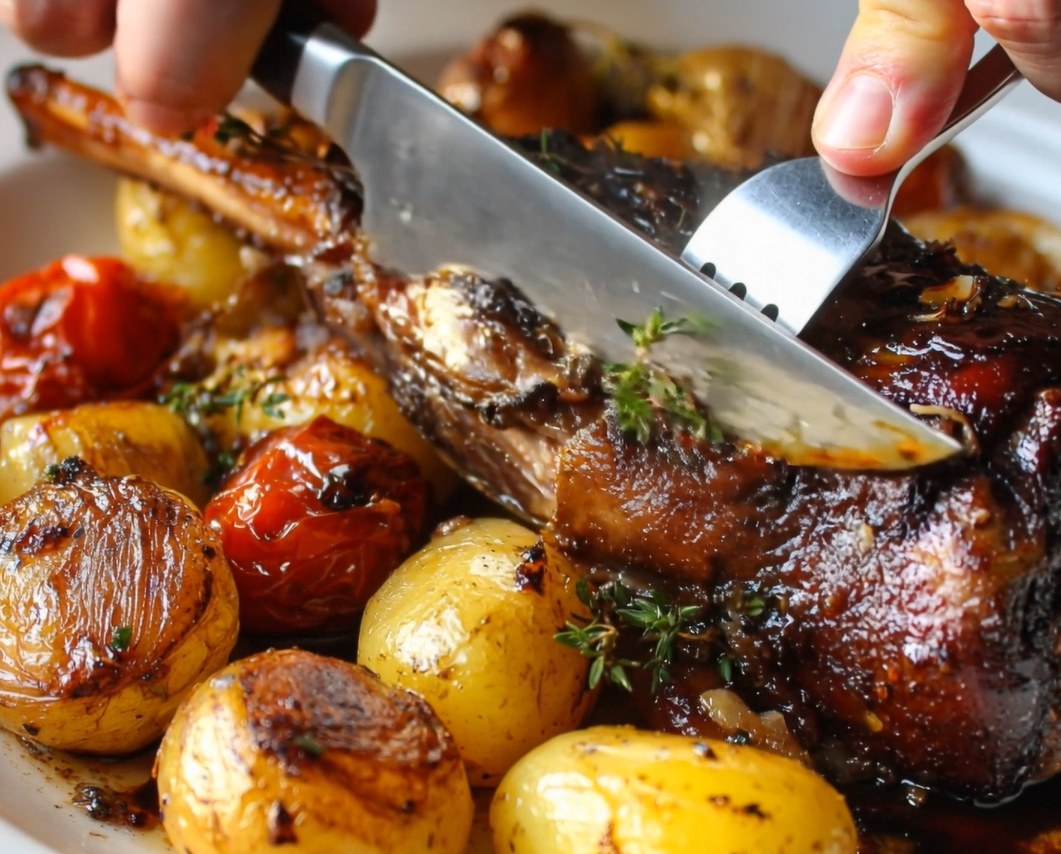
Tender kid goat is slowly roasted with herbs, olive oil, and vegetables, developing deep, earthy flavors and a beautifully golden exterior.
This dish reflects the soul of countryside kitchens—honest, hearty, and deeply satisfying—often reserved for special gatherings and meaningful family meals, where the aroma alone tells a story of tradition and care.
Why People Will Love Capretto al Forno (Roast Kid Goat):
Authentic rustic flavor: It captures the true essence of traditional Italian countryside cooking, where simple techniques bring out deep, natural flavors.
Naturally rich without heaviness: Slow roasting allows the goat’s delicate, slightly sweet flavor to develop without relying on heavy sauces or spices.
Perfect balance of meat and vegetables: The potatoes and onions absorb the savory juices, becoming just as flavorful as the meat itself.
Herb-driven aroma: Fresh rosemary and oregano perfume the dish, creating an irresistible, comforting scent while it roasts.
Celebratory yet simple: Often served for special occasions, it feels meaningful and festive while remaining straightforward to prepare.
Lean but satisfying: Goat meat is lighter than many other red meats, offering richness without feeling overly heavy.
Slow-cooked tenderness: Proper roasting transforms a lean cut into meat that is tender, juicy, and deeply satisfying.
Rooted in tradition: This dish tells a story of heritage, patience, and family-style cooking that resonates beyond the plate.
Key Ingredients:
Kid goat meat: Naturally lean and delicately flavored, it develops depth and tenderness through slow roasting, allowing its subtle sweetness to shine.
Potatoes: Roasted alongside the meat, they absorb the savory juices and herbs, becoming rich, golden, and deeply comforting.
Onion: Slowly caramelizes in the oven, adding natural sweetness and complexity to the roasting pan.
Fresh rosemary and oregano: These classic Mediterranean herbs infuse the dish with earthy, aromatic notes that define its rustic character.
Extra-virgin olive oil: Enhances moisture, encourages even browning, and ties together the flavors with gentle fruitiness.
White wine or broth: A small splash keeps the meat juicy while adding subtle acidity and depth to the pan juices.
Salt and freshly ground black pepper: Simple seasoning that sharpens and elevates every natural flavor without overpowering the dish.
Expert Tips:
Choose young goat when possible: Kid goat meat is more tender and mild than older goat, making it ideal for roasting and delivering a cleaner, more delicate flavor.
Cut for even cooking: Keep the meat pieces similar in size so they roast uniformly and finish at the same time.
Season generously but simply: Goat benefits from salt, pepper, and fresh herbs—avoid overpowering spices that mask its natural taste.
Massage the oil and herbs in: Rubbing the olive oil and herbs directly into the meat helps the flavors penetrate and promotes even browning.
Give the pan space: Arrange the meat in a single layer with room between pieces; overcrowding causes steaming instead of roasting.
Turn once, not often: Flip the meat halfway through to develop a deep, even crust without losing juices.
Watch moisture carefully: Goat is lean, so add a small splash of wine or broth if the pan dries out to prevent toughness.
Roast low and steady: Maintain a consistent oven temperature to slowly tenderize the meat rather than rushing the process.
Rest before serving: Let the roasted goat rest for 5–10 minutes so the juices settle back into the meat for maximum tenderness.
Capretto al Forno (Roast Kid Goat)
Ingredients
Kid goat meat – 1 kg, cut into roasting pieces
Potatoes – 500 g, peeled if desired and cut into chunks
Onion – 1 medium (about 150 g), thinly sliced
Garlic – optional, lightly crushed or sliced
Fresh rosemary and oregano – to taste
Extra-virgin olive oil – for coating and roasting
Salt and freshly ground black pepper – to taste
Dry white wine or broth – a small splash, as needed
Instructions:
Step 1: Prepare the Meat
Cut the kid goat meat into medium-sized pieces for even roasting.
Step 2: Season Thoroughly
Place the meat in a bowl and toss with olive oil, rosemary, oregano, salt, and freshly ground pepper until well coated.
Add garlic if using.
Step 3: Assemble the Pan
Spread the sliced onion and potatoes in a roasting pan, then arrange the seasoned goat pieces evenly on top.
Step 4: Begin Roasting
Roast in a preheated oven at 375°F (190°C).
Step 5: Turn and Moisten
Halfway through cooking, turn the meat pieces to ensure even browning.
If the pan looks dry, add a small splash of white wine or broth.
Step 6: Finish Roasting
Continue roasting for 1 to 1½ hours, until the meat is golden, tender, and cooked through and the potatoes are soft and lightly crisped.
Final Tip:
Goat meat is naturally lean, so avoid overcooking. A little added liquid during roasting helps keep the meat juicy and flavorful.
Important Notes When Making Capretto al Forno Successfully
Goat meat behaves differently than lamb or beef: It is leaner and cooks faster once tender, so close attention is needed to avoid dryness.
Do not skip the resting step: Resting after roasting is essential for redistributing juices and preserving tenderness.
Herbs should stay simple: Rosemary and oregano are traditional and sufficient—adding too many herbs can overwhelm the natural flavor of the meat.
Pan dryness is a warning sign: If the roasting pan becomes dry, the meat can toughen quickly; add liquid immediately in small amounts.
Potato size affects timing: Cut potatoes evenly so they cook through at the same rate as the meat.
Color develops late: Golden browning often appears toward the end of roasting, so resist raising the heat too early.
Freshness matters: Fresh goat meat and fresh herbs make a noticeable difference in flavor and aroma.
Season gradually: Taste and adjust seasoning near the end rather than oversalting early.
This dish rewards patience: Rushing the roasting process compromises both texture and depth of flavor.
How to Enjoy Capretto al Forno After Cooking
Let the meat rest properly:
After removing the pan from the oven, allow the goat to rest for 5–10 minutes. This step is essential for locking in juices and ensuring each bite is tender and flavorful.
Remove and arrange thoughtfully:
Transfer the meat and potatoes to a warm serving platter. Arrange them loosely to showcase the golden crust and roasted vegetables without crowding.
Spoon over the pan juices:
Drizzle the aromatic roasting juices over the meat just before serving. This adds moisture, enhances flavor, and ties all the elements together.
Serve hot, not rushed:
Capretto al Forno is best enjoyed hot, but not piping. Allowing it to cool slightly helps the flavors settle and become more pronounced.
Pair with simple sides:
Complement the dish with lightly dressed greens, crusty bread, or grilled vegetables to balance the richness without distracting from the main flavors.
Use bread to capture flavor:
Rustic bread is perfect for soaking up the herb-infused pan juices—often considered the most prized part of the dish.
Enjoy slowly and communally:
This dish is meant to be shared. Serve family-style and savor the contrast of tender meat, crisp edges, and soft, flavorful potatoes.
Leftovers, gently reheated:
Reheat leftovers slowly with a splash of broth or water, covered, to maintain moisture and prevent the meat from becoming tough.
Appreciate the tradition:
Take a moment to enjoy the simplicity and heritage behind the dish—it’s as much about the experience as it is about the flavor.
Nutrition Information (per serving)
Approximate values; may vary based on portion size, amount of olive oil used, and added potatoes
Calories: 520–580 kcal | Total Fat: 28–32 g | Saturated Fat: 7–9 g | Monounsaturated Fat: 16–18 g | Polyunsaturated Fat: 3–4 g | Cholesterol: 95–115 mg | Sodium: 600–850 mg (depending on added salt and broth/wine) | Total Carbohydrates: 30–35 g | Dietary Fiber: 4–5 g | Sugars: 3–5 g | Protein: 45–50 g
Frequently Asked Questions
What does kid goat meat taste like in this dish?
Kid goat has a mild, slightly sweet flavor that is gentler than lamb and less intense than mature goat. Slow roasting keeps it tender and clean-tasting.
Can I substitute another meat if goat is unavailable?
Yes. Lamb shoulder or young lamb leg can be used as a substitute, though the flavor will be richer and the meat slightly fattier than goat.
How do I prevent the meat from drying out while roasting?
Roast at a steady temperature, turn the meat halfway through, and add small splashes of wine or broth if the pan becomes dry.
Is marinating the goat necessary?
It’s not required, but seasoning the meat 30–60 minutes before roasting helps the herbs and salt penetrate for deeper flavor.
Can this dish be made ahead of time?
Yes. It can be cooked earlier in the day and gently reheated with a little added liquid. The flavors often deepen after resting.
Should the goat meat be bone-in or boneless?
Bone-in pieces are preferred because they add flavor and help the meat stay moist during roasting, but boneless pieces can be used if monitored closely.
Do I need to cover the pan while roasting?
No. Roasting uncovered allows proper browning. Cover only briefly if the meat is browning too quickly before becoming tender.
When is the best time to add wine or broth?
Add it only when the pan begins to dry, usually midway through cooking, to preserve moisture without diluting flavor.
How can I tell when the goat is tender enough?
The meat should pull away easily with a fork but still hold its shape. If it resists, continue roasting gently.
Can I adjust the oven temperature for faster cooking?
It’s not recommended. Higher heat can toughen goat meat. A steady, moderate temperature ensures tenderness and even cooking.