Black Butter
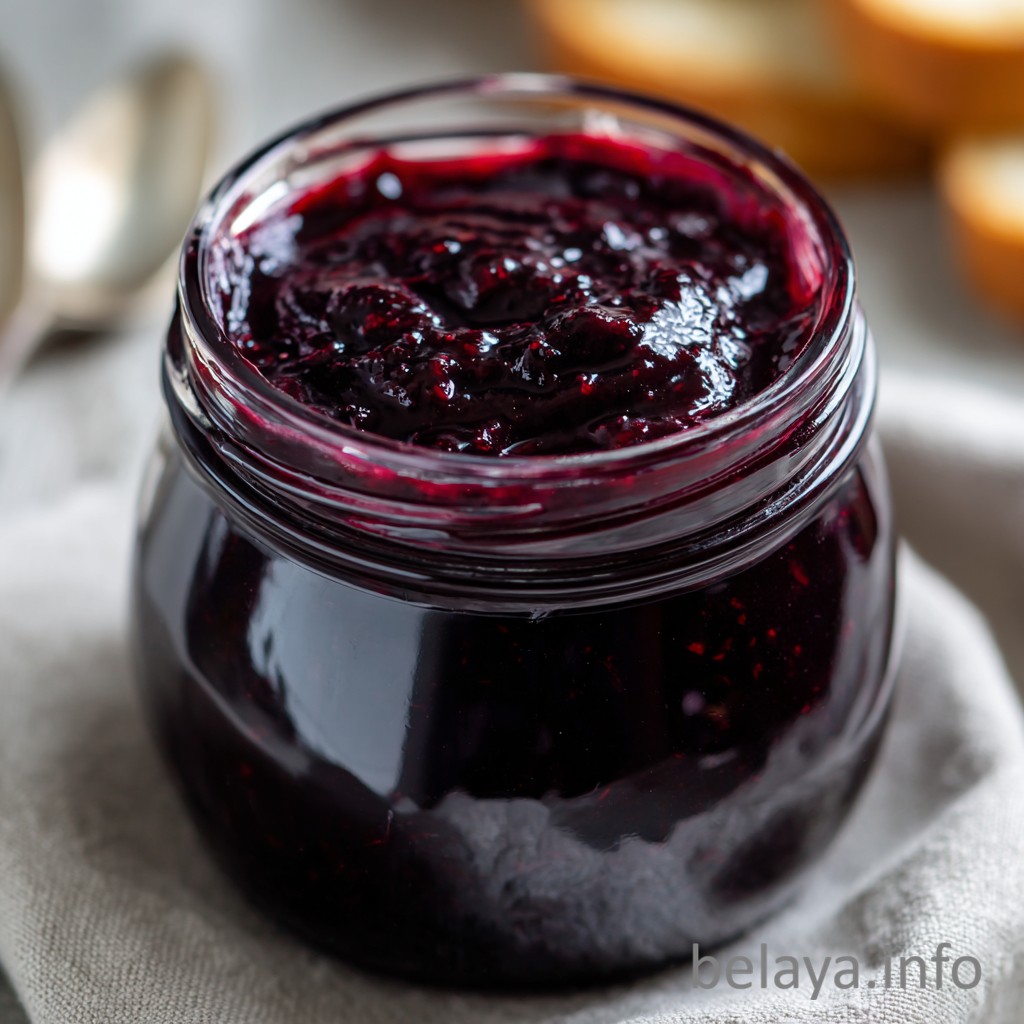
Black Butter is a beautifully simple preserve that transforms fresh fruit into something deeply rich, dark, and concentrated. Through slow cooking, the natural sugars in berries or cherries intensify, creating a thick, glossy spread with a bold, almost caramelized depth.
What makes this recipe special is its purity—just fruit and sugar, yet the result feels complex and luxurious. As the mixture reduces, the flavors deepen and darken, developing a richness that goes far beyond typical jam.
This is the kind of recipe that celebrates patience and simplicity, turning humble ingredients into a spread that feels both rustic and refined, perfect for savoring in small, meaningful bites.
Why People Will Love This Black Butter
Deep, Concentrated Fruit Flavor
As the fruit slowly cooks down, its natural sweetness intensifies into a rich, almost jammy essence. The flavor becomes bold, layered, and far more complex than fresh fruit alone.
Naturally Caramelized Depth
The long simmer creates subtle caramel-like notes without adding anything extra. This gives the spread a darker, more sophisticated taste that feels both rustic and refined.
Minimal Ingredients, Maximum Impact
With just fruit and sugar, this recipe proves that simplicity can create something extraordinary. No additives, no fillers—just pure, honest flavor.
Perfectly Thick, Luxurious Texture
The slow reduction creates a smooth, glossy consistency that spreads beautifully on bread, pastries, or even desserts.
Balanced Sweetness with Natural Brightness
The fruit’s natural acidity balances the sugar, preventing it from becoming overly sweet. Each bite feels vibrant, not heavy.
Incredibly Versatile
Enjoy it on toast, swirl it into yogurt, pair it with cheese, or use it as a filling for pastries. It adapts to both sweet and slightly savory pairings.
Preserves the Essence of the Fruit
Unlike heavily processed spreads, this keeps the true character of the fruit intact—just more concentrated and intensified.
Timeless, Traditional Feel
This recipe connects to old-fashioned preserving methods, giving it a sense of history and authenticity that many modern recipes lack.
Stores Well for Future Enjoyment
Once made, it can be kept and enjoyed over time, making it both practical and rewarding.
Comforting Yet Elegant
It feels cozy and homemade, yet its deep flavor makes it suitable even for more refined pairings or presentations.
Customizable to Your Favorite Fruit
Whether you use berries, currants, or cherries, each version brings its own unique flavor profile—making the recipe endlessly adaptable.
Key Ingredients
Berries / Currants / Cherries – The Soul of the Recipe
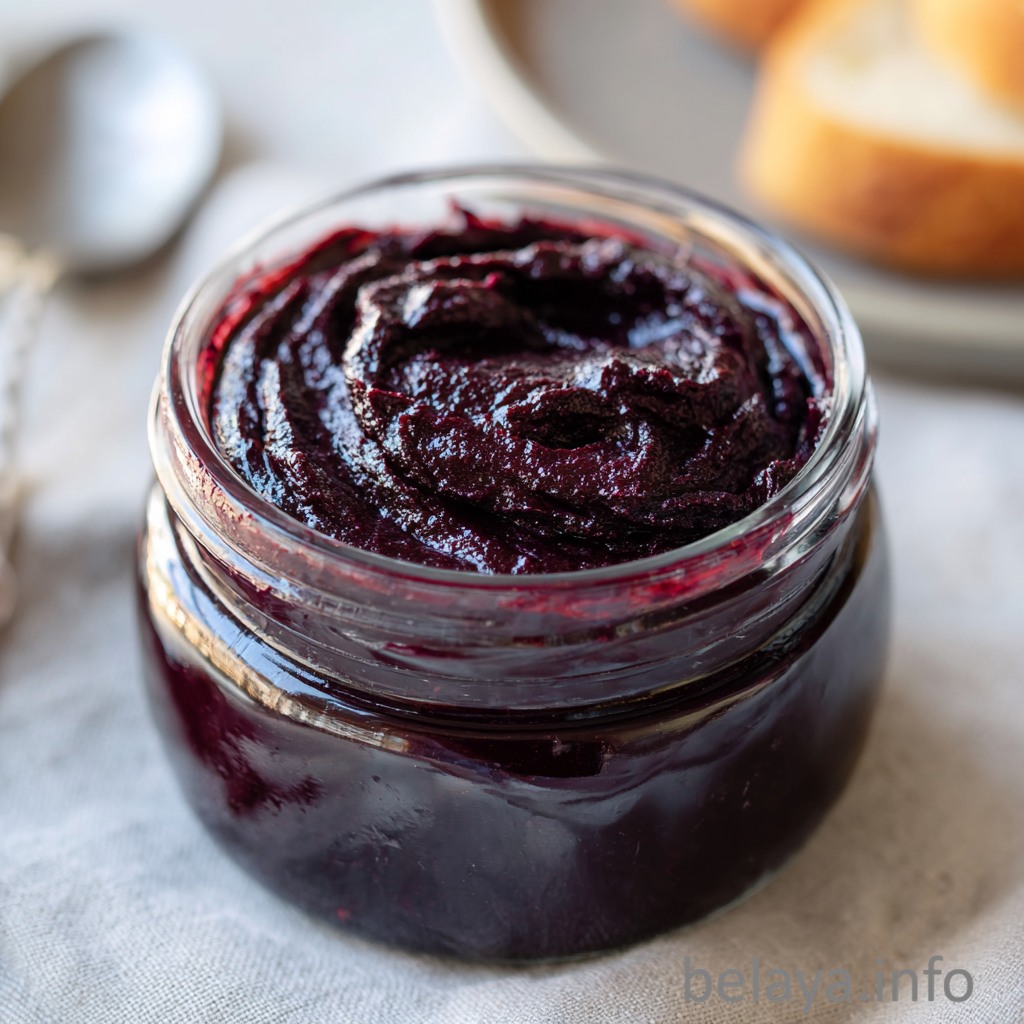
The fruit is everything here. As it cooks down, its natural sugars concentrate while its acidity sharpens, creating a deep, layered flavor. Different fruits bring different personalities—berries are bright and juicy, currants more tart and intense, and cherries rich and slightly sweet.
Granulated Sugar – The Transformer
Sugar doesn’t just sweeten—it draws out moisture, helps break down the fruit, and enables the thick, jam-like texture. As it cooks, it also contributes to the subtle caramelized depth that defines black butter.
Heat – The Invisible Ingredient
Slow, steady heat is what transforms simple fruit into something dark and concentrated. It allows flavors to deepen gradually without burning, creating that signature rich, almost “cooked-down” intensity.
Natural Fruit Juices – Built-In Liquid Base
No added liquid is needed because the fruit releases its own juices during cooking. These juices carry the flavor and reduce over time into a thick, glossy consistency.
Time – The Flavor Builder
Time is essential. As the mixture reduces, water evaporates and flavor concentrates. This process turns a simple mixture into something bold, dense, and deeply satisfying.
Expert Tips:
Control Heat Carefully (Low and Steady Wins)
Keep the heat at a gentle simmer, not a rapid boil. High heat can scorch the sugars and create bitterness, while slow cooking develops a deep, rich flavor.
Stir More Frequently as It Thickens
Early on, occasional stirring is fine—but as the mixture reduces, stir more often. Thicker mixtures are more likely to stick and burn at the bottom.
Choose Ripe, Flavorful Fruit
The final result depends entirely on the fruit quality. Use ripe, fragrant fruit for the best natural sweetness and depth—this recipe has nothing to hide behind.
Adjust Sugar Based on Fruit Type
Tart fruits (like currants) may need slightly more sugar, while sweeter fruits (like cherries) may need less. Taste and adjust early in the cooking process.
Watch the Reduction, Not Just the Time
The goal is about ¼ of the original volume, not a fixed cooking time. Different fruits release different amounts of liquid, so rely on visual cues.
Use the Spoon Test for Doneness
Dip a spoon into the mixture—if it coats the back and slowly drips off in thick drops, it’s ready. You can also run your finger across the spoon; if it leaves a clear line, it’s done.
Don’t Over-Reduce
It will continue to thicken as it cools. If you cook it too long, it can become overly dense or sticky once cooled.
Balance Flavor if Needed
If the mixture tastes too sweet or heavy, a small splash of lemon juice can brighten and balance the flavor.
Use a Wide Pan for Better Evaporation
A wider saucepan allows more surface area, helping the liquid evaporate faster and more evenly.
Cool Completely Before Judging Texture
The true consistency appears after cooling. What looks slightly loose when hot will firm up into a spreadable texture.
Embrace the Darkening Process
Don’t be alarmed as the color deepens—it’s a sign of flavor development. That darker hue is what gives black butter its signature richness.
Black Butter
Ingredients
1 pound berries, currants, or cherries
1/2 pound granulated sugar
Instructions
Combine Ingredients
Place the berries (or currants/cherries) and sugar into a large saucepan.
Start Cooking
Set the pan over medium heat and bring the mixture to a gentle boil, stirring occasionally to prevent sticking.
Simmer and Reduce
Once boiling, lower the heat to a simmer. Continue cooking, stirring from time to time, until the sugar fully dissolves and the mixture thickens.
The fruit will soften and break down, and the liquid will reduce to about one-quarter of its original volume (this takes roughly 15–25 minutes).
Check Consistency
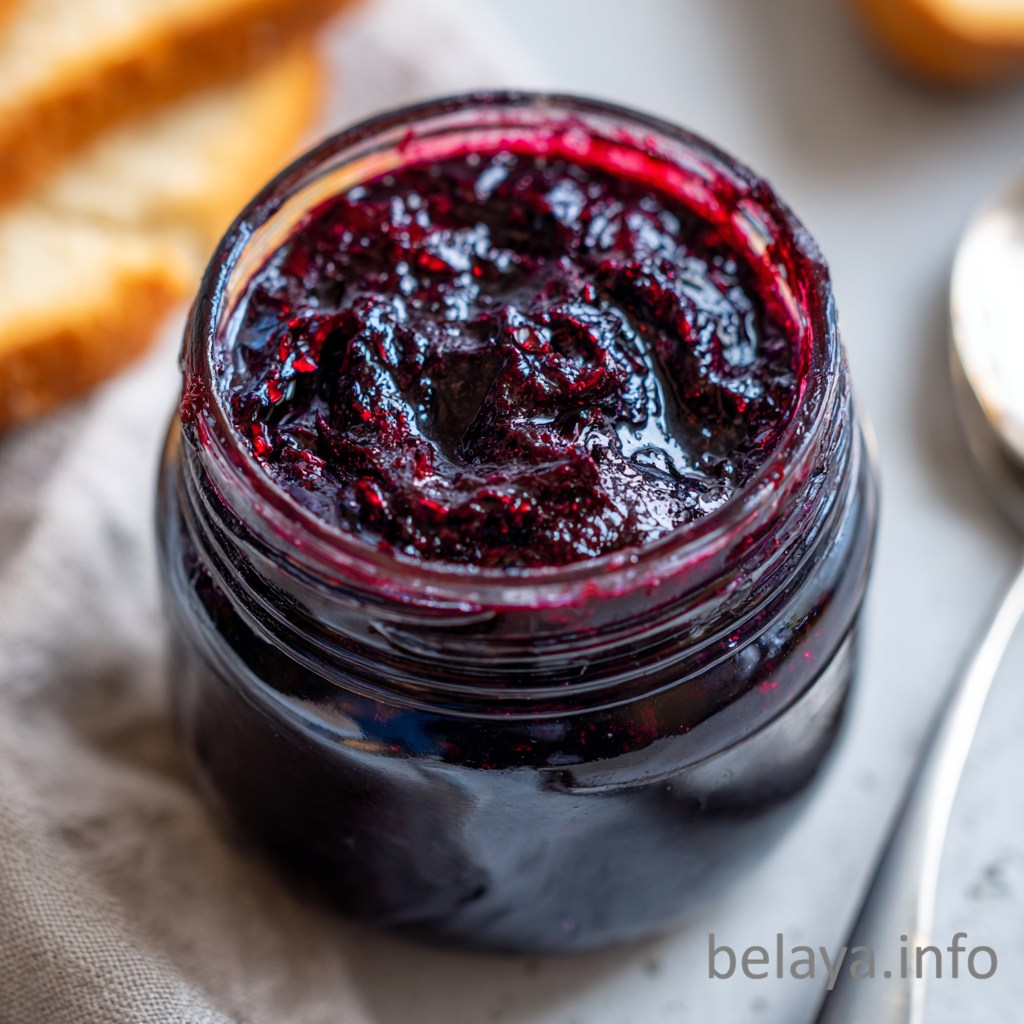
The final texture should resemble a thick, jam-like spread with concentrated flavor.
Cool Before Serving
Remove from heat and allow it to cool completely. It will continue to thicken slightly as it cools.
Important Notes When Making Black Butter
Heat Control Determines Flavor Quality
Too high heat can quickly burn the sugars and create a bitter taste. This recipe depends on slow, steady reduction to build depth without scorching.
Fruit Choice Directly Shapes the Final Taste
Since there are only two main ingredients, the type and quality of fruit matter enormously. Tart fruits create a sharper, more intense result, while sweeter fruits produce a smoother, milder spread.
Sugar Is Not Just for Sweetness
Sugar stabilizes the mixture, helps it thicken, and preserves it. Reducing it too much can affect both texture and shelf life.
Reduction Is the Core Transformation
The goal is not just cooking—it’s concentrating. As water evaporates, flavors intensify. Stopping too early results in a thin spread; too late makes it overly thick or sticky.
Texture Changes After Cooling
The mixture will appear looser when hot and thicken significantly as it cools. Always judge the final texture after cooling, not during cooking.
Balance Between Sweet and Tart Must Be Maintained
If the mixture feels too sweet, it may lack brightness. A slight natural acidity from the fruit (or a touch of lemon if needed) keeps the flavor lively.
Timing Is Flexible, Not Fixed
Different fruits release different amounts of liquid, so cooking time can vary. Focus on visual and texture cues rather than strictly following minutes.
Overcooking Can Ruin Texture
Cooking too long can lead to a stiff, overly dense spread that’s difficult to use. It may also darken too much and develop a slightly bitter edge.
Storage Depends on Proper Consistency
If the mixture is too thin, it won’t store well; if properly reduced, it keeps better and maintains its texture over time.
Wide Pan Improves Results
Using a wide saucepan allows faster, more even evaporation, leading to better control over the final consistency.
Rustic Appearance Is Part of the Charm
Black butter is not meant to be perfectly smooth or uniform. Its slightly uneven texture reflects its homemade, traditional nature.
How to Enjoy Black Butter
Let It Cool Completely First
Black butter reaches its true texture after cooling. Once cooled, it becomes thicker, smoother, and more spreadable—this is when the flavor is at its best.
Spread on Warm Bread for the Ultimate Experience
Try it on freshly toasted bread, biscuits, or croissants. The warmth softens the spread slightly, allowing it to melt just enough and release its deep, concentrated aroma.
Pair with Cheese for a Sweet–Savory Contrast
Serve alongside soft cheeses like brie or cream cheese, or even sharper cheeses like cheddar. The rich fruit flavor balances beautifully with creamy or salty elements.
Use as a Topping for Breakfast or Dessert
Add a spoonful to yogurt, oatmeal, pancakes, or waffles. It instantly elevates simple dishes with a burst of rich, fruity depth.
Incorporate into Desserts
Use it as a filling for pastries, layer it into cakes, or swirl it into cheesecake. Its thick consistency makes it perfect for baking applications.
Pair with Coffee or Tea
The deep, slightly caramelized fruit notes pair wonderfully with warm beverages, enhancing both the drink and the spread.
Enjoy in Small Portions
Because the flavor is concentrated, a little goes a long way. Small amounts deliver a rich, satisfying experience without overwhelming sweetness.
Adjust Temperature for Different Experiences
At room temperature: softer, more aromatic, easier to spread
Slightly chilled: firmer, more structured texture
Choose based on how you prefer to enjoy it.
Serve as Part of a Shared Spread
Include it on a breakfast table or charcuterie board. Its bold flavor makes it a standout addition that complements many foods.
Store Properly for Ongoing Enjoyment
Keep in an airtight container in the refrigerator. Take out a portion as needed and let it sit briefly before serving for best texture.
Slow Down and Savor the Flavor
This isn’t just a sweet spread—it’s a concentrated expression of fruit. Take your time to enjoy its depth, richness, and subtle complexity.
Nutrition Information:
YIELDS: about 1½–2 cups of black butter (≈ 12–16 servings)
Serving size: about 1–2 tablespoons per serving
Calories: 120–150 kcal | Total Fat: 0–0.5 g | Saturated Fat: 0 g | Monounsaturated Fat: 0 g | Polyunsaturated Fat: 0 g | Cholesterol: 0 mg | Sodium: 0–5 mg | Total Carbohydrates: 30–36 g | Dietary Fiber: 1–2 g | Sugars: 26–32 g | Protein: 0–1 g
Nutrition Information:
What is “black butter” and why is it darker than regular jam?
It’s all about reduction and concentration.
Black butter is cooked longer than typical jam, allowing sugars to caramelize slightly and the fruit to darken naturally, creating a deeper color and richer flavor.
Can I use frozen fruit instead of fresh?
Yes, but with a small adjustment.
Frozen fruit releases more water, so the cooking time may be slightly longer to reach the same thick consistency.
How do I know when the black butter is ready?
Look for thickness and texture, not just time.
It should reduce significantly (about ¼ of original volume) and coat the back of a spoon with a thick, glossy consistency.
How long does black butter last and how should I store it?
It stores well when handled properly.
Keep it in an airtight container in the refrigerator for up to 1–2 weeks. For longer storage, freezing is a good option.
Can I adjust the sweetness of the recipe?
Yes, but carefully.
You can reduce the sugar slightly, especially if using naturally sweet fruit. However, too little sugar may affect both texture and preservation.
Why is my mixture taking longer to thicken than expected?
Different fruits release different amounts of liquid.
Berries, cherries, and currants vary in water content, so reduction time can change. Focus on thickness and volume reduction rather than strictly following the clock.
How do I prevent the mixture from burning as it thickens?
Lower the heat and stir more frequently.
As the mixture thickens, sugars concentrate and can stick to the bottom. Switch to low heat and stir often, especially near the end.
Do I need to mash or blend the fruit while cooking?
Usually no—the heat does the work.
The fruit naturally breaks down as it cooks. If you prefer a smoother texture, you can lightly mash or blend near the end.
What’s the best way to check if it has reached the right consistency?
Use the spoon or “line” test.
Dip a spoon in the mixture—if it coats the back and a finger swipe leaves a clean line, it’s ready. It should drip slowly, not run.
Can I speed up the cooking process by increasing the heat?
It’s not recommended.
Higher heat can cause uneven cooking and burning, leading to a bitter taste. Slow reduction is essential for developing the deep, rich flavor.