Carne Adovada
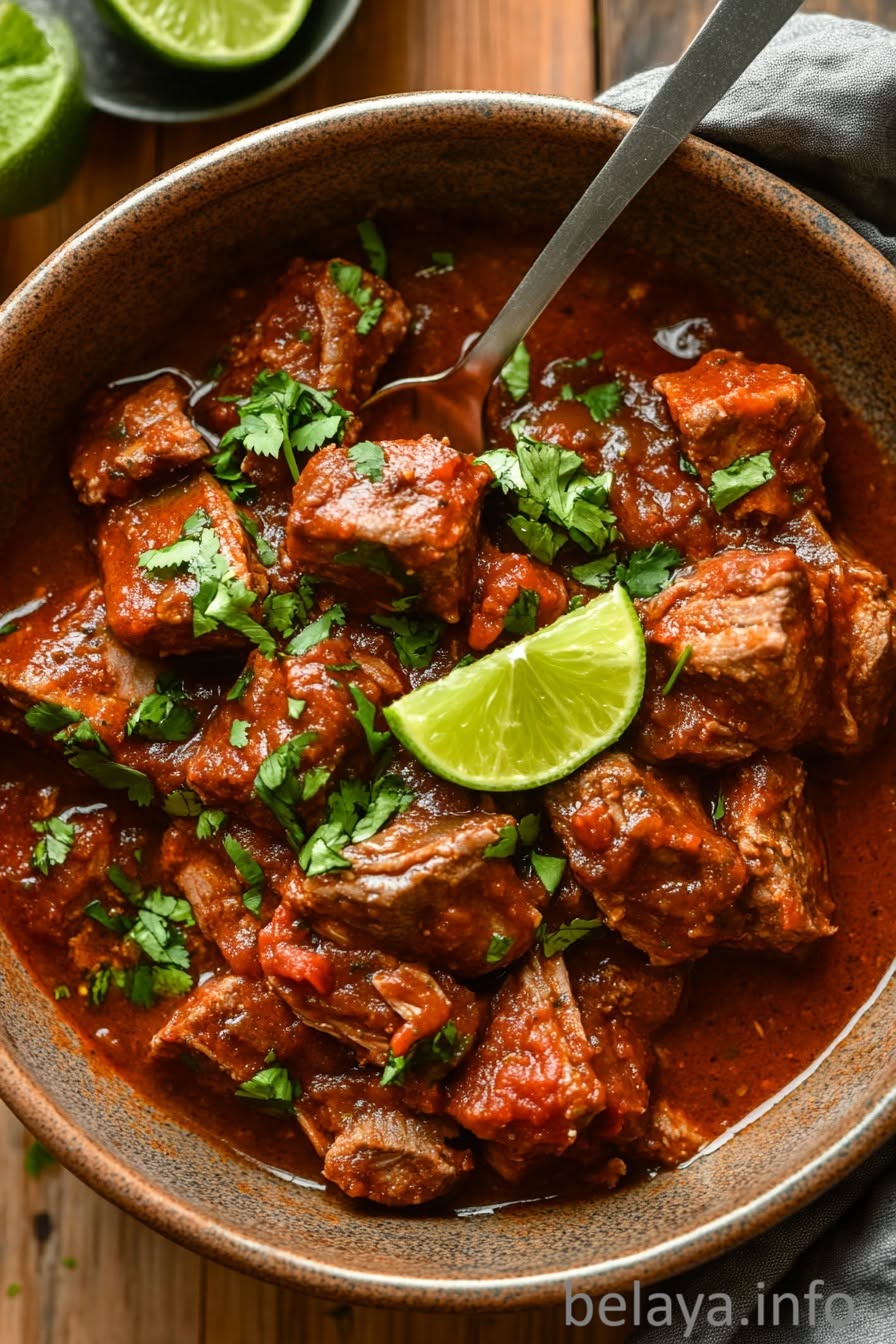
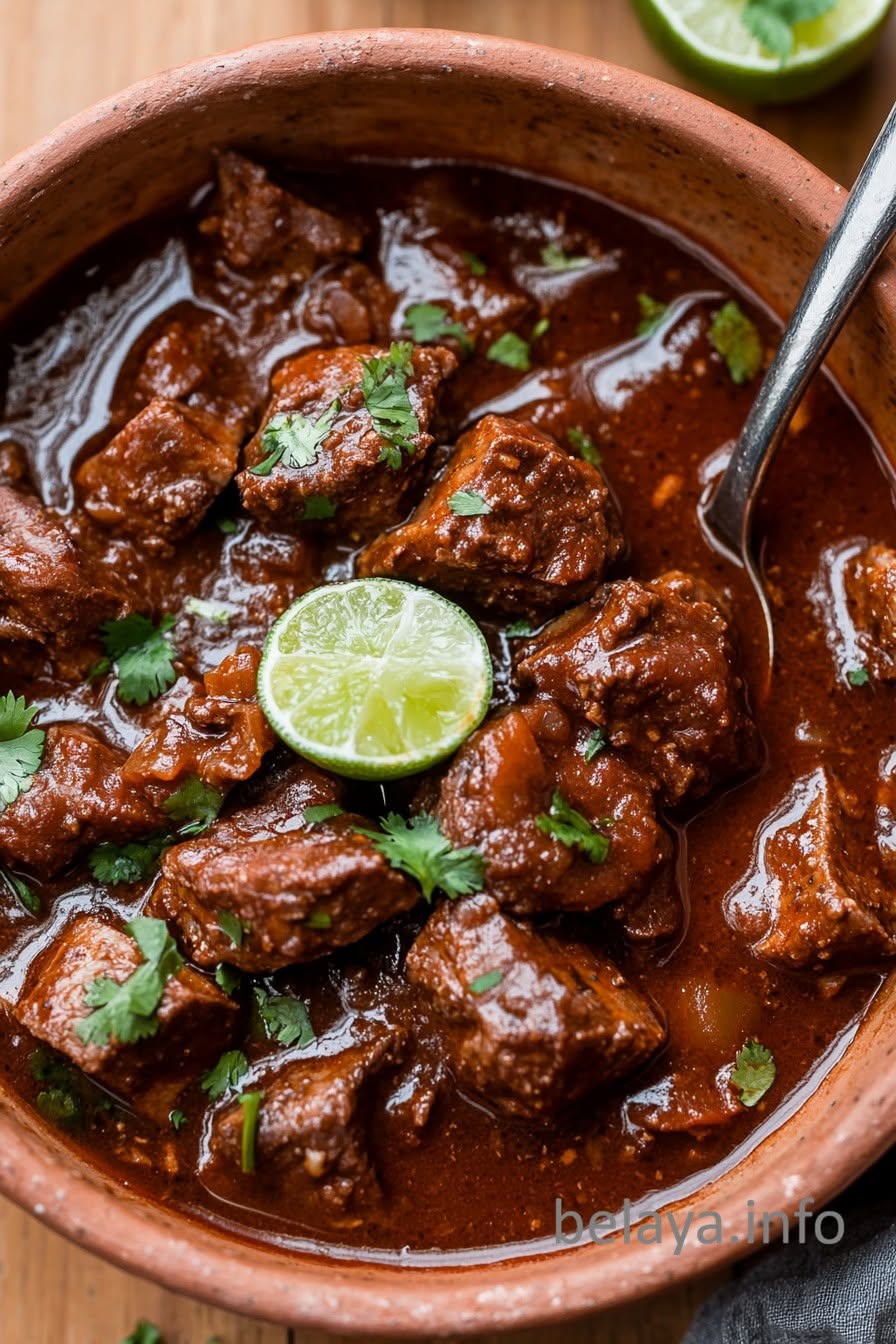
Carne Adovada is a deeply flavorful New Mexico-style pork dish made with tender chunks of pork shoulder slowly simmered in a rich red chile sauce. The sauce is built from toasted ancho and guajillo chiles, garlic, vinegar, oregano, cumin, thyme, and a touch of sugar, creating a bold balance of smoky, earthy, tangy, and savory flavor.
This is not just stewed pork—it is pork transformed by chile. As the meat cooks low and slow, it absorbs the deep red sauce until it becomes tender, juicy, and full of warmth. Every bite is rich, comforting, and layered with dried chile flavor.
Served with warm tortillas, rice, lime wedges, and fresh cilantro, Carne Adovada is the kind of dish that feels rustic, soulful, and unforgettable. It is perfect for family dinners, special weekend cooking, or anytime you want a pot of pork that tastes bold, traditional, and deeply satisfying.
Why People Will Love Carne Adovada Recipe
It is rich, smoky, earthy, and deeply flavorful.
The pork shoulder becomes fall-apart tender after slow simmering.
Toasted ancho and guajillo chiles create a bold red chile sauce with real depth.
Garlic, cumin, oregano, thyme, and bay leaf add warm, savory complexity.
Vinegar gives the sauce brightness and helps balance the richness of the pork.
Soy sauce adds umami depth and makes the chile sauce taste even more savory.
The sauce becomes thick, glossy, and full of concentrated flavor.
It can be served in bowls, tacos, burritos, rice plates, or with tortillas.
It tastes even better the next day after the pork absorbs more sauce.
It is a beautiful dish for feeding family or guests.
It feels rustic and comforting but still bold and impressive.
It is perfect for anyone who loves New Mexico-style red chile cooking.
Key Ingredients
Pork Shoulder:
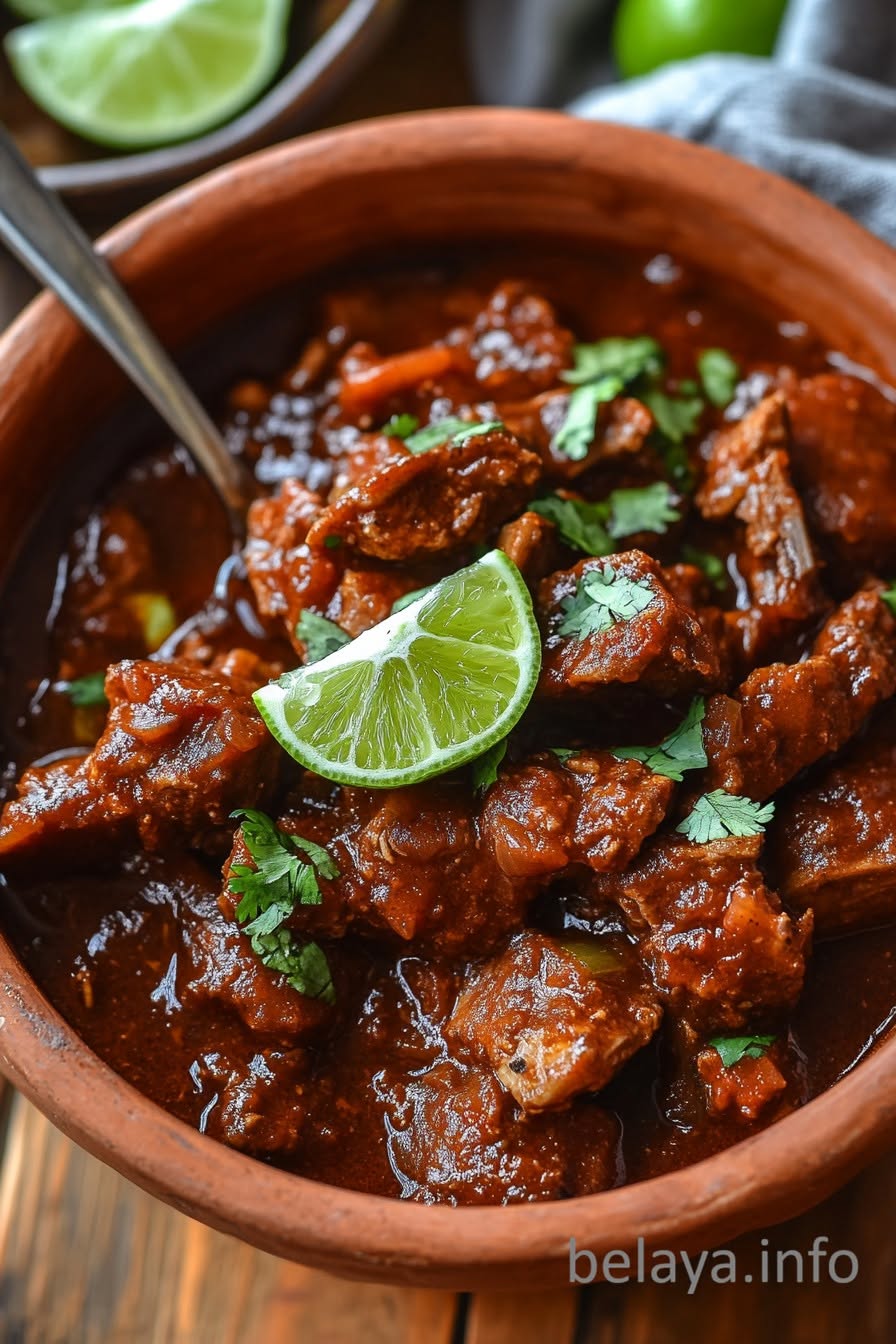
Pork shoulder is ideal for Carne Adovada because it has enough fat and connective tissue to become tender during slow cooking. As it simmers, the meat becomes juicy, rich, and full of chile flavor.
Ancho Chiles:
Ancho chiles bring mild heat, deep color, and a slightly sweet, smoky flavor. They give the sauce body and richness.
Guajillo Chiles:
Guajillo chiles add brightness, fruitiness, and a gentle chile warmth. They help create the signature red color and layered flavor of the sauce.
Garlic:
Garlic adds bold savory depth. Blended into the chile sauce, it gives the pork a warm and aromatic base.
White Vinegar:
Vinegar adds tang and balance. It cuts through the richness of the pork and makes the sauce taste brighter and more complete.
Soy Sauce:
Soy sauce is not traditional in every version, but it adds deep umami flavor and saltiness. It helps the sauce taste fuller and more savory.
Mexican Oregano:
Mexican oregano adds an earthy, slightly citrusy herbal note that works beautifully with dried chiles and pork.
Thyme:
Thyme gives the sauce a gentle herbal background and adds depth without overpowering the chile flavor.
Cumin:
Cumin adds warmth, earthiness, and a classic Southwestern-style flavor.
Bay Leaf:
Bay leaf adds subtle depth while the chiles soak and while the sauce develops.
Onion:
Onion adds sweetness and body. Cooking it after searing the pork helps capture the browned flavor from the bottom of the pot.
Oil:
Oil helps sear the pork and build flavor. Browning the meat before simmering gives the final dish a deeper, richer taste.
Expert Tips
Toast the dried chiles only until fragrant; do not burn them, or the sauce can become bitter.
Remove the stems and seeds from the chiles for a smoother sauce and more balanced heat.
Use the chile-soaking liquid in the sauce because it carries deep chile flavor.
Blend the sauce until completely smooth for the best texture.
Sear the pork in batches so it browns instead of steaming.
Do not rush the browning step; it gives the dish deeper flavor.
Scrape up the browned bits from the pot when cooking the onion because they add richness to the sauce.
Simmer the pork low and slow until it becomes tender.
Stir occasionally to prevent the thick chile sauce from sticking to the bottom.
If the sauce gets too thick while cooking, add a splash of water or broth.
Let the Carne Adovada rest for a few minutes before serving so the sauce settles and thickens.
Make it a day ahead if possible; the flavor becomes even deeper overnight.
Carne Adovada
Ingredients
8 dried ancho chiles, rinsed, stems and seeds removed, then torn into pieces
12 dried guajillo chiles, rinsed, stems and seeds removed, then torn into pieces
1 bay leaf
Water, as needed for soaking the chiles
8 garlic cloves
1/2 cup distilled white vinegar
1/4 cup soy sauce
1 1/2 teaspoons dried Mexican oregano
3/4 teaspoon dried thyme
2 teaspoons granulated sugar
1 1/2 teaspoons ground cumin
1 1/2 tablespoons kosher salt
3 tablespoons oil, divided
3 pounds pork shoulder, cut into bite-sized pieces
1 medium onion, diced
For Serving
Chopped fresh cilantro
Lime wedges
Warm tortillas
Rice, optional
Instructions
Place a large skillet over medium heat. Add the ancho and guajillo chile pieces and toast them for 1 to 2 minutes, stirring often, until they become fragrant. Be careful not to burn them, or the sauce may taste bitter.
Transfer the toasted chiles to a medium pot. Add the bay leaf, then pour in enough water to fully cover the chiles.
Bring the water to a boil over high heat. Once it begins to boil, remove the pot from the heat, cover it, and let the chiles soak for about 10 minutes, or until softened.
Using a slotted spoon, transfer the softened chiles and bay leaf to a large blender.
Add 3 cups of the chile-soaking liquid to the blender, along with the garlic, white vinegar, soy sauce, Mexican oregano, thyme, sugar, cumin, and kosher salt. Blend until the sauce is completely smooth, then set it aside.
Heat 1 tablespoon of oil in a large Dutch oven or heavy pot over medium-high heat. Add half of the pork shoulder pieces and sear them until browned on all sides. Transfer the browned pork to a bowl or large plate.
Add another tablespoon of oil to the pot, then sear the remaining pork in the same way. Once browned, transfer it to the bowl with the first batch.
Add the final tablespoon of oil to the pot. Stir in the diced onion and cook for about 5 minutes, scraping up any browned bits from the bottom of the pot as the onion softens.
Return all of the seared pork to the pot. Pour the blended chile sauce over the pork and stir until the meat is fully coated.
Bring the mixture to a boil, then reduce the heat to low. Cover the pot and simmer gently for about 2 hours, or until the pork is tender and the sauce is rich and deeply flavored.
Serve hot in bowls with chopped cilantro, lime wedges, warm tortillas, rice, or your favorite sides.
Important Notes When Making Carne Adovada
Dried chiles can vary in heat, flavor, and freshness.
If the chiles smell dusty or stale, the sauce may taste flat.
Burnt chiles can make the entire sauce bitter, so toast carefully.
Pork shoulder is better than lean pork because it stays tender during long cooking.
The sauce should simmer gently, not boil aggressively.
If using soy sauce and kosher salt together, taste carefully because the sauce can become salty.
Carne Adovada should be tender and saucy, not dry.
The sauce will thicken as it cooks and again as it cools.
Leftovers should be stored in an airtight container in the refrigerator.
Reheat gently with a splash of water or broth if the sauce becomes too thick.
This dish can be served many ways: with tortillas, rice, beans, eggs, or inside burritos.
How to Enjoy Carne Adovada After Cooking
After the Carne Adovada has finished simmering, let it rest for about 10 minutes before serving. This short resting time allows the pork to relax and the red chile sauce to settle into a richer, thicker texture.
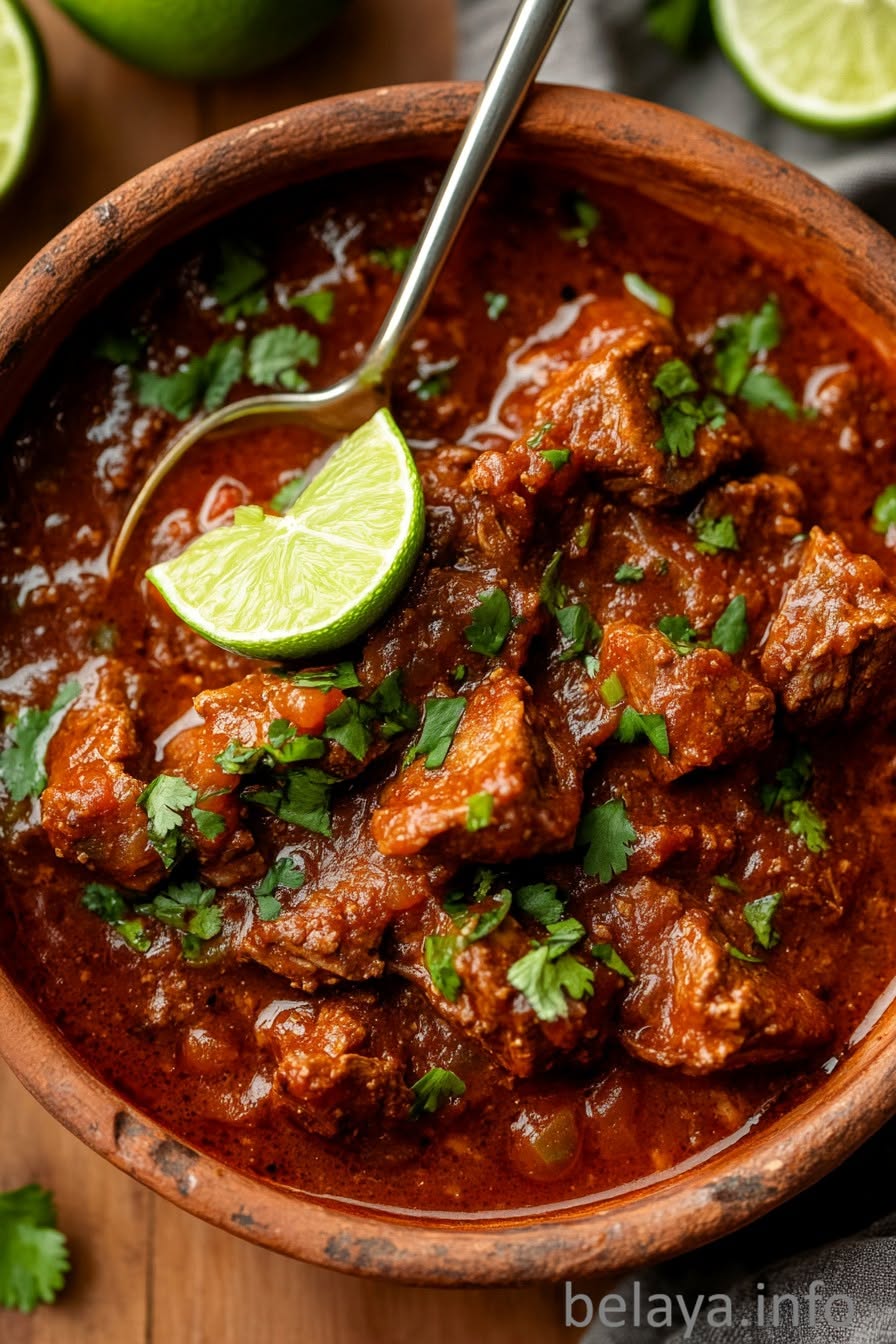
Serve it hot in bowls with plenty of sauce spooned over the pork. The meat should be tender enough to break apart easily with a fork, and every piece should be coated in the deep, smoky chile sauce.
The most classic way to enjoy Carne Adovada is with warm flour tortillas. Use the tortillas to scoop up the pork and sauce, or tuck the pork inside and eat it like a rustic taco. Add chopped cilantro, a squeeze of lime, and a little onion if you want freshness and contrast.
For a fuller meal, serve it over rice or alongside beans. The rice absorbs the red chile sauce beautifully, while beans make the plate even more hearty and comforting.
Carne Adovada is also excellent in burritos, tacos, enchiladas, breakfast plates, or loaded over roasted potatoes. It pairs especially well with eggs, making it a wonderful next-day breakfast with tortillas and a fried egg.
Leftovers are one of the best parts of this recipe. The pork continues to absorb the chile sauce overnight, making the flavor deeper the next day. Reheat slowly on the stove and add a small splash of water or broth if needed.
Nutrition Information
Approximate nutrition per serving, based on 8 servings without tortillas or rice:
Calories: 430 kcal | Total Fat: 27 g | Saturated Fat: 8.5 g | Monounsaturated Fat: 13 g | Polyunsaturated Fat: 3 g | Cholesterol: 110 mg | Sodium: 980–1,450 mg depending on soy sauce, kosher salt, and serving size | Total Carbohydrates: 10 g | Dietary Fiber: 3 g | Sugars: 4 g | Protein: 34 g
Additional estimate:
Calcium: 55–90 mg | Potassium: 650–900 mg | Iron: 3–4.8 mg | Vitamin A: 1,200–2,200 IU | Vitamin C: 4–10 mg
Frequently Asked Questions:
What is Carne Adovada?
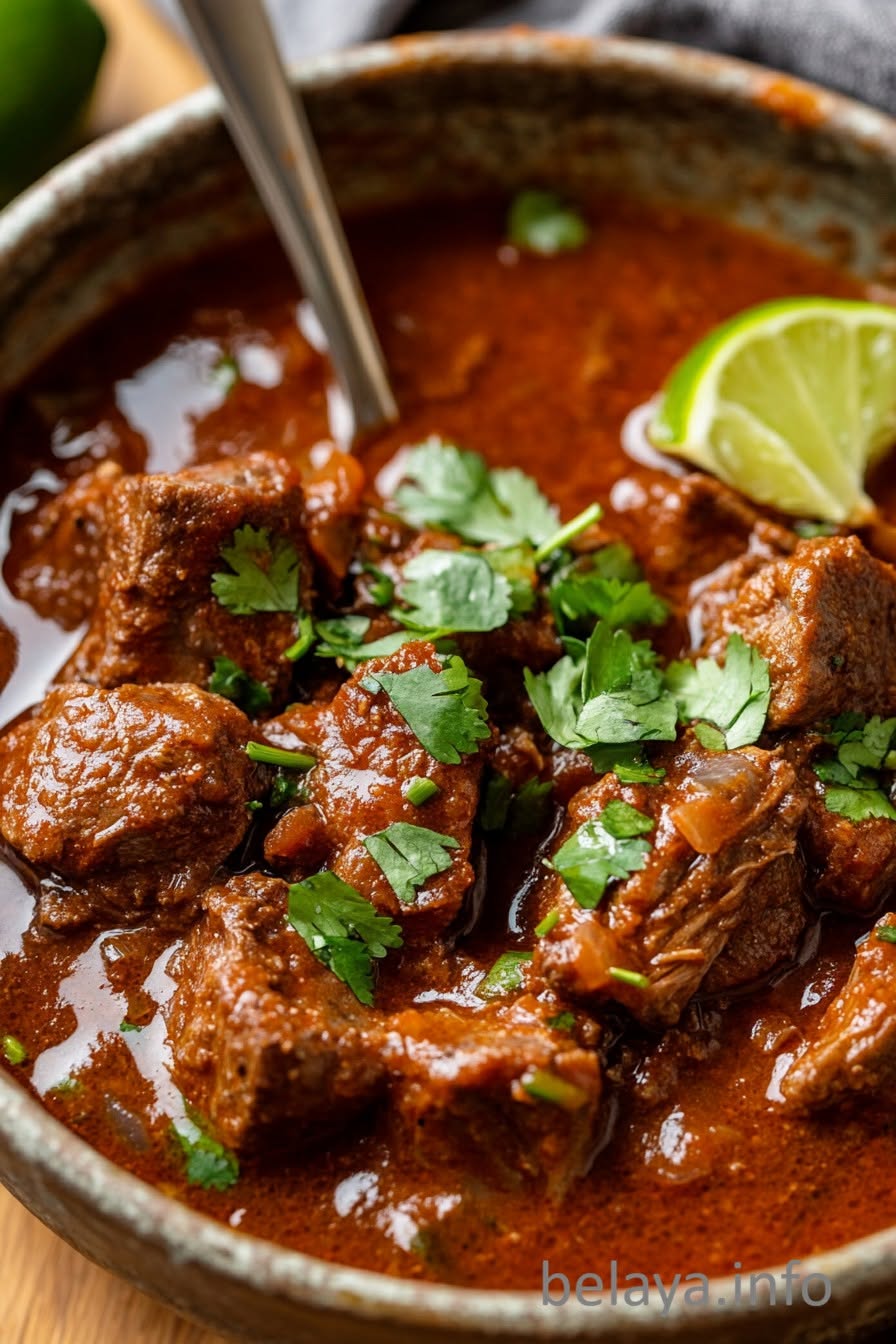
Carne Adovada is a New Mexico-style pork dish made by cooking pork shoulder in a rich red chile sauce until the meat becomes tender and deeply flavorful.
What does Carne Adovada taste like?
It tastes smoky, earthy, savory, tangy, and slightly sweet, with deep dried chile flavor and tender slow-cooked pork.
Is Carne Adovada spicy?
It is usually moderately spicy, but the heat depends on the chiles used. Ancho and guajillo chiles are flavorful more than extremely hot.
What should I serve with Carne Adovada?
Serve it with warm tortillas, rice, beans, lime wedges, chopped cilantro, roasted potatoes, or eggs for a hearty breakfast plate.
Does Carne Adovada taste better the next day?
Yes. The pork absorbs more red chile sauce as it rests, making the leftovers even richer and more flavorful.
Why do I need to toast the dried chiles?
Toasting wakes up the oils in the chiles and gives the sauce a deeper, smokier flavor. Just be careful not to burn them.
Can I use a different cut of pork?
Yes, but pork shoulder is best because it becomes tender and juicy after long cooking. Lean pork can become dry.
Why sear the pork before simmering?
Searing creates browned flavor on the outside of the meat and adds richness to the final sauce.
Can I make the chile sauce ahead of time?
Yes. The sauce can be blended ahead and refrigerated until you are ready to cook the pork.
What should I do if the sauce becomes too thick?
Add a small amount of water, broth, or chile-soaking liquid and stir until the sauce reaches your preferred consistency.