Frijoles de la Olla – No Soak – Using Stove or Crockpot
Frijoles de la Olla is a simple, traditional Mexican bean dish that turns dried beans into something deeply comforting and flavorful. Even without soaking, the beans slowly simmer with onion, cumin, red chile flakes, and Mexican oregano until they become tender and rich.
What makes this recipe special is its simplicity. The beans cook directly in seasoned water, creating a natural broth that is earthy, warm, and full of homemade flavor.
This dish can be enjoyed as a humble bowl of beans, served as a side for tacos or rice, or used as the base for soups, refried beans, burritos, and many other meals.
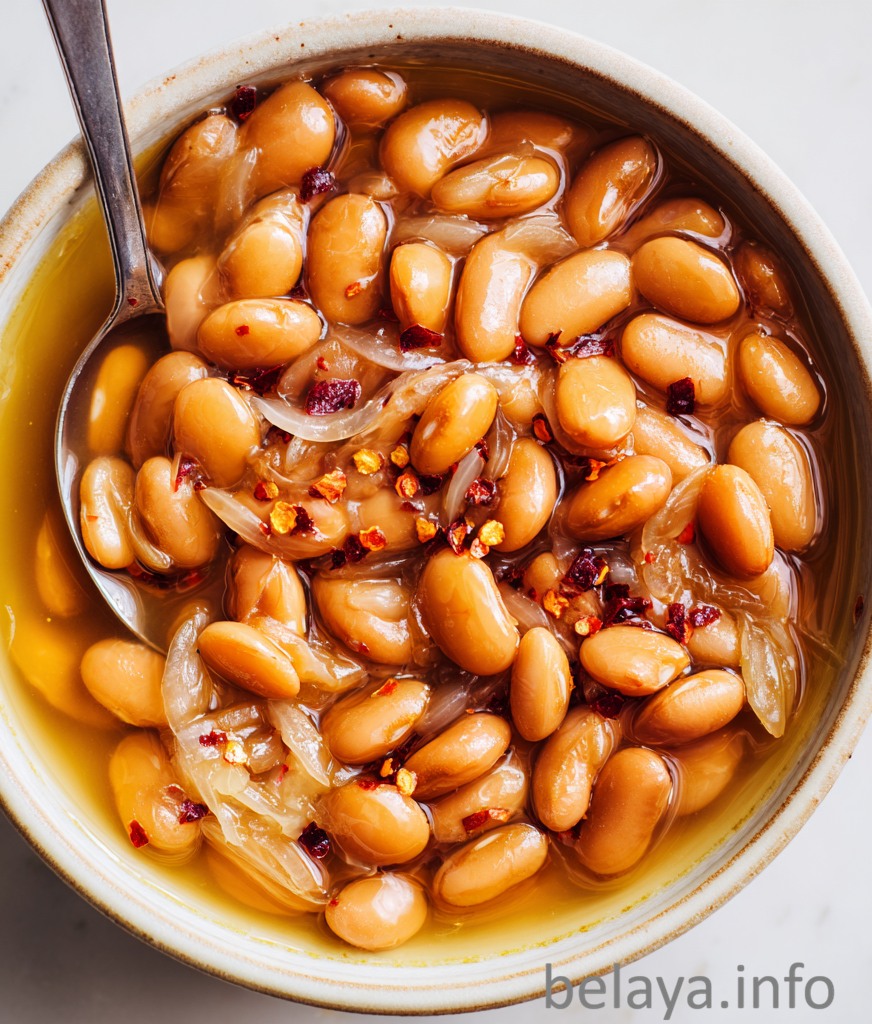
Why People Will Love This Frijoles de la Olla – No Soak – Using Stove or Crockpot Recipe
Simple ingredients, deep flavor: This recipe uses basic pantry staples, but slow simmering turns them into a rich, earthy, comforting bowl of beans.
No soaking required: People will love that they can start with dried beans and cook them right away without planning hours ahead.
Traditional homemade comfort: Frijoles de la Olla has a rustic, home-cooked taste that feels warm, nourishing, and familiar.
Flavorful bean broth: As the beans cook with onion, cumin, red chile flakes, and Mexican oregano, the water becomes a savory broth that can be enjoyed with the beans or saved for soups and stews.
Budget-friendly meal: Dried beans are affordable, filling, and easy to keep in the pantry, making this recipe great for everyday cooking.
Naturally wholesome: The dish is high in plant-based protein and fiber, making it satisfying without feeling heavy.
Flexible and useful: These beans can be served as a side dish, a main bowl, a taco filling, a burrito base, or mashed into refried beans.
Easy to customize: You can adjust the salt, chile flakes, cumin, or oregano to make the beans mild, spicy, smoky, or more herb-forward.
Great for meal prep: The beans store well, reheat beautifully, and can be used in different meals throughout the week.
Comforting broth-and-bean texture: The tender beans and warm seasoned broth create a simple but deeply satisfying dish that feels homemade from the first spoonful.
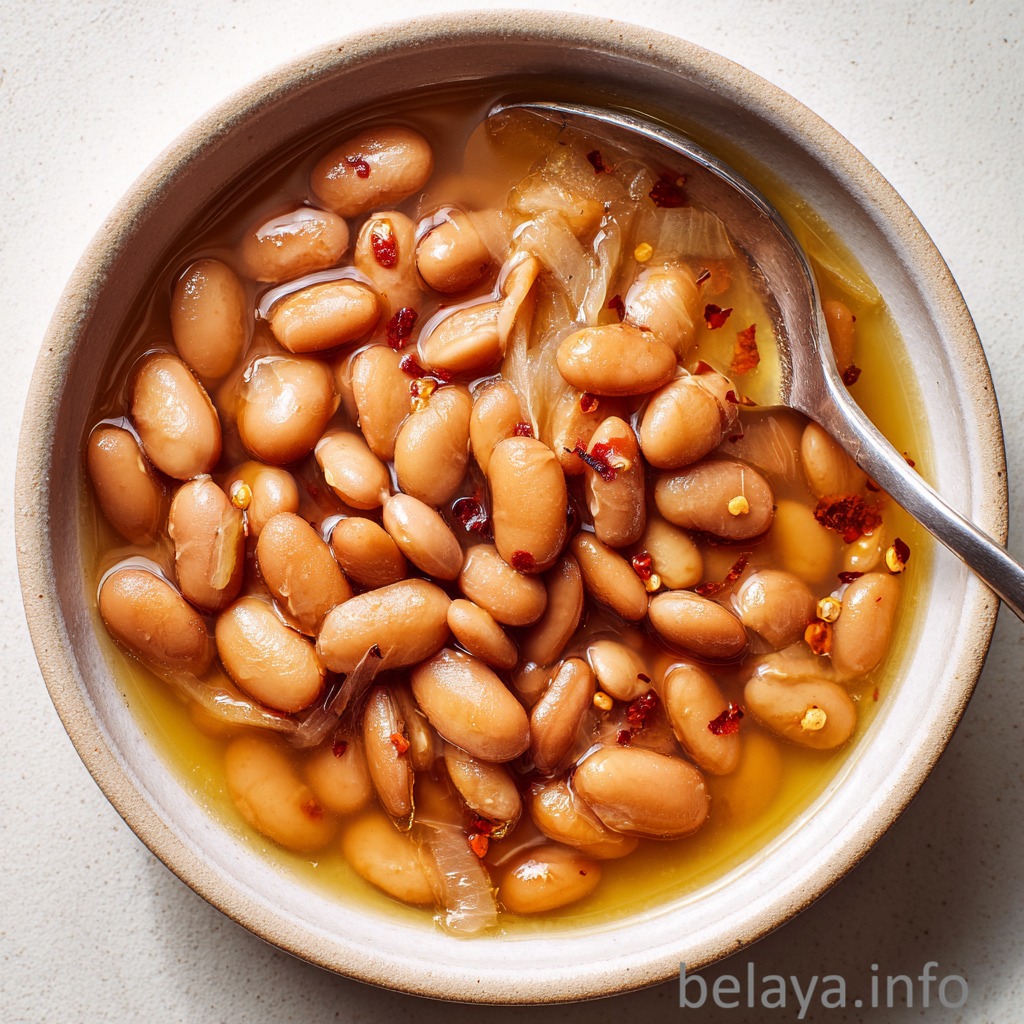
Key Ingredients:
Dried Beans: The heart of the recipe. As they simmer, dried beans become tender, creamy, and deeply satisfying while creating their own rich, earthy broth.
Yellow Onion: Onion adds natural sweetness and savory depth. As it cooks, it softens into the broth and gives the beans a warm homemade flavor.
Ground Cumin: Cumin brings an earthy, slightly smoky note that pairs beautifully with beans and gives the dish a deeper Mexican-inspired flavor.
Crushed Red Chile Flakes: These add gentle heat and a little brightness. You can use more or less depending on how spicy you want the beans to be.
Dried Mexican Oregano: Mexican oregano gives the broth a bold herbal flavor with lightly citrusy, earthy notes. It helps make the beans taste more layered and aromatic.
Hot Water: Hot water helps the beans begin cooking evenly and slowly turns into a flavorful bean broth as everything simmers together.
Salt: Salt is added after the beans soften so they season properly without slowing down the cooking process. It brings all the flavors together at the end.
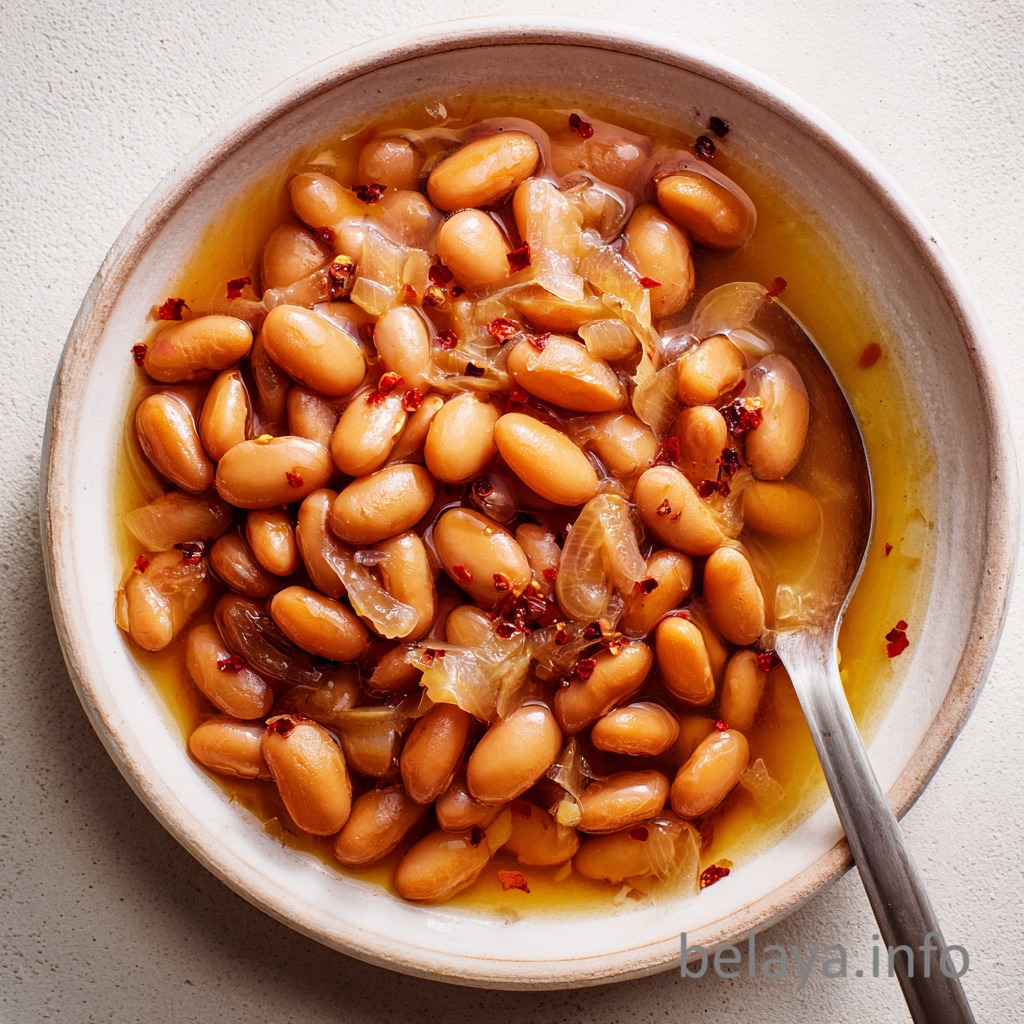
Expert Tips:
Rinse and sort the beans first: Before cooking, rinse the dried beans well and quickly check for any small stones, broken beans, or debris. This keeps the final dish clean and pleasant to eat.
Use fresh dried beans when possible: Older dried beans can take much longer to soften. If your beans have been sitting in the pantry for a long time, expect extra cooking time.
Do not add salt at the beginning: Add salt only after the beans have softened. Salting too early can sometimes make the skins firmer and may slow down the tenderizing process.
Keep the simmer gentle: After the beans come to a boil, lower the heat and let them simmer slowly. A hard boil can split the beans and make the broth cloudy.
Check the water level as they cook: Beans absorb a lot of liquid. If the pot looks too dry, add more hot water, not cold water, so the cooking temperature stays steady.
Cook until fully tender, not just soft outside: Taste a few beans before adding salt. They should be creamy all the way through, with no chalky or firm center.
Let the onion season the broth naturally: Roughly sliced onion slowly releases sweetness and savory flavor into the cooking liquid. You can leave it in, remove it, or mash it into the broth after cooking.
Toast the cumin for deeper flavor: For a richer taste, lightly toast the ground cumin in the pot for a few seconds before adding water and beans. This brings out its warm, earthy aroma.
Adjust the chile flakes carefully: Red chile flakes can become stronger as they simmer. Start with the recipe amount, then add more near the end if you want extra heat.
Use Mexican oregano if available: Mexican oregano has a more citrusy, earthy flavor than Mediterranean oregano. It gives the beans a more authentic and layered taste.
Let the beans rest after cooking: After turning off the heat, let the beans sit for 10–15 minutes. This helps the salt and seasonings settle into the beans and broth.
Save the broth: The bean broth is full of flavor. Use it as a soup base, to thin refried beans, or to add richness to rice, stews, and sauces.
For a creamier texture, mash a few beans: Lightly mash some cooked beans against the side of the pot and stir them back in. This naturally thickens the broth without adding flour.
For crockpot cooking, use enough liquid: Slow cookers lose less moisture than stovetop pots, but beans still need plenty of liquid. Make sure the beans stay covered while cooking.
Taste and season at the end: The final flavor depends on the beans, water, and cooking time. Add salt gradually at the end until the broth tastes full, savory, and balanced.
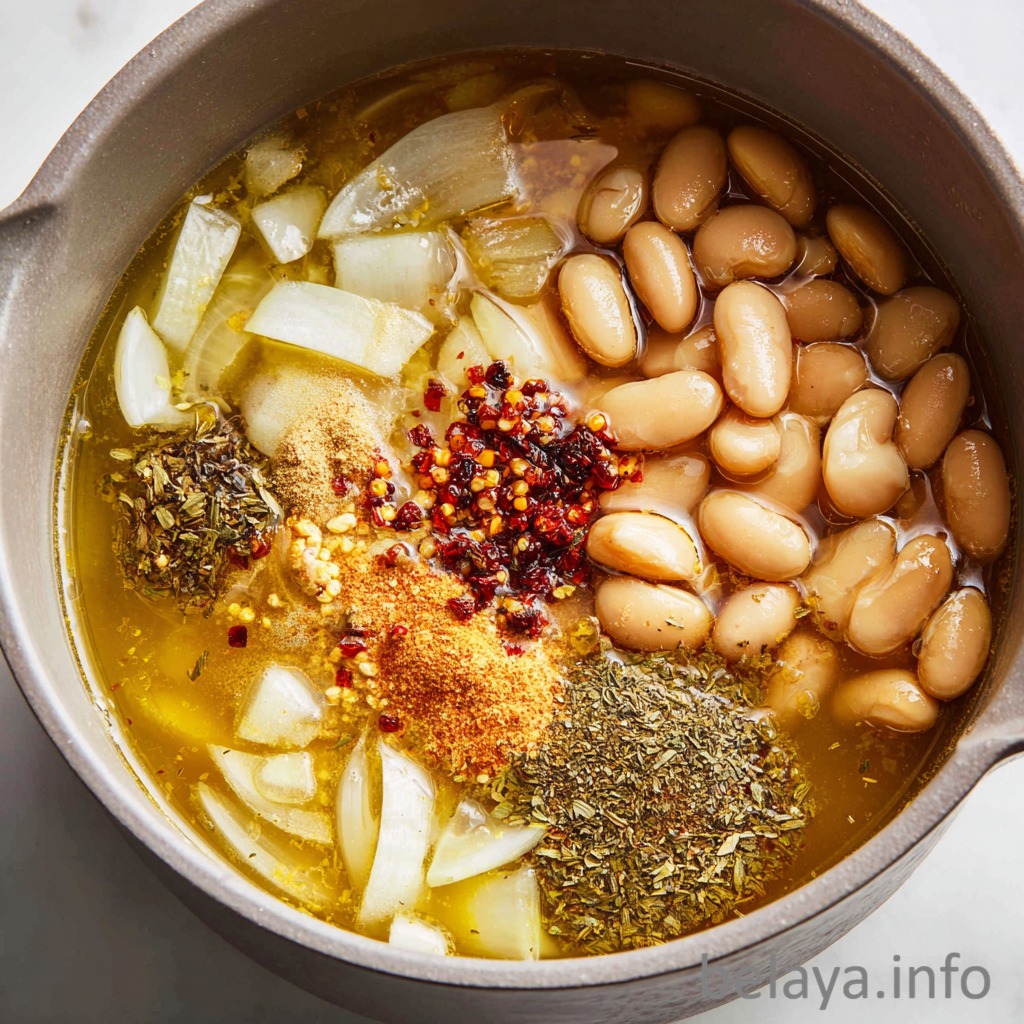
Frijoles de la Olla – No Soak – Using Stove or Crockpot
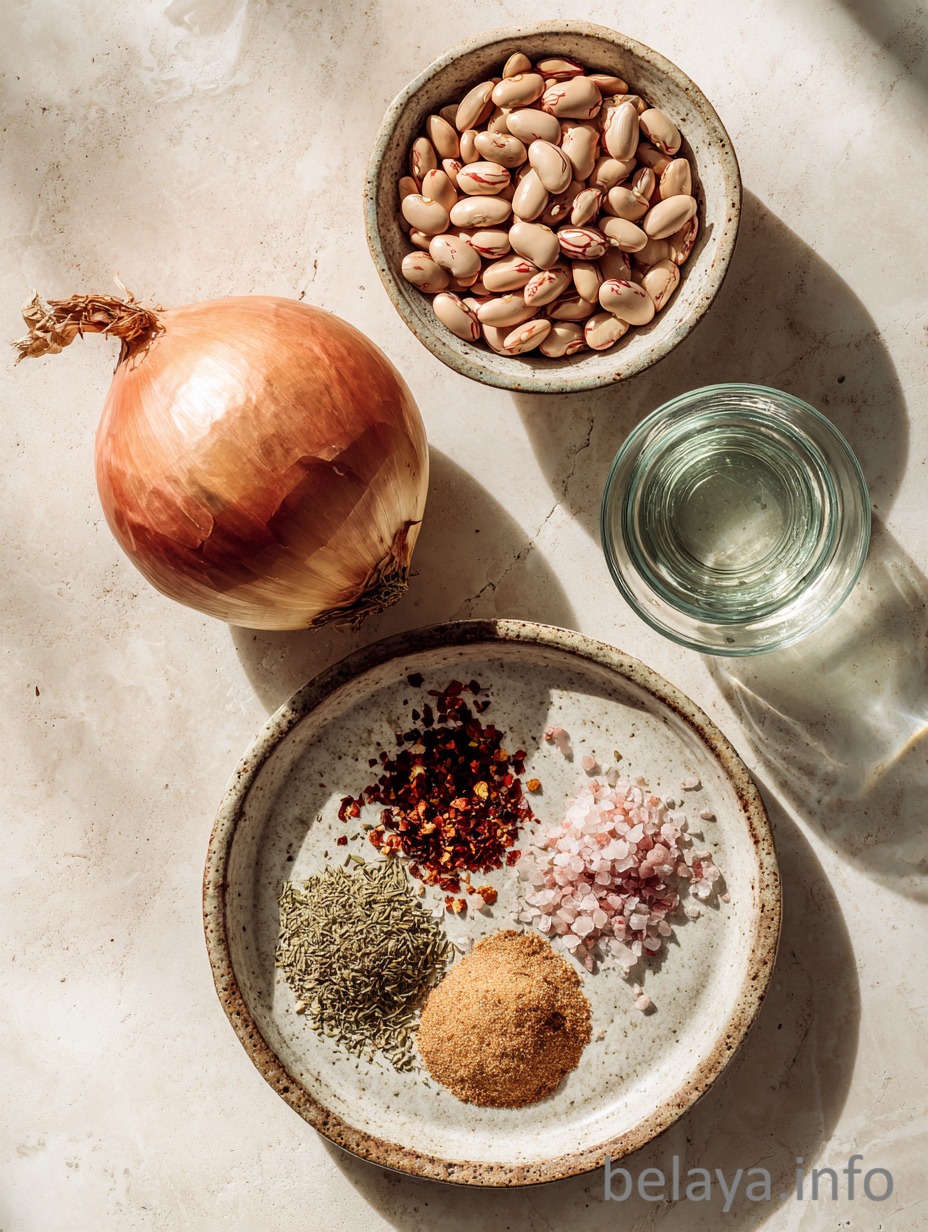
Ingredients
1 cup dried beans, rinsed well
1/2 yellow onion, roughly sliced
1 teaspoon ground cumin
1 teaspoon crushed red chile flakes
1 teaspoon dried Mexican oregano
4 cups hot water
Salt, added to taste after the beans soften
Instructions
Add the rinsed dried beans, sliced onion, ground cumin, red chile flakes, Mexican oregano, and hot water to a large pot. Do not add the salt yet.
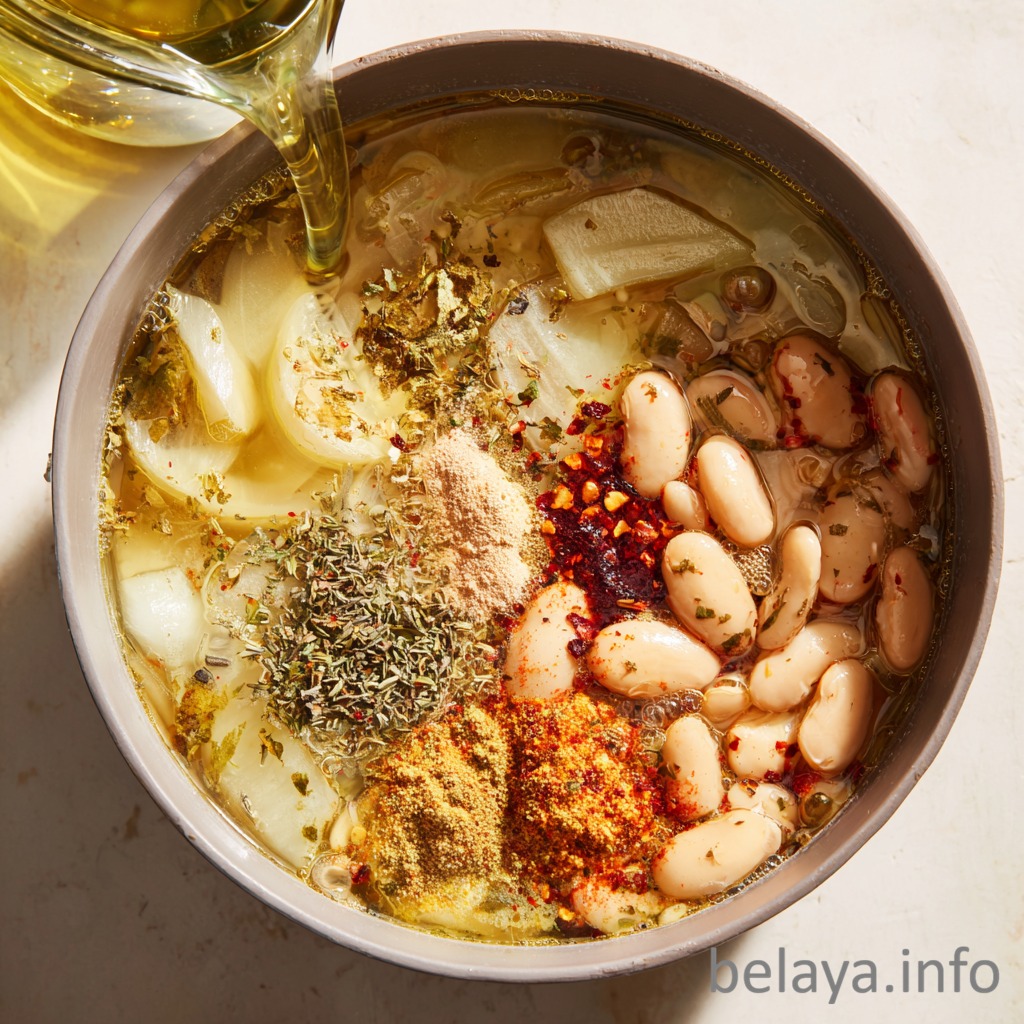
Cover the pot and bring the mixture to a boil over medium-high heat.
Once it begins to boil, reduce the heat to low and let the beans simmer gently for about 2 hours, or until they become tender. Black beans may need a little extra cooking time.
Stir in salt to taste, then continue cooking for another 30 minutes so the beans can absorb the seasoning.
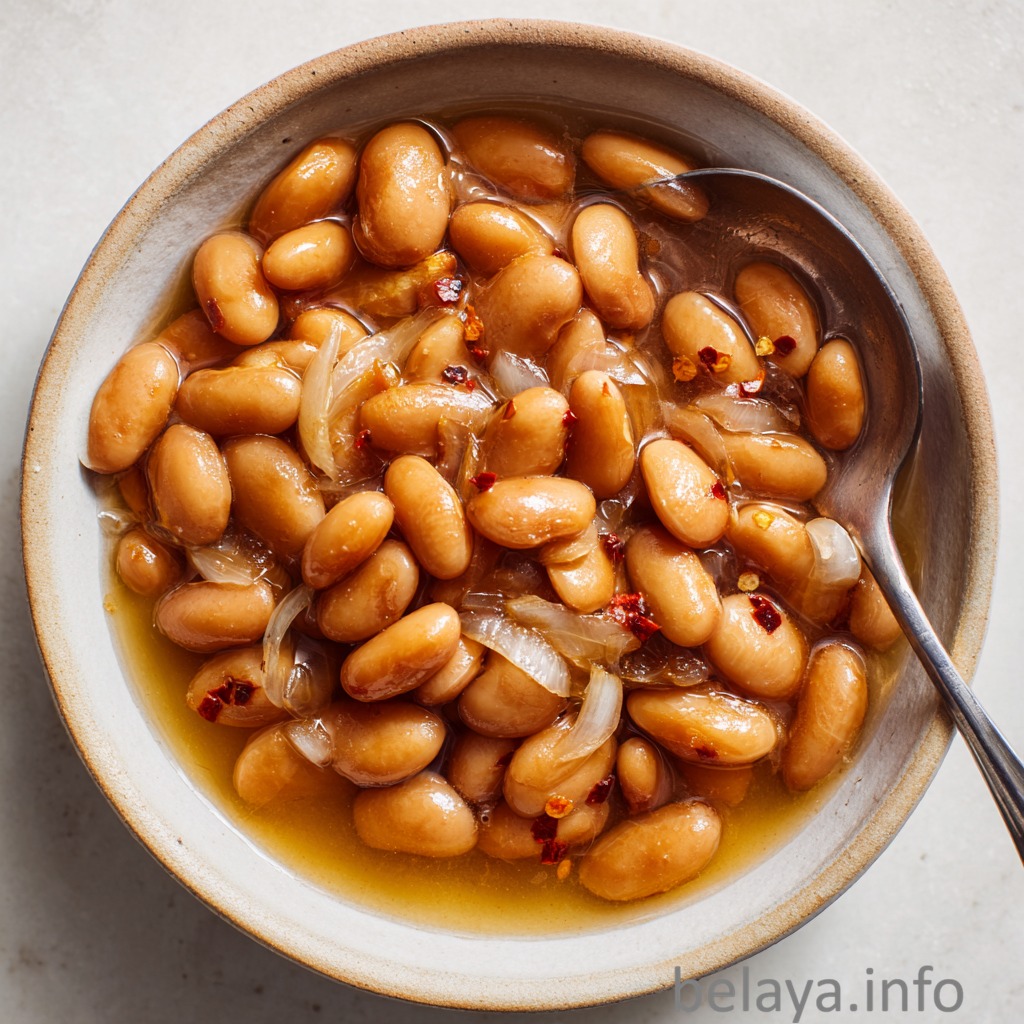
Serve the beans warm with some of their flavorful broth in bowls.
You can also drain the beans and serve them separately, then save the broth to use as a base for soups, stews, or other dishes.
Important Notes When Making Frijoles de la Olla – No Soak – Using Stove or Crockpot
No soaking is needed: This recipe is designed for dried beans to cook directly in hot water, making it easier and more convenient than traditional soaked bean recipes.
Cooking time can vary: Different beans cook at different speeds. Pinto beans may soften faster, while black beans or older dried beans may need more time.
Always rinse and sort dried beans: Before cooking, rinse the beans well and remove any small stones, broken pieces, or debris.
Do not add salt too early: Salt is added after the beans become tender. This helps the beans cook evenly and keeps the skins from becoming too firm.
Keep the beans covered with liquid: Beans absorb water as they cook. If the liquid gets too low, add more hot water so the beans stay submerged and cook properly.
Use a gentle simmer, not a hard boil: A slow simmer keeps the beans tender and whole. Boiling too strongly can split the beans and make the broth cloudy.
The broth is part of the recipe: Frijoles de la Olla are meant to be enjoyed with their cooking liquid. The broth carries the flavor of the onion, cumin, chile flakes, oregano, and beans.
Season slowly at the end: Add salt gradually after the beans soften. The broth should taste savory and balanced, not overly salty.
The beans will thicken as they rest: After cooking, the beans continue to absorb liquid. If they become too thick, add a splash of hot water or broth when reheating.
Crockpot cooking may take longer: If using a slow cooker, cooking time depends on the bean type, age, and temperature setting. Cook until the beans are completely tender.
Old beans may never soften properly: Very old dried beans can stay firm even after long cooking. For best results, use beans that are not too old.
Mexican oregano gives the best flavor: It has a deeper, earthier, slightly citrusy flavor compared to regular oregano, making the broth taste more authentic and layered.
This recipe is very flexible: You can use pinto beans, black beans, peruano beans, cranberry beans, or other dried beans, but the cooking time may change.
Store the beans with their broth: Keeping the beans in their cooking liquid helps them stay moist, flavorful, and tender in the refrigerator.
Leftovers are very useful: Cooked beans can be served as a side dish, mashed into refried beans, added to soups, spooned into tacos, or used in burritos and bowls.
How to Enjoy Frijoles de la Olla After Cooking
Let the beans rest before serving:
After cooking, let the beans sit for 10–15 minutes. This allows the salt, onion, cumin, chile flakes, and oregano to settle into the broth and gives the dish a deeper, more rounded flavor.
Serve them with their broth:
Frijoles de la Olla are best enjoyed with some of their warm cooking liquid. The broth is full of earthy bean flavor, softened onion, herbs, and spices, making each spoonful comforting and rich.
Enjoy them as a simple bowl:
Ladle the beans and broth into a bowl and eat them warm. Add a squeeze of lime, chopped cilantro, diced onion, or a little salsa for freshness and brightness.
Pair them with warm tortillas:
Serve the beans with corn or flour tortillas. The tortillas are perfect for scooping the beans or soaking up the flavorful broth.
Serve them as a side dish:
These beans go well with tacos, enchiladas, grilled meats, rice, eggs, quesadillas, or roasted vegetables. They add warmth, protein, and comfort to almost any Mexican-style meal.
Turn them into a heartier meal:
Add toppings like avocado, queso fresco, shredded cheese, sour cream, pico de gallo, jalapeños, or hot sauce. This makes the beans feel more complete and satisfying.
Use the broth wisely:
Do not throw away the bean broth. Use it as a base for soups, stews, rice, sauces, or to loosen refried beans. It carries a lot of deep, homemade flavor.
Make refried beans from leftovers:
Drain some of the beans, mash them in a skillet with a little oil or lard, and add a splash of bean broth until creamy. This gives you a second dish from the same recipe.
Serve them over rice:
Spoon the beans and broth over white rice, Mexican rice, or cilantro-lime rice for a filling and budget-friendly meal.
Add them to breakfast:
Serve warm beans with eggs, tortillas, salsa, and avocado. They make a nourishing breakfast or brunch with plenty of flavor and protein.
Use them in tacos or burritos:
Drain the beans slightly and use them as a filling for tacos, burritos, tostadas, or bowls. Add cheese, salsa, lettuce, avocado, or roasted vegetables.
Reheat gently:
Warm leftovers on the stove over medium-low heat or in the microwave. Add a splash of hot water or broth if the beans have thickened too much.
Taste again after reheating:
Beans absorb salt and liquid as they sit, so the flavor may change. Add a small pinch of salt, lime juice, or extra chile flakes if needed.
Store them in their liquid:
Keep leftovers in an airtight container with the broth. This helps the beans stay moist, tender, and flavorful for several days.
Nutrition Information
Approximate and based on 1 serving, assuming the recipe makes about 4 servings from 1 cup dried beans.
Calories: 170–210 kcal | Total Fat: 1–2 g | Saturated Fat: 0–0.3 g | Monounsaturated Fat: 0.2–0.5 g | Polyunsaturated Fat: 0.4–0.8 g | Cholesterol: 0 mg | Sodium: 250–500 mg depending on added salt | Total Carbohydrates: 32–38 g | Dietary Fiber: 8–11 g | Sugars: 1–3 g | Protein: 10–13 g
Frequently Asked Questions:
Can I make Frijoles de la Olla without soaking the beans first?
Yes. This recipe is designed as a no-soak method. The beans cook directly in hot water with onion and seasonings until tender. Just remember that cooking time may be longer depending on the type and age of the beans.
What kind of beans work best for this recipe?
Pinto beans are the most classic choice, but black beans, peruano beans, cranberry beans, or kidney beans can also work. Each type has a slightly different texture and cooking time.
Why should salt be added after the beans soften?
Adding salt near the end helps the beans cook evenly and keeps their skins from becoming too firm. It also allows you to season the broth more accurately after the beans have released their flavor.
Can I use the bean broth for anything else?
Yes. The broth is very flavorful because it absorbs the taste of the beans, onion, cumin, chile flakes, and Mexican oregano. You can use it as a soup base, to thin refried beans, or to add depth to rice, stews, and sauces.
How should I store and reheat leftovers?
Store the beans with their broth in an airtight container in the refrigerator. Reheat them gently on the stove or in the microwave. If they become too thick, add a splash of hot water or broth to loosen them.
Do I really not need to soak the beans first?
Yes. This recipe is made with a no-soak method, so the rinsed dried beans go straight into the pot with hot water and seasonings. The cooking time may be a little longer, but the method is simple and still gives tender, flavorful beans.
Why should I wait to add the salt?
Salt is added after the beans soften so they can cook more evenly. Adding it near the end also helps you control the final flavor better because the broth becomes more concentrated as the beans simmer.
How do I know when the beans are fully cooked?
The beans are done when they are tender and creamy all the way through. Taste a few beans from different parts of the pot. They should not feel hard, chalky, or firm in the center.
What should I do if the beans are still hard after 2 hours?
Keep simmering them and add more hot water if the liquid gets low. Some beans, especially older dried beans or black beans, may need extra time to become tender.
How can I keep the beans from breaking apart while cooking?
Use a gentle simmer instead of a hard boil. Stir only occasionally and carefully. Strong boiling and too much stirring can split the beans and make the broth cloudy.