Grandma’s Cavatelli And Meatballs
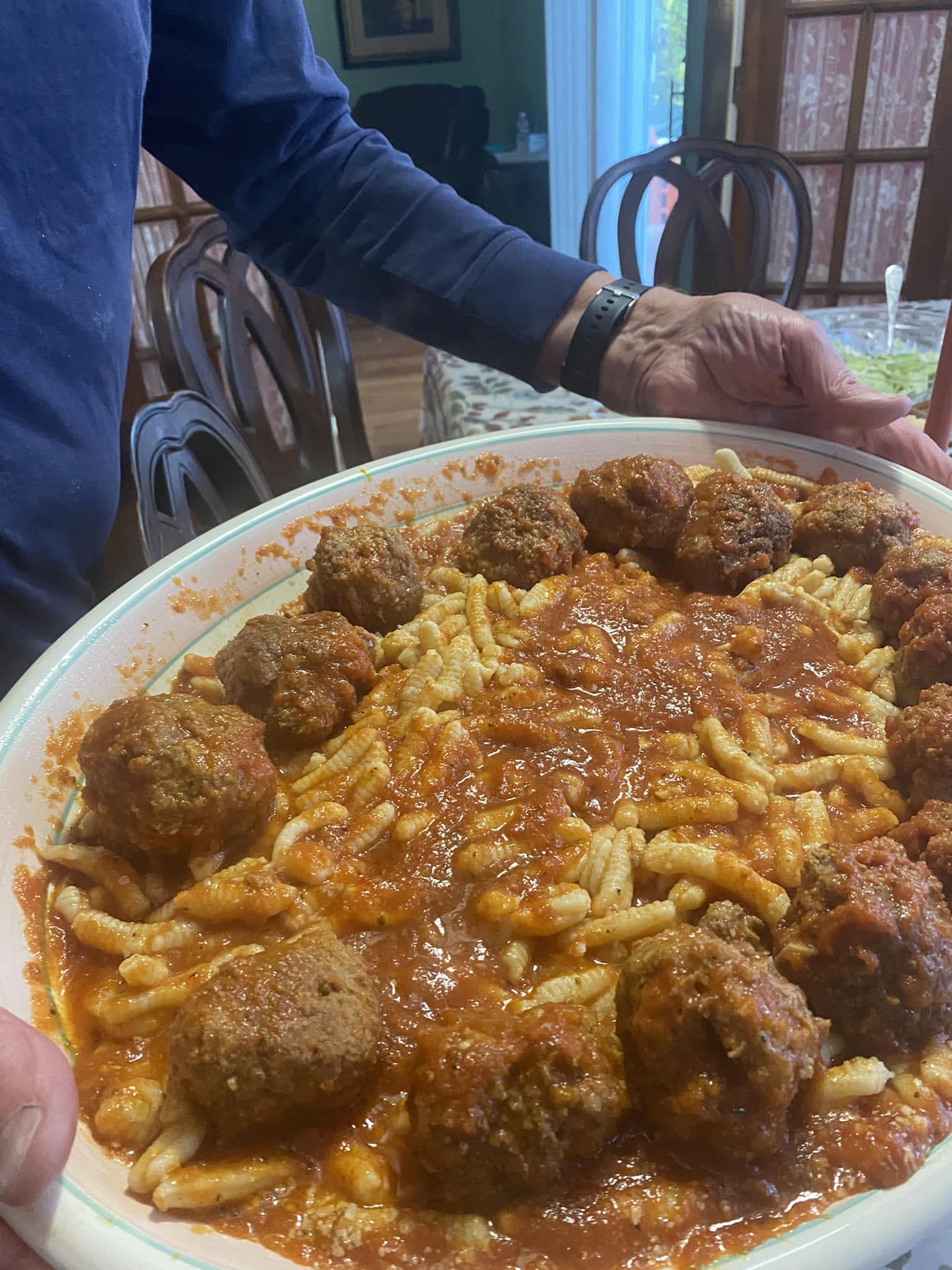
Cavatelli and Meatballs is a dish rooted in tradition, where time, simplicity, and technique come together to create something deeply comforting.
The slow-simmered tomato sauce, infused with garlic, basil, and sweet San Marzano tomatoes, becomes richer with every minute, while tender meatballs gently cook within it, absorbing and giving back layers of flavor. It’s not rushed cooking—it’s intentional, patient, and rewarding.
What makes this dish truly special is the way each element supports the other. The cavatelli holds onto the sauce in every curve, the meatballs remain soft and juicy from cooking directly in the sauce, and the final result feels both rustic and refined. It’s the kind of meal that brings people together—generous, hearty, and meant to be shared.
Why People Will Love Cavatelli And Meatballs Recipe
Deep, slow-developed flavor – The long-simmered tomato sauce builds layers of richness and sweetness, creating a depth that simply can’t be rushed
Exceptionally tender meatballs – Cooking the meatballs directly in the sauce keeps them incredibly soft, juicy, and infused with flavor from the inside out
Perfect pasta-sauce harmony – Cavatelli’s shape naturally holds onto the sauce, ensuring every bite is coated and satisfying
Rustic yet refined experience – It feels like a traditional, home-cooked meal while delivering restaurant-quality flavor and texture
Balanced simplicity – Made with simple, honest ingredients, yet the final result is complex, comforting, and deeply satisfying
Comfort food at its best – Warm, hearty, and filling, this dish delivers that classic Italian comfort that feels both nostalgic and indulgent
Rich without being overwhelming – The acidity of the tomatoes and freshness of basil balance the richness of the meat and cheese
Aromatic and inviting – As it cooks, the kitchen fills with the scent of garlic, herbs, and simmering tomatoes—an experience as enjoyable as the meal itself
Perfect for sharing – This is a generous, communal dish that brings people together, making it ideal for family meals or gatherings
Even better over time – The flavors continue to deepen as it rests, making leftovers just as delicious—if not more—than the first serving
Key Ingredients
San Marzano Tomatoes – The foundation of the sauce, known for their natural sweetness, low acidity, and rich tomato flavor. They create a smooth, balanced base that deepens beautifully as it simmers
Ground Beef & Ground Pork – This combination creates the ideal meatball texture. Beef brings structure and depth, while pork adds richness and juiciness, resulting in tender, flavorful meatballs
Parmigiano Reggiano – Aged and intensely savory, it adds umami and a subtle nuttiness. Mixed into the meatballs and grated on top, it enhances both flavor and texture
Panko Breadcrumbs – Light and airy, they help keep the meatballs soft and tender rather than dense. They absorb moisture and create a delicate, melt-in-your-mouth consistency
Garlic & Shallots – These aromatics build the flavor base of the sauce. Shallots add a mild sweetness, while garlic brings warmth and depth without overpowering the dish
Fresh Basil – Adds a bright, herbal freshness that lifts the richness of the tomatoes and meat, giving the sauce a clean, aromatic finish
Cavatelli Pasta – Its small, curved shape is perfect for catching and holding the sauce, ensuring each bite is coated and flavorful
Eggs – Act as a binder for the meatballs, helping them hold their shape while still remaining soft and tender
Olive Oil – Provides a smooth, rich base for sautéing and enhances the overall flavor with a subtle fruity note
Salt & Black Pepper – Essential for bringing all elements together, enhancing natural flavors and ensuring the dish tastes balanced and complete
Expert Tips:
Develop the sauce slowly – After the initial boil, keep the sauce at a gentle simmer. This allows the tomatoes to break down naturally and concentrate their sweetness without becoming acidic or harsh
Season in layers, not all at once – Add salt gradually throughout the cooking process. Since the sauce reduces and the meatballs release their own seasoning, final balance is best achieved at the end
Handle the meat mixture lightly – Mix just until combined. Overworking the meat will result in dense, tough meatballs instead of tender, delicate ones
Use more breadcrumbs than you think – This is key to soft meatballs. The breadcrumbs absorb moisture and create a lighter texture, preventing the meat from becoming compact
Test one meatball first – Cook a small piece of the mixture in a pan to check seasoning before shaping all the meatballs. This ensures proper salt and flavor balance
Drop meatballs gently into the sauce – Avoid stirring too aggressively once they are in. Let them set and cook undisturbed at first so they hold their shape
Control the simmer carefully – After adding meatballs, keep the sauce at a low, steady simmer. A rolling boil can break them apart and toughen the texture
Use a wide pot for even cooking – This ensures the meatballs are not overcrowded and cook evenly while staying submerged in the sauce
Let the meatballs cook fully in the sauce – Skipping frying allows them to stay moist and absorb the tomato flavor, creating a more cohesive and tender result
Cook pasta just shy of al dente – It will finish cooking slightly when tossed with the sauce, resulting in the perfect final texture
Do not rinse the pasta – The natural starch helps the sauce cling better, creating a richer, more unified dish
Finish pasta in sauce, not on top of it – Tossing pasta with sauce in a pan allows it to absorb flavor instead of just being coated on the outside
Reserve extra sauce separately – Keep meatballs in the main pot and use sauce alone to coat pasta. This prevents breaking the meatballs and keeps presentation clean
Let the dish rest briefly before serving – A few minutes of resting helps the sauce settle and cling better to the pasta, improving overall texture
Finish with fresh cheese at the end – Grating Parmigiano Reggiano right before serving adds a final layer of aroma and depth that elevates the entire dish
Cavatelli And Meatballs
Ingredients:
500g cavatelli pasta
4 liters San Marzano tomatoes, hand-crushed or blended using an immersion blender
3 garlic cloves, crushed and finely chopped
2 shallots, finely minced
1 large bunch fresh basil
500g ground beef
500g ground pork
2 cups panko breadcrumbs
1 cup grated Parmigiano Reggiano (about 150g)
2 large eggs
Kosher salt, to taste
Freshly ground black pepper, to taste
Extra virgin olive oil
Instructions
Step 1: Prepare the sauce
In a large heavy-bottomed pot or Dutch oven, heat a generous drizzle of olive oil over medium heat.
Add the diced shallots and cook for 2–3 minutes until softened. Stir in the garlic and sauté for another 1–2 minutes until fragrant.
Pour in the crushed tomatoes and bring to a quick boil over high heat, then reduce to a gentle simmer. Stir occasionally. Add about 1 teaspoon of kosher salt, stir, and taste.
Continue tasting as the sauce cooks, adjusting seasoning gradually. Keep in mind that the meatballs and pasta water will also add salt, so start light.
Add the basil leaves, stir, and let the sauce simmer while you prepare the meatballs.
Step 2: Make the meatballs
In a large mixing bowl, combine the ground beef and ground pork. Break the meat apart gently so it’s evenly distributed.
Season with a few generous pinches of salt, similar to how you would season a steak. Add the eggs and freshly ground black pepper.
Mix in the panko breadcrumbs and grated Parmigiano Reggiano. Don’t be afraid to add enough breadcrumbs—they help keep the meatballs tender and juicy.
Using your hands, mix everything together until evenly combined. Shape the mixture into golf ball-sized meatballs and place them on a tray or board. Set aside.
Step 3: Cook the meatballs in the sauce
Bring the sauce back to medium heat. Gently add the raw meatballs one at a time directly into the sauce.
Once all the meatballs are in, briefly bring the sauce to a light boil, then immediately reduce to a simmer. Cover the pot partially, leaving a small gap for steam to escape.
Let the sauce simmer for about 2 hours, or longer if desired. The longer it cooks, the more tender and flavorful the meatballs will become.
Step 4: Combine pasta and sauce
Bring a large pot of well-salted water to a boil.
In a separate large pan, add a couple of ladles of sauce (without meatballs) and heat over medium-low.
Cook the pasta until al dente, then drain it in a colander. Do not rinse—allow it to remain slightly sticky, tossing gently to prevent clumping.
Transfer the pasta to the pan with sauce and toss until evenly coated. Add more sauce as needed to fully cover the pasta.
This step helps the sauce cling to the pasta, creating a richer and more cohesive dish.
Step 5: Serve
Using tongs, portion the pasta onto plates or into bowls.
Top with a generous spoonful of sauce and several meatballs. Distribute the meatballs evenly among servings.
Finish with freshly grated Parmigiano Reggiano and serve immediately. Enjoy!
Important Notes When Making Cavatelli And Meatballs
This dish is built on patience, not complexity – The true depth of flavor comes from slow simmering and careful layering, not from adding more ingredients. Rushing the process will noticeably reduce the richness of the final result
The sauce is the foundation – Everything depends on a well-balanced tomato base. If the sauce is too acidic, under-seasoned, or rushed, it will affect the entire dish no matter how good the meatballs are
Meatball texture is intentional – They should be soft and tender, not firm or dense. This comes from proper ratios of breadcrumbs, gentle mixing, and cooking them directly in the sauce
Avoid overcrowding the pot – Meatballs need space to cook evenly and stay intact. Overcrowding can lead to uneven cooking and breakage
Heat control is critical – A gentle simmer is key. Boiling too aggressively can break apart the meatballs and cause the sauce to lose its smooth consistency
Pasta and sauce must become one – This is not a dish where sauce is simply poured over pasta. Finishing the pasta in the sauce ensures proper absorption and a cohesive texture
Starch is your ally – Slightly sticky pasta helps the sauce cling better. Rinsing removes this natural binding element and results in a less flavorful dish
Ingredient quality is highly noticeable – With a simple ingredient list, using good tomatoes, fresh basil, and real Parmigiano Reggiano makes a significant difference
Flavor evolves over time – The sauce and meatballs continue to develop as they sit. This dish often tastes even better after resting or the next day
Balance richness with freshness – The richness of meat and cheese should always be lifted by the brightness of tomatoes and basil to avoid heaviness
Serving is part of the experience – Properly coating pasta, evenly distributing meatballs, and finishing with fresh cheese ensures every portion delivers the full intended flavor
Restraint improves the final dish – Avoid overloading with extra ingredients or shortcuts. Let the core components shine for the most authentic and satisfying result
How to Enjoy Cavatelli And Meatballs After Cooking
Let the dish rest briefly before serving – Allow the pasta and sauce to sit together for 3–5 minutes after tossing. This helps the sauce fully cling to the cavatelli and creates a more cohesive, flavorful bite
Serve at the ideal temperature – Enjoy the dish hot but not steaming aggressively. Slightly cooled, the sauce thickens just enough and the flavors become more rounded and pronounced
Plate with intention – Use tongs to twirl the cavatelli into a neat mound, then spoon sauce and meatballs over the top. This keeps the pasta coated while showcasing the meatballs beautifully
Balance each serving – Make sure every plate has a good ratio of pasta, sauce, and meatballs. The experience is best when all elements are present in each bite
Finish with fresh Parmigiano Reggiano – Grate cheese directly over the dish just before serving. The heat releases its aroma and adds a final layer of savory depth
Add a final drizzle of olive oil – A light drizzle of high-quality olive oil enhances richness and gives the dish a subtle, glossy finish
Pair thoughtfully – Serve with crusty bread to soak up extra sauce, or alongside a simple green salad to balance the richness
Enjoy the layers of texture – Notice the contrast between the tender meatballs, the perfectly coated pasta, and the thick, slow-simmered sauce—this interplay defines the dish
Savor it slowly – This is a meal meant to be enjoyed, not rushed. Take time to appreciate the depth developed from slow cooking and simple ingredients
Handle leftovers properly – Store pasta and sauce together in an airtight container. The flavors will deepen as it rests, often making the next serving even more satisfying
Reheat gently for best results – Warm over low heat with a splash of water or extra sauce to loosen the texture and restore its silky consistency
Refresh before serving again – Add a touch of fresh basil or extra grated cheese when reheating to bring back brightness and aroma
Make it a shared experience – This dish shines when served family-style, encouraging everyone to gather, serve themselves, and enjoy together
Nutrition Information:
YIELDS: 6–8 servings | Serving size: 1
Calories: 620–720 kcal | Total Fat: 28–34 g | Saturated Fat: 10–13 g | Monounsaturated Fat: 12–15 g | Polyunsaturated Fat: 2–3 g | Cholesterol: 110–140 mg | Sodium: 700–950 mg (depending on added salt and cheese) | Total Carbohydrates: 55–65 g | Dietary Fiber: 4–6 g | Sugars: 6–9 g | Protein: 32–38 g
Frequently Asked Questions:
Can I make the sauce and meatballs ahead of time?
Yes, and it’s actually recommended. The sauce and meatballs develop deeper flavor as they rest. Store them in the refrigerator and reheat gently; the taste often improves the next day.
Why are the meatballs cooked directly in the sauce instead of frying first?
Cooking them in the sauce keeps them incredibly tender and allows them to absorb the tomato flavor. Frying can add a crust, but it also makes them firmer and less integrated with the sauce.
Can I use a different type of pasta instead of cavatelli?
Absolutely. While cavatelli is ideal for पकड़ing sauce, you can substitute with orecchiette, rigatoni, or shells—any shape that holds sauce well.
What if my sauce tastes too acidic?
This can happen with tomatoes. Let it simmer longer to naturally mellow, or add a small pinch of sugar or a drizzle of olive oil to balance the acidity.
Can I freeze this dish?
Yes, the sauce and meatballs freeze very well. Store them separately from the pasta for best results, then cook fresh pasta when ready to serve for optimal texture.
Why are my meatballs falling apart in the sauce?
This usually means the mixture wasn’t bound properly or handled too loosely. Make sure to include enough breadcrumbs and eggs, and allow the meatballs to sit briefly after shaping so they hold together better when added to the sauce.
How do I keep the meatballs tender instead of dense?
Avoid overmixing the meat. Gently combine just until everything is incorporated—overworking compresses the meat and results in a tougher texture.
Why does my sauce taste flat or underdeveloped?
It likely hasn’t simmered long enough or needs better seasoning. Let the sauce cook slowly to deepen flavor, and adjust salt gradually as it reduces.
How can I prevent the pasta from clumping after draining?
Do not rinse the pasta. Instead, toss it gently while still warm and transfer it quickly into the sauce so the natural starch helps it stay separated and well-coated.
Why isn’t the sauce sticking to my pasta?
This happens when the pasta is too dry or rinsed. Slightly sticky pasta helps the sauce cling better. Always finish the pasta in a pan with sauce so it absorbs flavor and coats evenly.