My Family Tradition of Posole
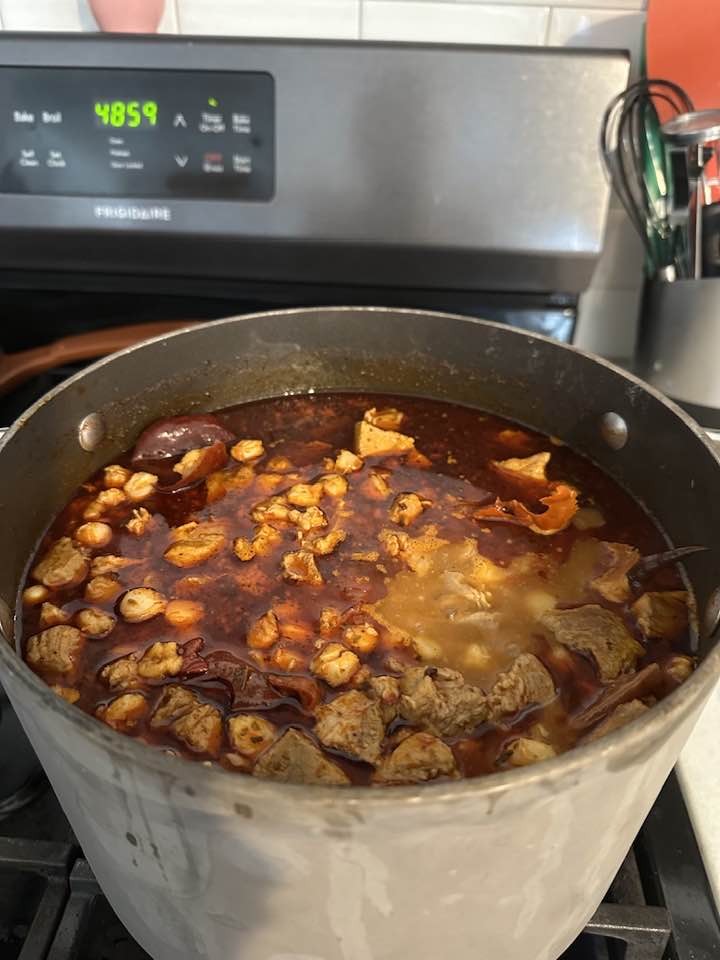
This posole is more than just a dish—it’s a living piece of family history, passed down through generations and cooked with patience, care, and intention.
Built slowly from dried hominy, tender pork, and deeply aromatic dried chiles, it reflects the kind of cooking that brings people together for hours around the kitchen and the table.
Every step honors tradition, transforming simple ingredients into a rich, soulful stew that carries warmth, memory, and comfort in every bowl.
Why People Will Love This Family-Style Posole Recipe
Deeply Rooted in Tradition
This recipe isn’t just about flavor—it carries history, culture, and family memory, making every bowl feel meaningful and authentic.
Slow-Cooked, Soul-Warming Comfort
Hours of gentle simmering allow the pork to become fall-apart tender and the hominy to develop a rich, satisfying texture that defines true posole.
Bold, Layered Chile Flavor
Dried red chile pods, chili powder, and oregano create a complex, earthy heat that builds slowly and lingers beautifully without overpowering.
From-Scratch Hominy Preparation
Starting with dried posole hominy delivers superior texture and depth compared to canned versions, resulting in a stew that feels truly handmade.
Perfect Balance of Simplicity and Depth
With just a handful of humble ingredients, the recipe achieves remarkable richness, proving that great food doesn’t need to be complicated.
Customizable at the Table
Garnishes like lime, cabbage, onion, and oregano allow everyone to tailor their bowl, making each serving personal and interactive.
Ideal for Gatherings and Celebrations
This is a pot-of-love recipe—made to feed many, shared slowly, and remembered long after the meal ends.
Even Better the Next Day
Like all great stews, the flavors deepen overnight, making leftovers even more comforting and flavorful.
A Dish That Tells a Story
Every spoonful reflects patience, care, and tradition—people don’t just eat this posole, they experience it.
Key Ingredients:
Dried Posole Hominy
The heart of the dish. Starting with dried hominy gives posole its signature chewy-yet-tender texture and a deep, earthy corn flavor that canned hominy simply can’t match.
Pork Butt / Shoulder
A slow-cooking cut rich in connective tissue and fat, it becomes incredibly tender over hours of simmering and infuses the broth with body and savory depth.
Dried Red Chile Pods
These chiles provide the soul of the stew—smoky, earthy, and gently spicy—creating a complex chile-forward broth without harsh heat.
Chili Powder (Hot, if Preferred)
Enhances the chile base and adds warmth and intensity, reinforcing the stew’s bold character.
Whole Oregano
Traditional in posole, whole oregano releases its aroma slowly during cooking, adding herbal depth that balances the richness of the pork.
Garlic
A foundational aromatic that deepens the broth and ties together the corn, pork, and chile flavors.
Salt
Simple but essential—proper seasoning brings all the long-simmered elements into harmony and allows the chiles and pork to truly shine.
Expert Tips
Respect the Hominy Preparation
The repeated boiling and draining steps are crucial. They clean the hominy, improve texture, and help it open properly during the long simmer. Skipping this will result in tougher kernels.
Use Pork Shoulder, Not Lean Cuts
Fat and connective tissue are essential for a rich broth. Lean pork will dry out and fail to develop the depth that defines great posole.
Crack the Dried Chiles Slightly
Breaking the chile pods in half before adding them helps release their oils and flavor more efficiently during the long simmer.
Salt Gradually, Not All at Once
As the broth reduces over hours, salt concentrates. Season lightly at first and adjust toward the end for perfect balance.
Keep the Hominy Submerged
Always ensure the hominy stays covered with liquid. Add hot water as needed—never cold—to maintain steady cooking.
Simmer, Don’t Boil
A gentle, steady simmer extracts flavor without toughening the meat or clouding the broth.
Stir from the Bottom Occasionally
Hominy can settle and stick. Gentle stirring prevents scorching and keeps textures consistent.
Skim Impurities Early
During the first hour, skim any foam or excess fat for a cleaner, clearer broth.
Let It Rest Before Serving
Allow the posole to sit off the heat for 15–20 minutes. This helps flavors settle and improves the final taste.
Trust the Time
Posole cannot be rushed. The long cook is what transforms simple ingredients into something soulful and unforgettable.
My Family Tradition of Posole
Ingredients:
2 ½ lbs dried posole hominy
3 lbs pork butt/shoulder, cut into 1-inch pieces
4 cloves garlic, diced
2 ½ heaping tbsp chili powder (hot recommended)
2 tsp whole oregano
3 large dried red chile pods + 3 small pods
Salt to taste
Instructions
Prepare the Hominy:
Soak the dried hominy overnight.
Drain and transfer to a large deep pot. Cover with about 4 quarts of water.
Bring to a boil and cook for about 3 minutes. Drain.
Return the hominy to the pot, add the same amount of fresh water, and boil for 10 minutes. Drain again.
Cook the Posole:
Return the hominy to the pot and cover with 4 quarts of fresh water.
Bring to a boil, then add the pork pieces.
Reduce heat to medium and cook for 30 minutes.
Season and Simmer:
Add the diced garlic, chili powder, whole oregano, red chile pods, and salt.
Simmer for 3 to 4 hours, stirring occasionally and adding water as needed to keep the hominy submerged.
Serve:
Once the hominy is tender and the pork is fall-apart soft, adjust seasoning to taste.
Serve hot with warm tortillas, lime wedges, chopped onions, shredded cabbage, and a sprinkle of fresh oregano if desired.
Important Notes When Making Traditional Family-Style Posole
This Is a Time-Intensive Recipe by Design
Posole is not meant to be rushed. The long soak and extended simmer are essential to developing the correct texture, flavor, and depth. Shortcuts will noticeably change the final dish.
Dried Hominy Is Non-Negotiable for Authentic Texture
Canned hominy will soften much faster but lacks the nutty depth and satisfying bite that dried posole hominy provides. This recipe honors tradition and authenticity.
Expect a Gradual Flavor Build
The broth may taste mild in the first hour. The chile, pork, and oregano deepen slowly—resist the urge to over-season early.
Liquid Level Matters Constantly
Hominy absorbs a surprising amount of liquid. Always keep it submerged to avoid uneven cooking or tough kernels.
Chile Heat Develops Over Time
Dried chile pods release their spice gradually. What tastes gentle early on may become bold by the end—adjust chili powder carefully.
Do Not Remove Chile Pods Too Early
Leaving the pods in during the full simmer ensures full extraction of flavor and color. Remove only before serving if desired.
Salt at the End for Accuracy
Evaporation concentrates flavors. Final seasoning should always happen after the long simmer.
Fat Is Part of the Flavor
A light sheen of rendered pork fat on the surface is traditional and adds richness. Skim only excess impurities, not all the fat.
Resting Improves the Stew
Posole tastes best after resting. Even 20 minutes off heat improves balance; overnight rest makes it exceptional.
This Dish Is Meant to Be Shared
Posole is traditionally cooked in large batches and enjoyed communally. It’s a recipe that grows richer—both in flavor and meaning—when shared.
How to Enjoy Traditional Posole After Cooking
Let the Posole Rest Before Serving
Once the cooking is complete, turn off the heat and allow the posole to rest for 15–20 minutes. This resting time lets the broth settle, the hominy finish opening, and the flavors fully harmonize.
Skim and Adjust Thoughtfully
Before serving, skim off any excess surface fat if desired, but leave a light sheen—it adds richness and authenticity. Taste the broth and make final adjustments with salt or a touch more oregano if needed.
Serve Hot in Deep Bowls
Posole is best enjoyed steaming hot. Use deep bowls to ensure each serving includes plenty of hominy, tender pork, and rich chile-infused broth.
Build the Classic Garnish Experience
Garnishes are not optional—they complete the dish. Serve with:
- Fresh lime wedges for brightness
- Finely chopped white onion for crunch
- Shredded cabbage or lettuce for freshness
- Dried oregano (rubbed between fingers) for aroma
- Optional chile flakes or hot sauce for added heat
Encourage diners to customize their bowls to taste.
Pair with Warm Accompaniments
Enjoy posole with warm corn or flour tortillas, tostadas, or crusty bread to soak up the broth. These sides turn the meal into a deeply satisfying experience.
Eat Slowly and Intentionally
Posole is meant to be savored. Take time to appreciate the contrast between chewy hominy, melt-in-your-mouth pork, and layered chile flavors.
Perfect for Shared Meals
Serve posole family-style, keeping the pot warm on the stove and letting everyone come back for seconds. It’s a dish that encourages conversation and connection.
Enhance Leftovers the Right Way
Posole tastes even better the next day. When reheating, warm gently over medium-low heat and add hot water if needed to restore the original consistency.
Transform Leftovers Creatively
Use leftover posole as a base for next-day meals—serve it thicker with rice, turn it into tacos with shredded pork, or enjoy it as a lighter broth with extra lime.
Honor the Tradition
Enjoy posole not just as food, but as a tradition—one meant to comfort, nourish, and bring people together around the table.
Nutrition Information:
YIELDS: 1 | SERVING SIZE: 1
Calories: ~350 kcal | Protein: ~35g | Carbohydrates: ~35g | Fiber: ~6g | Sugars: ~2g | Fat: ~12g | Saturated Fat: ~4g | Cholesterol: ~80mg | Sodium: ~600mg
Frequently Asked Questions:
Can I use canned hominy instead of dried?
Yes, but the texture and flavor will be different.
Canned hominy is already cooked, so you can add it during the last 30-40 minutes of cooking instead of soaking and simmering for hours.
However, dried hominy provides a richer, more traditional taste.
What type of chile pods should I use?
New Mexican red chile pods are best for authenticity.
You can use Hatch, Guajillo, or Ancho chile pods, depending on your spice preference.
Hot chile varieties will bring more heat, while milder ones will add a subtle smokiness.
Can I make this in a slow cooker or Instant Pot?
Yes! For a slow cooker, add all ingredients after soaking the hominy and cook on low for 6-8 hours or until tender.
In an Instant Pot, pressure cook soaked hominy and pork for 45-50 minutes with natural release.
How can I store and reheat leftovers?
Store posole in an airtight container in the refrigerator for up to 4 days. It also freezes well for up to 3 months.
Reheat gently on the stove, adding a little water or broth if it thickens too much.
What toppings go well with posole?
Traditional toppings include shredded cabbage, chopped onions, fresh lime wedges, radishes, avocado slices, and warm tortillas.
These add texture and freshness to balance the rich, smoky broth.
Why do I need to soak the hominy overnight?
Soaking dried hominy softens it and reduces the cooking time.
Without soaking, it can take much longer to become tender and fully absorb the flavors of the broth.
How do I know when the posole is fully cooked?
The hominy should be plump and tender but still slightly chewy, and the pork should be fall-apart soft.
If the hominy is still tough, continue simmering and add more water as needed.
Can I make posole ahead of time?
Yes! Posole tastes even better the next day as the flavors deepen.
Make it a day in advance and reheat it gently on the stove, adding a bit of water if needed.
How spicy will the posole be?
The spice level depends on the type and amount of red chile used.
To reduce heat, use milder chile pods like Guajillo or remove the seeds before blending.
To make it spicier, add extra hot chile powder or crushed red pepper.
What’s the best way to thicken posole?
Posole naturally thickens as the hominy releases starch.
If you want a thicker broth, let it simmer uncovered for the last 30 minutes.
Alternatively, blend a few softened chile pods with some broth and stir it back into the pot.