Eggplant Parmesan
Eggplant Parmesan is a classic Italian-American dish that combines the rich flavors of tender eggplant, savory marinara sauce, and gooey, melted cheese.
This delightful recipe begins with slices of eggplant that are breaded with a blend of homemade breadcrumbs, parmesan cheese, and aromatic herbs, then either fried to golden perfection or baked for a healthier alternative.
Layered with marinara sauce, mozzarella, and more parmesan cheese, it’s baked until bubbly and topped with fresh basil and oregano for a burst of freshness. Whether served as a comforting main course or a delicious side, Eggplant Parmesan is a flavorful and satisfying dish that’s sure to please the palate.
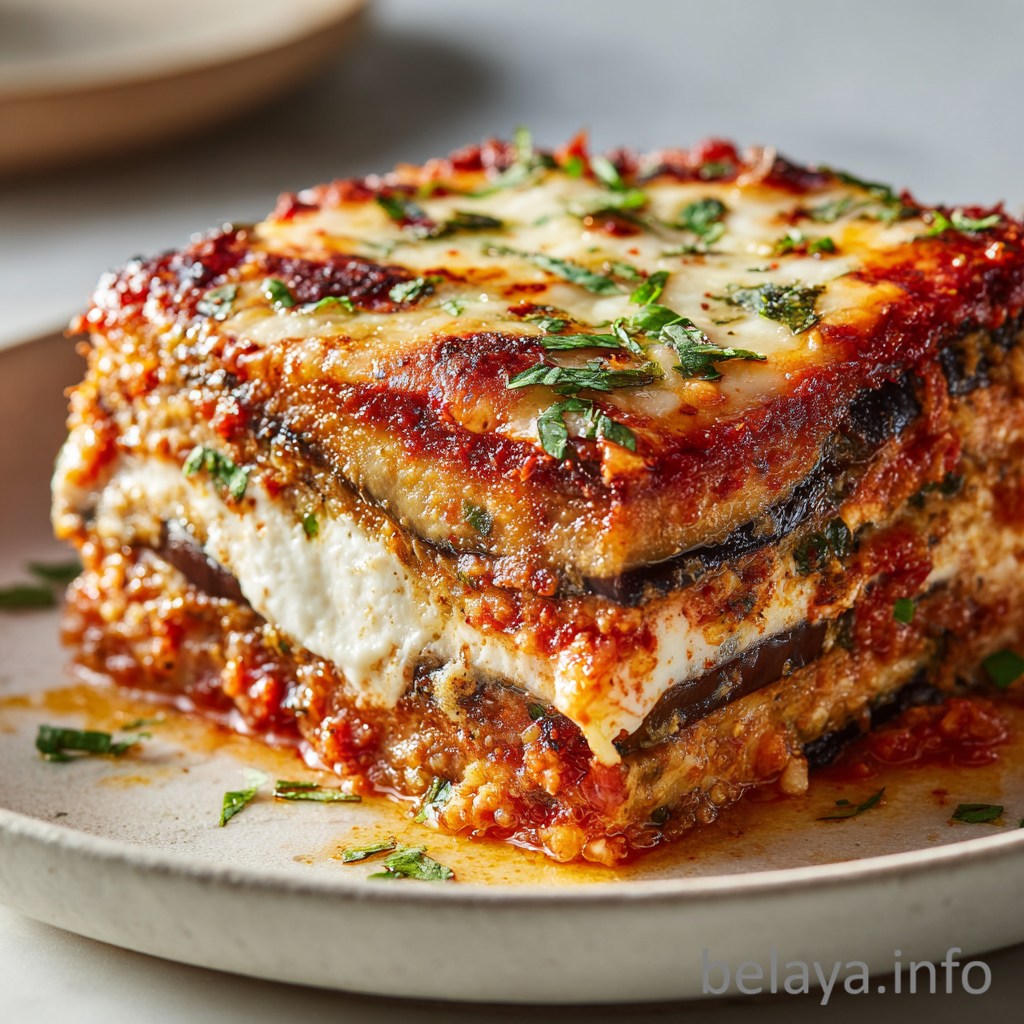
Why You’ll Love Eggplant Parmesan Recipe:
Rich, comforting layers: This Eggplant Parmesan has everything people crave in a cozy baked dish: tender eggplant, flavorful marinara, melted mozzarella, nutty parmesan, and fresh herbs layered together in every bite.
A satisfying meatless meal: Even without meat, this recipe feels hearty and filling. The breaded eggplant gives the dish structure and substance, making it a great vegetarian main course.
Golden, crispy eggplant: The eggplant slices are coated in flour, egg, and seasoned breadcrumbs, then either pan-fried or baked until golden. This creates a delicious contrast between the crisp coating and the soft, creamy eggplant inside.
Homemade breadcrumb flavor: Using toasted bread for homemade breadcrumbs gives the coating a fresher, more rustic texture. Mixed with parmesan, garlic powder, Italian herbs, salt, and pepper, the breadcrumbs add deep savory flavor.
Cheesy and saucy in the best way: Mozzarella melts into creamy layers, parmesan adds sharpness, and marinara brings brightness and richness. Together, they make the dish feel indulgent without being complicated.
Flexible cooking method: People can pan-fry the eggplant for a more classic, crispy result, or bake it for a lighter version that uses less oil. Both methods still give a delicious final dish.
Perfect for family dinners: This casserole-style recipe is easy to serve, comforting, and crowd-pleasing. It works well for weeknight dinners, Sunday meals, holidays, or gatherings.
Fresh herbs make it special: A finishing touch of fresh basil and oregano adds color, aroma, and a bright garden-fresh flavor that balances the richness of the cheese and sauce.
Beautiful texture in every bite: The dish has crisp breaded edges, soft eggplant centers, gooey melted cheese, and warm marinara. That mix of textures makes it feel satisfying and restaurant-worthy.
Classic Italian-inspired flavor: With marinara, parmesan, mozzarella, garlic, herbs, and golden eggplant, this recipe delivers the familiar, comforting flavors people love in Italian-style home cooking.
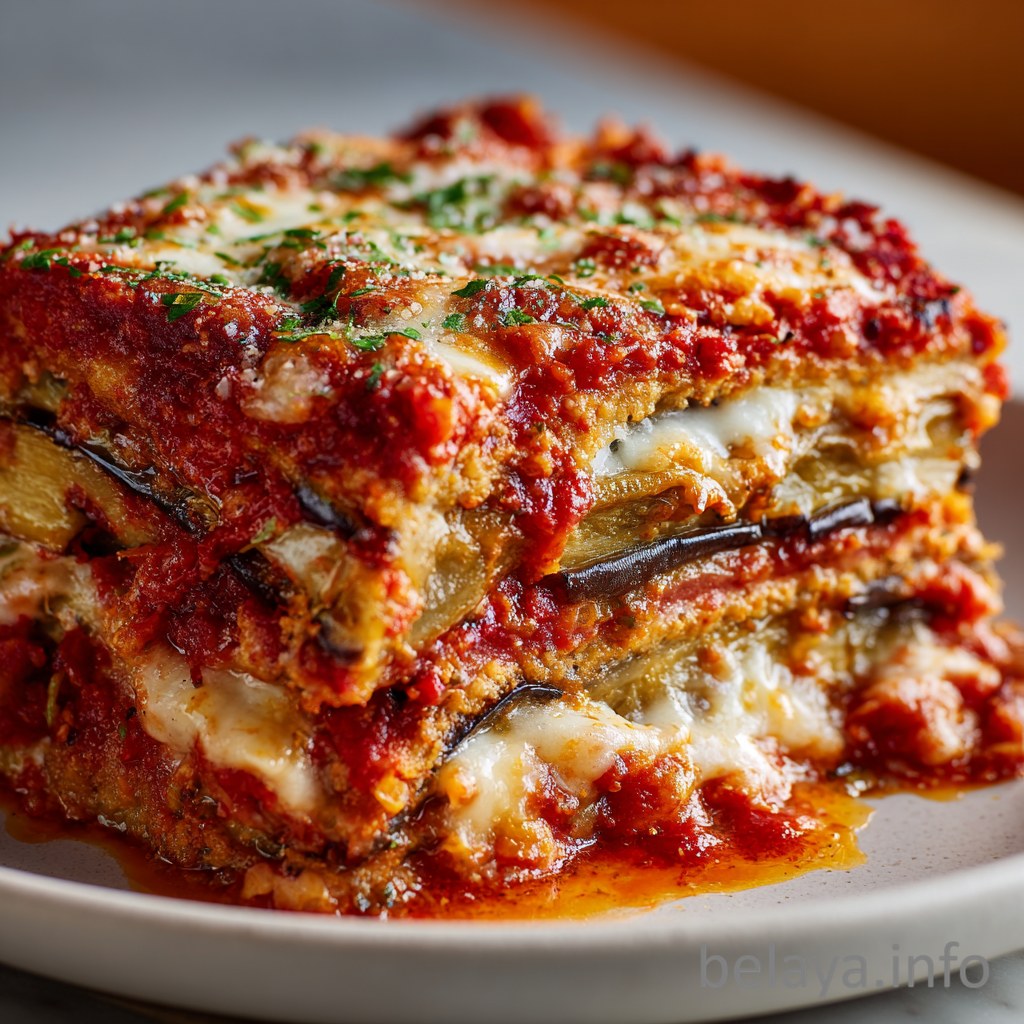
Key Ingredients:
Eggplant: The heart of the recipe. When sliced, salted, and dried properly, eggplant becomes tender and almost creamy inside while still holding its shape in the casserole.
All-purpose flour: Helps create the first coating layer on the eggplant. It gives the eggs something to cling to, which makes the breadcrumb crust stick better.
Eggs: Act as the binder between the flour and breadcrumbs. They help the coating stay attached so the eggplant can turn golden and crisp.
Homemade breadcrumbs: Toasted bread slices create a rustic, fresh crumb coating with more texture than many packaged breadcrumbs. They give the eggplant a crisp, hearty crust.
Parmesan cheese: Used in both the breadcrumb mixture and the topping. It adds salty, nutty, savory flavor that deepens the whole dish.
Italian herb blend: Brings classic Italian-style flavor to the breading. It adds an herby aroma that pairs beautifully with the marinara and cheese.
Garlic powder: Gives the breadcrumb coating a warm, savory flavor without overpowering the eggplant.
Olive oil: Used for pan-frying or brushing the baking sheet. It helps the breaded eggplant become golden, crisp, and flavorful.
Marinara sauce: Adds richness, brightness, and moisture between the layers. A generous amount keeps the casserole saucy and comforting.
Mozzarella cheese: Melts into creamy, stretchy layers. It gives Eggplant Parmesan its classic cheesy texture and comforting baked finish.
Fresh basil: Added at the end for color, aroma, and a fresh sweet-herbal flavor that balances the rich cheese and sauce.
Fresh oregano: Gives the final dish a deeper herb flavor and a fragrant, homemade Italian-style finish.
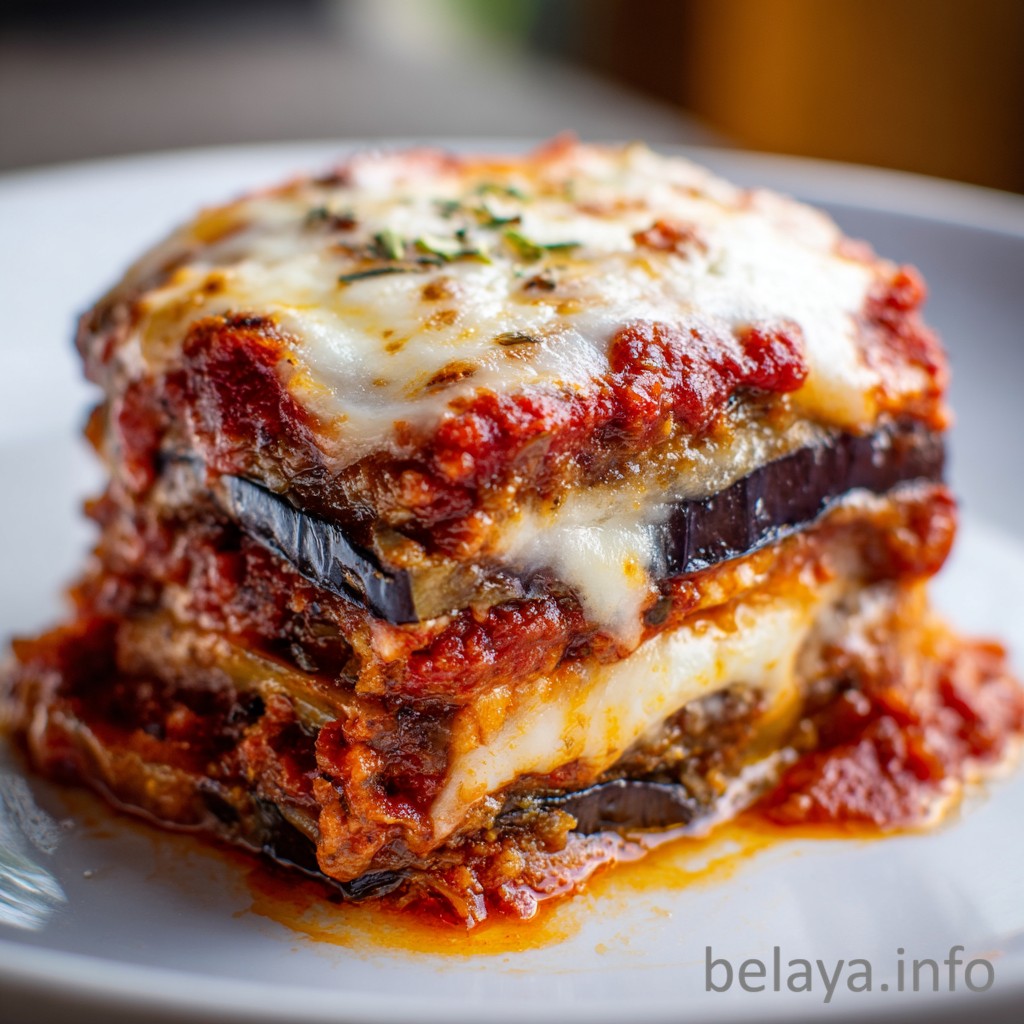
Expert Tips:
Salt the eggplant before cooking: Letting the sliced eggplant “sweat” helps draw out excess moisture. This keeps the final casserole from becoming watery and helps the coating stay crispier.
Pat the eggplant very dry: After salting, press the slices firmly with paper towels. The drier the eggplant is, the better the flour, egg, and breadcrumb coating will stick.
Keep the slices evenly thick: Aim for about 1/4 to 1/2 inch thick. Thin slices cook faster and become more delicate, while thicker slices give the dish a heartier bite.
Season every layer: The breadcrumbs already have parmesan, herbs, garlic, salt, and pepper, but the sauce and cheese also matter. A well-seasoned marinara will make the whole dish taste deeper and more balanced.
Press the breadcrumbs onto the eggplant: Do not just dip lightly. Gently pack the breadcrumb mixture onto both sides so each slice gets a full, even crust.
Shake off excess coating: Too much flour or breadcrumb can make the coating heavy and loose. A thin, even layer gives the best golden texture.
Use fresh breadcrumbs for rustic texture: Homemade breadcrumbs from toasted bread give the eggplant a more natural, hearty crunch. They also absorb flavor beautifully from the parmesan and herbs.
Fry in small batches: Do not overcrowd the skillet. Crowding lowers the oil temperature and can make the eggplant absorb more oil instead of turning golden and crisp.
Add oil as needed, not all at once: Eggplant can absorb oil quickly. Start with 1–2 tablespoons, then add more between batches only when the pan looks dry.
Drain fried eggplant well: Place cooked slices on paper towels before layering. This removes extra oil and keeps the casserole from feeling greasy.
For a lighter version, bake the slices: Brushing the sheet pan with olive oil and baking the breaded eggplant gives you a lighter dish while still creating a golden coating.
Do not drown the layers in sauce: Use enough marinara to keep the dish moist, but avoid adding too much between every layer. Too much sauce can soften the breading and make the casserole watery.
Use low-moisture mozzarella if possible: It melts beautifully without releasing too much liquid. Fresh mozzarella can work, but it may make the dish softer and wetter.
Let it rest before serving: After baking, allow the Eggplant Parmesan to sit for 10–15 minutes. This helps the cheese settle, the layers hold together, and the flavors deepen.
Finish with fresh herbs after baking: Add basil and oregano at the end, not before. Fresh herbs keep their color, aroma, and bright flavor when added right before serving.
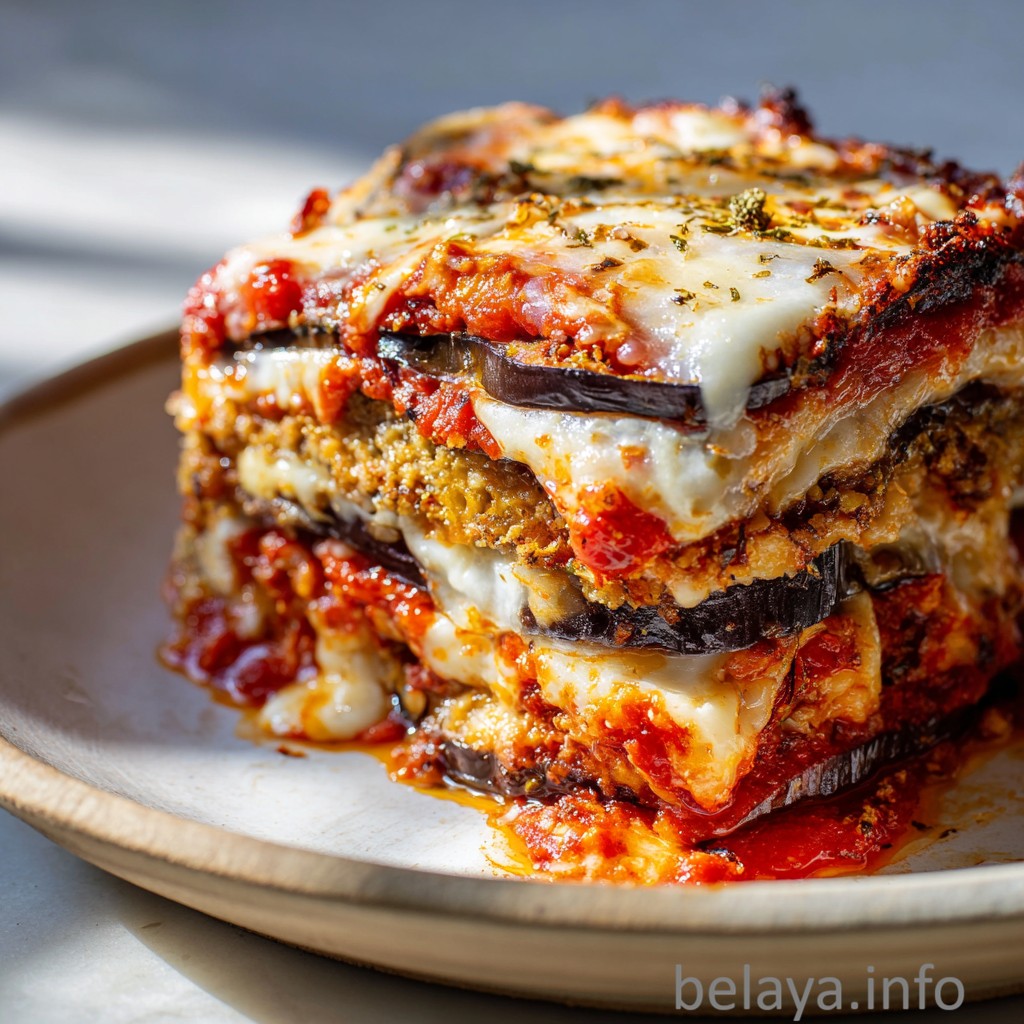
Eggplant Parmesan
Ingredients
Eggplant
2 large eggplants
1/2 cup all-purpose flour (see notes)
3 eggs
1/4 cup olive oil (for fried eggplant method)
Homemade Breadcrumbs
6 bread slices (about 1 1/2 cups – see notes) for more info use our homemade breadcrumb recipe.
1/2 cup parmesan cheese shredded
2 teaspoons Italian herb blend
1 teaspoon garlic powder
1/2 teaspoon (each) salt & black pepper
Toppings
1 1/2 cups marinara if you like a lot of sauce you can aim for 2 to 2 1/2 cups of sauce
1 lb mozzarella cheese
1/3 cup parmesan cheese shredded
1-2 Tablespoons fresh basil chopped
1 teaspoon fresh oregano chopped
Instructions
Slice eggplant:
Remove stem from eggplant then slice into 1/4-1/2 inch thick slices.
Sweat eggplant:
Arrange slices on a pan and sprinkle with a pinch of coarse salt on both sides.
Let sit and “sweat” excess moisture for 10 minutes.
Pat firmly with paper towels to dry eggplant thoroughly (wipe off salt as well).
Breadcrumbs:
Toast slices of bread.
Then chop in food processor until consistency is crumbs.
Mix breadcrumbs in a bowl with garlic powder, salt & pepper, Italian herbs, and shredded parmesan cheese.
Tip: If you are not making your own breadcrumbs, use 1 1/2 cups of store-bought breadcrumbs instead.
Bread eggplant:
Arrange three bowls containing whisked eggs, flour, and breadcrumb mixture.
First, coat eggplant in flour on both sides, then dip into eggs, and then dip into breadcrumbs – pack onto eggplant and then gently shake off excess crumbs.
Wipe hands with paper towel then repeat.
Tip: if baking eggplant instead of frying, brush a sheet pan with 1-2 Tablespoons of oil and arrange breaded eggplant onto pan as you coat them.
Pan frying method:
In a skillet pan, add 1-2 Tablespoons of oil at a time, and cook breaded eggplant for 2-3 minutes on each side until golden brown.
Lay on paper towels to soak up excess oil.
Repeat until all eggplant has been fried.
Baking method:
Instead of pan frying you can also bake the eggplant to use less oil.
Preheat oven to 350F and arrange breaded slices onto sheet pan that is brushed with 1-2 Tablespoons of olive oil.
Bake for 25 minutes until golden.
Assemble:
In a large casserole dish, spread a generous layer of marinara on the bottom.
Then layer: eggplant slices, mozzarella, a spoonful of marinara, and shredded parmesan.
Repeat an additional layer (breaded eggplant, mozzarella, marinara, and shredded parmesan).
Bake:
Then bake at 400F uncovered for 30 minutes until cheese is browned and melted.
Top with chopped fresh basil & oregano, and serve!
Important Notes When Making Eggplant Parmesan
Eggplant needs moisture control: Salting the eggplant is an important step because eggplant naturally holds water. Letting it sit, then patting it very dry, helps prevent a watery casserole and gives the breading a better texture.
Slice thickness matters: Try to keep the eggplant slices between 1/4 and 1/2 inch thick. Slices that are too thin may become fragile, while slices that are too thick may not soften enough during baking.
Do not skip drying after salting: After the eggplant sweats, wipe away the moisture and excess salt with paper towels. This keeps the flavor balanced and helps the coating stick properly.
Homemade breadcrumbs give a rustic finish: Toasted bread crumbs create a heartier, fresher coating than plain packaged crumbs. They also blend well with parmesan, garlic, and Italian herbs for deeper flavor.
Store-bought breadcrumbs can be used: Use about 1 1/2 cups of store-bought breadcrumbs if you do not want to make your own. Italian-style breadcrumbs will add extra seasoning, while plain breadcrumbs give you more control over the flavor.
Pan-frying gives the crispiest result: Frying the breaded eggplant in a small amount of olive oil creates a golden, crisp crust and a richer flavor. It is the more classic method for a deeply comforting Eggplant Parmesan.
Baking is a lighter option: Baking the breaded eggplant uses less oil and is easier for larger batches. The texture may be slightly less crisp than frying, but it still works well once layered with sauce and cheese.
Use sauce carefully: Too much marinara between the layers can make the breading soft and the casserole watery. Use a generous but controlled amount, adding more only if you prefer a saucier dish.
Mozzarella choice affects texture: Low-moisture mozzarella melts well and keeps the casserole firmer. Fresh mozzarella can be delicious, but it may release more liquid while baking.
Layer evenly for the best bite: Spread the eggplant, sauce, mozzarella, and parmesan evenly so every serving has a balanced mix of crispy coating, tender eggplant, melted cheese, and marinara.
Bake uncovered: Baking uncovered helps the cheese brown and melt beautifully on top. Covering the dish may trap steam and make the breaded eggplant softer.
Let it rest before slicing: Resting for 10–15 minutes after baking helps the layers set. This makes the dish easier to cut and gives the flavors time to come together.
Fresh herbs are best added at the end: Basil and oregano should be sprinkled on after baking so they stay bright, fragrant, and fresh instead of turning dark or losing flavor in the oven.
This dish is best served warm: Eggplant Parmesan tastes best when the cheese is melted, the sauce is hot, and the eggplant is tender. Leftovers are still delicious, but the breading will soften as it sits.
How to Enjoy Eggplant Parmesan After Cooking
Let it rest before serving:
After removing the Eggplant Parmesan from the oven, let it rest for about 10–15 minutes. This helps the melted cheese settle, the sauce thicken slightly, and the layers hold together better when sliced.
Serve it warm, not boiling hot:
Eggplant Parmesan tastes best when it is still warm and cheesy, but not so hot that the flavors are muted. A short resting time allows the marinara, parmesan, mozzarella, and herbs to taste richer and more balanced.
Cut into generous portions:
Use a sharp knife or flat spatula to cut through the layers. Try to scoop from the bottom of the dish so each serving includes eggplant, sauce, melted mozzarella, parmesan, and the golden top layer.
Add fresh herbs right before serving:
Sprinkle extra chopped basil or oregano over the top just before eating. The fresh herbs add color, brightness, and a garden-fresh flavor that balances the richness of the cheese and sauce.
Pair it with bread:
Serve with garlic bread, crusty Italian bread, or warm focaccia. The bread is perfect for soaking up extra marinara and melted cheese left on the plate.
Serve it with pasta for a classic meal:
Eggplant Parmesan pairs beautifully with spaghetti, linguine, or penne tossed in a little marinara or olive oil. This makes the meal more filling and gives it a traditional Italian-style dinner feel.
Keep the side dishes simple:
Because Eggplant Parmesan is rich and cheesy, lighter sides work well. A crisp green salad, roasted vegetables, sautéed spinach, or steamed green beans can make the plate feel balanced.
Add a little extra sauce if desired:
If you enjoy a saucier dish, warm a small bowl of marinara on the side and spoon it over each serving. This keeps the casserole from becoming too wet while baking but still lets each person add more sauce.
Finish with extra parmesan:
A light sprinkle of parmesan over each plate adds salty, nutty flavor and makes the dish taste freshly finished.
Enjoy the texture while it is fresh:
Right after baking and resting, the eggplant is tender, the edges are slightly crisp, and the cheese is melted and stretchy. This is the best moment to enjoy the dish at its most comforting.
Use leftovers in a sandwich:
Warm leftover Eggplant Parmesan and tuck it into a toasted roll with extra marinara and mozzarella. It makes a hearty, flavorful sandwich that tastes like a second meal, not just leftovers.
Reheat gently for best results:
Reheat leftovers in the oven or air fryer when possible to bring back some texture. The microwave works for convenience, but it will make the breading softer.
Serve it family-style:
Place the casserole dish on the table with a serving spoon, extra basil, parmesan, and warm marinara nearby. This makes the meal feel cozy, homemade, and perfect for sharing.
Nutrition Information:
Per serving based on about 8 servings:
Calories: 430–480 kcal | Total Fat: 27–32 g | Saturated Fat: 11–14 g | Monounsaturated Fat: 10–13 g | Polyunsaturated Fat: 3–5 g | Cholesterol: 95–120 mg | Sodium: 850–1,100 mg | Total Carbohydrates: 30–36 g | Dietary Fiber: 5–7 g | Sugars: 7–10 g | Protein: 18–23 g
Frequently Asked Questions:
Can I use store-bought breadcrumbs instead of homemade ones?
Yes, you can substitute 1 1/2 cups of store-bought breadcrumbs for the homemade ones.
However, making your own breadcrumbs adds a fresh flavor and texture to the dish.
What type of bread can I use for homemade breadcrumbs?
You can use various types of bread for homemade breadcrumbs, including grain bread, white bread, gluten-free bread, or Ezekiel bread.
Choose your favorite type or whatever you have on hand.
What type of flour should I use for dredging the eggplant?
I recommend using a finely ground flour such as all-purpose, white whole wheat, gluten-free flour blend, or oat flour for dredging the eggplant.
These flours provide a nice coating and help the breadcrumbs adhere.
Can I make this recipe gluten-free?
Yes, you can make this recipe gluten-free by using a gluten-free flour blend for dredging the eggplant and either store-bought gluten-free breadcrumbs or homemade breadcrumbs made from gluten-free bread.
Is there a healthier alternative to pan-frying the eggplant?
If you prefer a healthier option, you can bake the breaded eggplant slices instead of pan-frying them.
Simply brush a sheet pan with olive oil, arrange the breaded eggplant slices on it, and bake at 350°F for about 25 minutes until golden brown.
Can I use store-bought breadcrumbs instead of making homemade ones?
Yes, you can substitute 1 1/2 cups of store-bought breadcrumbs for the homemade ones if you prefer.
What type of bread can I use for making homemade breadcrumbs?
You can use various types of bread for homemade breadcrumbs, including grain bread, white bread, gluten-free bread, or Ezekiel bread.
Choose your favorite type or whatever you have on hand.
What types of flour are suitable for dredging the eggplant slices?
Suitable flours for dredging the eggplant include all-purpose flour, white whole wheat flour, gluten-free flour blend, or oat flour.
Use finely ground flour for best results.
How can I make this recipe gluten-free?
To make this recipe gluten-free, use a gluten-free flour blend for dredging the eggplant and either use store-bought gluten-free breadcrumbs or make homemade breadcrumbs using your favorite gluten-free bread.
Can I bake the breaded eggplant slices instead of frying them to reduce oil usage?
Yes, instead of pan-frying, you can bake the breaded eggplant slices.
Preheat the oven to 350°F, arrange the breaded slices on a sheet pan brushed with olive oil, and bake for about 25 minutes until golden brown.
How long should I sweat the eggplant slices before using them in the recipe?
It’s recommended to let the eggplant slices sit and “sweat” excess moisture for about 10 minutes.
After sweating, pat the slices firmly with paper towels to dry them thoroughly.
What is the purpose of sweating the eggplant before cooking?
Sweating the eggplant helps to remove excess moisture, which can make the eggplant soggy when cooked.
This step helps to ensure that the eggplant slices have a firmer texture when cooked.
Can I prepare the eggplant Parmesan in advance and bake it later?
Yes, you can assemble the eggplant Parmesan ahead of time and refrigerate it until ready to bake.
Just be sure to cover it tightly with plastic wrap or aluminum foil to prevent drying out.
What can I use as a substitute for mozzarella cheese?
You can substitute mozzarella cheese with other melting cheeses such as provolone, fontina, or Monterey Jack if desired.
Can I freeze leftover eggplant Parmesan?
Yes, you can freeze leftover eggplant Parmesan.
Allow it to cool completely, then wrap it tightly in plastic wrap and aluminum foil before placing it in the freezer.
Thaw in the refrigerator overnight before reheating.