Linguine In Shrimp Cream
This dish is a beautiful expression of modern Italian cooking—where simplicity meets bold creativity. At its heart, it’s a harmony of contrasts: the sweetness of shrimp, the richness of cream and burrata, and the vibrant brightness of citrus coming together in a way that feels both indulgent and refreshing.
What sets this recipe apart is its layered technique. One part is deeply savory—garlic, olive oil, and shrimp gently releasing their flavor—while another transforms into a silky, aromatic cream infused with orange and delicate dairy. When combined, they create a sauce that’s both luxurious and surprisingly light on the palate.
Every bite feels dynamic: tender pasta coated in a glossy cream, bursts of citrus lifting the richness, and perfectly cooked shrimp adding texture and sweetness. It’s a dish that feels elegant yet approachable—perfect for when you want something comforting, but elevated and unforgettable.
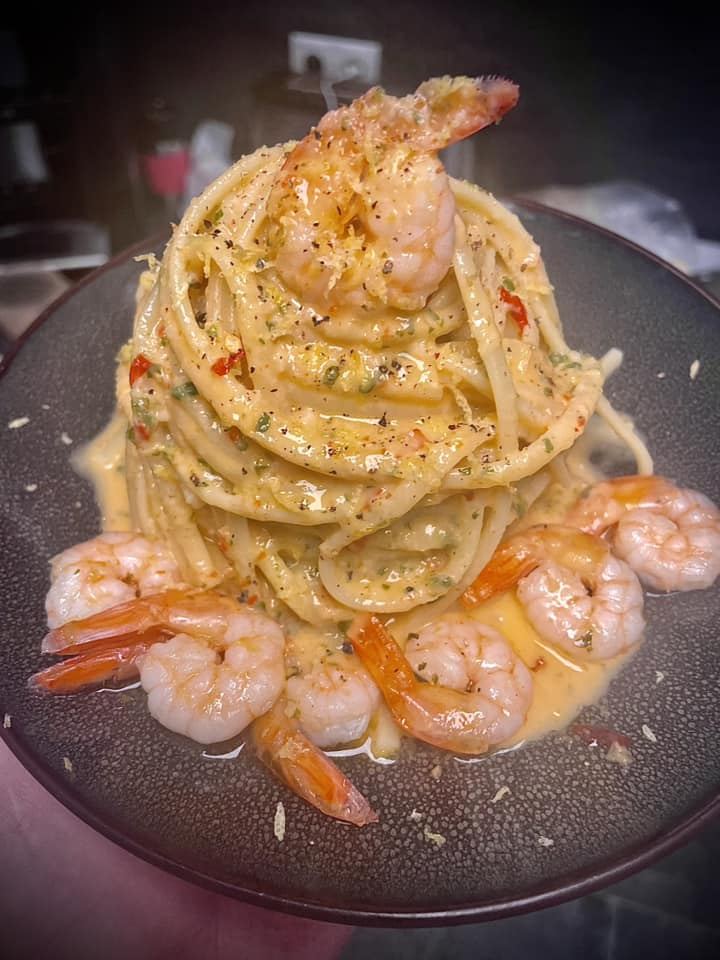
Why People Will Love Linguine In Shrimp Cream Recipe
A Unique Fusion of Creamy and Bright Flavors – The richness of burrata and cream is perfectly balanced by fresh orange juice and lemon zest, creating a sauce that feels indulgent yet light and refreshing.
Natural Sweetness of Shrimp Enhanced – Shrimp bring a delicate, slightly sweet flavor that pairs beautifully with citrus and garlic, making every bite feel clean, vibrant, and satisfying.
Silky, Restaurant-Quality Texture – Blending burrata into the sauce creates a luxurious, velvety consistency that coats the linguine smoothly without feeling heavy or overly thick.
Layered Cooking Technique for Depth – Cooking shrimp in two stages (one for flavor infusion, one for finishing) builds complexity and ensures perfect texture—juicy, tender, and never overcooked.
Aromatic and Flavorful Base – Garlic, olive oil, chili, and herbs create a fragrant foundation that elevates the entire dish without overpowering the delicate seafood.
Perfect Balance of Comfort and Elegance – It has the comforting feel of a creamy pasta dish but with refined, fresh elements that make it suitable for special occasions or elevated dining at home.
Dynamic Texture in Every Bite – From silky sauce to tender pasta and plump shrimp, the dish offers contrast and interest that keeps each bite exciting.
Visually Stunning Presentation – Bright citrus zest, vibrant shrimp, and glossy pasta create a dish that looks as impressive as it tastes.
Quick Yet Sophisticated – Despite its complex flavor profile, the recipe comes together relatively quickly, making it ideal for both weeknight cooking and entertaining guests.
Highly Customizable Flavor Profile – You can adjust the citrus level, spice, or creaminess to suit your taste, allowing you to personalize the dish without losing its core identity.
Memorable and Different from Classic Cream Pastas – Unlike traditional Alfredo-style dishes, this recipe stands out with its citrus twist and seafood-forward character, offering something new and exciting.
Key Ingredients:
Key Ingredients – What Makes This Shrimp Cream Linguine Exceptional
Linguine – The ideal pasta for this dish. Its flat, slightly narrow shape allows the creamy sauce to cling evenly, delivering a perfect balance of pasta and sauce in every bite.
Shrimp (Two Types: Tailed & Tail-Off) – Using shrimp in two stages builds depth. One batch infuses the base with rich seafood flavor, while the second batch is cooked separately for a juicy, tender finish and visual appeal.
Olive Oil – Forms the aromatic foundation. It gently carries the flavors of garlic and chili while adding a subtle fruitiness that enhances the seafood.
Garlic & Hot Pepper (Peperoncino) – Garlic provides a bold, savory backbone, while the chili adds a gentle heat that lifts the richness and keeps the dish from feeling heavy.
Fresh Parsley – Brings a clean, herbal brightness that balances the creaminess and adds freshness to the final dish.
Burrata (Creamy Center Only) – The secret to the sauce’s luxurious texture. Its soft, creamy interior melts into a silky, rich base that feels indulgent yet smooth and refined.
Orange Juice (Freshly Squeezed) – A surprising but essential element. It adds natural sweetness and acidity, cutting through the richness and giving the sauce a vibrant, modern twist.
Lemon (Zest) – Used at the end for a fresh, aromatic lift. The zest enhances the citrus profile without adding extra acidity, keeping the flavor bright and balanced.
White Wine – Used to deglaze the pan, adding depth and a subtle acidity that enhances the shrimp’s natural sweetness and the overall complexity of the sauce.
Aglio Olio Dry Seasoning – A concentrated blend that reinforces garlic and herb notes, adding another layer of savory intensity.
Salt & Black Pepper – Essential for bringing all elements together, highlighting both the sweetness of the shrimp and the brightness of the citrus.
Expert Tips When Making Perfect Linguine in Shrimp Cream
Cook Shrimp in Two Stages for Maximum Flavor
The first batch builds the flavor base of the sauce, while the second batch is cooked separately for perfect texture. This prevents overcooking and gives you both depth and beautifully tender shrimp.
Do Not Overcook the Shrimp (Critical)
Shrimp cook very quickly—usually 1–2 minutes per side. Remove them as soon as they turn pink and opaque. Overcooked shrimp become rubbery and lose their natural sweetness.
Control the Heat When Cooking Garlic
Garlic should be gently sweated, not browned. Burnt garlic introduces bitterness that can overpower the delicate balance of seafood and citrus.
Let the Wine Reduce Properly
After deglazing, allow the wine to simmer until the alcohol evaporates. This step concentrates flavor and removes harshness, leaving a clean, balanced acidity.
Use Pasta Water as a Key Ingredient
The starchy pasta water is essential for emulsifying the sauce. Adding it gradually helps bind the shrimp cream to the linguine, creating a glossy, cohesive finish.
Blend the Sauce Until Completely Smooth
When pureeing the burrata, shrimp base, and orange juice, aim for a silky, lump-free consistency. This ensures a refined, restaurant-quality texture.
Balance Citrus Carefully
Orange juice adds sweetness and brightness, while lemon zest adds aroma. Too much citrus can overpower the dish, so adjust gradually and taste as you go.
Keep the Sauce Off Direct Heat When Combining
Once the cream is added to the pasta, remove from direct heat. High heat can cause the dairy to split and lose its smooth texture.
Salt in Layers, Not All at Once
Season the shrimp, sauce, and pasta water lightly at each stage. This builds a more complex and balanced flavor than adding salt only at the end.
Use High-Quality Burrata for Best Results
The creaminess and flavor of the sauce depend heavily on the burrata. A fresh, high-quality burrata will create a noticeably richer and smoother sauce.
Finish with Fresh Elements Right Before Serving
Add parsley and lemon zest at the end to preserve their brightness and aroma. Cooking them too long dulls their impact.
Work Quickly During Final Assembly
Once the pasta is ready, move efficiently—combine, emulsify, plate. This ensures the sauce stays smooth and the pasta doesn’t dry out.
Warm the Serving Plates
A small detail that makes a big difference—warm plates help maintain the creamy consistency of the sauce and elevate the overall dining experience.
Linguine In Shrimp Cream
Ingredients:
250g of linguine
200g tailless shrimp
200g shrimp with tail
Olive oil
2 large cloves of garlic
1 hot pepper
1 handful of parsley
1 tsp aglio olio dry seasoning
1 burrata (only the inside)
1 orange
1 organic lemon
Salt pepper
Instructions:
As with many Italian dishes, this one starts with plenty of oil in the pan. Add to that the chopped garlic and the peperoncino.
As soon as everything is gently sweated, heat up, add the first shrimp and deglaze with a good sip of white wine. Once the alcohol has evaporated and the parsley is added, the shrimp are done.
Time to add the pasta to the boiling salted water.
Now put the contents of the pan in a tall container, add the peeled burrata and the orange juice and then puree (100ml cream should also work). A pinch of salt should also not be missing.
After 5 minutes cooking time, stir the dripping wet linguine into the “dirty pan” and add 4,5,6 ladles of pasta water al dente.
A second pan with olive oil should already be at the right temperature, since the second shrimp are now being attacked. The small crustaceans get the finishing touch with the coarse AeO dry spice.
Remove the pan with the linguine from the induction hob and stir in the shrimp orange cream.
Pasta on the plate, 4-5 spoons of cream over it, add the prawns and grate the lemon zest over it.
Enjoy it!
Important Notes for Linguine in Shrimp Cream
Balance Is the Core of This Dish
This recipe walks a fine line between richness and freshness. The creaminess from burrata must be balanced carefully with citrus (orange and lemon) to avoid a sauce that feels either too heavy or too sharp.
Shrimp Quality Defines the Final Flavor
Use fresh, high-quality shrimp whenever possible. Frozen shrimp can work, but must be properly thawed and dried to avoid excess water diluting the sauce.
Moisture Control Is Essential
Shrimp release water during cooking, and pasta water is added later. Managing these liquids carefully is key to achieving a silky sauce rather than a watery one.
The Sauce Is Delicate and Heat-Sensitive
Once the burrata-based cream is added, avoid high heat. Overheating can cause the sauce to split or become grainy instead of smooth and glossy.
Timing Is Critical in Final Assembly
Pasta, sauce, and shrimp must come together quickly. Delays can lead to overcooked shrimp or a sauce that thickens too much and loses its fluid texture.
Citrus Should Enhance, Not Dominate
Orange juice and lemon zest are meant to brighten the dish. Too much can overpower the shrimp and dairy, so always adjust gradually and taste frequently.
Layering Flavor Through Technique Matters
Each step—sweating aromatics, deglazing, blending, emulsifying—contributes to the final depth. Skipping or rushing steps will noticeably reduce the complexity of the dish.
Pasta Water Is Not Optional
It’s a key component that helps bind the sauce to the linguine. Without it, the sauce may sit on the pasta rather than coating it evenly.
Texture Contrast Is Part of the Experience
The creamy sauce, tender pasta, and perfectly cooked shrimp create a dynamic mouthfeel. Overcooking any element disrupts this balance.
Best Enjoyed Immediately After Cooking
This dish does not hold well. The sauce thickens and shrimp can become firm if left sitting too long, so it should be served and eaten right away.
Not a Traditional Italian Recipe—But a Modern Twist
The use of burrata and orange gives it a contemporary feel. Understanding this helps you embrace creativity rather than expecting a classic, traditional profile.
Precision Over Complexity
The recipe isn’t complicated, but it requires attention to detail—heat control, timing, and ingredient balance are what elevate it from good to exceptional.
How to Enjoy Linguine in Shrimp Cream
Serve Immediately for Peak Texture and Flavor
This dish is at its absolute best right after cooking. The sauce is silky, the shrimp are tender, and the citrus notes are bright. Waiting too long will cause the sauce to thicken and the shrimp to lose their delicate texture.
Plate with Intention and Balance
Twirl the linguine neatly into a nest using tongs or a fork, then spoon a few extra tablespoons of the shrimp cream over the top. Arrange the shrimp visibly for an elegant, restaurant-style presentation.
Finish with Fresh Elements Right Before Eating
Add lemon zest, chopped parsley, and a light crack of black pepper at the last moment. These fresh touches enhance aroma and bring brightness to balance the creamy base.
Enjoy the Contrast of Flavors in Each Bite
Try to get a bit of everything—pasta, sauce, shrimp, and citrus—in each forkful. This ensures you experience the full harmony of richness, sweetness, and acidity.
Pair with a Light, Refreshing Side
A simple green salad with a lemon vinaigrette or lightly dressed vegetables complements the dish and prevents it from feeling too heavy.
Use Bread to Capture Every Drop of Sauce
Serve with lightly toasted or grilled bread. The creamy, citrus-infused sauce is too flavorful to leave behind—dipping bread into it completes the experience.
Choose the Right Beverage Pairing
A glass of dry white wine (like Sauvignon Blanc or Pinot Grigio) enhances the citrus and seafood notes, making the meal feel more cohesive and elevated.
Control Portion Size Thoughtfully
This dish is rich, so moderate portions allow you to fully enjoy its complexity without overwhelming your palate.
Savor Slowly for Full Appreciation
The dish is layered and nuanced—take your time to notice how the flavors evolve, from the garlic and shrimp to the creamy citrus finish.
Avoid Letting It Sit Too Long
The sauce will continue to thicken as it cools. If needed, loosen it with a small splash of warm pasta water just before serving.
Handle Leftovers Carefully (If Any)
Store in an airtight container in the refrigerator. Reheat gently over low heat with a bit of cream or water, but note that shrimp may become slightly firmer.
Turn It into a New Experience
Leftovers can be refreshed with extra herbs or citrus, or even transformed into a seafood pasta bake for a different texture and flavor.
Create a Restaurant-Like Atmosphere at Home
Serve on warm plates, garnish thoughtfully, and enjoy in a relaxed setting—this dish is meant to feel special, not rushed.
Nutrition Information:
YIELDS: 4 | SERVING SIZE: 1
Calories: 480 kcal | Total Fat: 22 g | Saturated Fat: 9 g | Monounsaturated Fat: 10 g | Polyunsaturated Fat: 2 g | Cholesterol: 165 mg | Sodium: 520–650 mg (depending on added salt and seasoning) | Total Carbohydrates: 48 g | Dietary Fiber: 2 g | Sugars: 3 g | Protein: 24 g
Frequently Asked Questions:
Can I substitute the type of pasta used in this recipe?
Yes, you can. Linguine works well, but you can use other pasta varieties like fettuccine, spaghetti, or your personal preference.
Is there a non-alcoholic alternative to white wine for deglazing the pan?
Yes, you can substitute the white wine with chicken or vegetable broth for a non-alcoholic version.
Can I use regular cream instead of burrata for the puree?
Yes, you can substitute burrata with regular cream.
Adjust the quantity based on your preference for creaminess.
What is AeO dry spice, and can I replace it with something else?
AeO dry spice likely refers to an aglio olio seasoning.
If unavailable, you can use a blend of garlic powder, red pepper flakes, and dried herbs like oregano or basil.
Can I prepare the shrimp orange cream in advance?
Yes, you can prepare the shrimp orange cream ahead and refrigerate.
Reheat gently when ready to serve and adjust consistency with a bit of pasta water if needed.
Can I use frozen shrimp for this recipe?
Yes, you can use frozen shrimp, but ensure they are fully thawed before cooking.
Pat them dry to prevent excess water in the dish.
Is there a substitute for burrata in the shrimp orange cream?
Yes, if burrata is unavailable, you can use heavy cream or a creamy cheese like mascarpone to achieve a similar richness.
How can I control the spiciness of the dish?
Adjust the heat by regulating the amount of hot pepper used.
For less spice, remove the seeds and membrane from the hot pepper before adding.
Can I make this dish vegetarian?
Yes, you can make it vegetarian by omitting the shrimp.
Increase the quantity of vegetables, or consider adding sautéed mushrooms or spinach for added flavor.
Can I prepare the shrimp orange cream in advance?
Yes, you can prepare the shrimp orange cream ahead and refrigerate.
Reheat gently when ready to serve and adjust consistency with a bit of pasta water if needed.