Clams And Sautéed Shrimp Over Pasta
Clams and Sautéed Shrimp Over Pasta is a coastal, comforting, and deeply flavorful seafood pasta built around a bright white clam sauce, tender pasta, juicy shrimp, clams, spinach, garlic, lemon, herbs, butter, olive oil, and white wine. It has the relaxed feeling of home cooking, but the flavor is elegant enough for a special dinner.
What makes this dish beautiful is its balance. The clam juice and white wine create a savory ocean-style sauce, the lemon zest and juice add freshness, the butter gives the sauce richness, and the Cajun-seasoned shrimp brings a bold, slightly spicy finish. Served over pasta cooked al dente, this dish feels fresh, hearty, and full of personality.
This is not a fussy recipe. It is the kind of meal where timing, tasting, and feeling the sauce matter just as much as exact measurements. That flexibility gives the dish a warm, homemade character.
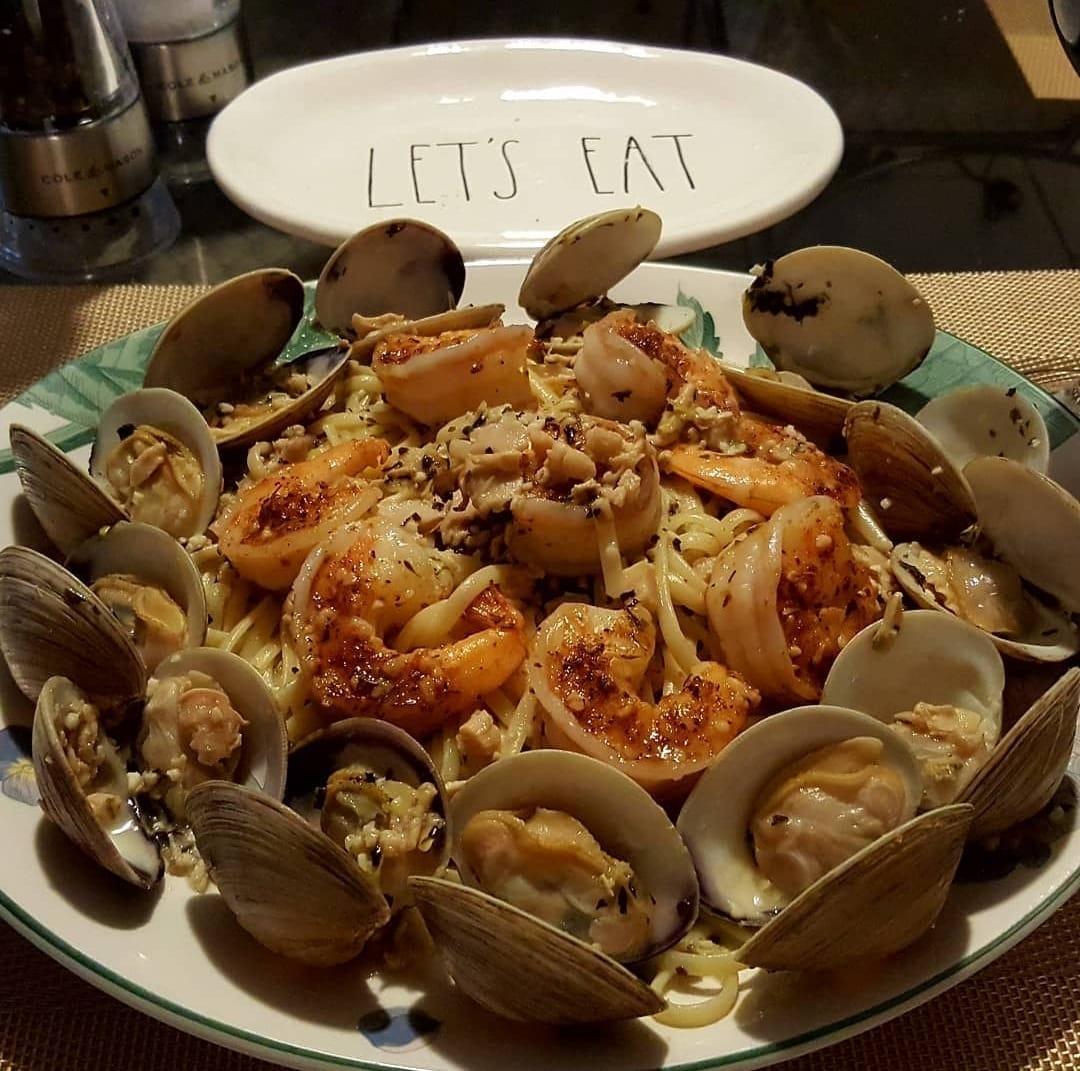
Why People Will Love Clams And Sautéed Shrimp Over Pasta Recipe
It tastes fresh, savory, and coastal: The clam juice, clams, shrimp, white wine, lemon, and herbs create a seafood pasta with bright, ocean-inspired flavor.
The sauce is light but flavorful: It is not a heavy cream sauce. Olive oil, butter, wine, clam juice, garlic, and lemon create a silky sauce that coats the pasta without weighing it down.
The shrimp adds bold flavor: Sautéing shrimp with garlic, butter, olive oil, and Cajun seasoning gives the dish a slightly spicy, deeply savory layer.
The lemon makes everything brighter: Lemon zest and juice lift the seafood flavor and keep the sauce tasting fresh.
It feels elegant but easy: The dish looks and tastes restaurant-style, but the method is simple and approachable.
It has a beautiful mix of textures: Tender pasta, juicy shrimp, soft clams, delicate spinach, and a glossy sauce make every bite interesting.
It is flexible and personal: The recipe can be adjusted by taste, with more lemon, more garlic, more herbs, or more Cajun seasoning depending on your preference.
Key Ingredients
Pasta: Linguine, spaghetti, fettuccine, or angel hair all work well. Pasta cooked al dente gives the dish structure and helps hold the sauce.
Clams and clam juice: These create the seafood base of the sauce. The clam juice adds savory depth, while the clams bring a tender, briny bite.
Shrimp: Adds sweetness, protein, and a satisfying texture. Sautéing the shrimp separately keeps it juicy and flavorful.
Olive oil: Forms the base of the sauce and helps carry the garlic, herbs, lemon, and seafood flavors.
Butter: Adds richness and gives the sauce a softer, more rounded finish.
White wine: Adds acidity and depth. A dry white wine works best because it balances the seafood without making the sauce sweet.
Garlic: Gives the dish a warm, aromatic foundation and pairs beautifully with shrimp and clams.
Lemon zest and lemon juice: Lemon zest adds fragrance, while lemon juice adds brightness at the end.
Spinach: Adds color, freshness, and a tender green element that balances the seafood and butter.
Basil and parsley: These herbs give the sauce freshness, aroma, and a light Italian-style finish.
Cajun seasoning: Adds warmth, spice, and bold flavor to the sautéed shrimp.
Expert Tips
Cook the pasta al dente: The pasta should have a slight bite because it will absorb some sauce after being combined.
Do not overcook the shrimp: Shrimp cook quickly. Remove them from the heat once they turn pink and opaque so they stay juicy.
Use dry white wine: Sauvignon Blanc, Pinot Grigio, or a dry Chardonnay works well. Avoid sweet wine because it can change the balance of the sauce.
Add lemon juice near the end: Lemon juice tastes fresher when added during the final minutes of cooking.
Simmer the sauce gently: A short simmer helps the wine, clam juice, butter, herbs, and lemon zest come together without reducing too much.
Save a little pasta water: If the sauce needs help coating the pasta, a splash of starchy pasta water can make it silkier.
Season gradually: Clam juice, canned clams, and Cajun seasoning can all be salty, so taste before adding extra salt.
Time the seafood carefully: Pasta, clams, and shrimp should finish close together so everything tastes fresh and hot.
Finish with fresh herbs: A little parsley at the end gives the dish a brighter, cleaner flavor.
How to make Clams And Sautéed Shrimp Over Pasta
I’ve been asked about my recipe on here. I never really measure anything, I go by feel. So here it goes. I hope this helps…
White Clam Sauce
3 tbs of olive oil,
1/4 white wine,
butter,
lemon zest from 2 lemons,
clam juice from 3 cans clams,
tsp of basil,
2 tsp of parsley..
Instructions:
Simmer for 10 mins.
Then add clams & spinach.
squeeze in lemon juice in the last few mins.
Boil pasta till al dente,
In a separate pan Sauté shrimp in 1 tbs of olive oil & butter add garlic.
Season shrimp with Cajun seasoning & sauté.
It’s all about timing for the clams to open and pasta to be al dente.
Important Notes When Making Clams And Sautéed Shrimp Over Pasta
This recipe is written in a flexible, home-cooking style, so exact amounts can be adjusted by taste.
If using canned clams, add them near the end so they do not become tough.
If using fresh clams, cook until the shells open and discard any that stay closed.
Cajun seasoning can vary in salt and spice level, so start with a small amount and add more as needed.
Bottled clam juice or the juice from canned clams helps create a stronger seafood flavor.
The sauce should be glossy and flavorful, not too dry. Add a splash of pasta water, broth, or clam juice if needed.
Fresh spinach wilts quickly, so add it near the end.
Serve immediately for the best texture, especially because seafood can become firm if reheated too long.
How to Enjoy Clams And Sautéed Shrimp Over Pasta After Cooking
Serve Clams and Sautéed Shrimp Over Pasta immediately while the pasta is hot, the shrimp is tender, and the sauce is still glossy. Seafood pasta is best when freshly tossed and served right away.
Place the pasta into shallow bowls or plates, then spoon the white clam sauce over the top. Arrange the sautéed shrimp over the pasta so each serving gets a generous amount of seafood. Make sure to include clams, spinach, herbs, and plenty of sauce.
Finish the dish with chopped parsley, extra lemon zest, a squeeze of fresh lemon juice, or a small drizzle of olive oil. If you enjoy heat, add a pinch of crushed red pepper flakes or extra Cajun seasoning.
This pasta pairs beautifully with crusty bread or garlic bread because the bread can soak up the white clam sauce. A simple green salad, Caesar salad, roasted asparagus, steamed broccoli, or sautéed zucchini also makes a nice side.
For the best bite, twirl the pasta with a little sauce, shrimp, clam, and spinach together. The lemon, wine, butter, garlic, and seafood should taste balanced — bright, savory, slightly rich, and fresh.
If you have leftovers, reheat gently over low heat with a splash of broth, clam juice, or water. Avoid overheating the shrimp and clams, because seafood can become rubbery when cooked too long.
Nutrition Information
Approximate nutrition per serving, based on 4 servings:
Calories: 520 kcal | Total Fat: 20 g | Saturated Fat: 7 g | Monounsaturated Fat: 9 g | Polyunsaturated Fat: 2.5 g | Cholesterol: 145 mg | Sodium: 700–1,050 mg, depending on clam juice, canned clams, Cajun seasoning, and added salt | Total Carbohydrates: 55 g | Dietary Fiber: 3 g | Sugars: 3 g | Protein: 32 g
Frequently Asked Questions:
Can I use any type of white wine for the clam sauce, or is there a specific recommendation?
You can use any dry white wine for the clam sauce.
Sauvignon Blanc, Pinot Grigio, or Chardonnay are popular choices.
Choose a wine that you enjoy drinking since its flavor will influence the sauce.
How many clams should I use for this recipe, and do they need to be fresh or can I use canned clams?
You’ll need approximately 3 cans of clams for this recipe.
While fresh clams can enhance the flavor, canned clams are a convenient alternative.
Ensure they’re well-drained before adding to the sauce.
What type of pasta works best with this dish, and how much should I cook for the specified servings?
Linguine or spaghetti are classic choices for clam sauce.
Cook about 8-10 ounces of pasta for 4 servings, or adjust according to your preference.
Is there a particular reason for simmering the sauce for exactly 10 minutes, or can I adjust the cooking time?
The 10-minute simmering time allows the flavors to meld together and develop richness.
You can adjust the time slightly if needed, but be mindful not to overcook the sauce.
Can I substitute fresh spinach with frozen spinach, and if so, should I adjust the cooking time?
Yes, you can substitute frozen spinach for fresh.
Thaw and drain it before adding to the sauce.
Adjust the cooking time as needed since frozen spinach may cook faster than fresh.
How do I know when the clams are cooked and ready to be added to the sauce?
Clams are cooked when their shells open.
Discard any clams that don’t open during cooking, as they may be unsafe to eat.
Is it necessary to remove the clams from their shells before adding them to the sauce, or can they be served in their shells?
You can serve the clams in their shells for presentation, but it’s more common to remove them from the shells before adding to the sauce for easier eating.
Can I omit the shrimp or replace them with another protein source, such as chicken or tofu?
Yes, you can omit the shrimp or substitute them with another protein of your choice.
Cooked chicken, tofu, or even cooked white fish can work well in this dish.
How spicy does the Cajun seasoning make the shrimp, and can I adjust the amount to suit my taste preference?
Cajun seasoning adds a flavorful kick to the shrimp.
You can adjust the amount to control the spice level according to your preference.
Start with a small amount and add more if desired.
Are there any recommended side dishes or garnishes to serve with this dish to complement its flavors?
Crusty bread or garlic bread are perfect for soaking up the flavorful sauce.
A sprinkle of fresh parsley or grated Parmesan cheese adds a finishing touch to the dish.
Additionally, a side salad with a light vinaigrette can complement the richness of the sauce and seafood.