Swedish Sticky Cake
Swedish Sticky Cake, or kladdkaka, is a beautifully simple dessert that celebrates the magic of texture and deep chocolate flavor. Unlike traditional cakes, it’s intentionally underbaked at the center, creating a rich, fudgy interior that contrasts with a delicate, slightly crisp outer layer.
What makes this cake truly special is its effortless elegance—made with basic pantry ingredients, yet delivering an indulgent, almost truffle-like experience in every bite. The addition of a glossy chocolate topping elevates it even further, adding a smooth, luxurious finish that melts into the soft center.
This is not just a cake—it’s a dessert that feels intimate and comforting, perfect for slow moments, where each bite invites you to pause and enjoy the richness, warmth, and simplicity of true homemade indulgence.
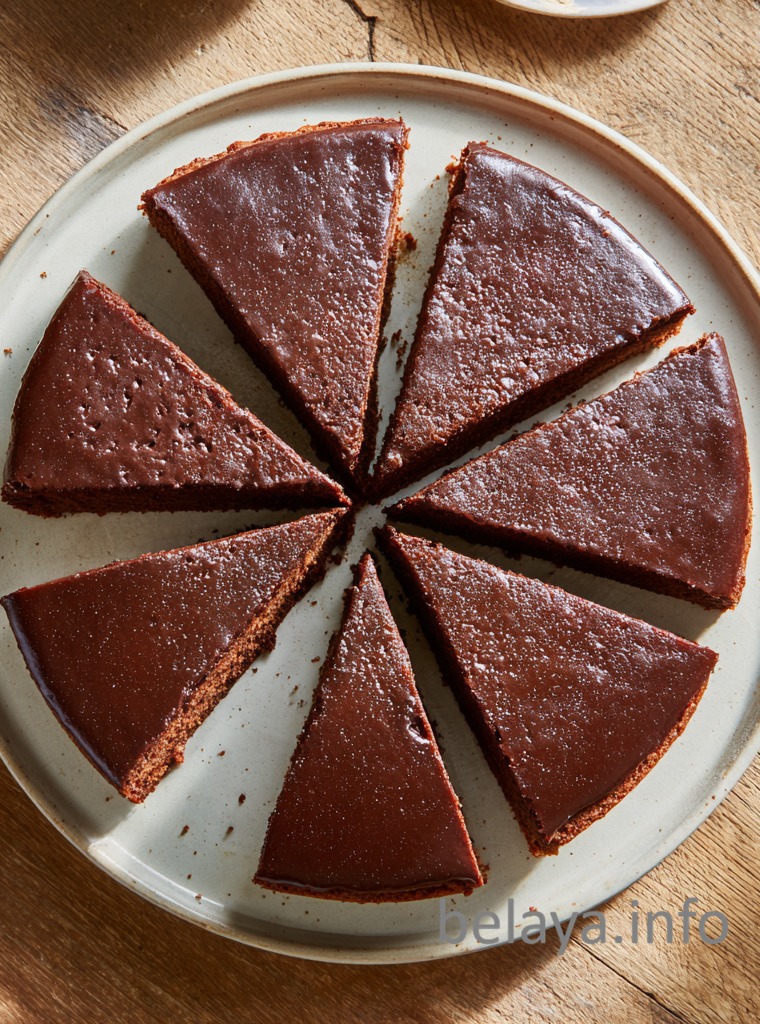
Why People Will Love This Swedish Sticky Cake (Kladdkaka)
Irresistibly fudgy, gooey center
The signature texture—soft, dense, and almost molten in the middle—creates a rich, indulgent experience that chocolate lovers crave.
Perfect contrast of textures
A delicate, slightly crisp top and edges give way to a luscious, sticky interior, making each bite feel balanced and satisfying.
Deep, intense chocolate flavor
Made with cocoa and topped with a silky chocolate glaze, this cake delivers a bold, layered chocolate taste without being overly sweet.
Simple ingredients, luxurious result
Everyday pantry staples transform into a dessert that feels elegant and bakery-quality with minimal effort.
Quick and approachable to make
No complicated techniques or special equipment—just mix, bake, and enjoy, making it ideal for both beginners and experienced bakers.
Naturally elegant and versatile
It can be served plain for a rustic feel or dressed up with whipped cream, berries, or powdered sugar for a more refined presentation.
Perfect for any occasion
Whether for a casual treat, a dinner party dessert, or a cozy night in, it fits effortlessly into any setting.
Rich but not overly heavy in portion
Because of its intensity, a small slice is deeply satisfying, making it easy to enjoy without feeling overwhelmed.
Better as it sets and rests
The texture and flavor continue to develop as it cools, creating an even more cohesive and indulgent dessert.
A true comfort dessert with European charm
Rooted in Swedish tradition, it brings a sense of warmth, simplicity, and authenticity that makes it feel both special and comforting.
Key Ingredients
Unsalted Butter (Melted)
The backbone of richness in the cake. Melted butter creates a dense, moist crumb and contributes to the signature fudgy texture rather than a light, airy structure.
Granulated Sugar
More than just sweetness, sugar helps create the delicate crisp top layer while keeping the interior soft and slightly sticky, which defines this cake’s unique character.
Eggs
Eggs provide structure while also contributing to the creamy, almost custard-like center. They help bind the batter while allowing the middle to remain soft when slightly underbaked.
Unsweetened Cocoa Powder
The primary source of chocolate flavor. It gives the cake its deep, rich, slightly bittersweet profile without adding extra heaviness from melted chocolate.
All-Purpose Flour
Used in a small amount to provide just enough structure. The limited flour is what allows the cake to stay dense and gooey rather than turning into a traditional fluffy cake.
Vanilla Extract
Enhances and rounds out the chocolate flavor, adding subtle warmth and aromatic depth.
Salt
A crucial balancing element that sharpens the chocolate notes and prevents the dessert from tasting overly sweet.
Heavy Cream (for topping)
Creates the base of the silky chocolate ganache, adding smoothness and a luxurious mouthfeel.
Semi-Sweet Chocolate Chips
Melted into the cream, they form a glossy, rich topping that intensifies the chocolate experience and adds an extra layer of indulgence.
Vanilla in the Topping
Adds a final aromatic note, enhancing the overall flavor and tying the cake and topping together seamlessly.
Expert Tips:
Do not overbake—the center should stay soft
The defining feature is the gooey middle. Remove the cake when the edges are set but the center still looks slightly underdone—it will firm up as it cools.
Use room-temperature eggs for better texture
Eggs at room temperature blend more smoothly into the batter, creating a more even, cohesive structure.
Mix gently once flour is added
Overmixing develops gluten, which can make the cake tougher. Stir just until combined to keep the texture soft and fudgy.
Choose high-quality cocoa powder
Since cocoa is the main chocolate source, using a good-quality, rich cocoa powder will significantly enhance flavor depth.
Grease the pan thoroughly (or line it)
This cake is delicate and sticky by nature. Properly greasing or lining the pan ensures easy release without damaging the edges.
Let the cake cool before adding the topping
If the cake is too hot, the chocolate topping will melt too much and lose its smooth, glossy finish.
Heat the cream gently for the topping
The cream should be hot but not boiling. Overheating can cause the chocolate to seize or separate instead of forming a smooth ganache.
Allow the ganache to sit before stirring
Letting the chocolate chips rest in the hot cream for a few minutes helps them melt evenly, resulting in a smoother texture.
Let the cake set fully for best texture
Giving it time to rest (at room temperature, then chilled) allows the center to achieve that perfect sticky consistency.
Use a springform pan for clean edges
This makes it easier to remove the cake without disturbing its soft structure.
Serve at the right temperature
Slightly chilled or at room temperature gives the best balance—too cold and it firms up too much; too warm and it becomes overly soft.
Enhance with simple toppings
A dusting of powdered sugar, fresh berries, or a dollop of whipped cream can add contrast without overpowering the cake.
Clean knife between slices
Wipe your knife after each cut to keep the slices neat, as the center is soft and sticky.
Swedish Sticky Cake
Ingredients
For the Cake:
⅔ cup unsalted butter, melted
1⅓ cups white granulated sugar
2 large eggs
1 teaspoon pure vanilla extract
¾ cup all-purpose flour
⅓ cup unsweetened cocoa powder
½ teaspoon fine salt
For the Chocolate Topping:
½ cup heavy whipping cream
1⅓ cups semi-sweet chocolate chips
½ teaspoon vanilla extract
Instructions
Preheat your oven to 325°F (165°C) and generously grease an 8-inch round springform pan.
In a large mixing bowl, combine the melted butter and sugar. Stir until smooth and fully blended.
Add the eggs and vanilla extract, mixing until the batter is well incorporated.
Gently fold in the flour, cocoa powder, and salt. Mix just until combined—avoid overmixing.
Pour the batter into the prepared pan and spread it evenly into a thin layer.
Bake for 17–20 minutes, or until the center is just set but still soft.
Remove from the oven and let the cake cool while you prepare the topping.
For the topping:
Heat the heavy cream in a microwave-safe bowl for about 1 minute (or warm it on the stovetop until hot but not boiling).
Add the chocolate chips and vanilla extract to the hot cream. Let sit for about 5 minutes to allow the chocolate to melt.
Stir the mixture for 1–2 minutes until smooth and glossy.
Pour the chocolate topping evenly over the cooled cake.
Let the cake sit at room temperature for about 1 hour to set, then refrigerate until ready to serve.
Carefully remove the cake from the pan, transfer to a serving plate, and slice to serve.
Important Notes When Making Swedish Sticky Cake (Kladdkaka)
The texture is intentionally underbaked
This is not meant to be a fully set cake. The center should remain soft, dense, and slightly gooey—overbaking will turn it into a regular, less interesting chocolate cake.
Timing is more important than appearance
The center may look underdone when you remove it from the oven, and that’s correct. It will continue to set as it cools, achieving the signature sticky consistency.
Ingredient ratios are carefully balanced
The low amount of flour and high fat content are what create the fudgy texture. Altering these proportions can significantly change the final result.
Cooling is part of the cooking process
The cake firms up and develops structure as it cools. Cutting too early can cause it to collapse or feel too loose.
Ganache texture depends on proper temperature
If the cream is too hot or too cold, the chocolate topping may not emulsify correctly. Aim for hot (not boiling) cream for a smooth, glossy finish.
The cake is delicate and requires gentle handling
Its soft interior makes it fragile, especially when warm. Removing it from the pan carefully helps maintain its shape.
Sweetness and bitterness should be balanced
Cocoa powder brings bitterness, while sugar adds sweetness. The right balance creates a rich, deep chocolate flavor rather than an overly sweet dessert.
Pan size affects thickness and texture
Using a different pan size can change baking time and the thickness of the cake, which directly impacts how gooey the center will be.
Storage changes texture slightly
Refrigeration will firm up the cake, making it denser. Letting it sit at room temperature before serving helps restore its soft, sticky texture.
This dessert improves with a short rest
Allowing it to sit for a few hours enhances both flavor and texture, making it more cohesive and satisfying.
Simple recipe, technique matters
Because the ingredient list is short, small details—like mixing, timing, and temperature—have a big impact on the final result.
Best served in modest portions
Its richness means a small slice is enough to deliver a deeply satisfying dessert experience.
How to Enjoy Swedish Sticky Cake (Kladdkaka) After Cooking
Allow the cake to set properly first
After adding the chocolate topping, let the cake rest at room temperature for about 1 hour, then chill until fully set. This step is essential for achieving the perfect sticky, sliceable texture.
Bring to the right serving temperature
For the best experience, let the cake sit at room temperature for 10–15 minutes before serving. This softens the center slightly while keeping the structure intact.
Slice with care for clean presentation
Use a sharp knife and wipe it clean between cuts. The center is soft and fudgy, so this helps create neat, visually appealing slices.
Serve in small, indulgent portions
This cake is rich and intense, so smaller slices allow you to fully enjoy the depth of chocolate without it feeling overwhelming.
Enhance with simple toppings
Pair with lightly sweetened whipped cream, fresh berries, or a dusting of powdered sugar to add contrast and balance the richness.
Pair with complementary beverages
Coffee, espresso, or a glass of milk works beautifully to balance the deep chocolate flavor and enhance the overall experience.
Enjoy slowly to appreciate texture
Take time to notice the contrast between the slightly crisp edge, soft center, and smooth chocolate topping—it’s a dessert meant to be savored.
Adjust richness per serving
If you prefer a lighter bite, serve with fruit or cream. If you want more indulgence, enjoy it as is with the thick chocolate layer.
Store and revisit thoughtfully
Keep leftovers refrigerated, but allow slices to come back to room temperature before eating to restore the ideal texture.
Transform leftovers into a new experience
Slightly warm a slice and serve with ice cream for a contrast of hot and cold, adding a new dimension to the dessert.
Create a cozy serving atmosphere
This cake shines in a relaxed setting—simple plating, warm drinks, and a quiet moment elevate the experience.
Best enjoyed fresh, but still rewarding later
While it’s excellent on the day it’s made, the flavor deepens over time, making it just as enjoyable the next day with proper handling.
Nutrition Information
YIELDS: approximately 8–10 servings
Per serving
Calories: 450 kcal | Total Fat: 28 g | Saturated Fat: 16 g | Monounsaturated Fat: 8 g | Polyunsaturated Fat: 1.5 g | Cholesterol: 120 mg | Sodium: 180–250 mg (depending on added salt) | Total Carbohydrates: 48 g | Dietary Fiber: 3 g | Sugars: 38 g | Protein: 6 g
Frequently Asked Questions:
What makes Swedish Sticky Cake different from brownies?
While both are rich and chocolatey, kladdkaka is intentionally underbaked to create a softer, gooier center and has a thinner, more delicate structure compared to dense, fully baked brownies.
Can I skip the chocolate topping?
Yes, the cake is delicious on its own. The topping adds an extra layer of indulgence, but the base cake already has deep chocolate flavor and a satisfying texture.
Why is my cake not “sticky” in the center?
It was likely overbaked. The key is to remove the cake while the center still looks slightly underdone—it will continue to set as it cools.
Can I use a different type of chocolate for the topping?
Absolutely. You can use dark chocolate for a more intense flavor or milk chocolate for a sweeter, creamier finish.
How should I store this cake?
Store it in the refrigerator in an airtight container. Before serving, let it sit at room temperature for a short time to bring back its soft, fudgy texture.
How do I know exactly when to take the cake out of the oven?
Look for set edges with a slightly soft, almost jiggly center. A toothpick inserted near the edge should come out clean, but the center may still have moist crumbs—this is what creates the sticky texture.
Why did my cake turn out dry instead of gooey?
This usually happens from overbaking or using too much flour. Even a few extra minutes in the oven can change the texture, so timing is critical.
Can I mix the batter with a mixer instead of by hand?
You can, but it’s better to mix gently by hand once the flour is added. Overmixing can develop gluten and make the cake less soft and fudgy.
How do I get a smooth, glossy chocolate topping?
Make sure the cream is hot (but not boiling) before adding the chocolate, then let it sit briefly before stirring. Stir slowly until fully melted for a silky finish.
Do I need a springform pan, or can I use a regular pan?
A springform pan is recommended because the cake is delicate and sticky. However, you can use a regular pan lined with parchment paper to help lift it out more easily.