Spaghetti Carbonara
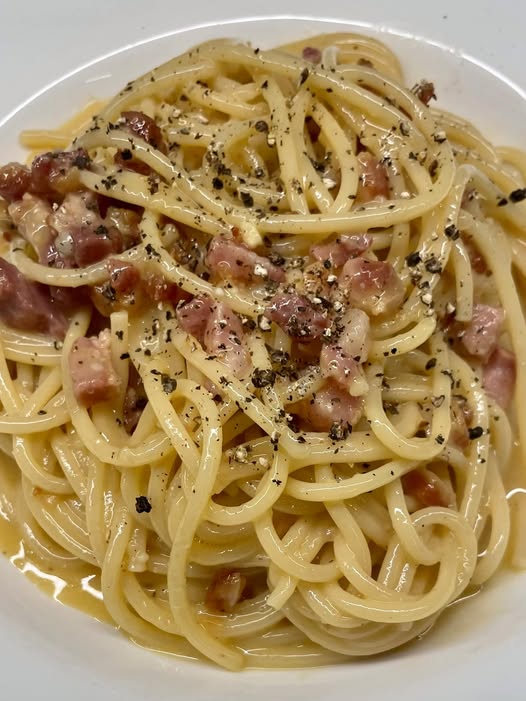
Spaghetti Carbonara is a classic Italian pasta dish known for its silky egg-and-cheese sauce, crisp pancetta, freshly ground black pepper, and perfectly cooked spaghetti. It is rich and comforting, but when made correctly, it should feel creamy and glossy without needing heavy cream.
This recipe is all about timing and technique. The hot pasta gently warms the eggs and cheese, creating a smooth sauce that clings to every strand of spaghetti. The pancetta adds salty, savory depth, while pecorino and Parmesan bring sharpness, nuttiness, and richness.
It is a beautiful dish for anyone who loves simple ingredients transformed into something elegant. With pasta, eggs, cheese, pancetta, butter, garlic, and black pepper, Spaghetti Carbonara becomes a deeply satisfying meal that feels both rustic and refined.
Why People Will Love Spaghetti Carbonara Recipe
It is rich, creamy, and deeply comforting.
The egg and cheese mixture creates a silky sauce that coats the spaghetti beautifully without using cream.
The pancetta adds bold savory flavor.
Crisp pancetta gives the dish salty, meaty depth and a delicious contrast to the soft pasta.
It uses simple ingredients.
Spaghetti, eggs, cheese, pancetta, butter, garlic, and black pepper come together to create a restaurant-quality dish.
The sauce feels luxurious but not heavy.
Carbonara is creamy from eggs, cheese, and pasta water, not from a heavy cream sauce, so it feels rich but balanced.
The black pepper gives it warmth.
Freshly ground black pepper adds a sharp, aromatic finish that cuts through the richness.
It comes together quickly.
Once the ingredients are ready, the dish can be made in a short amount of time, making it perfect for weeknight cooking.
The cheese blend adds complexity.
Pecorino brings salty sharpness, while Parmesan adds nutty smoothness. Together, they create a deeper flavor.
It feels classic and elegant.
Spaghetti Carbonara has a timeless Italian quality that makes it feel special even though the ingredient list is simple.
Key Ingredients
Spaghetti
Spaghetti is the traditional pasta choice for carbonara. Its long strands hold the glossy egg-and-cheese sauce well, giving every bite a smooth, coated texture.
Pancetta
Pancetta adds salty, savory, pork flavor. When cooked until golden and crisp, it gives the dish texture and depth. Bacon can be used as a substitute, but pancetta gives a more classic flavor.
Pecorino Cheese
Pecorino is sharp, salty, and slightly tangy. It gives carbonara its bold traditional flavor and helps create a creamy sauce when mixed with eggs and pasta water.
Parmesan Cheese
Parmesan adds nutty, savory richness. When combined with pecorino, it softens the sharpness and creates a balanced cheese flavor.
Eggs
Eggs are the base of the carbonara sauce. They thicken with the heat of the pasta and turn into a silky coating instead of a scrambled texture when handled correctly.
Garlic
The garlic is bruised and cooked with the pancetta to lightly perfume the butter and pork fat. It adds subtle flavor without overpowering the dish.
Butter
Butter helps the pancetta brown and adds richness to the sauce. It also gives the pasta a smoother finish.
Pasta Water
Starchy pasta water is essential. It loosens the egg-and-cheese mixture and helps create the glossy, creamy sauce.
Black Pepper
Freshly ground black pepper is important in carbonara. It adds warmth, aroma, and a sharp contrast to the rich cheese and pancetta.
Expert Tips
Prepare everything before cooking.
Carbonara comes together quickly, so grate the cheese, beat the eggs, chop the pancetta, and have everything ready before the pasta finishes.
Use finely grated cheese.
Finely grated pecorino and Parmesan melt more easily into the egg mixture and help create a smoother sauce.
Do not pour eggs into a hot pan over direct heat.
Remove the pan from the heat before adding the egg mixture. This prevents the eggs from scrambling.
Use hot pasta to cook the sauce gently.
The heat from the spaghetti is enough to thicken the eggs and cheese into a creamy coating.
Save the pasta water.
Pasta water helps control the sauce texture. Add a few tablespoons at a time until the sauce becomes glossy and moist.
Keep the pasta moving.
Toss quickly with tongs or a long fork so the egg mixture coats the spaghetti evenly.
Do not overcook the pancetta.
It should be golden and crisp, not burned. Overcooked pancetta can taste bitter.
Season carefully.
Pancetta, pecorino, and Parmesan are salty, so taste before adding extra salt.
Serve immediately.
Carbonara is best right after mixing, while the sauce is silky, warm, and glossy.
Spaghetti Carbonara
Ingredients
100g pancetta
50g pecorino cheese
50g parmesan
3 large eggs
350g spaghetti
2 plump garlic cloves, peeled and left whole
50g unsalted butter
sea salt and freshly ground black pepper
Instructions:
Step 1:
Put a large saucepan of water on to boil.
Step 2:
Finely chop the 100g pancetta, having first removed any rind.
Finely grate 50g pecorino cheese and 50g parmesan and mix them together.
Step 3:
Beat the 3 large eggs in a medium bowl and season with a little freshly grated black pepper.
Set everything aside.
Step 4:
Add 1 tsp salt to the boiling water, add 350g spaghetti and when the water comes back to the boil, cook at a constant simmer, covered, for 10 minutes or until al dente (just cooked).
Step 5:
Squash 2 peeled plump garlic cloves with the blade of a knife, just to bruise it.
Step 6:
While the spaghetti is cooking, fry the pancetta with the garlic.
Drop 50g unsalted butter into a large frying pan or wok and, as soon as the butter has melted, tip in the pancetta and garlic.
Step 7:
Leave to cook on a medium heat for about 5 minutes, stirring often, until the pancetta is golden and crisp.
The garlic has now imparted its flavour, so take it out with a slotted spoon and discard.
Step 8:
Keep the heat under the pancetta on low.
When the pasta is ready, lift it from the water with a pasta fork or tongs and put it in the frying pan with the pancetta.
Don’t worry if a little water drops in the pan as well (you want this to happen) and don’t throw the pasta water away yet.
Step 9:
Mix most of the cheese in with the eggs, keeping a small handful back for sprinkling over later.
Step 10:
Take the pan of spaghetti and pancetta off the heat.
Now quickly pour in the eggs and cheese.
Using the tongs or a long fork, lift up the spaghetti so it mixes easily with the egg mixture, which thickens but doesn’t scramble, and everything is coated.
Step 11:
Add extra pasta cooking water to keep it saucy (several tablespoons should do it).
You don’t want it wet, just moist. Season with a little salt, if needed.
Step 12:
Use a long-pronged fork to twist the pasta on to the serving plate or bowl.
Serve immediately with a little sprinkling of the remaining cheese and a grating of black pepper.
If the dish does get a little dry before serving, splash in some more hot pasta water and the glossy sauciness will be revived.
Important Notes When Making Spaghetti Carbonara
Carbonara should not be dry.
A good carbonara should look creamy and glossy. If it looks dry, add a splash of hot pasta water and toss again.
The eggs should not scramble.
The key is removing the pan from the heat before adding the egg-and-cheese mixture.
Do not rinse the pasta.
The starch on the spaghetti helps the sauce cling. Rinsing would remove that helpful starch.
Cream is not necessary.
Traditional-style carbonara gets its creaminess from eggs, cheese, and pasta water.
Garlic is used only for gentle flavor.
In this version, the garlic is removed after it flavors the butter and pancetta.
The dish waits for no one.
Carbonara should be served as soon as it is mixed. If it sits too long, the sauce can thicken and lose its silky texture.
Pasta water is your sauce fixer.
If the sauce becomes too thick, sticky, or dry, hot pasta water can bring it back to life.
How to Enjoy Spaghetti Carbonara After Cooking
Serve Spaghetti Carbonara immediately after tossing the pasta with the egg, cheese, pancetta, and pasta water. This is when the sauce is at its best: warm, glossy, creamy, and clinging to every strand.
Use tongs or a long fork to twist the spaghetti into a bowl or plate. This gives the pasta a beautiful shape and helps keep the sauce evenly distributed. Spoon any extra pancetta and sauce from the pan over the top.
Finish each serving with a sprinkle of the reserved cheese and plenty of freshly ground black pepper. The cheese adds a final salty bite, while the pepper gives the dish its classic warm aroma.
Carbonara is rich, so it pairs well with simple sides. Serve it with a crisp green salad, roasted asparagus, garlic bread, sautéed spinach, or lightly dressed arugula. A fresh side helps balance the creamy pasta.
The best bite should include silky spaghetti, crisp pancetta, sharp cheese, and a little black pepper. It should taste rich and savory, but still smooth and balanced.
If the pasta becomes dry before serving, add a small splash of hot pasta water and toss again until the sauce becomes glossy. Leftovers can be reheated gently, but carbonara is always best fresh because the egg-based sauce can change texture after cooling.
Nutrition Information
Approximate per serving, based on 4 servings
Calories: 600 kcal | Total Fat: 30 g | Saturated Fat: 15 g | Monounsaturated Fat: 10 g | Polyunsaturated Fat: 2 g | Cholesterol: 150 mg | Sodium: 800–1,050 mg depending on pancetta, cheese, and added salt | Total Carbohydrates: 60 g | Dietary Fiber: 3 g | Sugars: 2 g | Protein: 25 g
Frequently Asked Questions:
What does Spaghetti Carbonara taste like?
It tastes rich, savory, cheesy, and peppery. The pancetta adds salty crispness, while the egg and cheese sauce gives the pasta a creamy, silky texture.
Does traditional carbonara use cream?
Classic carbonara does not need cream. The creamy texture comes from eggs, cheese, hot pasta, and starchy pasta water.
Can I use bacon instead of pancetta?
Yes. Pancetta gives a more traditional flavor, but bacon works well if that is what you have. Bacon will add a smokier taste.
What cheese is best for carbonara?
A mix of pecorino and Parmesan gives excellent flavor. Pecorino is sharper and saltier, while Parmesan is nutty and smooth.
What should I serve with carbonara?
Carbonara pairs well with a green salad, roasted vegetables, garlic bread, asparagus, sautéed spinach, or a simple tomato salad.
Why did my eggs scramble?
The pan was likely too hot when the egg mixture was added. Remove the pan from the heat before adding the eggs and cheese, then toss quickly.
How do I make carbonara creamy?
Use finely grated cheese, beaten eggs, hot pasta, and reserved pasta water. Toss quickly and add pasta water a little at a time until the sauce becomes glossy.
Why is my carbonara dry?
The pasta may have absorbed too much sauce, or there was not enough pasta water added. Add a splash of hot pasta water and toss until creamy again.
Can I make carbonara ahead of time?
Carbonara is best served immediately. It can be reheated, but the sauce may become thicker and less silky.
Should I drain the pasta completely?
Do not dry it too much. A little pasta water clinging to the spaghetti helps the sauce form and keeps the dish moist.