Slow Cooker Chicken Stew
Slow Cooker Chicken Stew is the kind of comforting, nourishing dish that feels like it has been gently simmering in a farmhouse kitchen all day. Built on simple ingredients and slow cooking, this stew transforms humble vegetables, tender chicken, and fragrant herbs into a rich, deeply satisfying meal.
As the stew cooks slowly, the chicken becomes incredibly tender while the potatoes and carrots absorb the savory broth and aromatic herbs. The long, gentle cooking process allows all the flavors to meld together, creating a warm, hearty bowl that feels both rustic and wholesome.
This is the kind of recipe that celebrates the beauty of slow cooking—minimal effort, maximum comfort. Perfect for busy days when you want a homemade meal waiting for you, this stew delivers deep flavor, warmth, and a sense of home in every spoonful.
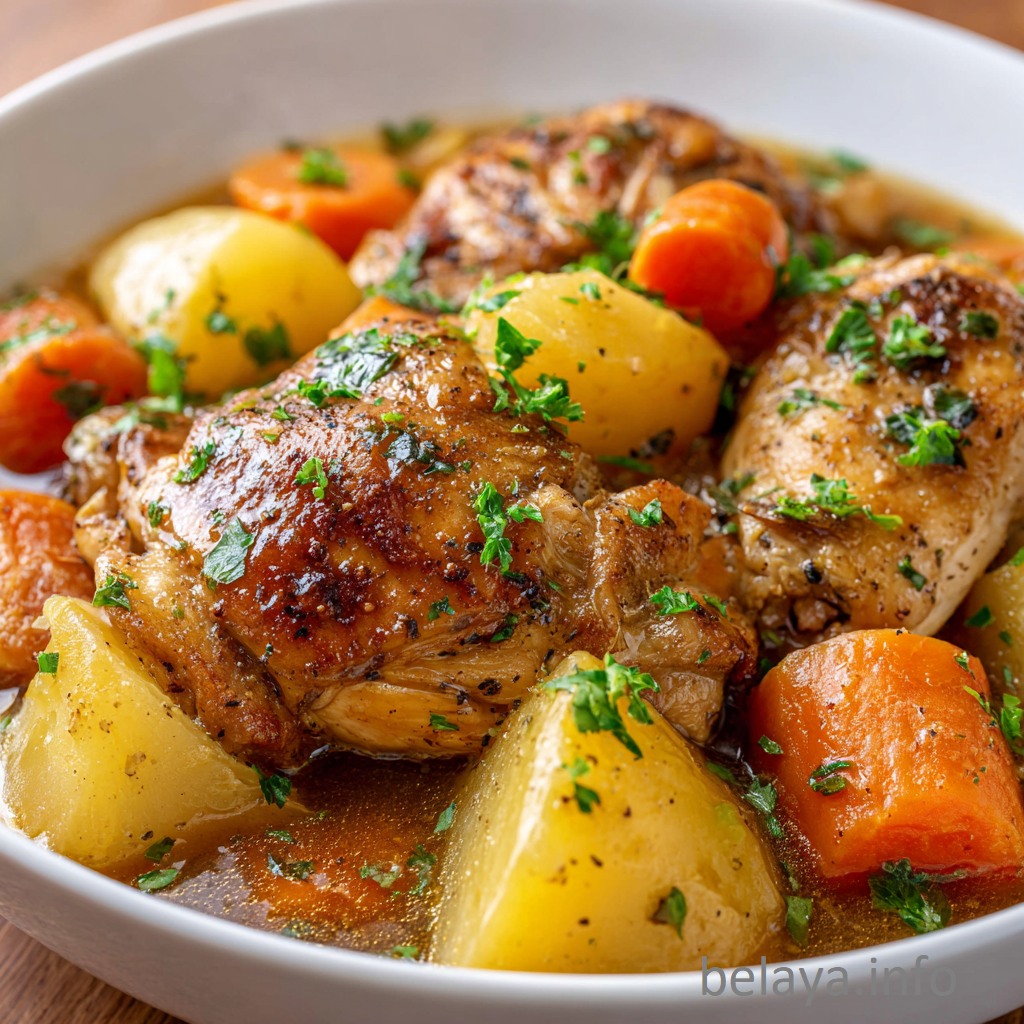
Why People Will Love Slow Cooker Chicken Stew Recipe
Deep, Slow-Developed Flavor
The slow cooker allows the chicken, vegetables, broth, and herbs to simmer together for hours, creating layers of flavor that taste rich, comforting, and naturally well balanced.
Incredibly Tender Chicken
Cooking the chicken slowly in the broth makes it exceptionally tender and juicy. By the end of the cooking process, it easily shreds and blends beautifully into the stew.
Hearty and Nourishing
With protein from chicken and wholesome vegetables like carrots, potatoes, and peas, this stew is both filling and nutritious, making it a complete meal in one bowl.
Minimal Effort, Maximum Comfort
One of the best things about this recipe is how easy it is to prepare. Simply layer the ingredients, let the slow cooker do the work, and come back to a warm, homemade meal.
Classic Home-Style Comfort Food
The combination of tender chicken, rustic vegetables, and savory broth creates a dish that feels familiar, cozy, and satisfying—perfect for family dinners.
Perfect for Busy Days
This stew is ideal when you want a hearty dinner without spending hours in the kitchen. Once everything is in the slow cooker, it gently cooks while you focus on other things.
Balanced and Naturally Flavorful
Herbs like thyme and rosemary add an earthy aroma that enhances the stew without overpowering the natural flavors of the chicken and vegetables.
Great for Leftovers
Like many slow-cooked dishes, the flavors continue to deepen after resting. The stew often tastes even better the next day, making it perfect for meal prep or next-day lunches.
Key Ingredients
Chicken Thighs
Boneless, skinless chicken thighs are ideal for slow cooking because they remain tender and juicy even after hours of gentle simmering. Their richer flavor compared to chicken breast gives the stew a deeper, more satisfying taste.
Carrots
Carrots add natural sweetness and vibrant color to the stew. As they cook slowly in the broth, they soften beautifully while releasing subtle sweetness that balances the savory flavors.
Potatoes
Potatoes give the stew its hearty, comforting body. They absorb the flavorful broth while cooking, becoming tender and creamy on the inside and helping create the classic rustic texture of a traditional stew.
Onion and Garlic
These aromatic ingredients build the flavor foundation of the dish. As they cook slowly, they release deep savory notes that enrich the broth and enhance the overall depth of the stew.
Chicken Broth
The broth forms the base of the stew, carrying all the flavors of the ingredients together. Using a good-quality broth adds richness and allows the chicken and vegetables to simmer gently while developing complex flavor.
Tomato Paste
Just a small amount of tomato paste adds subtle acidity and depth to the broth. It enriches the color and gives the stew a more robust, well-rounded flavor.
Worcestershire Sauce
This ingredient provides a hidden layer of savory complexity. Its blend of tangy, salty, and umami flavors deepens the broth and enhances the overall richness of the stew.
Herbs (Thyme and Rosemary)
These classic herbs bring warmth and aromatic depth to the dish. Thyme adds a gentle earthiness, while rosemary contributes a slightly piney fragrance that complements the slow-cooked chicken.
Green Peas
Added near the end of cooking, green peas bring a burst of color and freshness that brightens the stew and provides a pleasant contrast to the rich broth and tender vegetables.
Expert Tips:
Use Chicken Thighs for Better Flavor and Texture
Chicken thighs are ideal for slow cooking because they remain moist and tender even after long cooking times. Their slightly higher fat content also enriches the broth, giving the stew a fuller and more comforting flavor.
Layer Ingredients Properly in the Slow Cooker
Place the chicken on the bottom of the slow cooker where the heat is strongest, then add the vegetables on top. This arrangement helps the chicken cook evenly while allowing the vegetables to soften gradually without overcooking.
Cut Vegetables into Even Pieces
Keeping the potatoes and carrots in similar-sized pieces ensures they cook evenly. Larger chunks also help them maintain their shape during the long cooking time.
Dissolve the Tomato Paste Well
Whisking the tomato paste thoroughly with the broth before adding it to the slow cooker prevents clumps and ensures the flavor spreads evenly throughout the stew.
Avoid Lifting the Lid Too Often
Each time the lid is removed, heat escapes and the cooking time can increase. Try to keep the slow cooker covered so the stew can maintain a steady cooking temperature.
Add Delicate Ingredients Near the End
Ingredients like frozen peas should be added in the final 20–30 minutes of cooking. This keeps their color bright and prevents them from becoming overly soft.
Shred the Chicken Directly in the Pot
Once the chicken is fully cooked, shredding it inside the slow cooker allows the meat to soak up more of the flavorful broth, making the stew richer and more cohesive.
Adjust Thickness if Needed
If the stew is thinner than you prefer, you can mash a few potatoes into the broth or mix a small slurry of cornstarch and water to gently thicken the liquid.
Finish with Fresh Herbs for Brightness
A sprinkle of freshly chopped parsley right before serving adds freshness, color, and a subtle herbal brightness that balances the richness of the stew.
Slow Cooker Chicken Stew
Ingredients
2 pounds boneless, skinless chicken thighs
4 medium carrots, sliced into rounds
3 medium potatoes, diced
1 large onion, chopped
3 cloves garlic, finely minced
4 cups low-sodium chicken broth
1 cup frozen green peas
2 tablespoons tomato paste
1 tablespoon Worcestershire sauce
1 teaspoon dried thyme
1 teaspoon dried rosemary
Kosher salt and freshly ground black pepper, to taste
Fresh parsley, chopped, for garnish
Instructions
Layer the Base:
Arrange the chicken thighs in an even layer at the bottom of your slow cooker.
Add the Vegetables:
Scatter the sliced carrots, diced potatoes, chopped onion, and minced garlic evenly over the chicken.
Mix the Broth:
In a medium bowl, whisk together the chicken broth, tomato paste, Worcestershire sauce, dried thyme, dried rosemary, salt, and pepper until well combined.
Combine and Cook:
Pour the seasoned broth mixture over the chicken and vegetables in the slow cooker. Cover with the lid.
Slow Cook:
Cook on low for 6–8 hours or on high for 3–4 hours, until the chicken is cooked through and the vegetables are tender.
Add the Peas:
About 30 minutes before serving, add the frozen peas. Stir gently to combine, and continue cooking until the peas are heated through.
Shred and Finish:
Once everything is cooked, use two forks to shred the chicken directly in the slow cooker. Stir the shredded chicken back into the stew, taste, and adjust the seasoning if needed.
Serve:
Ladle the stew into bowls and garnish with a sprinkle of chopped fresh parsley. Enjoy while hot!
Important Notes When Making Slow Cooker Chicken Stew Recipe
Slow Cooking Develops the Best Flavor
The long, gentle cooking process allows the chicken, vegetables, herbs, and broth to slowly blend together. This gradual infusion of flavors is what gives the stew its rich, comforting depth.
Chicken Thighs Are Ideal for This Dish
Chicken thighs remain moist and tender during long cooking times, making them perfect for slow cooker recipes. While chicken breast can be used, it may become slightly drier and less flavorful.
Use Low-Sodium Broth for Better Control
Using low-sodium chicken broth allows you to control the final seasoning more precisely. Since ingredients like Worcestershire sauce already contain salt, this helps prevent the stew from becoming overly salty.
Vegetable Size Affects Cooking Results
Cutting potatoes and carrots into slightly larger chunks helps them maintain their shape during slow cooking. Smaller pieces may become too soft after several hours.
Peas Should Be Added at the End
Frozen peas cook very quickly. Adding them during the final 20–30 minutes preserves their bright green color and fresh flavor.
The Stew Naturally Thickens Over Time
As the potatoes cook, they release starch into the broth, which helps thicken the stew naturally. If you prefer a thicker texture, you can mash a few potatoes directly into the soup.
Flavor Improves After Resting
Like many slow-cooked dishes, the stew often tastes even better after sitting for a short time or the next day. The flavors continue to blend and deepen.
Store and Reheat Gently
Leftover stew can be stored in the refrigerator for up to 3 days. When reheating, warm it slowly over medium-low heat to preserve the texture of the chicken and vegetables.
How to Enjoy This Slow Cooker Chicken Stew Recipe After Cooking
Let the Stew Rest Briefly Before Serving
Once the stew finishes cooking, allow it to sit uncovered for about 5–10 minutes. This short resting period helps the flavors settle and allows the broth to thicken slightly, creating a richer and more balanced texture.
Shred the Chicken for the Best Texture
Using two forks, gently shred the chicken directly in the slow cooker and stir it back into the stew. This distributes the tender meat throughout the dish so every spoonful contains a perfect balance of chicken, vegetables, and broth.
Serve in Warm, Deep Bowls
Ladle the hot stew into warm bowls to help maintain its temperature. Deep bowls allow the hearty ingredients—chicken, potatoes, carrots, and peas—to settle evenly in the rich broth.
Add Fresh Herbs for Brightness
Sprinkle freshly chopped parsley over the top of each bowl before serving. The fresh herbs provide a light, aromatic contrast that brightens the rich and savory stew.
Pair with Rustic Bread
Serve the stew alongside crusty bread, sourdough, or a warm baguette. The bread is perfect for dipping into the flavorful broth and makes the meal even more satisfying.
Balance with a Light Side Dish
Because the stew is hearty and filling, pairing it with a simple green salad or lightly dressed vegetables adds freshness and balance to the meal.
Enjoy Slowly While Hot
This stew is meant to be enjoyed slowly. Each spoonful delivers tender shredded chicken, soft potatoes, sweet carrots, and a savory herb-infused broth that warms and comforts.
Refresh the Stew When Reheating
If you are enjoying leftovers, gently reheat the stew on the stovetop. Add a small splash of broth or water if the stew has thickened too much in the refrigerator.
Perfect for Cozy Gatherings
This dish shines when served during relaxed family dinners, cool evenings, or casual gatherings. Its comforting warmth and hearty ingredients make it a meal that brings people together around the table.
Nutrition Information:
Yields: 6 servings (about 1½ cups per serving)
Calories: 310 kcal | Total Fat: 9 g | Saturated Fat: 2.5 g | Monounsaturated Fat: 3.5 g | Polyunsaturated Fat: 1.5 g | Cholesterol: 95 mg | Sodium: 520–650 mg (depending on broth and added salt) | Total Carbohydrates: 28 g | Dietary Fiber: 4 g | Sugars: 6 g | Protein: 30 g
Frequently Asked Questions
Can I use chicken breast instead of chicken thighs?
Yes, chicken breast can be used if you prefer a leaner option. However, chicken thighs tend to stay more tender and flavorful during long slow cooking. If using chicken breast, check it a little earlier to avoid overcooking.
Can I prepare this stew ahead of time?
Absolutely. This stew stores very well and the flavors often become even richer after resting in the refrigerator overnight. Simply reheat it gently on the stove or in the slow cooker before serving.
How can I make the stew thicker?
If you prefer a thicker consistency, you can mash a few of the cooked potatoes directly in the slow cooker. Another option is to stir in a small slurry made from cornstarch and water during the final 20 minutes of cooking.
Can I add other vegetables to the stew?
Yes, this recipe is very flexible. Vegetables such as mushrooms, green beans, corn, or celery root can easily be added to create more variety and flavor.
What can I serve with this chicken stew?
This hearty stew pairs wonderfully with crusty bread, biscuits, or a warm baguette. A simple green salad or roasted vegetables also make a great side dish to balance the meal.
Should I brown the chicken before adding it to the slow cooker?
It is not required, but browning the chicken in a skillet before placing it in the slow cooker can add an extra layer of flavor. The caramelization creates deeper savory notes that enrich the final stew.
Why should the chicken be placed at the bottom of the slow cooker?
The bottom of the slow cooker receives the most direct heat. Placing the chicken there ensures it cooks evenly and safely while the vegetables on top soften gradually in the flavorful broth.
How do I keep the vegetables from becoming too soft?
Cut the potatoes and carrots into slightly larger chunks so they can withstand the long cooking time. Smaller pieces may break down too quickly and lose their texture.
When is the best time to add delicate ingredients like peas?
Frozen peas should be added near the end of cooking, about 20–30 minutes before serving. This prevents them from becoming mushy and keeps their bright color and fresh flavor.
How can I adjust the seasoning during cooking?
Because the stew cooks slowly and flavors concentrate over time, it is best to taste the broth near the end of the cooking process. Then adjust the salt, pepper, or herbs to achieve the perfect balance.