Pappardelle al Ragù
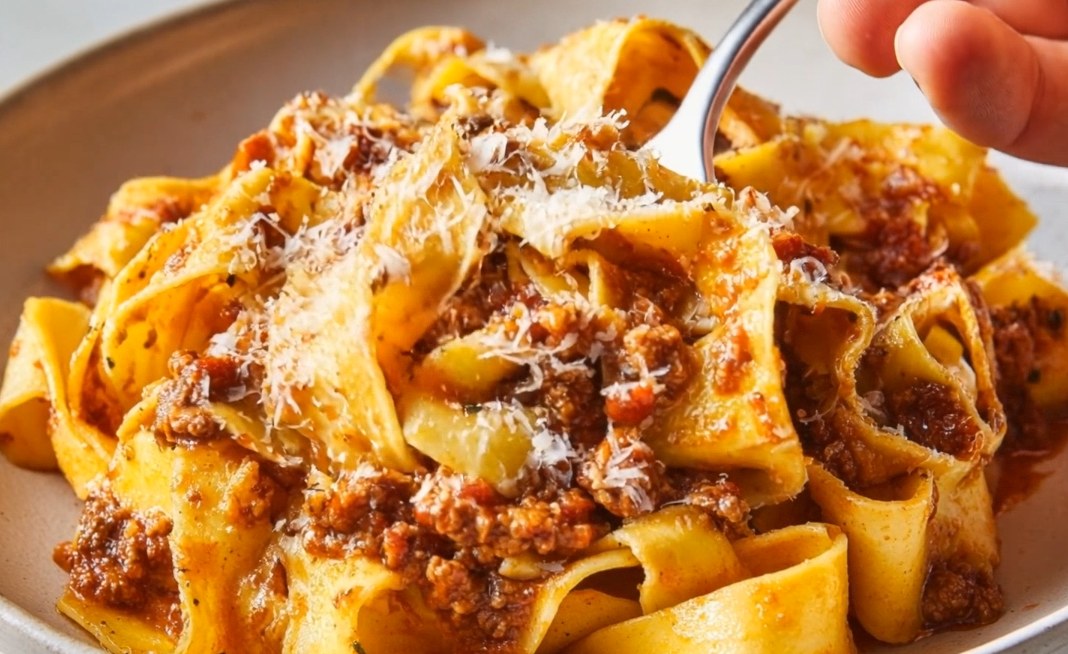
Pappardelle al Ragù is a celebration of slow cooking and deep, earthy flavors rooted in Italian countryside tradition.
Tender wild boar is patiently simmered with wine, aromatics, and tomato passata until it transforms into a rich, soulful sauce that clings beautifully to wide ribbons of pappardelle.
This dish is not about speed or shortcuts—it’s about time, care, and the reward of a ragù that tells a story with every bite.
Why People Will Love Pappardelle al Ragù:
Deep, slow-cooked flavor – The long simmer allows the wild boar to become tender and richly infused with wine, herbs, and tomato, creating a sauce with remarkable depth.
Authentic Italian soul – This recipe reflects traditional countryside cooking, where patience and simple ingredients produce unforgettable results.
Perfect pasta pairing – Wide pappardelle ribbons hold onto the ragù beautifully, ensuring every bite is coated with hearty, savory sauce.
Bold yet balanced taste – The richness of the meat is softened by wine and tomatoes, while herbs and aromatics keep the dish grounded and harmonious.
Comforting and satisfying – It’s a dish that feels warm, filling, and deeply nourishing—ideal for long dinners and special gatherings.
Impressive but honest – Though it tastes restaurant-worthy, the process is straightforward and rewarding, making home cooks feel accomplished.
A true “slow food” experience – This recipe encourages slowing down, enjoying the cooking process, and appreciating the final result.
Even better with time – The flavors continue to develop, making leftovers just as memorable as the first serving.
Key Ingredients:
Wild Boar Meat – Lean yet intensely flavorful, wild boar brings an earthy, slightly gamey richness that defines the character of this ragù and sets it apart from everyday meat sauces.
Pappardelle Pasta – Wide, ribbon-like strands are essential for carrying the weight of the sauce, allowing the ragù to cling generously to every bite.
Red and White Wine – Red wine deepens the meat’s flavor during marination, while white wine later adds brightness and balance as the sauce cooks down.
Tomato Passata – Smooth, concentrated tomato purée provides body and gentle acidity, rounding out the richness of the meat without overpowering it.
Celery and Carrots – These aromatics form a natural sweetness and subtle freshness that support the ragù’s depth and long cooking time.
Bay Leaves and Oregano – Used sparingly, they add herbal warmth and a rustic backbone to the sauce.
Extra-Virgin Olive Oil – The foundation of the sauce, olive oil carries flavor and adds silkiness throughout the slow simmer.
Expert Tips:
Marinate the wild boar patiently – An extended marination with red wine and aromatics softens the meat and tames its natural gaminess, creating a smoother, rounder flavor.
Brown the meat gently, not aggressively – Aim for light caramelization rather than hard searing; this preserves tenderness and prevents bitterness during the long simmer.
Layer the wines intentionally – Red wine builds depth early, while white wine later lifts the sauce with acidity and keeps it from tasting heavy.
Cook low and slow—always – A very gentle simmer is essential; rapid boiling tightens the meat fibers and dulls the sauce’s complexity.
Stir occasionally, not constantly – Let the ragù rest between stirs so flavors concentrate and the sauce thickens naturally.
Salt in stages, finish at the end – Wild boar, passata, and reduction all intensify during cooking; final seasoning should be adjusted only once the sauce is finished.
Respect the fat balance – Olive oil should support the sauce, not dominate it; excess oil can mask the meat’s natural flavor.
Use wide pasta for structure – Pappardelle isn’t optional—it’s engineered to hold heavy ragù and deliver balanced bites.
Finish pasta in the sauce – Toss the cooked pappardelle briefly with the ragù over low heat so starch and sauce emulsify naturally.
Let the sauce rest before serving – A short rest off heat allows flavors to settle and the texture to reach its peak.
Pappardelle al Ragù
Ingredients
Wild boar meat, cut into small cubes
Pappardelle pasta (fresh or dried)
Dry red wine
Dry white wine
3–4 celery stalks, including the leaves
2 carrots, peeled
Salt and freshly ground black pepper, to taste
Dried oregano
Bay leaves
2 bottles homemade tomato passata (about 750 ml each)
Extra-virgin olive oil (EVOO), as needed
5 liters water (for cooking the pasta)
Instructions
Combine the diced wild boar with red wine, bay leaves, black pepper, oregano, carrot, and onion in a large bowl. Mix well, cover, and allow the meat to marinate for several hours or overnight for best flavor.
Heat a generous drizzle of extra-virgin olive oil in a large saucepan over medium heat. Carefully add the marinated wild boar and cook, stirring occasionally, until it begins to brown.
After about 10 minutes, add roughly chopped carrot, celery, and onion to the pan. Stir to combine and continue cooking.
After 15–20 minutes, pour in the white wine and let it simmer, allowing the alcohol to gradually evaporate.
Once the vegetables are tender and the wine has reduced, add the passata (tomato sauce) and stir until fully incorporated.
Add a few sprigs of celery leaves and season generously with salt. Stir again to combine.
Lower the heat to very low and let the ragù simmer gently for 3½ to 4 hours, stirring occasionally to prevent sticking and to develop deep flavor.
When the sauce is nearly ready, bring about 5 liters of water to a boil in a large pot. Add salt generously, then cook the fresh pappardelle for 4–5 minutes, or until tender. Drain well.
Warm a separate saucepan over low heat with a spoonful of the ragù. Add the drained pappardelle and gently toss to coat the pasta evenly with the sauce.
Serve immediately and enjoy.
Important Notes When Making Pappardelle al Ragù:
This is a slow dish by design – The long, gentle simmer is not optional; it’s essential for tenderizing the wild boar and developing the sauce’s deep, rounded flavor.
Wild boar behaves differently than beef – It is leaner and more aromatic, so low heat and patience prevent it from becoming dry or tough.
Marination matters – Allowing the meat to rest in red wine and aromatics helps mellow gaminess and integrates flavor before cooking even begins.
Avoid rushing the reduction – Let moisture evaporate naturally; forcing reduction with high heat can concentrate bitterness instead of richness.
Wine must fully cook out – Both red and white wine should lose all raw alcohol aroma before the next step to keep the sauce balanced and smooth.
Tomato passata should support, not dominate – The sauce should taste meaty and earthy first, with tomato acting as structure and acidity rather than the star.
Salt carefully and late – Reduction intensifies seasoning; always adjust final salt once the ragù has fully cooked.
Texture should be spoon-soft, not chunky – By the end, the meat should gently fall apart, coating the pasta rather than sitting in pieces.
Pasta choice is essential – Wide pappardelle is not interchangeable here; thinner pasta won’t carry the weight of the ragù properly.
This dish improves with rest – Like many traditional ragù, the flavor deepens after sitting, making it excellent for next-day enjoyment.
How to Enjoy Pappardelle al Ragù After Cooking
Allow the ragù to rest briefly
Let the sauce sit off heat for 10–15 minutes before serving. This short rest allows flavors to settle and the sauce to reach its ideal consistency.
Finish the pasta in the sauce
Toss the pappardelle gently with the ragù over low heat just before serving. This step helps the pasta absorb the sauce and creates a cohesive, luxurious bite.
Serve in warm bowls
Pre-warmed plates or bowls keep the sauce supple and prevent it from tightening too quickly.
Keep garnishes restrained
A light drizzle of extra-virgin olive oil or a modest sprinkle of grated cheese is sufficient. Over-garnishing can overpower the ragù’s natural depth.
Pair thoughtfully
Serve with crusty bread to mop up the sauce and a robust red wine that complements the gamey richness of the boar.
Savor slowly
This is not a rushed dish. Take time to enjoy how the meat, wine, and tomato unfold with each bite.
Ideal for cool evenings and gatherings
Pappardelle al Ragù shines during long dinners, family meals, or occasions where comfort and conversation matter.
Store and reheat gently
If enjoying leftovers, reheat the ragù slowly over low heat, adding a splash of water or stock to loosen the sauce before tossing with fresh pasta.
Appreciate the tradition
Enjoying this dish is as much about honoring Italian slow-food culture as it is about flavor—patience and care are part of the experience.
Nutrition Information:
Values are approximate and based on 1 serving, assuming the recipe serves 4.
Calories: 680–740 kcal | Total Fat: 26 g | Saturated Fat: 6 g | Monounsaturated Fat: 14 g | Polyunsaturated Fat: 3 g | Cholesterol: 95 mg | Sodium: 700–900 mg (depending on passata, added salt, and reduction) | Total Carbohydrates: 72 g | Dietary Fiber: 5 g | Sugars: 7 g | Protein: 36 g
Frequently Asked Questions
What makes this ragù different from a classic beef ragù?
Wild boar has a deeper, earthier flavor than beef, giving the sauce a richer, more rustic character that reflects traditional Italian countryside cooking.
Is wild boar very gamey in this dish?
When properly marinated and slow-cooked, the gaminess mellows beautifully, resulting in a bold but balanced flavor rather than anything overpowering.
Can this ragù be made ahead of time?
Yes. In fact, the flavor improves after resting. Making the sauce a day in advance allows the ingredients to fully meld and deepen.
Do I have to use fresh pappardelle?
Fresh pappardelle is ideal for its texture and ability to hold the sauce, but high-quality dried pappardelle also works well.
Is this dish meant to be heavily seasoned with cheese?
Traditionally, this ragù is enjoyed with minimal cheese so the flavor of the meat and sauce remains the focus.
How long should the wild boar be marinated for best results?
At least 4 hours is recommended, but overnight marination delivers the most balanced flavor and tender texture.
Why is low heat so important during cooking?
Wild boar is leaner than beef and can become tough if cooked too quickly. Gentle heat allows the meat to soften slowly and release its flavor into the sauce.
Should the ragù be thick or loose before serving?
It should be thick enough to coat the pasta generously but still fluid. If it becomes too dense, a splash of pasta water can restore balance.
When is the best time to add the tomato passata?
Add it only after the wine has fully reduced and the vegetables are tender, ensuring the sauce tastes deep and cohesive rather than acidic.
How do I keep the sauce from sticking or burning during long cooking?
Stir occasionally and keep the heat very low. A heavy-bottomed pot also helps distribute heat evenly and prevent scorching.