Italian Sausage Pasta Recipe
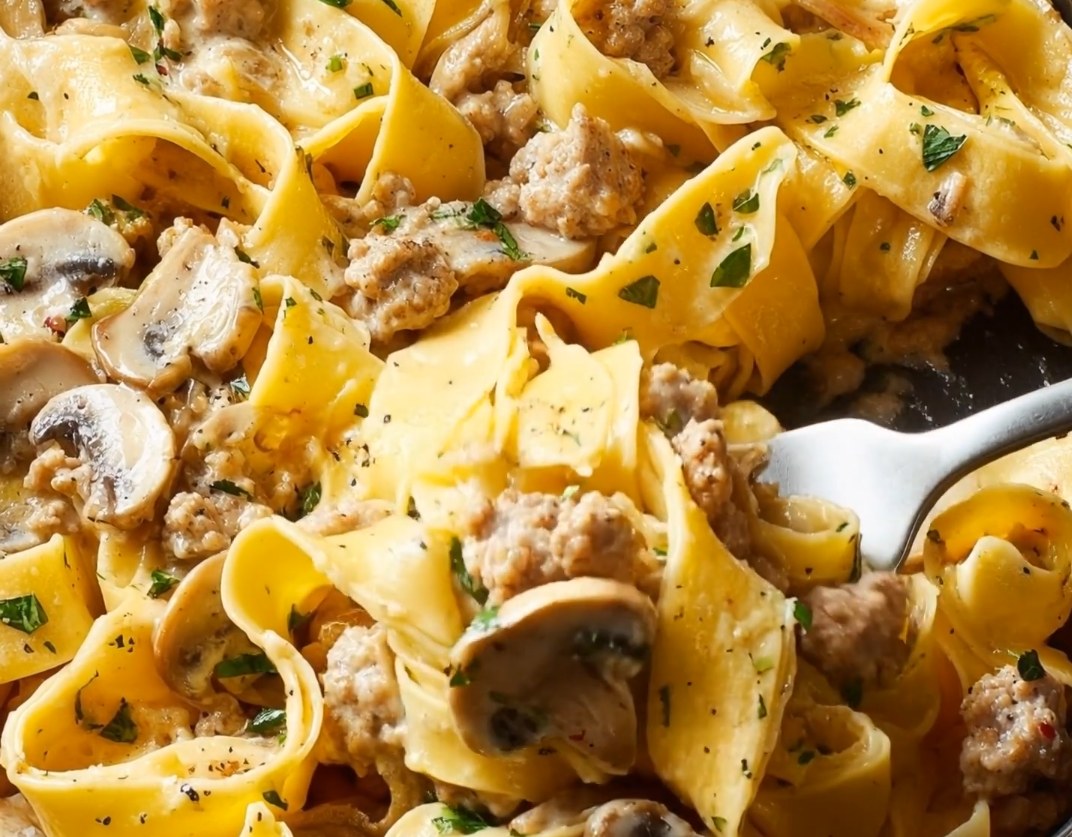
Italian Sausage Pasta is a comforting, deeply flavorful dish built on simple ingredients and careful technique. Rich, savory sausage and earthy mushrooms come together in a silky sauce, gently bound with butter, olive oil, and starchy pasta water.
Finished with sharp Pecorino and optional truffle, this recipe captures the essence of Italian cooking—letting quality ingredients shine through balance, restraint, and warmth.
Why People Will Love This Italian Sausage Pasta Recipe:
Rich, comforting flavor – Savory Italian sausage releases its natural fats and spices into the sauce, creating a deep, satisfying flavor that feels warm and indulgent without being heavy.
Earthy mushroom depth – Brown mushrooms add umami and balance, enhancing the richness of the sausage while keeping the dish grounded and well-rounded.
Silky, naturally creamy sauce – Butter, olive oil, and starchy pasta water come together to form a smooth, glossy sauce without the need for cream.
Simple ingredients, elevated results – Everyday pantry staples are transformed into a restaurant-quality pasta through thoughtful technique rather than complexity.
Perfect pasta pairing – Fresh egg tagliatelle’s wide ribbons cling beautifully to the sauce, ensuring every bite is evenly coated with flavor.
Balanced seasoning – Garlic, parsley, and Pecorino provide brightness and sharpness that cut through the richness, keeping the dish vibrant and not overwhelming.
Customizable and flexible – Easily adapted with different mushrooms, sausage varieties, or optional truffle for added luxury.
Comfort food with elegance – Hearty enough for a cozy family meal, yet refined enough to serve at a dinner gathering.
Key Ingredients:
Italian sausage – The heart of the dish, Italian sausage brings rich, savory flavor and natural seasoning, releasing its juices as it cooks to form the backbone of the sauce.
Fresh egg tagliatelle – Wide, silky ribbons of egg pasta capture the sauce beautifully, providing a tender yet substantial texture that elevates every bite.
Brown mushrooms – Earthy and umami-rich, mushrooms balance the richness of the sausage while adding depth and a subtle meatiness to the sauce.
Extra-virgin olive oil – A foundational fat that carries flavor and enhances aroma, giving the sauce a smooth, rounded finish.
Unsalted butter – Melted gently into the sauce, butter adds silkiness and richness, helping bind the ingredients into a cohesive, glossy coating.
Garlic – Lightly cooked garlic infuses the dish with warmth and aroma without overpowering the other ingredients.
Fresh parsley – Adds freshness and color, cutting through the richness and lifting the overall flavor.
Pecorino cheese – Sharp and salty, Pecorino finishes the dish with bold character, enhancing both the savory and creamy elements.
Fresh truffle (optional) – A luxurious finishing touch that adds earthy complexity and aromatic depth for special occasions.
Expert Tips:
Choose high-quality sausage – Since sausage is the primary seasoning, use well-made Italian sausage with balanced spices. Sweet or mild sausage lets the mushrooms and cheese shine, while hot sausage adds extra depth and heat.
Break the sausage finely and evenly – Crumbling the sausage well ensures it cooks uniformly and distributes flavor throughout the sauce rather than forming large, dense chunks.
Cook mushrooms in contact with the pan – Spread mushrooms out in the pan and avoid overcrowding. Let them sit briefly before stirring so they brown slightly, which deepens their flavor and prevents sogginess.
Use gentle heat for garlic – Adding water with the garlic helps prevent burning and keeps the flavor sweet and aromatic instead of bitter.
Build the sauce slowly – Allow the sausage, mushrooms, butter, and herbs to simmer gently. Rushing this step can cause the fats to separate and the flavors to feel flat.
Salt the pasta water generously – Well-seasoned pasta water enhances the entire dish and creates a better emulsified sauce when added to the pan.
Reserve pasta water every time – The starchy water is essential for adjusting consistency and creating a smooth, cohesive sauce that clings to the pasta.
Finish the pasta in the sauce – Adding the pasta directly to the pan allows it to absorb flavor and ensures perfect integration rather than simply coating the noodles.
Add cheese off the heat – Turning off the heat before adding Pecorino prevents clumping and keeps the sauce silky rather than grainy.
Serve immediately – This pasta is best enjoyed right away, when the sauce is glossy and the pasta is perfectly coated.
Italian Sausage Pasta Recipe
Ingredients
300 g fresh egg tagliatelle pasta
200 g (7 oz) brown mushrooms, cleaned
3 Italian sausages, casings removed
1 garlic clove, finely crushed
50 g (1.7 oz) unsalted butter
Extra-virgin olive oil (EVOO)
Fresh parsley, finely chopped
Salt and freshly ground black pepper
Fresh truffle, optional, for serving
Pecorino cheese, finely grated
Sea salt, for the pasta water
Instructions
Clean the mushrooms using your preferred method, then slice them thinly and set aside.
Cut a slit along the length of each sausage and peel off the casing. Transfer the sausage meat to a wide plate and break it up with a fork until crumbly and evenly separated.
Drizzle 3–4 tablespoons of extra virgin olive oil into a pan. Add the crushed garlic along with 2 tablespoons of water, then place the pan over medium heat.
Add the sliced mushrooms and stir well with a wooden spoon. After about 2 minutes, add the sausage meat and stir again to combine.
Pour in a splash of dry white wine (optional) or a little water. Season with salt and pepper to taste. Add the butter and chopped parsley, spreading the butter around the pan so it melts evenly and coats the ingredients. Reduce the heat to low and let the sauce cook gently for about 10 minutes.
Meanwhile, bring a large pot of water to a rolling boil. Add 1 tablespoon of sea salt, stir to dissolve, then cook the tagliatelle according to the package instructions.
While the pasta cooks, place the pan with the sausage sauce over the pot of boiling pasta water to keep it warm.
When the pasta is al dente, return the sauce pan to the stove over low heat. Transfer the pasta directly into the sauce, reserving one mug of pasta cooking water.
Toss the pasta with the sauce using tongs. If the mixture looks dry, add a splash of pasta water and toss well. For extra creaminess, add a little more pasta water, toss quickly, then turn off the heat.
Finish with a generous amount of freshly grated Pecorino cheese. Toss again until well combined and serve immediately.
Important Notes When Making Italian Sausage Pasta Recipe:
This is an emulsion-based sauce, not a cream sauce – The silky texture comes from olive oil, butter, and starchy pasta water emulsifying together. Keeping the heat gentle is essential to prevent the sauce from breaking.
Pasta water is a key ingredient – Do not skip reserving it. The starch helps bind fat and liquid, creating a cohesive sauce that clings to the tagliatelle rather than pooling at the bottom.
Sausage provides most of the seasoning – Italian sausage varies in saltiness and spice. Taste before adding extra salt to avoid over-seasoning.
Mushroom moisture matters – Mushrooms release water as they cook. Allow some evaporation before adding the sausage so the sauce stays rich rather than diluted.
Low heat preserves texture – Once butter is added, high heat can cause the fats to separate. A gentle simmer keeps the sauce smooth and glossy.
Cheese should be added off the heat – Pecorino can clump or turn grainy if added over high heat. Let the pan cool slightly before tossing it in.
Fresh pasta cooks quickly – Egg tagliatelle cooks faster than dried pasta. Monitor closely and transfer it slightly underdone so it finishes cooking in the sauce.
Resting is brief but important – Let the finished pasta sit for 30–60 seconds before serving to allow the sauce to fully coat and settle.
Best served immediately – This dish is at its peak right after cooking. Reheating can cause the sauce to lose its emulsion and texture.
How to Enjoy Italian Sausage Pasta After Cooking
Serve immediately for best texture
This pasta is at its peak right after cooking, when the sauce is silky, glossy, and perfectly clinging to the tagliatelle. Serve while hot for the fullest flavor and ideal mouthfeel.
Finish with fresh garnishes
Add a final dusting of freshly grated Pecorino cheese, a crack of black pepper, and a drizzle of extra-virgin olive oil to enhance aroma and richness.
Optional truffle finish
If using fresh truffle, shave it lightly over the pasta just before serving. The residual heat releases its earthy aroma without overpowering the dish.
Pair with simple sides
Serve alongside a crisp green salad dressed with lemon and olive oil, or warm crusty bread to soak up any remaining sauce.
Wine pairing
Pair with a medium-bodied red such as Chianti, Barbera, or Montepulciano, or a dry white like Vermentino if you prefer something lighter.
Adjust texture at the table
If the pasta thickens slightly as it sits, loosen it with a small splash of hot pasta water and gently toss before serving.
Transform leftovers thoughtfully
If you have leftovers, reheat gently over low heat with a little water or broth to revive the sauce. Avoid high heat, which can cause the emulsion to break.
Elevate for entertaining
Serve in warmed bowls and finish each portion individually with cheese or truffle for a restaurant-style presentation.
Enjoy as a complete meal
With its balance of protein, pasta, and rich sauce, this dish needs very little accompaniment—simplicity lets the flavors shine.
Nutrition Information:
Values are approximate and based on 1 serving, assuming the recipe serves about 4.
Calories: 680 kcal | Total Fat: 38 g | Saturated Fat: 16 g | Monounsaturated Fat: 15 g | Polyunsaturated Fat: 4 g | Cholesterol: 110 mg | Sodium: 750–950 mg (depending on sausage, cheese, and added salt) | Total Carbohydrates: 55 g | Dietary Fiber: 4 g | Sugars: 4 g | Protein: 28 g
Frequently Asked Questions:
Can I use dried pasta instead of fresh egg tagliatelle?
Yes, dried pasta works well if fresh tagliatelle is unavailable. Choose a wide shape such as fettuccine or pappardelle, and reserve plenty of pasta water to help create the same silky sauce.
Do I need to add cream to make the sauce creamy?
No. The creaminess comes from the emulsification of olive oil, butter, and starchy pasta water. Proper heat control and tossing are key to achieving a smooth sauce without cream.
What type of Italian sausage is best for this recipe?
Mild or sweet Italian sausage works best to highlight the mushrooms and cheese. Hot sausage can be used if you prefer spice, but it will dominate the flavor profile more strongly.
Can I make this dish ahead of time?
This pasta is best enjoyed fresh. While it can be reheated gently, the sauce may lose some of its emulsion. If reheating, add a splash of water or broth and warm slowly over low heat.
Can I add extra vegetables or substitutions?
Yes. Spinach, peas, or leeks can be added for variation, and mushrooms can be swapped for porcini or cremini. Just avoid overcrowding the pan, which can dilute the sauce.
How do I prevent the sauce from separating or becoming greasy?
Keep the heat moderate to low once the butter is added and always finish the pasta in the pan with reserved pasta water. The starch in the water helps emulsify the fats, creating a smooth, cohesive sauce rather than an oily one.
When should I add the pasta to the sauce for the best texture?
Transfer the pasta directly from the pot to the sauce while it is just al dente. It will finish cooking in the pan, absorbing flavor and allowing the sauce to cling evenly to each strand.
Why is pasta water so important in this recipe?
Pasta water contains starch that binds the oil and butter into a silky sauce. Adding it gradually lets you control consistency while maintaining a glossy, restaurant-quality finish.
Should I drain the sausage fat or leave it in the pan?
Leave most of the sausage fat in the pan—it carries flavor and helps form the base of the sauce. Only drain excess fat if the sausage releases an unusually large amount.
How do I avoid overcooking the mushrooms?
Cook mushrooms over medium heat in a single layer and avoid stirring too often. Letting them sit briefly allows moisture to evaporate and promotes light browning, which enhances flavor without making them mushy.