Fried Zucchini Pasta
Fried Zucchini Pasta is a beautiful example of how simple ingredients, treated with care, can create something deeply satisfying.
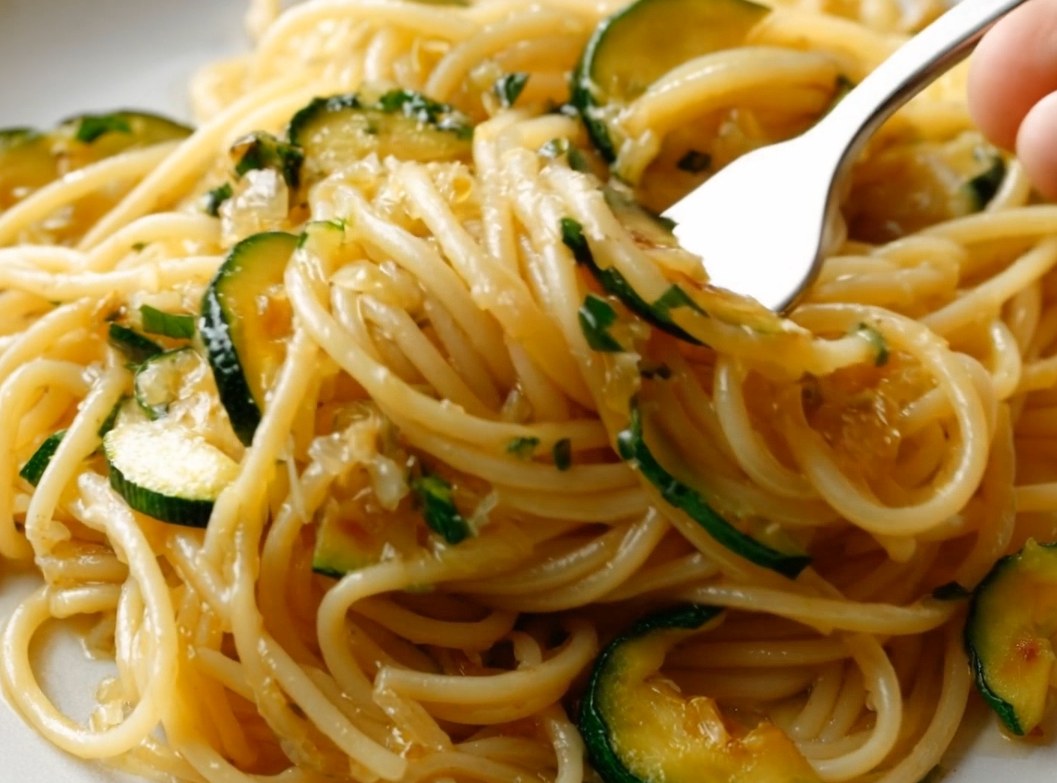
Crispy, golden zucchini meets silky pasta in a sauce that’s creamy without cream, built from olive oil, cheese, and starchy pasta water.
Fragrant basil and gentle garlic tie everything together, resulting in a dish that feels rustic, indulgent, and unmistakably Italian—comforting yet light, and best enjoyed the moment it’s made.
Why People Will Love Fried Zucchini Pasta:
Crispy-meets-creamy perfection – Golden fried zucchini contrasts beautifully with silky pasta coated in an emulsified cheese sauce.
Rich flavor without heaviness – The dish delivers indulgence using olive oil, cheese, and pasta water—no cream required.
Pure Italian simplicity – A handful of humble ingredients come together through technique rather than excess, honoring classic Italian cooking.
Irresistible aroma – Fried zucchini, fragrant basil, and gently infused garlic create a warm, mouthwatering scent as soon as the pan hits the table.
Seasonal and vegetable-forward – Zucchini takes center stage, making the dish feel fresh, balanced, and satisfying.
Textural depth in every bite – Crisp edges, tender centers, stretchy cheese, and perfectly cooked pasta create a layered eating experience.
Quick yet impressive – Though simple to prepare, the result feels special and restaurant-worthy.
Best enjoyed fresh – Its immediate, just-finished creaminess makes it a rewarding dish to cook and eat in the moment.
Key Ingredients:
Zucchini – Thinly sliced and fried until golden, zucchini becomes both crisp and tender, releasing natural sweetness while absorbing olive oil for a rich, savory depth.
Extra-Virgin Olive Oil (EVOO) – Used generously, it’s not just a cooking medium but a core flavor, lending fruitiness and body to the final sauce.
Spaghetti – Long strands capture the emulsified sauce perfectly, allowing every bite to cling to olive oil, cheese, and zucchini essence.
Pecorino Romano / Parmigiano Reggiano – Sharp, salty, and finely grated, this cheese provides structure and savory intensity that transforms pasta water into a creamy sauce.
Provolone Dolce – Mild and slightly sweet, it melts smoothly to add stretch and silkiness without overpowering the dish.
Fresh Basil – Added in stages, basil perfumes the zucchini and finishes the pasta with herbal freshness and brightness.
Garlic – Lightly crushed and gently infused in olive oil, garlic adds warmth and aroma without dominating the delicate balance.
Expert Tips:
Slice the zucchini uniformly thin
Consistent thickness ensures even frying. Zucchini that are too thick stay watery; too thin and they burn. Aim for paper-thin to just under ⅛ inch for the ideal crisp–tender contrast.
Fry in true small batches
Overcrowding lowers oil temperature and causes steaming instead of frying. Zucchini should float freely and sizzle immediately—this locks in flavor and prevents greasiness.
Use abundant, high-quality olive oil
This dish relies on olive oil as a flavor backbone, not just a fat. Choose a fruity, peppery EVOO and don’t be shy—proper frying requires depth.
Infuse, don’t brown, the garlic
Lightly crush the clove and remove it before it colors. Burnt garlic will dominate the dish and mask zucchini sweetness.
Salt the pasta water aggressively
This is the primary seasoning for the pasta itself and helps build the sauce later. Well-seasoned pasta water is essential for proper emulsification.
Reserve pasta water early
Don’t wait until the pasta is fully drained—starch concentration matters. Cloudy, starchy water creates a glossy, cohesive sauce.
Control heat when adding cheese
Turn off the flame before adding Pecorino and Provolone. Excess heat will cause the cheese to seize and separate instead of melting smoothly.
Add cheese in stages
Pecorino first for structure and salt, then Provolone for elasticity. This layering creates depth instead of a flat, heavy sauce.
Toss energetically, not gently
The sauce forms through motion. Use tongs and lift, fold, and swirl to emulsify oil, cheese, and pasta water into a creamy coating.
Serve immediately—this pasta waits for no one
The sauce sets quickly as it cools. Plate and serve right away to enjoy the dish at its silkiest, most aromatic peak.
Fried Zucchini Pasta
Ingredients
300 g (10.6 oz) spaghetti
600 g (21 oz) zucchini
1 bunch fresh basil leaves
1 garlic clove
3 tablespoons Pecorino Romano or Parmigiano Reggiano, finely grated
150 g (5.3 oz / about ¾ cup) Provolone Dolce, freshly grated
Extra-virgin olive oil (EVOO), generously for frying and finishing
Instructions
Begin by preparing the zucchini, as evenly sliced pieces are essential for this dish. Trim off both ends and discard. Place each zucchini on a cutting board and slice it into thin, uniform rounds from end to end.
Fill a large pot with about 5 liters of water and place it over high heat; this will be used to cook the pasta.
Set a small pot over medium heat and pour in a generous amount of extra-virgin olive oil. Once heated, test the oil by dropping in a small slice of zucchini—if it sizzles immediately, the oil is ready.
Fry the zucchini in small batches, being careful not to overcrowd the pot. Cook until the slices are golden and tender, stirring occasionally to ensure even frying.
Line a plate with paper towels and scatter a few fresh basil leaves on top. Transfer the fried zucchini onto the plate to drain excess oil while allowing the basil to lightly perfume them. Repeat until all zucchini are fried, refreshing the paper towels and basil as needed.
By this point, the pasta water should be boiling. Add a tablespoon of rock salt, stir to dissolve, then add the spaghetti and cook according to package directions.
Grate the provolone cheese and set it aside.
As the pasta nears doneness, place a large frying pan over medium heat and add 3–4 tablespoons of extra-virgin olive oil. Lightly crush the garlic clove with the palm of your hand or the flat side of a knife and add it to the oil to infuse gently.
About 1–2 minutes before draining the pasta, add the fried zucchini and basil to the pan, stirring gently to reheat and coat them in the oil.
Before draining the pasta, reserve some of the cooking water using a mug. Remove the garlic clove from the pan, then drain the pasta and transfer it directly to the zucchini pan.
Add a generous amount of reserved pasta water (about ⅔ of a mug) and toss everything together over low heat using tongs, allowing the sauce to emulsify and coat the pasta evenly.
Once well combined, turn off the heat and add the Pecorino cheese along with extra fresh basil. Toss vigorously to create a creamy, glossy sauce.
Finish by adding the provolone cheese and the remaining pasta water, tossing again until smooth. If the cheese begins to stick, add a splash more pasta water and mix until silky.
Serve immediately and enjoy.
Important Notes When Making Fried Zucchini Pasta:
Zucchini quality matters more than quantity
Choose firm, medium-sized zucchini with tight skin and minimal seeds. Overgrown zucchini release excess water and dilute flavor, making the pasta soggy.
Water management is critical
Zucchini naturally release moisture even after frying. That’s why frying in batches and draining properly is essential—excess moisture will break the sauce later.
This dish is built on timing, not difficulty
Each component is simple, but success depends on sequencing: zucchini fried first, pasta cooked last, sauce assembled quickly. Delays cause texture loss.
The sauce is an emulsion, not a cream
There is no actual cream here—silkiness comes from starch, cheese, and olive oil. Overheating or rushing will cause separation.
Cheese choice affects texture dramatically
Pecorino provides salt and sharpness; Provolone adds stretch and body. Substituting only one cheese will change the final mouthfeel.
Heat control is non-negotiable
Always turn off the stove before adding cheese. Residual heat is enough. Direct heat causes grainy cheese and oily separation.
Pasta water is an ingredient, not a backup
Add it gradually and intentionally. Too little gives dryness; too much washes out flavor and structure.
Fresh basil must be added off heat
Basil wilts instantly and loses aroma under high heat. Add it at the end to preserve its fragrance and brightness.
This dish does not reheat well
Fried zucchini pasta is meant to be eaten immediately. Reheating destroys the emulsion and softens the zucchini.
Simplicity is the soul of the recipe
Resist adding extras like cream, onions, or proteins. The elegance of this dish lies in restraint and technique.
How to Enjoy Fried Zucchini Pasta After Cooking
1. Serve Immediately — Timing Is Everything
Fried Zucchini Pasta reaches its peak within minutes of finishing. The sauce is a delicate emulsion of olive oil, cheese, and pasta water that begins to tighten and separate as it cools.
- Plate the pasta right after tossing
- Do not cover or let it sit
- Eat while hot and glossy
This dish rewards immediacy.
2. Plate Simply, Not Decoratively
This is a rustic Italian pasta—not a styled dish.
- Use warm bowls (not cold plates)
- Twirl the pasta loosely for height
- Let fried zucchini sit visibly on top
Avoid heavy garnishing; visual honesty enhances appetite.
3. Finish at the Table, Not in the Pan
For the best sensory experience:
- Add a final drizzle of high-quality extra-virgin olive oil
- Crack fresh black pepper just before eating
- Tear a few fresh basil leaves by hand over the bowl
These finishing touches activate aroma and elevate flavor without altering texture.
4. Eat Slowly to Appreciate Texture Contrast
This dish is about contrast, not richness:
- Crisp-edged zucchini against silky pasta
- Salty, sharp Pecorino balanced by sweet provolone
- Herbal freshness from basil cutting through olive oil
Take smaller bites to experience how each element layers.
5. Pair with the Right Drink
Keep beverages clean and refreshing:
- White wine: Pinot Grigio, Falanghina, Vermentino
- Non-alcoholic: Sparkling water with lemon peel
Avoid heavy reds or sweet drinks—they overpower the dish.
6. Serve as a Standalone Star
Fried Zucchini Pasta is complete on its own.
- No need for meat or heavy sides
- If serving multiple courses, place it as a primo
- Pair only with light salad or grilled vegetables
Let the pasta shine without competition.
7. Respect the Leftover Rule
This dish is not designed for leftovers.
If you must save it:
- Store without added cheese
- Reheat gently with water and olive oil
- Accept that texture will soften
Fresh is always best.
8. Enjoy It Casually, the Italian Way
This is not a “special occasion” pasta—it’s a moment pasta.
Best enjoyed:
- On a quiet evening
- With good conversation
- Without rushing
The simplicity is what makes it memorable.
Nutrition Information:
Values are approximate per serving, assuming 3–4 servings total and generous olive oil use, as traditional.
Calories: 520–560 kcal | Total Fat: 26–30 g | Saturated Fat: 8–10 g | Monounsaturated Fat: 14–17 g | Polyunsaturated Fat: 2–3 g | Cholesterol: 35–45 mg | Sodium: 650–850 mg (depending on cheese and pasta water salt) | Total Carbohydrates: 55–60 g | Dietary Fiber: 4–6 g | Sugars: 4–5 g | Protein: 16–20 g
Frequently Asked Questions:
Why do the zucchini need to be fried separately instead of cooked with the pasta?
Frying the zucchini separately concentrates their flavor and creates lightly crisp, caramelized edges. This step removes excess moisture, preventing the pasta from becoming watery and allowing the zucchini to release their sweetness into the olive oil, which later becomes the base of the sauce.
Can I make this recipe less oily without losing flavor?
Yes. While generous olive oil is traditional and key to the sauce’s silkiness, you can reduce the amount by frying the zucchini in batches with just enough oil to coat them. The reserved pasta water will still help emulsify the sauce and maintain creaminess even with slightly less oil.
Why is pasta water so important in this dish?
Pasta water contains starch released during cooking, which helps bind the olive oil and cheese into a smooth, cohesive sauce. Without it, the cheese may clump and the pasta can feel dry rather than glossy and creamy.
Can I substitute another cheese if I don’t have Provolone Dolce?
Yes, but choose wisely. Mild, meltable cheeses like fontina or young scamorza work well. Avoid aged or dry cheeses alone, as they won’t provide the same stretch and softness. Provolone Dolce is ideal because it melts smoothly without overpowering the zucchini.
Is this dish best eaten immediately or can it be reheated?
This pasta is best enjoyed immediately, when the sauce is emulsified and silky. If reheating is necessary, add a splash of water or olive oil and warm gently over low heat, stirring constantly to prevent the cheese from separating.
How thin should the zucchini be sliced for the best texture?
Zucchini should be sliced thin and evenly, ideally about 2–3 mm thick. Thin slices fry quickly, become lightly crisp at the edges, and melt into the sauce later. Thicker slices tend to steam instead of fry and can remain spongy or bland.
How do I know when the olive oil is at the right frying temperature?
The oil is ready when a small slice of zucchini immediately sizzles upon contact without burning. If it sinks silently, the oil is too cold; if it browns instantly, it’s too hot. Proper temperature ensures golden zucchini without bitterness.
Why must the zucchini be fried in small batches?
Overcrowding lowers the oil temperature and causes the zucchini to release moisture, leading to soggy slices. Frying in small batches keeps the oil hot, allowing the zucchini to caramelize rather than boil, which is essential for flavor.
When should the zucchini be added back to the pan with the pasta?
Add the zucchini 1–2 minutes before the pasta finishes cooking. This timing reheats the zucchini gently without breaking it down, preserving its texture while allowing it to absorb the olive oil and pasta starch.
How do I prevent the cheese from clumping or sticking to the pan?
Always turn the heat very low or completely off before adding cheese. Combine it with pasta water and toss continuously. The residual heat and starch create a smooth emulsion—direct heat will cause the cheese to seize and stick.