Avgolemono Recipe (Greek Egg-Lemon Chicken Soup)
Avgolemono is more than just a soup—it’s a timeless expression of Greek comfort, where simplicity meets remarkable depth. At its core, this dish transforms humble ingredients—chicken, eggs, and lemon—into a silky, velvety broth that feels both nourishing and refined. The magic lies in the technique: eggs are gently tempered into the warm broth, creating a naturally creamy texture without any cream.
What makes avgolemono truly special is its balance. The richness of slow-simmered chicken stock is lifted by the bright, tangy freshness of lemon, resulting in a flavor that is both comforting and vibrant. Each spoonful feels soothing yet alive, making it a dish that can warm you on cold days or refresh you when you crave something light but deeply satisfying.
Rooted in tradition and passed down through generations, this soup carries a sense of heritage and care. It’s not just food—it’s a culinary ritual that turns simple cooking into something elegant, healing, and unforgettable.
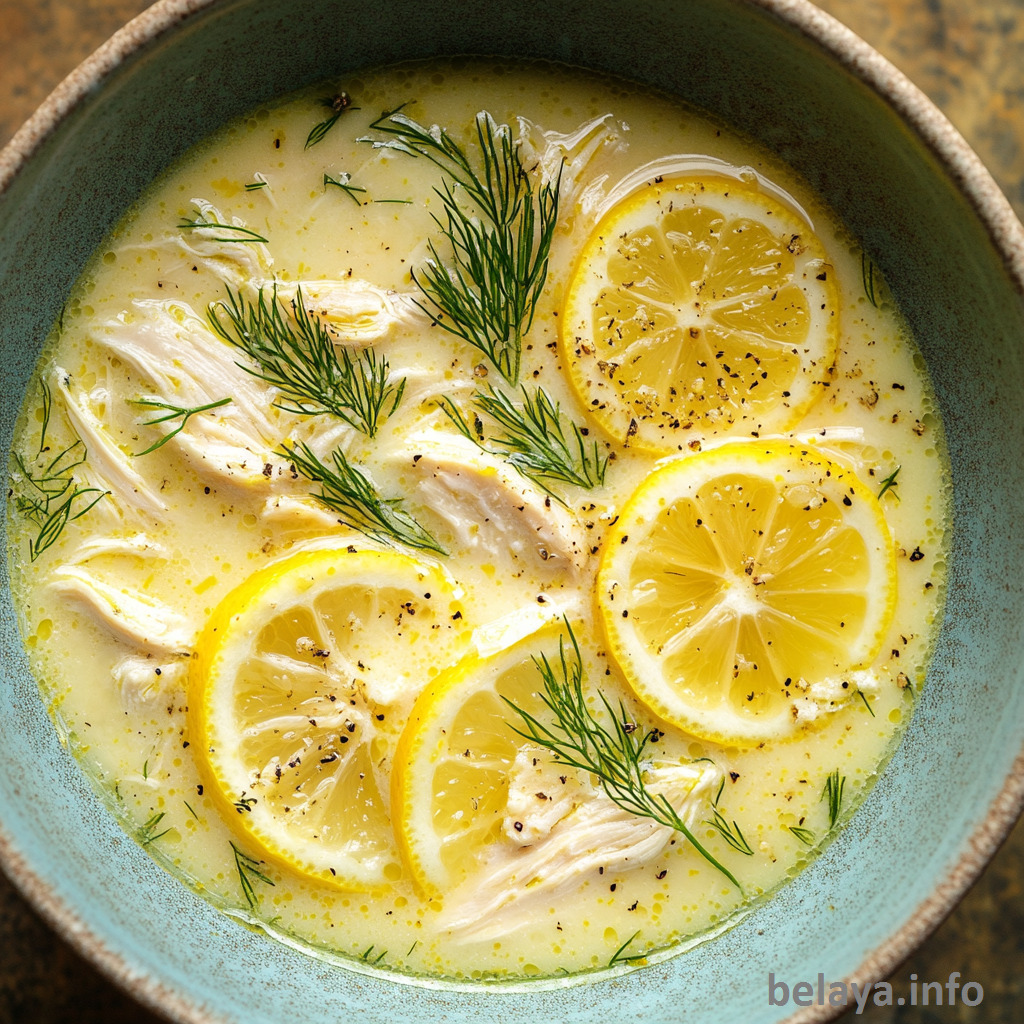
Why People Will Love This Avgolemono (Greek Egg-Lemon Chicken Soup)
Silky, creamy texture—without any cream
The egg-lemon emulsion creates a naturally velvety broth that feels rich and luxurious, yet remains light and clean on the palate.
A perfect harmony of richness and brightness
Slow-simmered chicken stock provides deep, comforting flavor, while fresh lemon cuts through with a vibrant tang that keeps every spoonful balanced and refreshing.
Deeply nourishing and soothing
Packed with protein, hydration, and warmth, this soup is often considered both comfort food and a restorative dish—ideal when you want something gentle yet satisfying.
Rooted in authentic Mediterranean tradition
This is a classic Greek recipe with centuries of history, offering a taste that feels both timeless and culturally rich.
Elevated flavor from simple ingredients
Basic pantry staples—chicken, eggs, lemon, and orzo—are transformed through technique into something unexpectedly refined and elegant.
A unique alternative to traditional chicken soup
Unlike standard brothy soups, avgolemono stands out with its creamy consistency and bright citrus profile, making it memorable and distinctive.
Comfort food that feels light, not heavy
Despite its richness, the soup doesn’t weigh you down, making it perfect for both everyday meals and when you crave something soothing but fresh.
Textural contrast in every bite
Tender shredded chicken, soft orzo, and the smooth broth create a satisfying combination that keeps the dish interesting from start to finish.
Versatile for different occasions
It’s cozy enough for a quiet meal at home, yet elegant enough to serve guests as a sophisticated starter or main dish.
A sensory experience beyond taste
From the gentle aroma of simmered broth to the bright citrus notes and creamy mouthfeel, this soup engages all the senses in a subtle, comforting way.
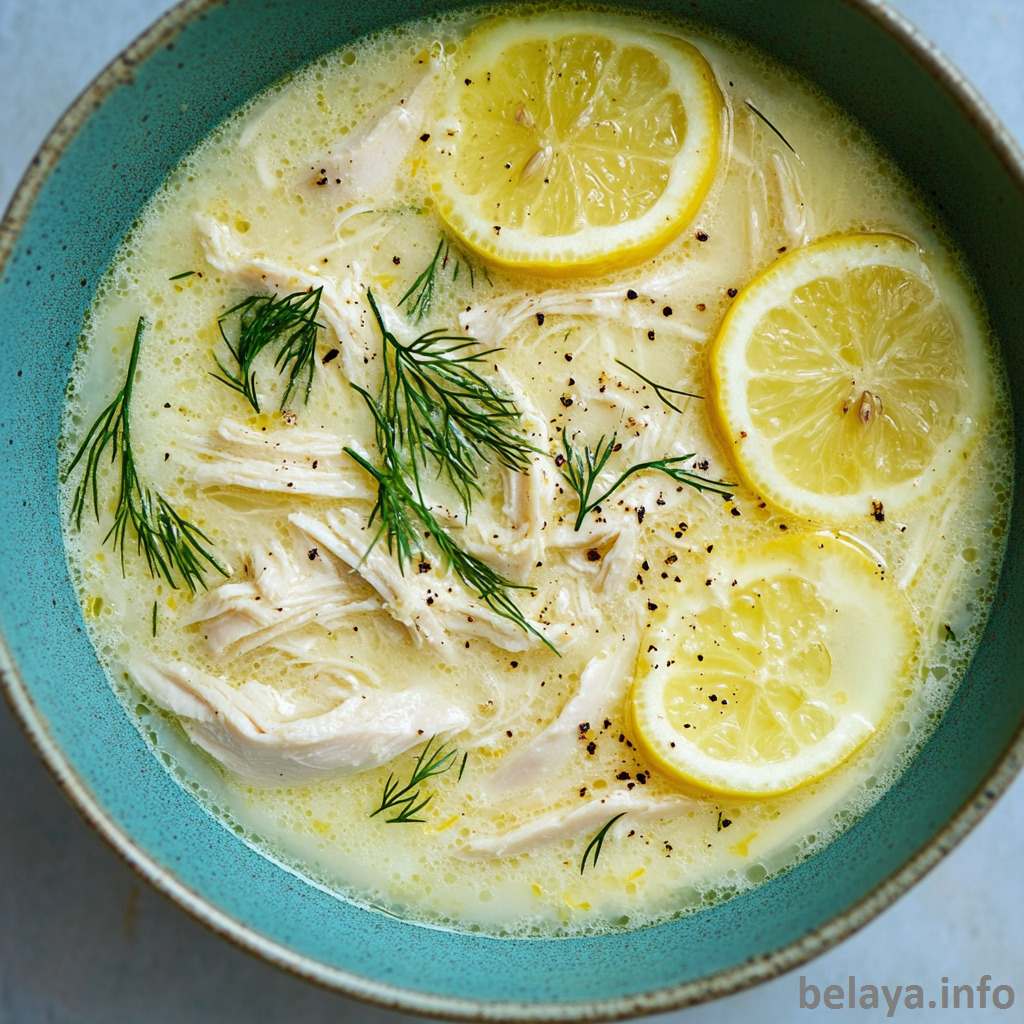
Key Ingredients:
Chicken Thighs (Bone-in, Skin-on)
These are the foundation of the soup’s depth. The bones and skin release collagen and natural fats during simmering, creating a richer, more flavorful broth than lean cuts. The meat itself becomes tender and juicy, adding substance and warmth to every bite.
Eggs
The defining element of avgolemono. When properly tempered, eggs transform the broth into a silky, creamy texture without any dairy. They act as a natural thickener, giving the soup its signature velvety consistency.
Fresh Lemon Juice
Bright, tangy, and essential—lemon cuts through the richness of the broth and eggs, bringing balance and freshness. It elevates the entire dish from comforting to vibrant and refreshing.
Orzo Pasta
Small and delicate, orzo adds body and a gentle chew that complements the smooth broth. It absorbs the flavors of the soup while helping create a satisfying, well-rounded texture.
Onion (Unpeeled)
Simmered whole with the skin on, the onion subtly infuses the broth with sweetness and depth, while also contributing a natural golden hue and complexity often overlooked in simple soups.
Whole Black Peppercorns
These provide a slow, gentle heat that builds in the background rather than overpowering the dish, adding a layer of warmth that complements the lemon’s brightness.
Chicken Stock (Homemade from the base)
Created directly in the pot, this broth is the soul of the recipe—rich, aromatic, and full-bodied. It carries and unifies all other flavors, making every ingredient feel connected.
Fresh Herbs (Dill or Oregano)
Added at the end, these herbs bring a fresh, slightly earthy note that enhances the Mediterranean identity of the soup and adds a clean, aromatic finish.
Kosher Salt
More than just seasoning, salt enhances the natural flavors of each ingredient, helping to balance the richness of the broth and the acidity of the lemon.
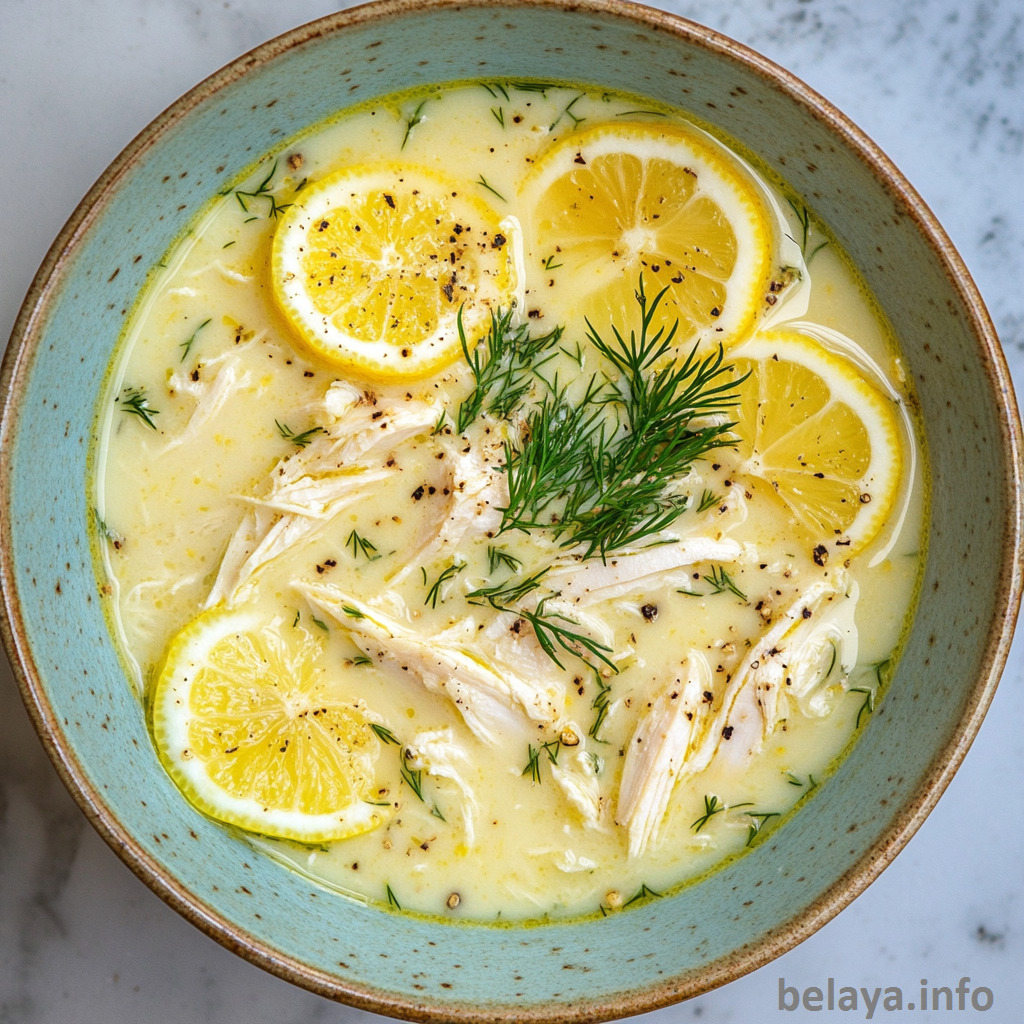
Expert Tips:
Start with cold water for a cleaner, richer broth
Always begin with cold water when making the stock. This allows proteins and impurities to rise धीरे as it heats, giving you a clearer, more refined broth with deeper flavor.
Simmer gently—never aggressively boil
A rolling boil can break down the chicken too quickly and cloud the broth. Keep it at a gentle simmer to extract maximum flavor while maintaining clarity and balance.
Skim consistently for purity of flavor
During the first 20–30 minutes, skim off the foam and impurities that rise to the surface. This small step significantly improves the final taste and texture.
Use bone-in, skin-on chicken for depth
The bones add body and collagen, while the skin contributes subtle richness. This creates a naturally fuller, silkier base before the egg mixture is even added.
Whisk the eggs thoroughly until pale and airy
Proper whisking introduces air, which helps stabilize the emulsion when combined with the hot broth. This results in a smoother, creamier consistency.
Master the tempering process (the most critical step)
Slowly add warm broth to the egg-lemon mixture while whisking constantly. This gradual temperature increase prevents the eggs from scrambling and ensures a silky finish.
Control the heat after adding the egg mixture
Once the avgolemono is added, keep the soup on very low heat. Never let it boil again, or the delicate emulsion will break and curdle.
Balance lemon with precision
Lemon should brighten, not overpower. Add gradually and taste—if it becomes too sharp, a pinch of salt or a bit more broth can restore balance.
Cook orzo separately for best texture (optional pro tip)
If you want full control over texture—especially for leftovers—cook the orzo separately and add it to individual bowls. This prevents it from over-softening in the pot.
Let the soup thicken naturally, don’t rush it
The soup will gently thicken as the egg proteins set at low heat. Avoid trying to speed this up with higher heat—it compromises the texture.
Shred chicken into slightly larger pieces
Keeping some texture in the chicken (instead of shredding too finely) gives the soup a more satisfying, rustic feel.
Finish with fresh herbs at the very end
Dill or oregano should be added just before serving to preserve their bright, aromatic qualities and avoid dulling their flavor.
Serve immediately for peak texture
Avgolemono is best enjoyed fresh, when the broth is at its silkiest and the flavors are perfectly balanced.
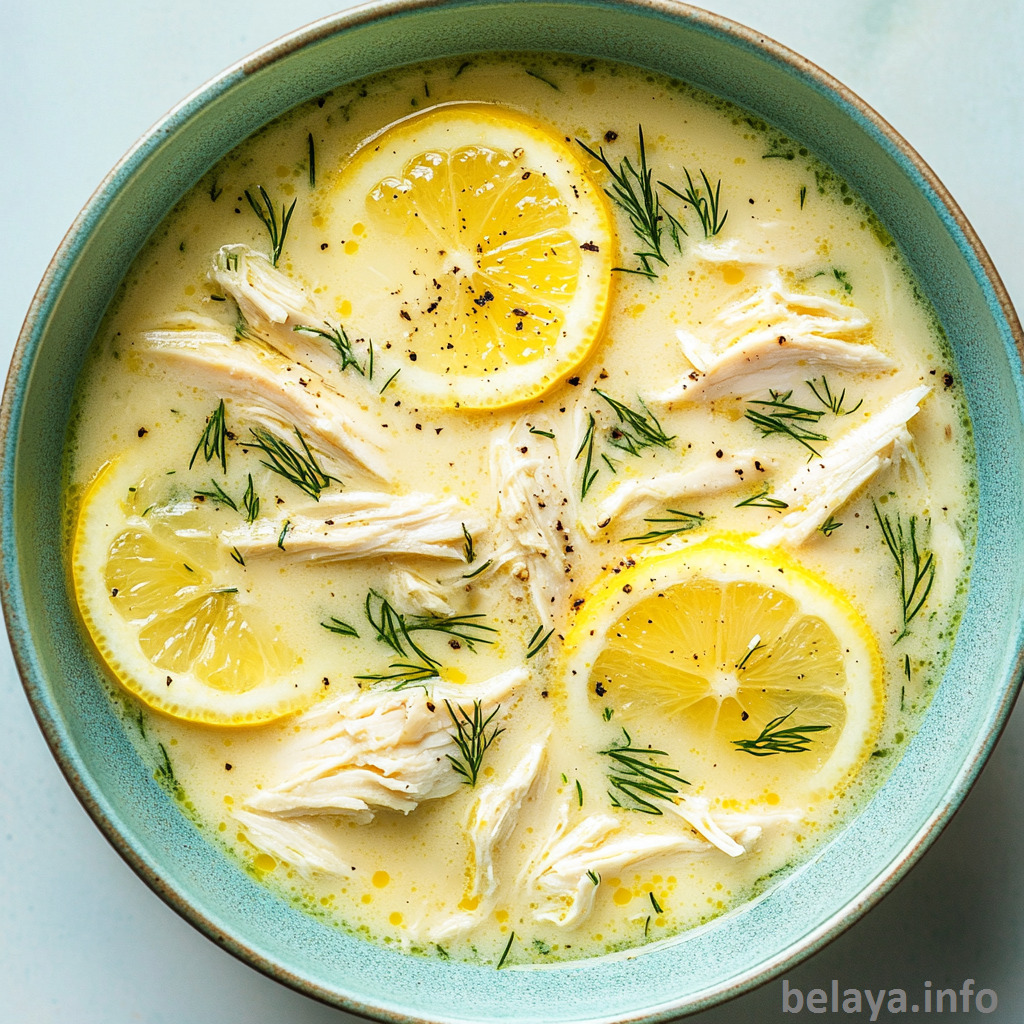
Avgolemono Recipe (Greek Egg-Lemon Chicken Soup)
Ingredients
For the Soup:
6 chicken thighs, bone-in and skin-on
8 cups cold water
1 large yellow onion, unpeeled and quartered
2 tablespoons whole black peppercorns
1 tablespoon kosher salt
1/2 cup dried orzo pasta
4 large eggs
1/4 cup freshly squeezed lemon juice (from about 1 large lemon)
For Serving:
1/2 medium lemon, thinly sliced
Fresh dill or oregano, chopped (for garnish)
Freshly ground black pepper, to taste
Instructions:
Make the chicken stock:
In a large Dutch oven (at least 5 quarts), combine the chicken thighs, cold water, quartered onion (unpeeled), peppercorns, and kosher salt.
Cover and bring to a boil over high heat.
Once boiling, reduce the heat to maintain a gentle simmer.
Cook for 45–60 minutes, skimming off any white foam that rises to the top.
Strain the broth:
Transfer the cooked chicken to a cutting board to cool.
Strain the broth through a fine-mesh sieve into a large heatproof bowl; discard the solids.
If there’s excess fat on top, skim it off with a spoon or use a fat separator.
Set aside 2 cups of broth for later and return the rest to the Dutch oven to stay warm on low heat.
Shred the chicken:
Once the chicken is cool enough to handle, remove the skin and bones.
Shred the meat into bite-sized pieces and set aside.
Cook the orzo:
Bring the broth back to a boil over medium-high heat.
Stir in the orzo and cook until tender, about 7–9 minutes.
Add the shredded chicken back into the pot, then reduce the heat to low.
Make the egg-lemon mixture:
In a medium bowl, whisk the eggs for about 2 minutes until pale and frothy.
Slowly whisk in the lemon juice.
While continuously whisking, temper the eggs by gradually adding the reserved 2 cups of warm broth.
This step prevents the eggs from scrambling when added to the hot soup.
Finish the soup:
Pour the tempered egg-lemon mixture into the soup and gently stir to combine.
Let it cook over low heat for 3–5 minutes until slightly thickened.
Do not let the soup boil, or the eggs may curdle.
Serve:
Ladle the avgolemono soup into bowls.
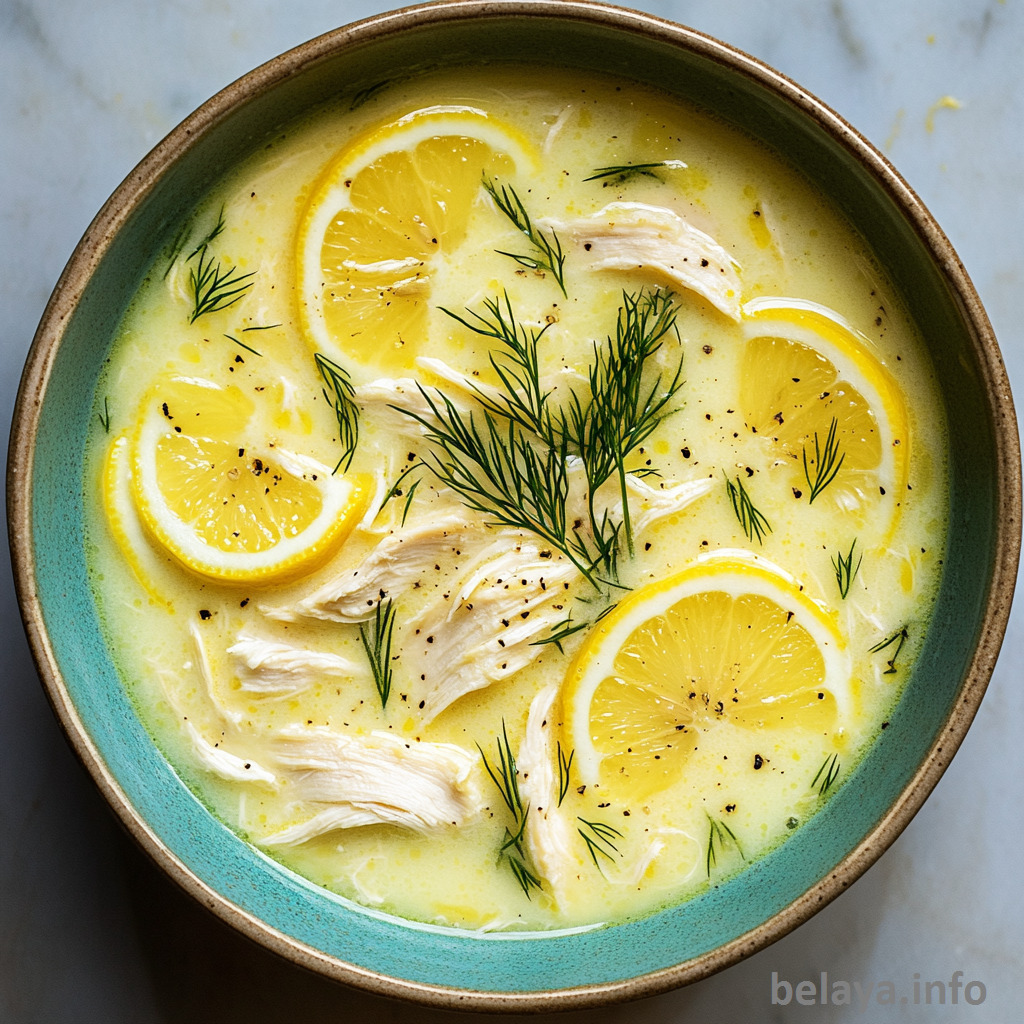
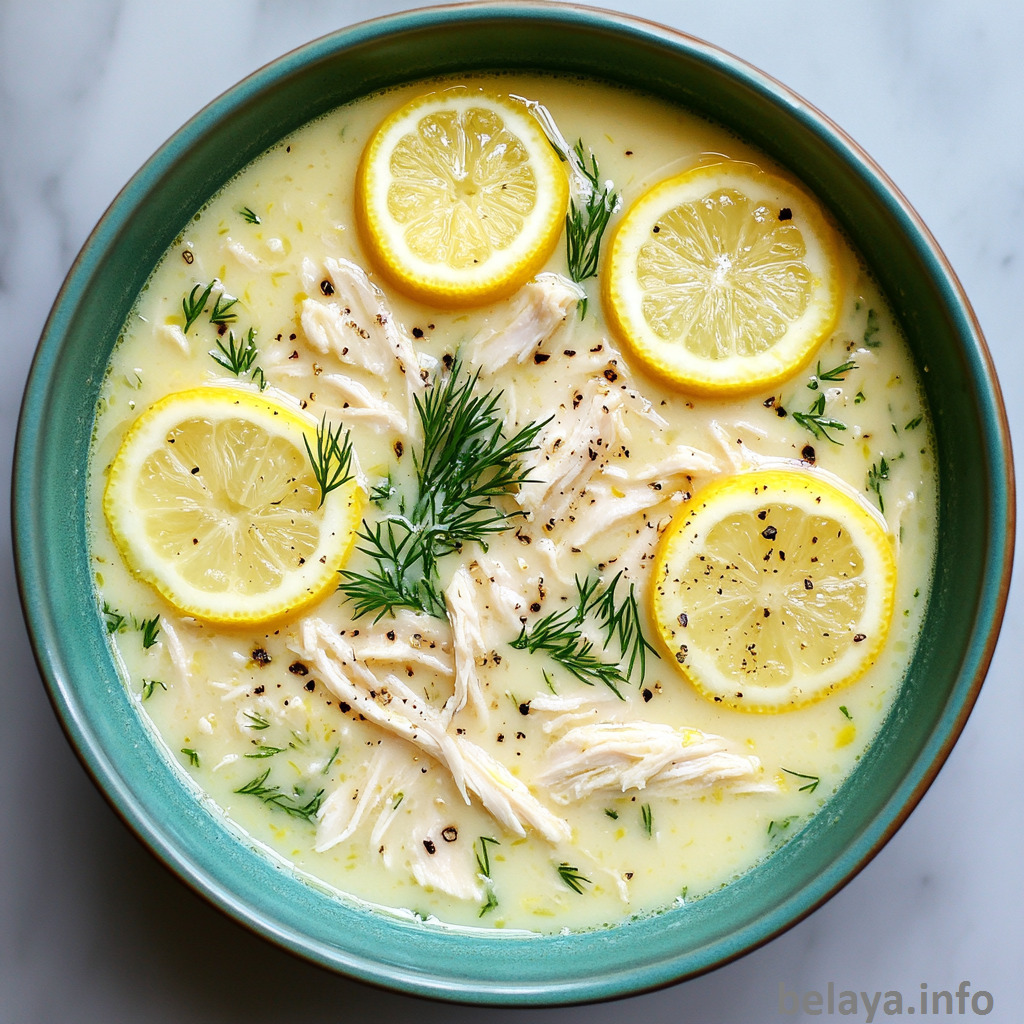
Garnish with thin lemon slices, chopped fresh dill or oregano, and freshly ground black pepper.
Serve hot and enjoy!
Important Notes When Making Avgolemono (Greek Egg-Lemon Chicken Soup)
The emulsion is the soul of the dish
Avgolemono is defined by the delicate balance between eggs, lemon, and hot broth. If this emulsion breaks (due to high heat or poor tempering), the texture shifts from silky to grainy—so treat this step with precision and patience.
Temperature control is absolutely critical
Once the egg-lemon mixture is added, the soup should never boil again. Even a brief boil can curdle the eggs and ruin the smooth consistency.
Tempering is not optional—it’s essential
Gradually introducing warm broth into the eggs is what allows them to blend seamlessly into the soup. Skipping or rushing this step will result in scrambled eggs rather than a creamy broth.
The soup thickens naturally over time
As the egg proteins gently set and the orzo releases starch, the soup will continue to thicken even off the heat. This is expected and part of its character.
Lemon flavor evolves as it sits
The brightness of lemon may mellow slightly over time. For the best flavor, you may want to refresh leftovers with a small squeeze of fresh lemon before serving.
Balance between richness and acidity is key
Too much egg can make the soup feel heavy; too much lemon can make it sharp. The beauty of avgolemono lies in achieving harmony between these two elements.
Broth clarity affects the final result
A well-skimmed, clean broth leads to a more refined and visually appealing soup. Cloudy broth doesn’t ruin the dish, but it reduces its elegance.
Orzo continues to absorb liquid after cooking
Like most small pasta, orzo will soak up broth as it sits, thickening the soup. You may need to add extra warm stock when reheating.
Chicken texture matters for overall experience
Over-shredded chicken can get lost in the soup, while slightly larger, tender pieces provide better texture and a more satisfying bite.
Fresh herbs are more than garnish
Dill or oregano adds a crucial aromatic layer that complements the lemon and enhances the Mediterranean profile of the dish.
Best enjoyed fresh, but adaptable for leftovers
The soup is at its peak right after cooking, but with small adjustments—like adding broth and lemon—it can still be excellent the next day.
This is a technique-driven recipe, not just ingredient-based
Success depends more on how you cook (especially tempering and heat control) than on the ingredients themselves, making it a dish that rewards careful attention.
How to Enjoy Avgolemono (Greek Egg-Lemon Chicken Soup) After Cooking
Let the soup settle before serving
After finishing, allow the soup to rest for about 5 minutes off the heat. This helps the egg-lemon emulsion fully stabilize and gives the broth its signature silky texture.
Serve warm—not piping hot
Avgolemono is best enjoyed at a gentle warmth. If it’s too hot, the delicate flavors—especially the lemon—can feel muted, and the texture won’t be as smooth.
Stir gently before ladling
Give the soup a light stir to evenly distribute the chicken, orzo, and creamy broth so each bowl has a balanced texture and flavor.
Finish each bowl individually
Add a thin slice of lemon, a sprinkle of fresh dill or oregano, and a touch of freshly ground black pepper to each serving. This enhances aroma, brightness, and presentation.
Adjust brightness to personal taste
Some people enjoy a more pronounced citrus flavor—offer extra lemon wedges on the side so each person can customize their bowl.
Pair with simple, neutral sides
Serve with warm crusty bread, pita, or a light salad. The goal is to complement the soup’s richness and acidity without overpowering its delicate balance.
Enjoy slowly to appreciate the texture
Take time to notice the velvety consistency of the broth and how it coats the palate, followed by the gentle brightness of lemon and the comforting depth of chicken.
Reheat with care to preserve texture
When reheating, use low heat and stir gently. Avoid boiling at all costs, as it can cause the egg mixture to separate. Add a splash of warm broth if it has thickened too much.
Refresh leftovers before serving
A small squeeze of fresh lemon juice and a sprinkle of herbs can revive the soup’s brightness and bring it close to its original flavor.
Control thickness for the best experience
If the soup becomes too thick (due to orzo absorbing liquid), thin it out with additional warm stock until it reaches a silky, pourable consistency.
Turn it into a complete dining experience
Serve in deep bowls, garnish thoughtfully, and enjoy in a relaxed setting—this dish shines when eaten slowly, as a comforting and mindful meal.
Best enjoyed fresh, but still rewarding later
While avgolemono is at its peak right after cooking, careful reheating and slight adjustments ensure it remains delicious even the next day.
Nutrition Information:
YIELDS: 5–6 servings | Serving Size: 1 bowl
Calories: 420 kcal | Total Fat: 18 g | Saturated Fat: 5 g | Monounsaturated Fat: 8 g | Polyunsaturated Fat: 3 g | Cholesterol: 220 mg | Sodium: 700–900 mg (depending on added salt) | Total Carbohydrates: 22 g | Dietary Fiber: 1.5 g | Sugars: 2 g | Protein: 38 g
Frequently Asked Questions
What makes avgolemono different from regular chicken soup?
Avgolemono stands out because of its egg-lemon mixture, which creates a naturally creamy, velvety texture without using any dairy. The bright citrus flavor also gives it a unique freshness not found in traditional chicken soups.
Can I make avgolemono without orzo?
Yes, you can substitute orzo with rice, small pasta, or even leave it out entirely for a lighter version. Rice is actually a very traditional alternative and works beautifully with the creamy broth.
Why didn’t my soup turn creamy?
The creaminess comes from properly tempering the eggs and gently heating the soup afterward. If the soup isn’t creamy, the eggs may not have been whisked enough, or the mixture wasn’t incorporated slowly and evenly.
Can I use chicken breast instead of thighs?
You can, but chicken thighs provide a richer, more flavorful broth due to their higher fat content and bones. If using chicken breast, the soup will be lighter but slightly less deep in flavor.
Is avgolemono safe to eat with eggs in it?
Yes, when prepared correctly. The eggs are gently cooked through tempering and low heat, making them safe to eat while giving the soup its signature silky texture.
How do I prevent the eggs from scrambling when adding them to the soup?
The key is slow tempering. Gradually whisk warm (not boiling) broth into the egg-lemon mixture while whisking constantly. This gently raises the temperature of the eggs so they blend smoothly instead of curdling.
What should the soup temperature be when I add the egg mixture?
The soup should be hot but not boiling—ideally at a low simmer or even slightly below. If it’s too hot, the eggs will cook too quickly and lose their silky texture.
How can I tell if the avgolemono has thickened enough?
The soup should lightly coat the back of a spoon with a smooth, velvety consistency. It won’t be thick like cream soup, but it should feel slightly richer than a clear broth.
Can I fix the soup if the eggs curdle?
If curdling happens, you can try whisking the soup vigorously or blending a portion of it to smooth the texture. While it may not fully return to its original silkiness, the flavor will still be good.
Is it better to cook the orzo in the soup or separately?
Cooking it in the soup adds flavor and slight thickness, but it can absorb too much liquid over time. For better control—especially if making ahead—cook the orzo separately and add it when serving.